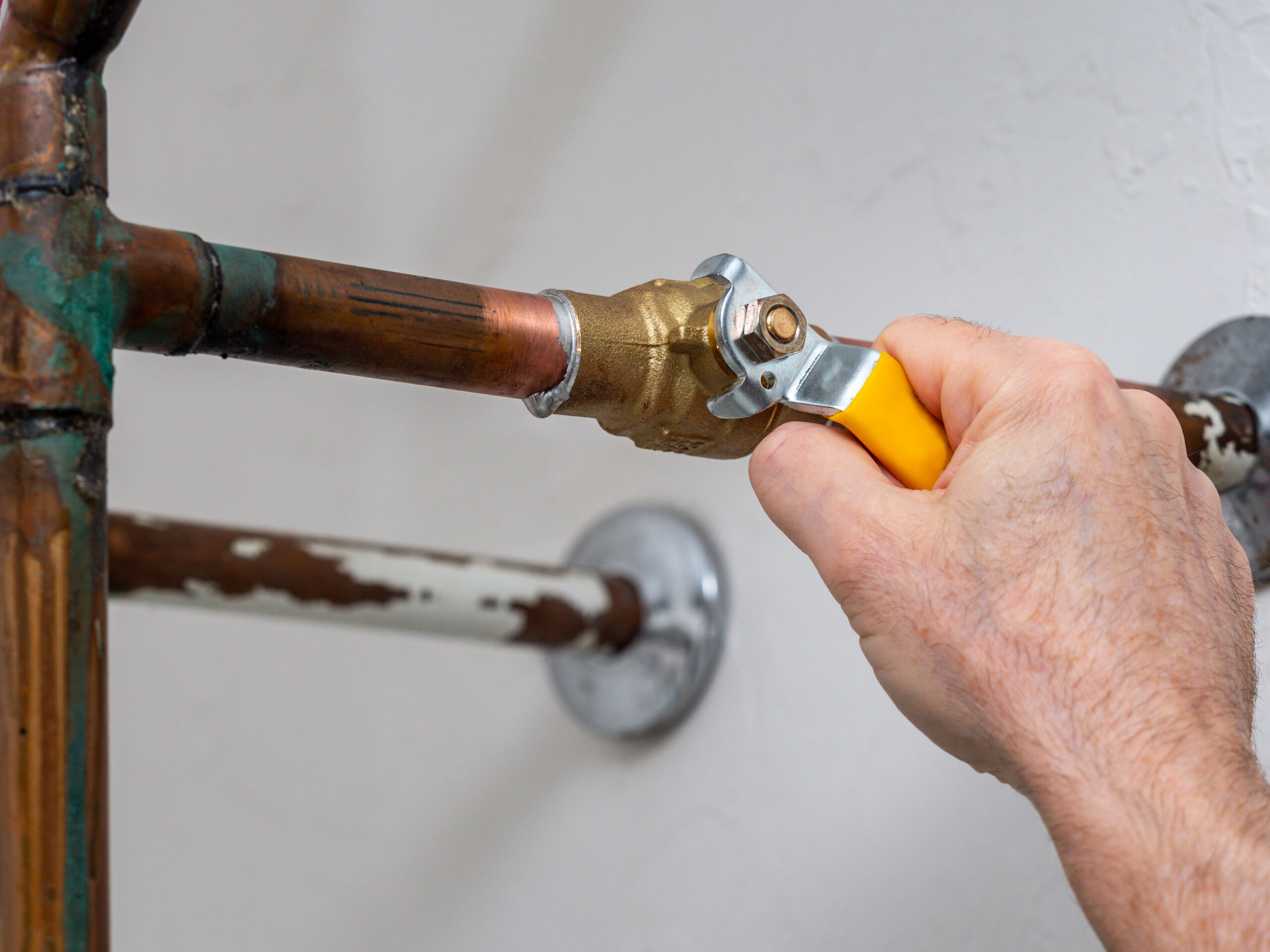
Where Is the House Water Shut Off Valve — and Why Every Homeowner Needs to Know
There is one piece of knowledge that separates a homeowner who handles emergencies with calm confidence from one who watches water pour across the floor in a panic. That piece of knowledge is knowing exactly where your house water shut off valve is located. It sounds simple. It probably is simple. But a surprising number of homeowners have never actually located it, tested it, or thought about it until the moment they desperately needed it. This article changes that. Whether you just bought your first home or have lived in your current place for years, understanding your main water shut off valve is one of the most practical and genuinely useful things you can learn as a homeowner.
What Is the Main Water Shut Off Valve and What Does It Actually Do
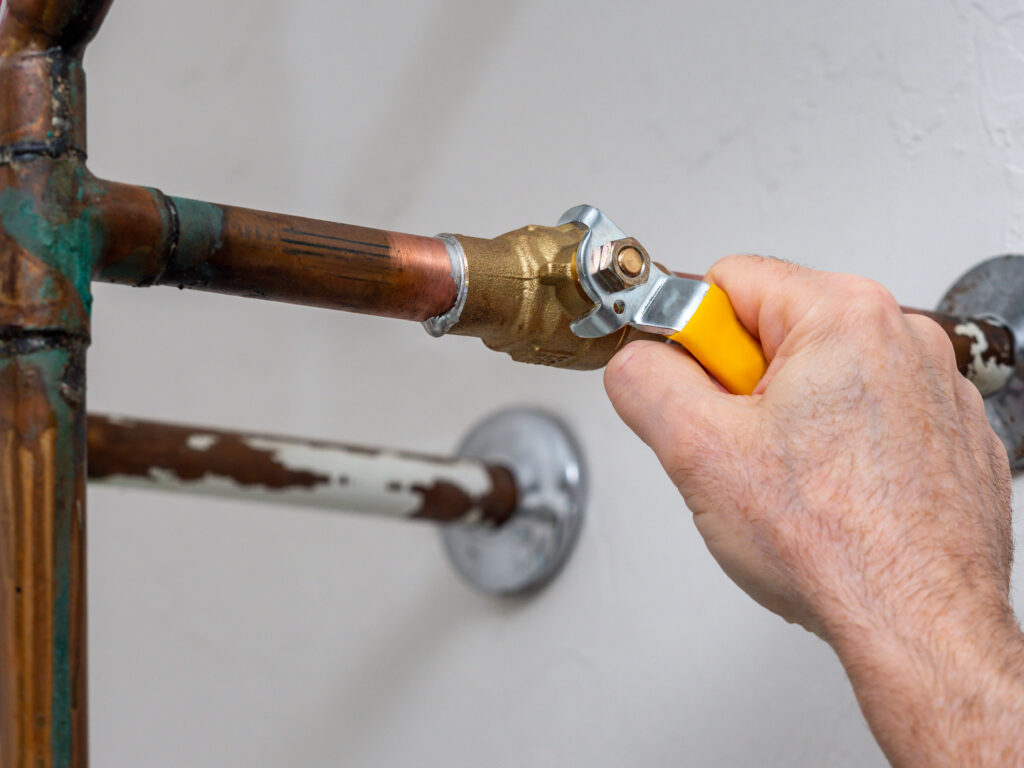
The main water shut off valve is the single control point that stops all water from flowing into your home from the municipal supply line or private well. Think of it as the master switch for your entire plumbing system. When a pipe bursts, a water heater fails catastrophically, or a fixture starts leaking beyond control, turning off this valve stops the flow of water to the entire house immediately. Without knowing where it is, a minor plumbing event can turn into thousands of dollars in water damage in a very short amount of time. The valve itself is typically a gate valve, which requires multiple turns to open or close, or a ball valve, which operates with a simple quarter-turn of the handle. Ball valves are more common in newer construction and are generally considered more reliable for emergency use because they respond quickly.
Common Locations for the Main Water Shut Off Valve in a Home
Location varies depending on your home’s age, region, and construction type, which is exactly why homeowners need to go look for it rather than assume. In colder climates, the valve is usually located inside the home to protect it from freezing temperatures. Common indoor locations include the basement, crawl space, utility room, or near the water heater. In warmer climates, it is often found outside the home, either attached to an exterior wall or in an in-ground box near the street, sometimes referred to as the curb stop. Here is a quick reference for where to check first:
- Along the front-facing interior wall of the basement, near where the supply line enters the foundation
- In a utility closet or mechanical room near the water heater or HVAC system
- Under the kitchen sink in some older homes, though this is less common for the main valve
- In an exterior-mounted access panel on the side of the home facing the street
- Inside an in-ground meter box near the curb, typically covered by a metal or plastic lid flush with the ground
If you genuinely cannot locate the valve after checking these areas, your home inspection report is a good place to look. The inspector typically documents the location. Your local water utility can also help you identify where the street-side shutoff is located if the interior valve cannot be found.
How the Main Shut Off Valve Works
Once you find it, the operation is straightforward. For a gate valve, you turn it clockwise to close and counterclockwise to open — the classic righty-tighty, lefty-loosey principle. Gate valves require several full rotations to fully close and can sometimes become difficult to turn if they have not been used in years. For a ball valve, a quarter-turn so that the handle runs perpendicular to the pipe means the water is off. A handle running parallel to the pipe means the water is flowing. Ball valves are faster in an emergency and tend to remain functional even after extended periods of no use. It is worth knowing which type you have before you actually need to use it under stress.
Why You Should Test Your Shut Off Valve Regularly
This is where many homeowners fall short. Finding the valve is only part of the task. Testing it periodically — at least once a year — ensures it will actually function when you need it most. Valves that sit untouched for years can seize, corrode, or become nearly impossible to operate. A gentle full turn and return to the open position once a year keeps the mechanism from freezing up. If the valve feels unusually stiff, leaks slightly around the stem when tested, or will not turn at all, that is a signal to call a licensed plumber before a real emergency makes the situation worse. Do not force a stuck valve. Applying excessive pressure to an aging gate valve can break it entirely.
Secondary Shut Off Valves and When to Use Them
Beyond the main valve, your home likely has individual shut off valves at each fixture and appliance. These are the smaller valves located under sinks, behind toilets, and behind washing machines. Knowing where these are can help you isolate a specific problem without cutting water to the entire house. A leaking toilet, for example, does not require shutting off water to the kitchen. Using the fixture-level valve is a more targeted response. That said, the main valve is still the one that matters most in a widespread emergency or when you cannot quickly access a fixture-level valve. Both levels of control work together as a complete system.
What Happens When the Shut Off Valve Fails or Is Part of a Larger Plumbing Issue
Valve failures, burst pipes, and unexpected plumbing breakdowns are among the most stressful and expensive events a homeowner can face. Water damage moves fast and the costs can escalate quickly once flooring, drywall, and personal property become involved. A failed or corroded shut off valve itself may need to be replaced, which typically requires the water utility to shut off the supply at the street. These are not always significant expenses on their own, but they are part of a broader reality that plumbing systems age, wear out, and fail in ways that are hard to predict. Preparing for that reality is a smart part of responsible homeownership.
Practical Tips for Homeowners to Stay Prepared
A little preparation goes a long way when it comes to your home’s water system. There are a few straightforward actions that can reduce the impact of a plumbing emergency significantly:
- Label the main shut off valve clearly so any household member or house sitter can find and operate it without a guided tour
- Share the valve location with everyone living in the home, including older children
- Keep a pipe wrench or adjustable pliers accessible near the valve if it is a gate valve that tends to be stiff
- Take a photo of the valve and its location and store it in your phone’s notes for quick reference or to share with a plumber remotely
- If your home is older, have a licensed plumber inspect the main valve condition during any routine plumbing visit
How a Home Warranty Connects to Your Plumbing System
Understanding your plumbing system is foundational, but even informed homeowners cannot prevent every failure. Plumbing components wear out. Supply lines degrade. Valves corrode. The connection between knowing your system and protecting it financially is where a home warranty becomes a genuinely useful tool. Home warranties are service contracts that cover the repair or replacement of major systems and appliances when they fail due to normal wear and tear. Plumbing coverage under a home warranty can include interior supply lines, shut off valves, and more depending on the plan. It does not replace homeowners insurance, which covers sudden damage events, but it does address the gradual failures that insurance typically excludes. For many homeowners, the combination of both provides meaningful peace of mind.
Why Armadillo Is Worth Considering for Your Home Warranty Needs
When your main shut off valve finally gives out or a plumbing issue surfaces in the middle of an otherwise ordinary Tuesday, the last thing you want is to be figuring out coverage options on the fly. Armadillo exists to make home protection feel less complicated and more dependable. As a home warranty provider that covers plumbing systems and essential home components, Armadillo is built around the idea that homeowners deserve straightforward coverage without the fine print frustration. The process is designed to be transparent, the plans are structured to reflect how real homes actually work, and the support is there when you actually need it. If you are ready to stop hoping nothing goes wrong and start knowing you are covered, you can get a free home warranty quote that includes plumbing system protection and see exactly what fits your home and your budget. Protecting what you already know about your home starts with having a plan behind it.
Frequently Asked Questions About the House Water Shut Off Valve
Where is the main water shut off valve typically located in a house?
In colder climates, it is most often found inside the home near the front foundation wall, in a basement, crawl space, or utility room. In warmer climates, it may be on an exterior wall or in an in-ground meter box near the street.
How do I turn off the main water supply to my house?
If you have a ball valve, turn the handle a quarter-turn so it sits perpendicular to the pipe. If you have a gate valve, turn it clockwise until it stops. Both actions will stop water from entering the home.
What is the difference between a gate valve and a ball valve?
A gate valve requires multiple full rotations to open or close and can become stiff over time. A ball valve operates with a single quarter-turn and is generally more reliable and faster to use in an emergency.
How often should I test my main water shut off valve?
Once a year is a reasonable standard. Gently turning the valve through its full range of motion and returning it to the open position helps prevent it from seizing due to long periods of inactivity.
What should I do if the main water shut off valve is stuck or will not turn?
Do not apply excessive force, as this can damage or break an aging valve. Contact a licensed plumber to assess and replace it. Your water utility may need to shut off supply at the street to complete the repair safely.
Can I shut off water to just one fixture without turning off the main valve?
Yes. Most fixtures and appliances have individual shut off valves located nearby, such as under sinks, behind toilets, and behind washing machines. These allow you to isolate the problem without affecting water service to the rest of the home.
What happens if I cannot find the main water shut off valve in my home?
Check your home inspection report if you have one, as it typically documents the valve location. You can also contact your local water utility for guidance on locating the street-side shutoff, or have a plumber conduct a walkthrough to identify and label it.
Does a home warranty cover the main water shut off valve?
It depends on the plan and provider. Some home warranty plans include interior plumbing components such as shut off valves and supply lines under their plumbing system coverage. Reviewing the specific terms of a plan before purchasing is always recommended.
How is a home warranty different from homeowners insurance when it comes to plumbing?
Homeowners insurance typically covers sudden and accidental damage, such as a pipe that bursts due to freezing. A home warranty covers mechanical failures from normal wear and tear, such as a corroded valve or a deteriorating supply line. The two types of coverage are complementary rather than redundant.
Should I label my main water shut off valve after I find it?
Absolutely. Labeling it clearly ensures that any person in the household, a house sitter, or an emergency responder can locate and operate it quickly without prior knowledge of where it is or how it works.