What Is a Whole-House Water Filtration System and Do You Actually Need One?
There is a moment most homeowners eventually have — you notice a faint smell coming from the tap, or you see a chalky residue building up around the faucet, and suddenly you are wondering what exactly is in your water. It is a fair question. Municipal water treatment does a solid job of removing pathogens, but it does not eliminate everything. Sediment, chlorine, heavy metals, and hard mineral deposits can all make it through to your tap. That is where whole-house water filtration systems come in. This is one of those home upgrades that does not get talked about nearly enough, and once you understand how it works, it is hard to ignore.
What Is a Whole-House Water Filtration System?
A whole-house water filtration system — sometimes called a point-of-entry system — is installed where the main water line enters your home. Unlike a countertop pitcher filter or an under-sink unit, this system treats every drop of water that flows into your house. That includes your showers, laundry, dishwasher, garden hose, and every faucet in between. The goal is to filter water before it reaches any fixture, appliance, or person. It is a proactive approach rather than a reactive one, and for many homeowners, the difference is immediately noticeable.
How Does a Whole-House Water Filtration System Work?
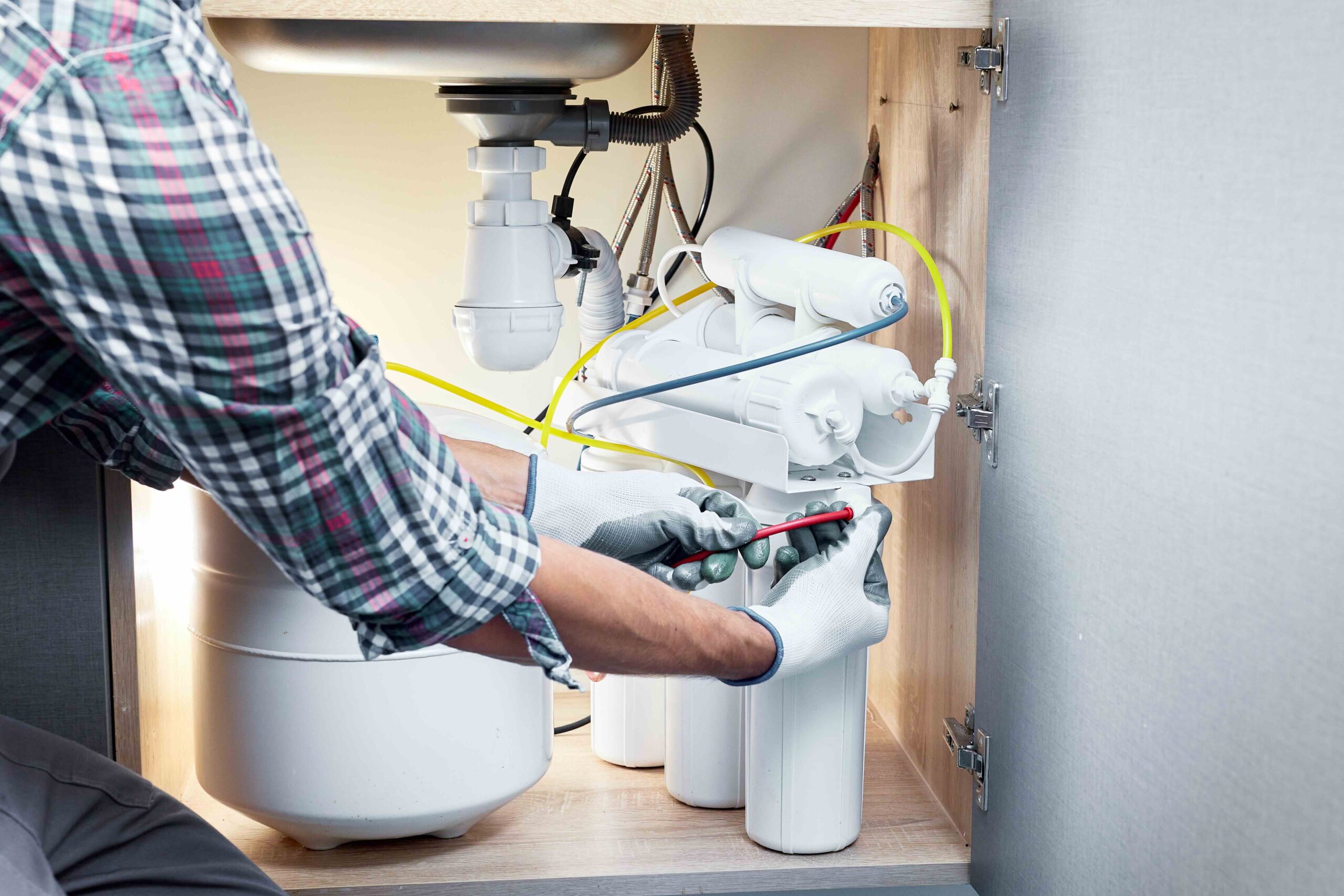
Most systems use a multi-stage filtration process, and the exact stages depend on the type of system you choose. At a high level, here is what typically happens. Water from the main supply line enters a pre-filter stage that catches large particles like sediment, rust, and silt. From there, it moves through one or more treatment stages — often activated carbon filters that reduce chlorine, chloramines, and volatile organic compounds. Some systems include a water softener stage to address hard water minerals like calcium and magnesium. Others add a UV purification component to neutralize bacteria and viruses. The treated water then flows through the rest of your home’s plumbing system as usual. It is a fairly seamless process once installed, and most systems require minimal interaction from the homeowner on a day-to-day basis.

The Different Types of Whole-House Filtration Systems
Not every home has the same water quality concerns, and that is why there are several categories of whole-house systems available. Understanding the differences helps you match the right technology to your actual needs rather than overspending on features you do not need or underspending and missing the problem entirely.
- Sediment filters: Best for homes with well water or older pipes that introduce particulate matter into the supply.
- Activated carbon filters: Excellent for reducing chlorine, odors, and taste issues common in municipal water.
- Water softeners: Target hard water minerals that damage appliances, leave deposits on fixtures, and dry out skin and hair.
- UV purification systems: Ideal for homes on well water or in areas with biological contamination concerns.
- Reverse osmosis whole-house systems: High-performance filtration that removes a wide range of contaminants, though more expensive to install and maintain.
Key Advantages of Installing a Whole-House Water Filter
The benefits here extend well beyond cleaner drinking water, and that is what makes this system genuinely worthwhile to consider. When all the water in your home is filtered, your appliances — water heater, dishwasher, washing machine — are protected from scale buildup and sediment damage. Your skin and hair benefit from showering in water without excess chlorine. Your plumbing fixtures last longer. Laundry comes out cleaner and softer. And yes, your drinking water tastes and smells noticeably better. For homeowners who have dealt with hard water damage to appliances, the appliance protection angle alone can make this investment worthwhile from a long-term cost perspective.
Common Drawbacks You Should Know About
No home system is without its trade-offs, and being upfront about the limitations helps you plan appropriately. Whole-house filtration systems carry a higher upfront installation cost compared to point-of-use filters. Depending on the type and complexity, installation can run anywhere from a few hundred dollars to several thousand. Filter cartridges and UV bulbs require periodic replacement, adding ongoing maintenance costs. Some systems — particularly water softeners that use salt — require regular replenishment and generate wastewater during the regeneration cycle. And if the system is not properly sized for your home’s water usage and flow rate, you may experience reduced water pressure. These are not dealbreakers, but they are real considerations that belong in your planning process.
How to Know If Your Home Actually Needs One
The honest answer is that not every home needs the same level of filtration. If you are on a municipal supply with no noticeable taste or odor issues, a simpler point-of-use filter might cover your needs just fine. However, if you are on well water, live in an older home with aging pipes, notice white scale buildup on fixtures, experience dry skin after showering, or frequently replace appliances due to hard water damage, a whole-house system is worth a serious look. The most reliable starting point is a water quality test. Many municipalities publish annual water quality reports, but a home test kit or a professional water analysis will give you a much more accurate picture of what is actually in your supply and what type of filtration would address it.
Practical Tips for Homeowners Considering This Upgrade
- Start with a water quality test before purchasing any system — knowing your contaminants determines your filtration strategy.
- Check your home’s water flow rate and pressure before sizing a system, as undersized filters can restrict flow.
- Compare the total cost of ownership, not just the purchase price — factor in filter replacements and maintenance over five years.
- Hire a licensed plumber for installation; improper installation can lead to leaks, pressure problems, or reduced system effectiveness.
- Set calendar reminders for filter changes — most cartridges need replacement every three to twelve months depending on usage and water quality.
How Whole-House Filtration Relates to Your Home Warranty Coverage
This is a detail that tends to catch homeowners off guard. Most standard home warranty plans cover core plumbing systems, but whole-house water filtration systems are often treated as add-ons or excluded entirely depending on the provider. If you are investing in a filtration system, it is worth reviewing your home warranty policy carefully to understand what is and is not covered. Knowing where your coverage ends helps you budget appropriately for out-of-pocket maintenance costs and decide whether additional protection makes sense for your situation. Filtration systems are mechanical, they have components that wear out, and having a plan in place before something fails is always the smarter move.
Why Armadillo Is the Right Partner for Protecting Your Home’s Systems
When you invest in something like a whole-house water filtration system, you are making a commitment to your home’s long-term health — and that kind of investment deserves equally thoughtful protection. Armadillo is built for homeowners who take their homes seriously. As a trusted home warranty provider for whole-home system protection, Armadillo offers straightforward coverage with none of the fine-print frustration that tends to follow homeowners around with other providers. Whether it is your plumbing, your HVAC, or the appliances working hard every single day, Armadillo is designed to have your back when something goes wrong. The best time to get coverage is before you need it, and the process is easier than you might think — you can get a free home warranty quote for your water and plumbing systems in just a few minutes. Protecting what you have built should never be complicated.

Frequently Asked Questions About Whole-House Water Filtration Systems
Answers to the questions homeowners ask most often about whole-house water filtration systems.
What does a whole-house water filtration system remove from water?
Depending on the type of system, a whole-house filter can remove sediment, rust, chlorine, chloramines, volatile organic compounds, heavy metals, hard water minerals, and in some cases bacteria and viruses. The specific contaminants addressed depend on the filtration technology used.
How much does a whole-house water filtration system cost to install?
Installation costs vary widely based on system type and home size. Basic sediment or carbon filter systems may cost between $300 and $1,000 installed, while comprehensive multi-stage or reverse osmosis systems can range from $1,500 to $5,000 or more with professional installation.
How often do whole-house water filters need to be replaced?
Filter replacement schedules depend on the system type and your home’s water quality and usage. Most sediment and carbon pre-filters need replacement every three to six months, while other cartridges may last six to twelve months. UV bulbs typically need annual replacement.
Will a whole-house water filter reduce my water pressure?
A properly sized and maintained system should not cause noticeable pressure loss. However, an undersized system, a clogged filter that has not been replaced on schedule, or improper installation can restrict water flow and reduce pressure throughout the home.
Is a water softener the same as a whole-house water filter?
No, they are different systems that address different problems. A water softener specifically targets hard water minerals like calcium and magnesium through an ion exchange process. A water filtration system addresses a broader range of contaminants. Many homeowners use both in combination for comprehensive water treatment.
Can a whole-house water filter work with well water?
Yes, and it is often especially important for well water homes. Well water is not treated by a municipality, so it can contain higher levels of sediment, iron, bacteria, and other contaminants. A properly specified whole-house system can address these concerns effectively.
Does a home warranty cover whole-house water filtration systems?
Coverage varies by provider and plan. Some home warranty companies include water filtration systems as part of plumbing coverage, while others treat them as optional add-ons or exclude them entirely. Reviewing your specific policy terms is essential before assuming coverage exists.
How do I know which type of whole-house water filter is right for my home?
Start with a professional or home water quality test to identify the specific contaminants in your water supply. The results will guide you toward the right filtration technology. A licensed plumber or water treatment specialist can also help match the system to your home’s flow rate and usage needs.
Are whole-house water filtration systems difficult to maintain?
Maintenance is generally straightforward but requires consistency. Most systems require periodic filter cartridge replacements and occasional system inspections. Setting up a maintenance schedule when the system is installed makes it much easier to stay on top of over time.
Does filtered water from a whole-house system actually taste different?
Most homeowners report a noticeable improvement in the taste and odor of their water after installing a whole-house carbon or multi-stage filtration system. The reduction in chlorine and organic compounds is the primary driver of that improvement in taste and smell.