Why Does My Breaker Keep Tripping? Here Is What Is Actually Going On
So the breaker tripped again. Maybe it happened in the middle of cooking dinner, or right when you finally sat down to watch something. Whatever the moment was, it is frustrating, and if it keeps happening, it is worth paying real attention to. A circuit breaker that trips once in a while is just doing its job. A circuit breaker that trips repeatedly is trying to tell you something, and that message is usually not a small one. This guide breaks down everything a homeowner should understand about why breakers trip, what the common causes are, how serious the issue might be, and when it is time to stop troubleshooting and call a professional. If you have a home warranty, some of this might already be covered, and that matters too.
What a Circuit Breaker Actually Does
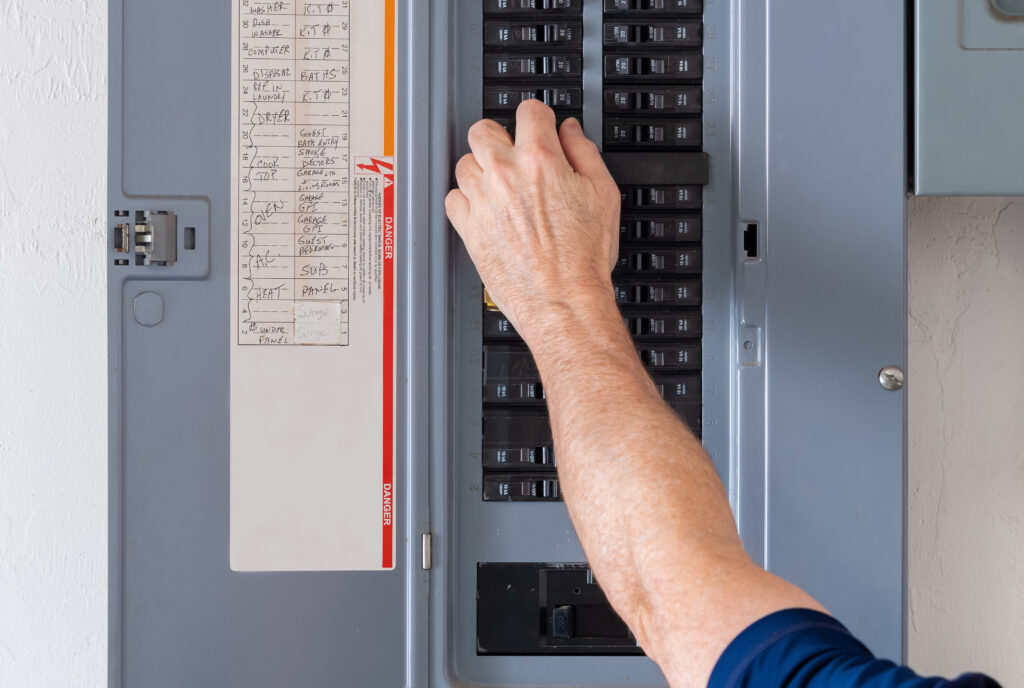
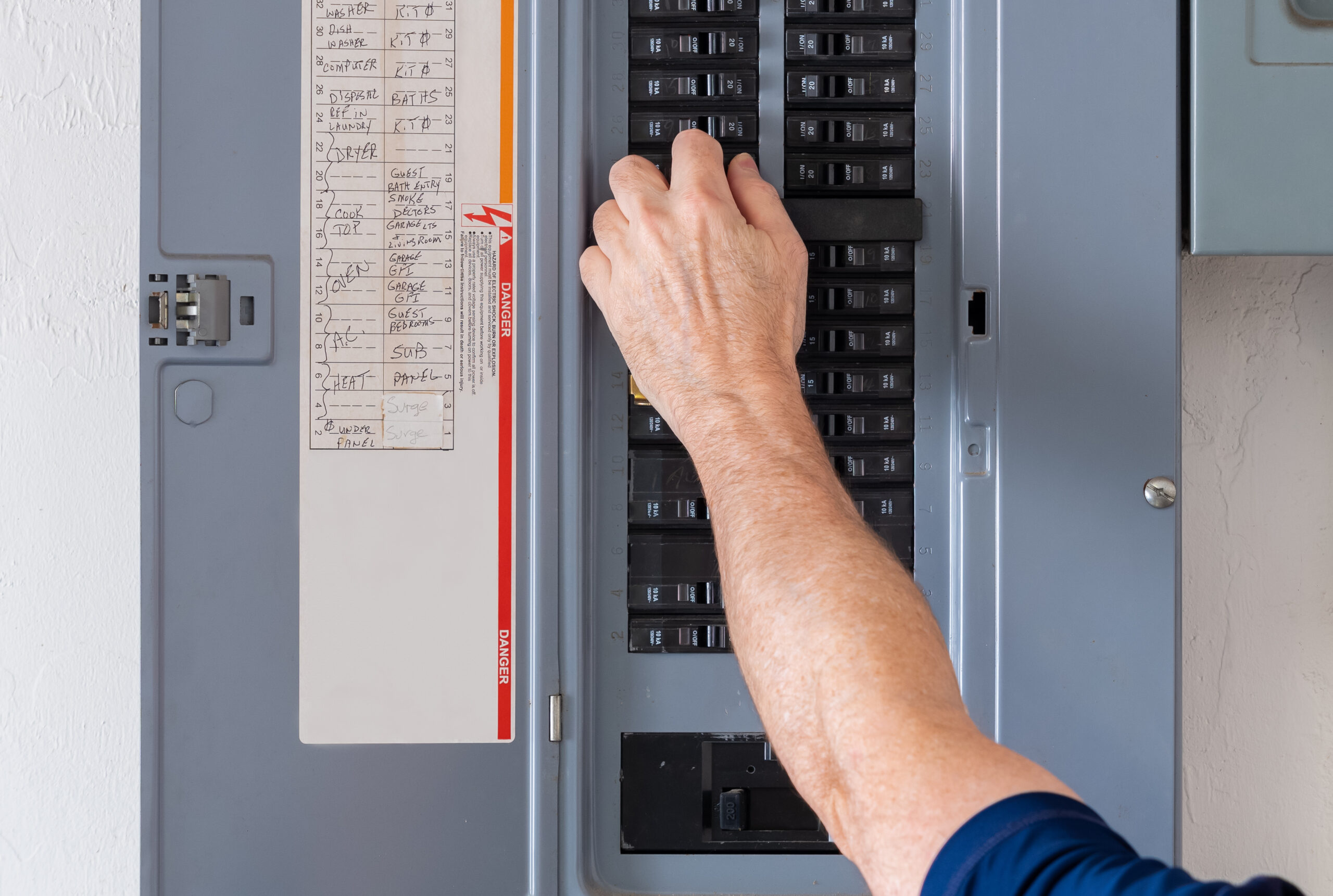
Before diving into what goes wrong, it helps to understand what the breaker is supposed to do. A circuit breaker is a safety device built into your electrical panel that monitors the flow of electricity through a circuit. When too much current runs through that circuit, the breaker trips, cutting off power before the wiring overheats, sparks, or causes a fire. Think of it as a built-in protection system that stops a bad situation before it becomes a dangerous one. Every breaker in your panel is rated for a specific amperage, which is the maximum amount of electrical current that circuit can safely carry. When demand exceeds that limit, the breaker opens the circuit and shuts things down. That is not a malfunction. That is exactly what it is designed to do.

The Most Common Reasons a Breaker Keeps Tripping
There are three primary causes behind a breaker that trips repeatedly, and each one has a different level of urgency attached to it.
- Overloaded circuit: Too many devices drawing power from the same circuit at the same time. This is the most common cause and often the most fixable.
- Short circuit: A hot wire comes into contact with a neutral wire, causing a sudden spike in current. This can happen inside an outlet, appliance, or within the wiring itself.
- Ground fault: Similar to a short circuit, but the hot wire contacts a ground wire or grounded surface. Common in bathrooms and kitchens where moisture is present.
- Faulty breaker: The breaker itself may be worn out, damaged, or simply reaching the end of its useful life.
- Arc fault: Electrical arcing caused by damaged or deteriorating wiring, which modern AFCI breakers are specifically designed to detect and interrupt.
Each of these situations calls for a different response. An overloaded circuit might just mean redistributing your appliances. A short circuit, ground fault, or arc fault can point to wiring issues that require a licensed electrician to address safely.
Overloaded Circuits: The Everyday Culprit
If your breaker trips in the kitchen every time you run the microwave and the toaster at the same time, you are probably dealing with an overloaded circuit. Most kitchen circuits are rated for 15 or 20 amps, and high-draw appliances can max that out fast. The fix is sometimes as simple as plugging devices into different outlets that run on separate circuits. But if your home’s electrical system was designed for a different era, you may have too few circuits to support modern appliance usage, and that is a longer conversation with an electrician about upgrading your panel.
Short Circuits and Ground Faults: When the Problem Is in the Wiring
Short circuits and ground faults are more serious than overloads. They happen when something goes wrong inside the electrical pathway itself, whether that is damaged insulation, a loose wire connection, or moisture finding its way into the wrong place. If your breaker trips immediately when you reset it, or if you notice a burning smell, scorch marks around an outlet, or a warm panel, stop resetting the breaker and contact a licensed electrician right away. These are not situations where a wait-and-see approach is appropriate. Wiring issues can escalate quickly, and the consequences extend well beyond a tripped breaker.
When the Breaker Itself Is the Problem
Breakers are not immortal. They are mechanical devices with a lifespan, and over time they can wear out, weaken, or simply fail to hold a load they should be able to handle. If you have ruled out an overloaded circuit and there are no signs of wiring damage, the breaker itself might be faulty. A breaker that trips under normal load, feels hot to the touch, or fails to reset properly may need to be replaced. This is a job for a qualified electrician, not a DIY project, because working inside an electrical panel carries real risk even when the main power is off.
Practical Steps You Can Take Right Now
Not everything requires a professional, at least not immediately. There are some reasonable steps to take when a breaker trips before assuming the worst.
- Identify what was running when the breaker tripped and determine whether too many high-draw appliances shared the same circuit.
- Unplug devices from the affected circuit before resetting the breaker.
- Reset the breaker by switching it fully to the off position first, then back to on. Some breakers require that middle step before they will reset.
- Check the appliance itself. A malfunctioning device can cause repeated trips. Try plugging it into a different circuit to see if the issue follows the appliance.
- Note the frequency and pattern of trips. Random and infrequent trips may just be overloads. Consistent trips with no obvious cause warrant professional evaluation.
How Home Age and Panel Condition Factor In
Older homes carry older electrical systems, and that changes the conversation significantly. Panels with outdated components, undersized service capacity, or original wiring from decades past may not meet the demands of a modern household. If your home is more than 30 years old and you have never had the electrical panel inspected, it is worth scheduling that inspection. Some older panels have known issues that go beyond nuisance tripping and fall into genuine safety concern territory. A professional assessment can tell you whether you are looking at a minor adjustment or a full panel upgrade.

How a Home Warranty Fits Into This Picture
Here is where things get interesting from a homeownership standpoint. Electrical systems are one of the more expensive categories of home repair, and they are also one of the less predictable ones. A home warranty that covers electrical systems can provide meaningful financial protection when a tripping breaker turns out to be a symptom of a larger issue. If your breaker needs replacement, your wiring has a fault, or your panel requires service, having a warranty in place means those repair costs may be covered rather than coming out of pocket. The key is understanding what your warranty actually covers and making sure electrical is explicitly included.
If you want real protection from the kinds of electrical problems that catch homeowners off guard, Armadillo home warranty plans built for electrical system coverage are worth a serious look. Armadillo approaches home protection without the runaround that frustrates so many homeowners when they finally need to use their plan. Transparent coverage, straightforward claims, and a process that actually works when your breaker keeps tripping and the problem turns out to be bigger than expected. If you want to see what coverage looks like for your specific home, you can get a free home warranty quote for electrical and system protection in just a few minutes. No pressure, just a clear picture of what you would have in your corner when something goes wrong.
Frequently Asked Questions About Breakers That Keep Tripping
Is it safe to keep resetting a breaker that keeps tripping?
Resetting a breaker once is reasonable. If it trips again immediately or continues tripping under normal use, stop resetting it and call a licensed electrician. Repeated resetting without identifying the cause can be dangerous.
How do I know if my breaker is overloaded versus faulty?
An overloaded breaker typically trips when multiple high-draw appliances run at the same time. A faulty breaker may trip under normal load, feel warm, or fail to reset properly. If reducing the load on the circuit does not stop the tripping, the breaker itself may need to be replaced.
Can a single appliance cause a breaker to keep tripping?
Yes. A malfunctioning appliance with an internal short or wiring defect can draw excess current and repeatedly trip a breaker. Try the appliance on a different circuit. If the problem follows the appliance, the appliance is the likely cause.
What is the difference between a short circuit and a ground fault?
A short circuit occurs when a hot wire contacts a neutral wire, creating an unintended path for current. A ground fault occurs when a hot wire contacts a grounded surface or ground wire. Both cause sudden current spikes and immediate breaker trips, and both require professional evaluation.
How long do circuit breakers typically last?
Most circuit breakers are rated for a service life of 30 to 40 years, though individual performance varies based on usage, environment, and quality. Older breakers may become unreliable sooner, especially in homes with high electrical demand.
Does a home warranty cover circuit breaker replacement?
It depends on the specific plan. Many home warranty plans include electrical system coverage that covers breaker replacement and panel repairs. Always review the terms carefully to confirm what is and is not included before assuming coverage.
What does it mean when a breaker trips but will not reset?
A breaker that will not reset is usually a sign that the fault condition still exists on the circuit, or the breaker itself has failed. Do not force it. Have a licensed electrician diagnose the issue before attempting further resets.
Should I be worried about a burning smell near my electrical panel?
Yes. A burning smell near your electrical panel is a serious warning sign that should not be ignored. It can indicate overheating wiring, a failing breaker, or other conditions that pose a fire hazard. Contact a licensed electrician immediately.
Can I replace a circuit breaker myself?
Technically it is possible for a knowledgeable person to replace a breaker, but it is not recommended as a DIY task. Electrical panels carry potentially lethal voltages even when the main breaker is off, and improper installation can create serious hazards. This work should be performed by a licensed electrician.
When does a tripping breaker mean I need to upgrade my electrical panel?
If your panel is consistently overloaded, showing signs of age or damage, or unable to meet your household’s electrical demand without frequent trips, a panel upgrade may be necessary. An electrician can assess whether your current system is adequate or whether a larger service capacity is needed.