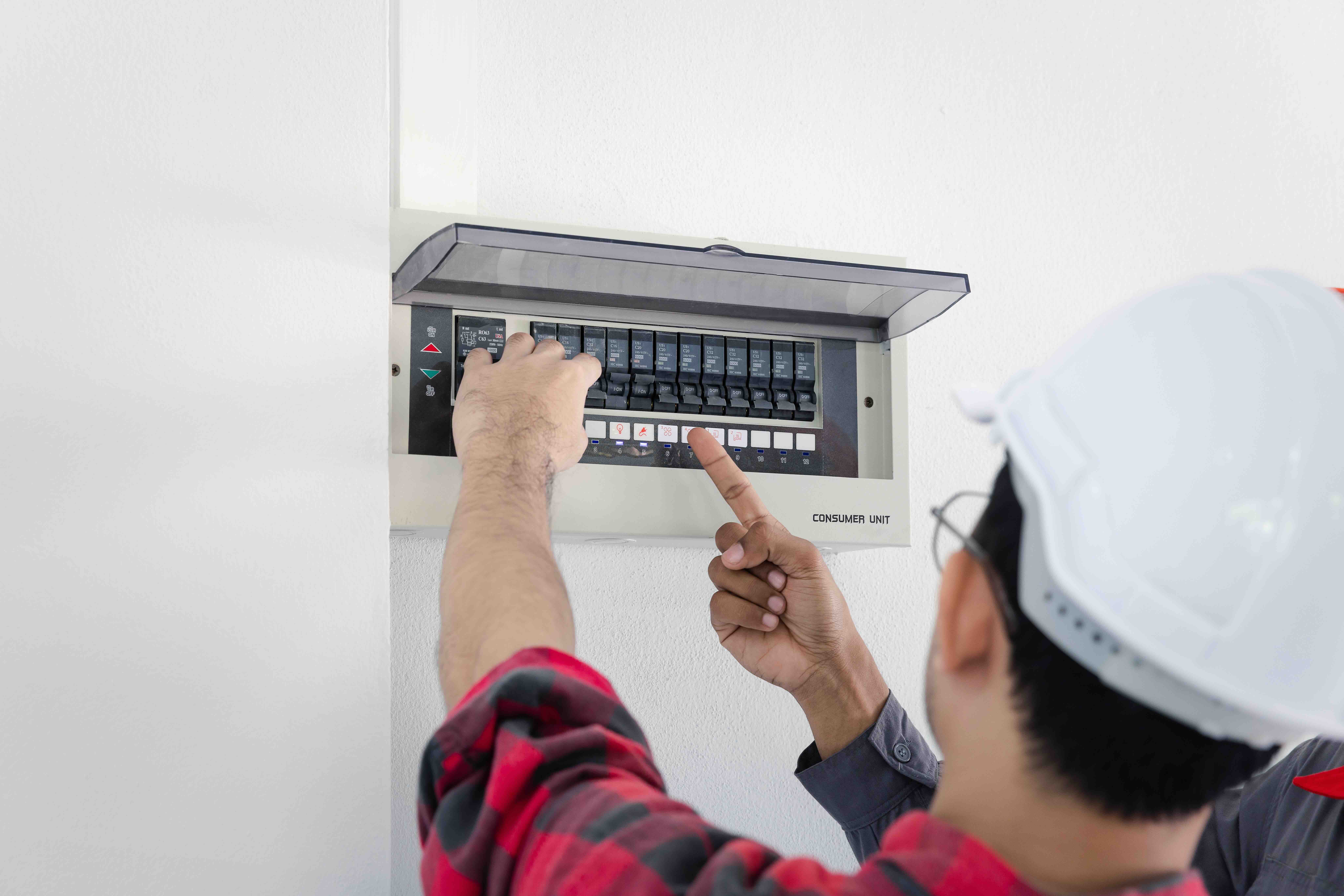
Why Your Main Power Breaker Keeps Tripping — And What to Do About It
When the main power breaker in your home keeps tripping, it’s more than just an inconvenience. It’s disruptive, frustrating, and potentially dangerous. Most homeowners don’t spend much time thinking about how electricity moves through their home—until something interrupts it. A tripped main breaker is the electrical system’s way of saying, “Something’s not right.” Understanding why it happens, what it means, and how to respond helps you protect your home, your appliances, and your peace of mind.
What Is a Main Power Breaker?
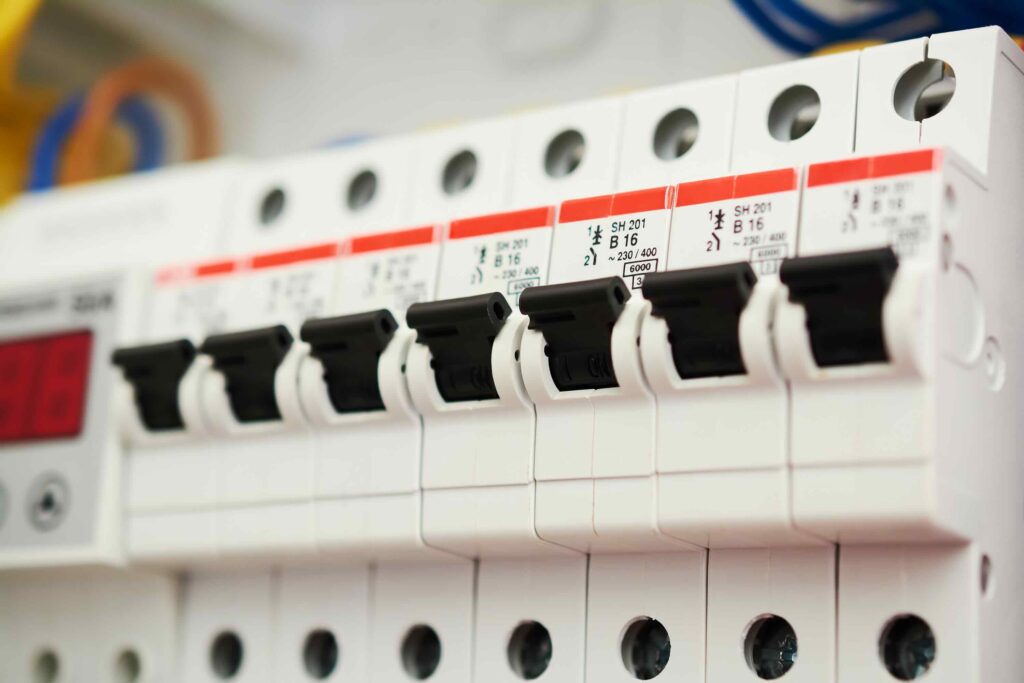
The main power breaker is a critical part of your home’s electrical panel. It acts as the gatekeeper for all electricity coming into your home. Located at the top of your circuit breaker box, this large switch interrupts electrical current when voltage exceeds safe levels. It serves both as a shutoff switch for the entire electrical system and as a protective mechanism that prevents overheating, circuit overload, or fire risks.
In practical terms, that breaker is your home’s first line of defense against electrical hazards. When it trips, it means too much electrical current is flowing through and the system has responded by cutting power to prevent damage or danger. In the home warranty world, repeated tripping of the main breaker signals an underlying issue that may require professional evaluation and repair. Still, there are a handful of common causes homeowners should understand.
How the Main Breaker Works
To grasp why the main breaker trips, you first need to understand how it works inside the electrical panel. The electric utility sends power to your home through the service line and into your electrical panel. Here, the main breaker routes that electricity across individual circuits throughout your home—kitchen outlets, lights, HVAC system, etc. Each of those circuits has its own breaker, but the main breaker governs them all. When voltage spikes or current exceeds safe operating loads, the breaker trips—or flips to the “off” position—cutting off the flow of electricity completely.
Circuit breakers work using either a thermal or electromagnetic process. Thermal breakers use a bimetallic strip that bends under excess heat, tripping the breaker. Electromagnetic breakers trip when the magnetic field from excessive electrical flow activates a switch. In either case, the tripping mechanism is an intentional safety response meant to prevent bigger problems.
Common Causes of a Tripped Main Breaker
While there’s a variety of reasons why the main breaker could trip, several problems occur more frequently than others. Overloaded circuits are the most common. This happens when multiple high-power devices (like a dryer, oven, and HVAC system) operate simultaneously, drawing more current than the breaker can handle. Short circuits are another danger—caused when a hot wire touches a neutral or ground wire, allowing current to flow without resistance and overloading the system. A ground fault, which is similar, occurs when current escapes the path intended for it and contacts a grounded surface, such as a metal appliance casing or conduit.
Sometimes, the breaker itself is to blame. Just like anything in the home, breakers wear out over time due to age or exposure to heat. A failing or loose main breaker may trip even under normal operation. Alternatively, wiring issues—whether from original installation or later degradation—can escalate the risk of fire, shock, or loss of power and often cause an otherwise healthy breaker to trip as a protective measure.
Signs You Shouldn’t Ignore
If your main breaker trips once, and then everything functions normally after being reset, you can chalk it up to a temporary overload. But if it trips repeatedly or randomly, there’s likely a bigger issue at play. Keep an eye on subtle warning signs: flickering lights, buzzing from outlets, appliances running unusually warm, or a burning plastic odor near the electrical panel. These are not just inconvenient—they’re indicators of an unsafe electrical situation that requires immediate attention.
While it’s tempting to reset a tripped breaker and move on, this is a system-level defense mechanism. Repeatedly flipping it back without resolving the root issue isn’t fixing the problem—it’s silencing the alarm. In the home warranty space, we see cases where deferred attention leads to full panel failures, melted wiring, or damaged surge-protected appliances. Each instance could’ve been resolved easily if addressed early.
Why This Matters Now More Than Ever
With homes packed wall-to-wall with electronics—and more families upgrading kitchens, installing home offices, or adding electric vehicle chargers—modern electrical demands are climbing at a rapid rate. Many home systems were designed before these loads were imagined. The result? Older electrical panels now face frequent overloads, and tripped breakers have become more than a rare annoyance. They reflect an infrastructure chafing under modern needs. If your home’s main breaker is tripping, it’s likely trying to tell you something fundamental: your electrical system may need an update.
In addition, an inadequate or failing electrical system can make your home insurance—and yes, even your home warranty—more complicated. Systems expected to perform efficiently but riddled with recurring electrical issues may not qualify for full protection. Ensuring your main breaker and panel are operating correctly is not only a safety measure; it’s a home management decision that protects your investment both short and long term.
What You Can Do as a Homeowner
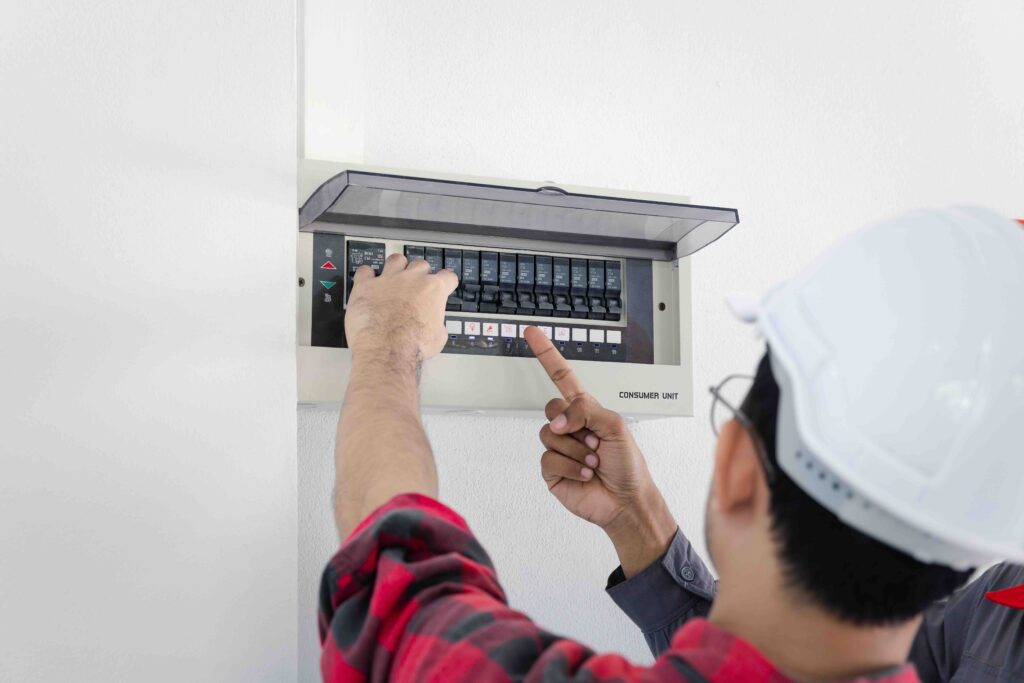
Start by documenting the conditions under which the breaker trips. Do large appliances run at the same time? Is the problem tied to a specific room or device? Keep those notes handy for your electrician. If you’re comfortable doing so and the panel is safe (no sparking, charring, or moisture), check for snap-in breakers that feel loose or appear discolored. Never attempt to remove the main breaker or access the panel wiring unless you’re trained and licensed to do so.
If the system repeatedly trips, call a licensed electrician—not just a handyperson—who can assess the scale of your home’s electrical demand, inspect for faulty breakers or degraded wiring, and recommend either repairs or a service panel upgrade. Homeowners investing in larger-scale renovations or additions would be smart to request a load calculation in anticipation. It’s not just about more power—it’s about safer, smarter power distribution.
How a Home Warranty Helps
This is where things come full circle. If you have a reliable home warranty provider, you don’t have to guess about where to turn. You submit a claim, and the warranty provider sends a licensed technician to diagnose and manage the issue. With electrical systems, identifying and addressing these types of failures early on can prevent catastrophic outcomes and shield you from costly out-of-pocket repairs. Without coverage? Every new tripped breaker becomes a potential financial burden.
A good home warranty doesn’t just protect against the cost of repair; it insulates your household from the stress of system failure. It also ensures that skilled, vetted professionals are assigned to problems when they matter most—when your home’s safety is on the line. Electrical breakdowns don’t wait for convenient hours, and you shouldn’t wait for a savings account to recover to fix them.
Protect Your Electrical System with Armadillo
If your main breaker keeps tripping, don’t wait for bigger problems to arrive. Choosing the right home warranty means having the confidence that help is already lined up. At Armadillo, we specialize in protecting modern homeowners from the costs and disruptions of system failures. With Armadillo, you get fast service, predictable costs, and network-certified professionals who understand every circuit inside your home. Get started at www.armadillo.one or build your personalized plan today at this link. Protect your power, your home, and your future—before the next breaker trip does it for you.