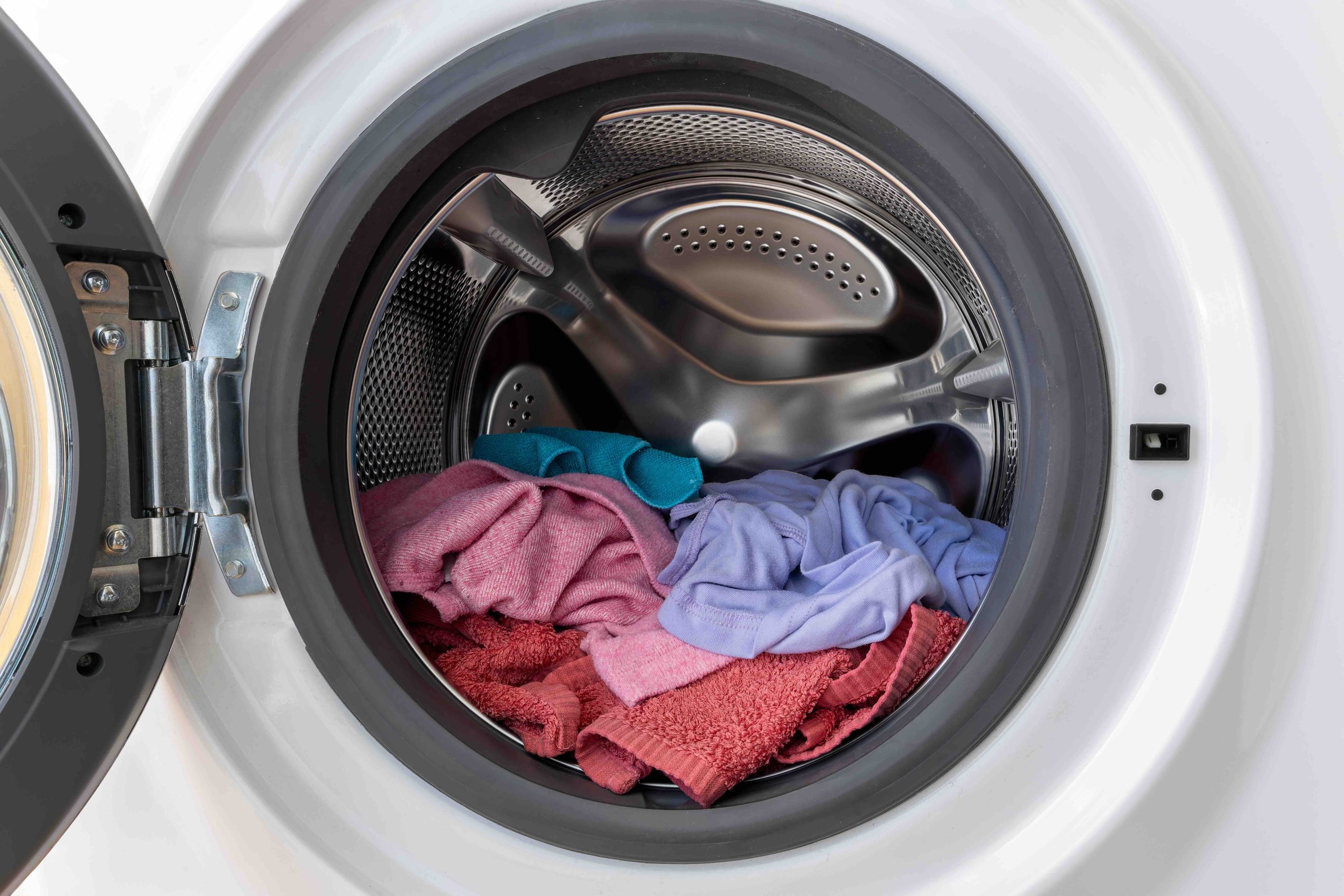
Why Your Washing Machine Keeps Tripping the Circuit Breaker
If your washing machine keeps tripping the circuit breaker, you are not alone, and you are right to take it seriously. This is one of those problems that feels like a minor inconvenience at first, until you realize it might be pointing to something bigger happening behind the scenes. The breaker is not being dramatic. It is doing exactly what it was designed to do, which is protect your home from electrical overloads and potential hazards. The real question is why it keeps firing, and what that means for your washer, your electrical system, and your wallet.
What a Circuit Breaker Actually Does
Before getting into the washing machine side of things, it helps to understand what a circuit breaker is built for. A circuit breaker is a safety switch inside your electrical panel that monitors the flow of electricity through a circuit. When too much current flows through at once, the breaker trips, cutting power automatically. This prevents wiring from overheating, which can cause fires. Each appliance in your home is typically assigned to a circuit with a specific amperage rating, and washing machines usually require a dedicated 20-amp circuit. When something goes wrong and the current spikes above that threshold, the breaker steps in. So when your washer keeps tripping it, the breaker is essentially telling you that something is drawing more power than it should.
The Most Common Reasons a Washing Machine Trips the Breaker
There is rarely just one reason this happens, which makes the diagnosis a little tricky. That said, some causes come up more often than others, and knowing them can help you have a more productive conversation with a technician.
- A failing motor that is drawing excessive current during spin or agitation cycles
- A worn or shorted heating element in washer-dryer combos or warm-water cycles
- A damaged lid switch or door latch that causes irregular power surges
- A faulty control board sending incorrect signals to major components
- Water leaking internally and contacting electrical components, creating a ground fault
- A circuit breaker that is itself worn out and tripping prematurely
- An overloaded circuit where the washer is sharing power with too many other devices
Each of these issues has its own repair path, and some are significantly more expensive than others. The motor and control board replacements tend to sit at the higher end of the cost spectrum, which is worth keeping in mind.
Ground Faults and Why They Matter
One of the more serious causes of a washing machine tripping the circuit breaker is a ground fault. This happens when electricity escapes its intended path and finds an unintended route to ground, often through water, damaged insulation, or a compromised component. In a laundry room environment, moisture is always a factor, and that makes ground faults a real concern. If your washer is leaking internally and that water is touching electrical parts, you have a situation that goes beyond an appliance issue. It becomes a safety hazard. Some homes have GFCI outlets installed near water sources as an added layer of protection. If your washer is plugged into one and it keeps tripping, that is actually the GFCI outlet doing its job, not the main breaker. Either way, the underlying cause needs attention.
When the Problem Is the Breaker Itself
Not every tripping breaker points back to the washing machine. Circuit breakers have a lifespan, and older ones can become weak and sensitive over time, tripping under loads they should handle without any trouble. If your washer is relatively new and in good working condition, and the breaker is still tripping, it may be worth having an electrician evaluate the breaker itself. Replacing a circuit breaker is a relatively straightforward job for a licensed electrician, and it is far less expensive than replacing a washing machine motor. The challenge is that most homeowners assume the appliance is always at fault, so this possibility gets overlooked.
Practical Steps You Can Take Before Calling a Technician
There are a few things worth checking on your own before scheduling a repair appointment. These will not fix the underlying issue, but they can help you narrow down the cause and potentially save time.
- Make sure the washing machine is on its own dedicated circuit and not sharing with other appliances
- Check the area around and beneath the washer for any signs of water leaks or moisture
- Try running the washer on different cycle settings to see if the tripping occurs at a specific point, like spin or heat
- Inspect the power cord for any visible damage, fraying, or burn marks
- Reset the breaker fully and observe whether it trips immediately or only during a specific phase of the wash cycle
These steps are purely observational and are not substitutes for professional diagnosis. Electrical issues inside appliances are not safe DIY territory for most homeowners, and attempting internal repairs without the right knowledge can make things worse or create new hazards.
The Risks of Ignoring the Problem
Resetting the breaker and moving on might feel like the path of least resistance, but repeatedly doing so without addressing the root cause carries real risk. Electrical faults that go unaddressed can degrade wiring over time, create fire hazards, and cause more extensive damage to the washing machine itself. What starts as a tripping breaker can escalate into a burned-out motor, damaged control board, or in serious cases, an electrical fire. The breaker is a symptom indicator, not a solution. Treating it like a reset button is a bit like disabling a smoke alarm instead of finding the smoke.
How Age and Wear Factor Into This Problem
Washing machines are built to handle years of heavy use, but no appliance lasts forever. As internal components age, insulation on wiring degrades, motor brushes wear down, and connections loosen. Any of these conditions can increase electrical resistance or create shorts, both of which push the breaker toward its tripping threshold. If your washer is more than ten years old and this problem is appearing for the first time, age-related wear is a very plausible explanation. This is also the point where the repair-versus-replace conversation starts to make sense. A washing machine nearing the end of its useful life that needs a motor replacement may not be worth the investment, depending on the quote you receive.
What Home Warranty Coverage Means for Washing Machine Electrical Issues
When a washing machine keeps tripping the circuit breaker and the diagnosis points to an internal component failure, the cost of repair can be significant. Motor replacements, control board repairs, and technician labor add up quickly. This is exactly the kind of situation where a home warranty earns its keep. A quality home warranty plan that includes appliance coverage can cover the cost of diagnosing and repairing major washing machine components when they fail due to normal wear and tear. That means instead of absorbing the full cost of a motor replacement out of pocket, you pay a service fee and let the warranty handle the rest. It is a straightforward value proposition for homeowners who want to avoid unexpected repair bills.

Why Armadillo Is Worth Considering When Your Washer Trips the Breaker
When a repair bill lands in your lap because your washing machine keeps failing mid-cycle and tripping breakers, the last thing you want to do is figure out coverage from scratch. Armadillo exists specifically to take that stress off homeowners. As a home warranty provider built to protect appliances and systems from unexpected repair costs, Armadillo offers straightforward plans designed around real homeowner situations, not fine print designed to find reasons to deny claims. If you are tired of wondering whether your washing machine’s next breakdown will cost you hundreds or thousands of dollars, it makes sense to get a home warranty quote that covers washing machine repairs and other major appliance failures before the next problem shows up. Coverage is most valuable before you need it, not after.
Frequently Asked Questions About Washing Machines and Tripping Circuit Breakers
These are the questions homeowners ask most often when dealing with a washing machine that keeps tripping the circuit breaker.
Why does my washing machine trip the circuit breaker only during the spin cycle?
The spin cycle places the highest demand on the washing machine motor. If the motor is failing or drawing excess current under load, the breaker will trip at the moment power demand peaks, which is often during spin.
Is it safe to keep resetting the breaker and running the washing machine?
No. Repeatedly resetting the breaker without addressing the underlying cause can damage internal wiring, accelerate component failure, and in some cases create a fire hazard. The issue should be diagnosed and repaired promptly.
Can a washing machine trip a breaker if it is overloaded with laundry?
Yes. Overloading a washing machine puts additional strain on the motor, which can cause it to draw more current than the circuit is rated for. Reducing load size is a simple first step, though it does not rule out other issues.
How do I know if the problem is the washer or the circuit breaker itself?
A licensed electrician can test the breaker’s integrity and load tolerance. If the breaker trips under normal conditions on other appliances or is visibly damaged, the breaker may be the issue rather than the washing machine.
What does a ground fault have to do with my washing machine tripping the breaker?
A ground fault occurs when electrical current escapes its intended path, often due to moisture or damaged insulation. In washing machines, internal leaks or degraded wiring can create ground faults that immediately trip the breaker as a protective response.
Should a washing machine be on its own dedicated circuit?
Yes. Most washing machines require a dedicated 20-amp circuit. Sharing a circuit with other appliances can cause overloads that trip the breaker, especially when multiple devices run simultaneously.
Can a faulty lid switch or door latch cause the breaker to trip?
In some cases, yes. A malfunctioning switch can cause irregular power surges or prevent the machine from completing a cycle properly, which may contribute to electrical instability that triggers the breaker.
How much does it typically cost to repair a washing machine that keeps tripping the breaker?
Costs vary widely depending on the cause. A simple breaker replacement may cost under one hundred dollars. A motor or control board replacement can range from two hundred to over five hundred dollars, including labor.
Does a home warranty cover washing machine repairs related to electrical component failures?
Many home warranty plans do cover washing machine component failures due to normal wear and tear, including motors and control boards. Coverage specifics vary by plan, so reviewing policy details before purchasing is important.
When should I replace my washing machine instead of repairing it?
If your washing machine is more than ten years old and the repair cost exceeds fifty percent of the replacement cost, replacement is often the more practical choice. Newer machines also tend to be more energy-efficient, which adds long-term value.