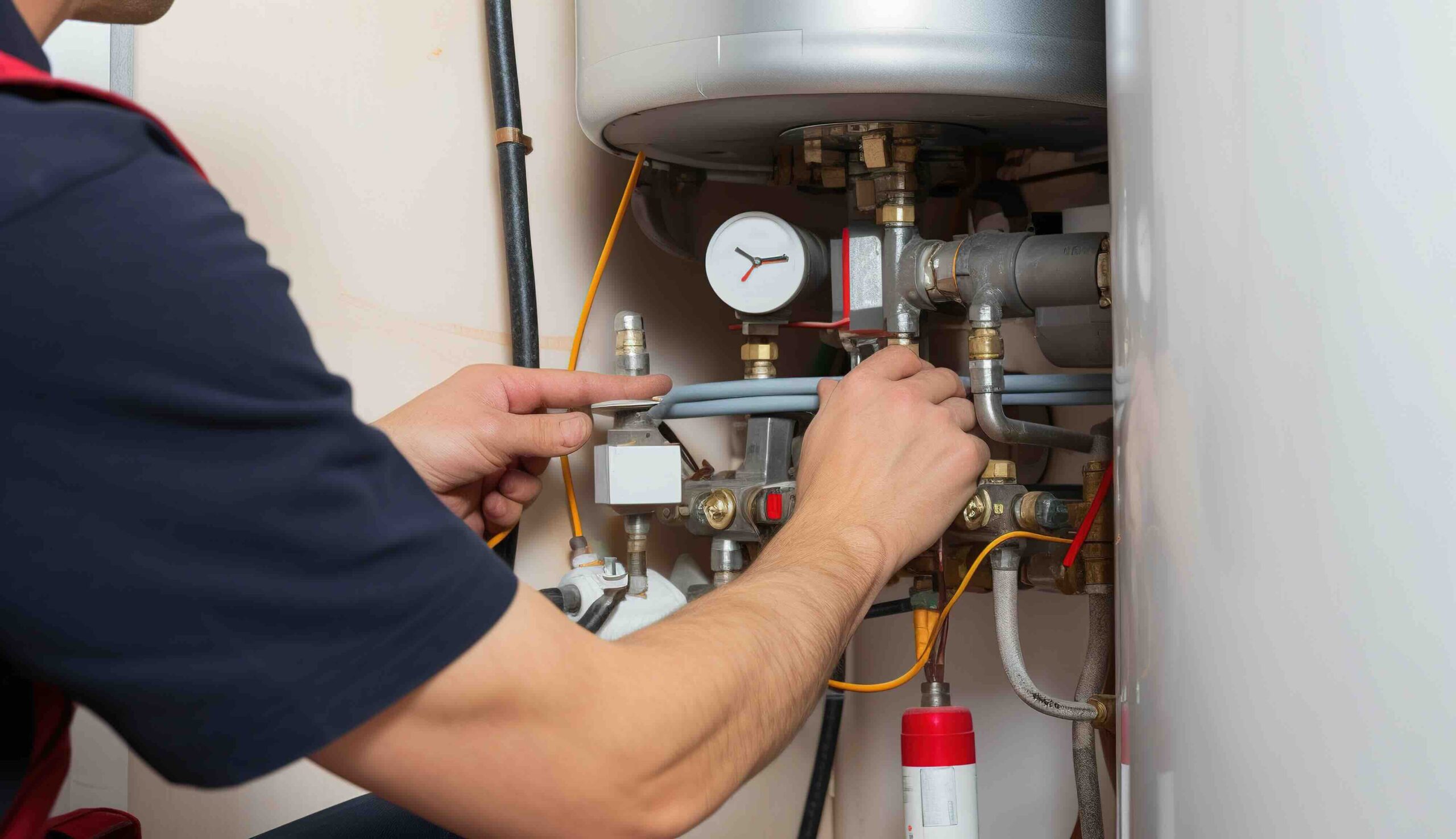
Why Isn’t My Water Heater Heating Enough? Understanding the Causes and Solutions
When you turn on the hot water and it only comes out lukewarm—or worse, cold—it’s more than just an inconvenience. Insufficient hot water disrupts daily routines, impacts comfort, and can signal underlying issues with a key home system: your water heater. If you’ve noticed your water heater isn’t performing like it used to, it’s important to address the problem early to avoid bigger headaches down the line. In this article, we’ll walk through what a water heater does, why it may not be heating properly, what maintenance it needs, and how a home warranty can protect you from costly repairs.
What Does a Water Heater Do, Exactly?
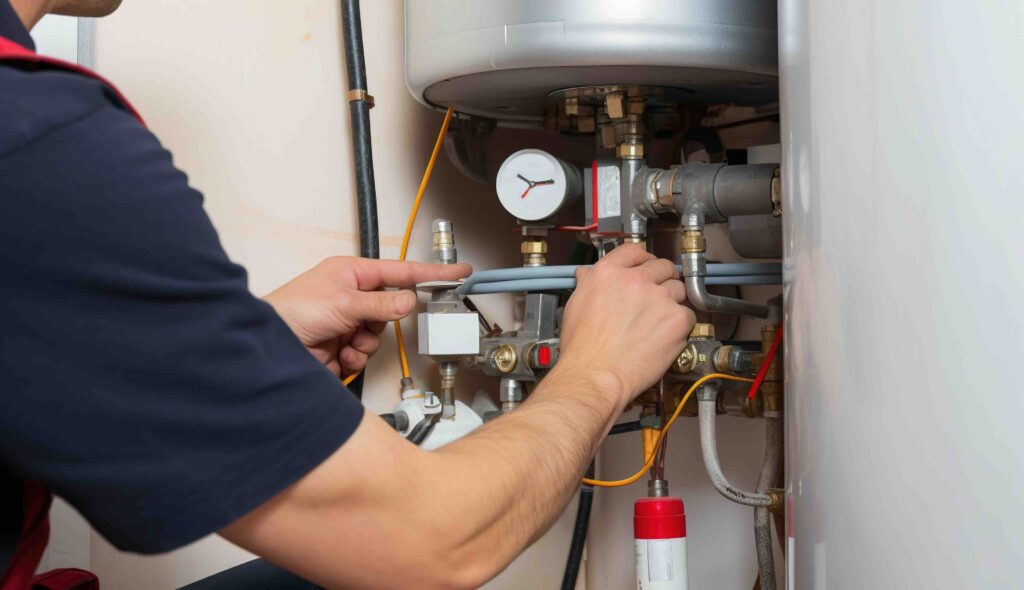
Your water heater is one of the most heavily used appliances in your home, even if it hums quietly in a utility closet or garage. It heats and stores water so hot water is ready on demand for use in sinks, showers, dishwashers, and washing machines. There are two main types of water heaters: traditional tank-style units and tankless systems. The tank model stores hot water in a reservoir, while tankless units heat water as it flows through coils, offering on-demand heating without storage.
Most homes use either electric or gas water heaters. Gas models use a burner to heat the water, and electric ones rely on heating elements. A thermostat monitors water temperature and controls the heating cycle. When the temperature drops below a set threshold, the heater kicks in, warming the water back up. It’s a surprisingly compact system that delivers a vital function—and when it underperforms, you notice quickly.
Signs Your Water Heater Isn’t Heating Properly
There’s a range of symptoms that may indicate insufficient heating. Lukewarm water that turns cold within minutes is one common sign. If your water pressure drops when using hot water, that could be linked as well. Extended heating times or never reaching your desired temperature also point to trouble.
Other clues include strange noises coming from the tank, visible sediment buildup, or water that smells metallic or discolored. These warnings aren’t just about comfort—they can signal long-term efficiency loss or a system on the brink of failure.
Common Reasons Your Water Heater Isn’t Hot Enough
One of the most frequent culprits is sediment buildup inside the tank. Over time, minerals from your water supply settle at the bottom of the tank, insulating the water from the heating element. This forces the system to work harder, using more energy while delivering less heat. If unaddressed, sediment can damage the tank lining and shorten the unit’s life span.
Another likely issue is a faulty heating element. In electric models, if one of the two heating elements fails, you’ll only get half the heat output. For gas models, a malfunctioning burner or a compromised thermocouple (which regulates gas flow) could be to blame. Incorrect thermostat settings are another common cause. Sometimes it’s just been bumped—a small adjustment may return optimal heating quickly.
Lastly, undersized tanks or sudden changes in household demands can lead to insufficient hot water. A 40-gallon tank might work for two people, but it’s going to struggle with a household of five. If usage has changed, your equipment might simply not be sized to support what’s needed now.
Preventive Maintenance and Care Tips
Routine maintenance can keep your water heater running efficiently for years. Starting with flushing the tank once or twice per year—this removes sediment before it hardens. All it takes is turning off power and water supply, attaching a garden hose to the drain valve, and letting the tank empty out. It’s not difficult, but it’s essential.
For gas models, checking the burner flame annually ensures it’s burning blue (an indicator of clean combustion). On electric models, inspecting the heating elements every few years helps prevent failure. Temperature shouldn’t be set higher than 120 degrees Fahrenheit—this reduces wear and lowers the risk of scalding. Finally, the pressure relief valve should be tested once a year to ensure safety.
All of this is manageable with a little planning. And while maintenance doesn’t eliminate every issue, it dramatically reduces the likelihood of a full breakdown or costly emergency fix.
When to Repair vs. When to Replace
Deciding between repair and replacement depends on several factors, but age is a primary one. Most traditional tank units last about 8 to 12 years under average use. If your unit is older and experiencing frequent issues, replacement is likely the more cost-effective long-term solution. For tankless systems, the lifespan stretches to 15-20 years, with consistent maintenance.
If your heater is relatively new and the problem is isolated—a burnt-out heating element or damaged thermostat—repair often makes sense. However, repeated service calls, increased energy bills, and persistent underperformance are signs a replacement might be warranted. New models also offer improved energy efficiency, quieter operation, and more precise controls, which can benefit your household beyond just hot water supply.
The Value of a Home Warranty for Water Heater Issues
Water heaters are among the most common systems supported by home warranties. With standard repair costs ranging from $150 for a thermostat replacement to over $1,500 for a full tank replacement, coverage can save significant money and eliminate the hassle of finding a repair professional on your own.
A comprehensive home warranty provides access to vetted service providers, expedites the repair process, and protects you from unplanned expenses. It’s particularly valuable for homeowners who don’t want to juggle multiple contractors or assess technical faults themselves. If your washing machine and refrigerator were to act up in the same month, for example, a home warranty makes coordinating repairs much less stressful.
Importantly, water heaters are usually considered covered items under most home warranty plans if they’ve been properly maintained. Homeowners looking to protect their investment and avoid potential budget strain often benefit from this form of coverage—especially as systems age and repairs become more frequent.
Preparing for Long-Term Water Heater Efficiency
If you’re facing heating inconsistencies now, treat this as an opportunity to assess the condition of your complete home hot water setup. Consider upgrading insulation on hot water pipes to retain temperature during transit. Evaluate your household’s changing usage patterns. Think about whether a tankless system might better serve your long-term goals, offering endless hot water while being more space- and energy-efficient.
Modern water heater designs favor efficiency, and switching to an Energy Star certified model can bring meaningful utility savings over time. Smart water heaters even allow for temperature adjustments through mobile apps, letting homeowners control energy use remotely. Being proactive makes a difference, and it all starts with understanding how your system works—and how to maintain it appropriately.
Protect Your Home Systems with Armadillo
When your water heater isn’t keeping up, don’t let the uncertainty linger. Armadillo offers modern home warranty coverage designed to make managing repairs simple, affordable, and predictable. With transparent service, streamlined digital claims, and a user-friendly approach, Armadillo helps protect your water heater and other essential home systems from costly disruptions. To learn more, visit our homepage or start protecting your home today with a custom plan at our easy quote builder.