What Is a Wire Outlet to Light Switch — And Why Does It Matter in Your Home?
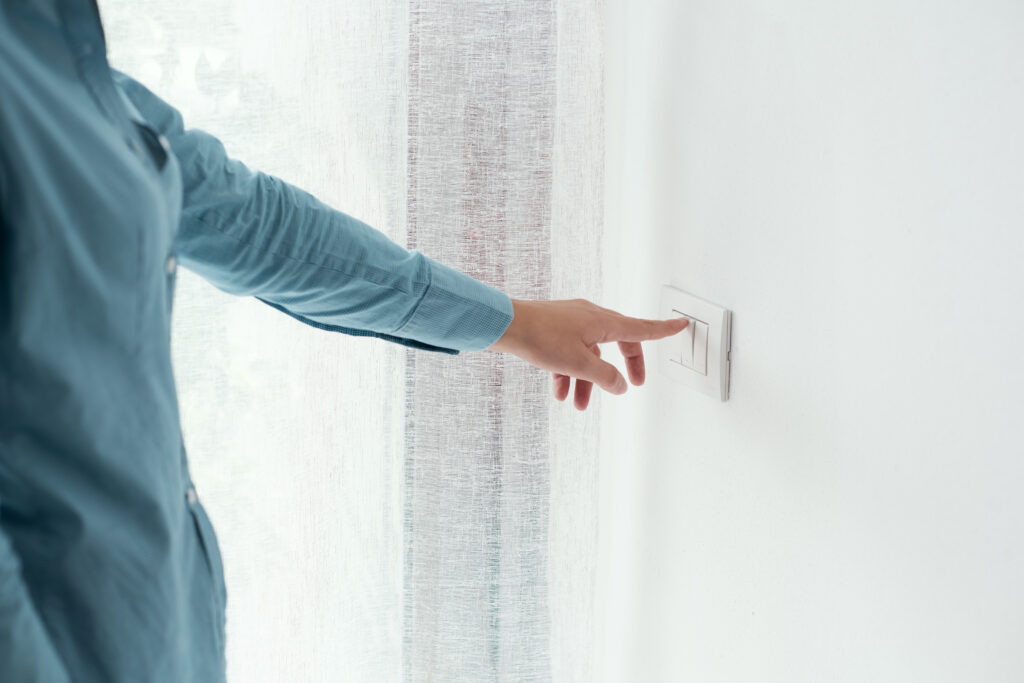
Most homeowners walk past their light switches dozens of times a day without giving them a second thought. Flip it up, lights on. Flip it down, lights off. Simple. But behind that little plastic plate on your wall is a surprisingly important piece of electrical infrastructure — one that, when something goes wrong, can leave you in the dark in more ways than one. Understanding how a wire outlet to light switch connection works is genuinely useful, especially if you own a home and want to stay ahead of potential electrical issues before they become expensive repairs.
How a Wire Outlet to Light Switch Actually Works
Here is the basic idea. Electrical power travels from your main panel through a series of circuits. When a light switch is wired into one of those circuits, it acts as an interruption point — a controlled break in the flow of electricity that you can open or close with the flip of a lever. The wiring running to and from that switch typically consists of a hot wire, a neutral wire, and in modern installations, a ground wire. The hot wire carries current to the switch, and when the switch is closed (turned on), the circuit completes and power reaches the light fixture. The neutral wire returns the current back to the panel, completing the loop. Grounding exists as a safety pathway — if something goes wrong and current strays outside its intended route, the ground wire redirects it safely to the earth rather than through you or your home’s structure.
The Role of Grounding in Light Switch Wiring
Grounding might be the single most underappreciated element of residential electrical work. In older homes — especially those built before the 1960s — grounded wiring was not always standard. Two-wire systems without a ground conductor were common, and while they can still technically function, they do not offer the same level of safety that a properly grounded three-wire system does. When a ground wire is present in a light switch outlet configuration, it connects to the metal box or grounding terminal on the switch itself, creating that critical fault path. If a wiring fault occurs, the breaker trips rather than allowing dangerous current to accumulate somewhere it should not be.
Types of Light Switch Wiring Configurations
Not all light switches are wired the same way, and the differences matter more than most people realize. Here is a quick breakdown of the most common configurations you will encounter in residential settings:
- Single-pole switch: The most common type, used to control a light from one location. One hot wire in, one hot wire out, with a ground connection.
- Three-way switch: Used when you want to control a light from two different locations — think hallways or staircases. Requires a traveler wire in addition to the standard hot and ground.
- Four-way switch: Used between two three-way switches when three or more control points are needed for a single light fixture.
- Smart switch wiring: Newer smart switches often require a neutral wire, which older wiring configurations may not provide — a detail that trips up a lot of homeowners during upgrades.
Common Problems With Light Switch Wiring
Even in well-built homes, light switch wiring issues come up. Some are minor annoyances; others are genuine safety concerns. Loose wire connections are among the most frequent culprits — over time, the terminal screws holding wires in place can loosen due to heat cycling, vibration, or just age. This can cause flickering lights, switches that feel warm to the touch, or intermittent failures. Backstabbed wiring — where the wire is pushed into a quick-connect hole rather than wrapped around a terminal screw — is another common issue in older installations. These connections tend to fail faster than screw-terminal connections and can be a hidden source of electrical trouble. Aluminum wiring, present in many homes built between the mid-1960s and mid-1970s, introduces additional compatibility concerns and requires specific devices rated for aluminum conductors.
Signs Your Light Switch Wiring Needs Attention
There are a few telltale signs that something is off with your light switch wiring and that it might be time to call a licensed electrician. Switches that spark visibly when toggled, plates that are warm or discolored, buzzing or crackling sounds, and lights that flicker without a clear reason are all indicators worth taking seriously. A switch that simply stops working is less alarming on its own, but if paired with a tripped breaker or a burning smell, that changes the picture significantly. Do not ignore these signals. Electrical issues that start small have a way of escalating quickly, and the cost of addressing them early is almost always far less than dealing with the aftermath of a more serious failure.

Can a Homeowner Replace a Light Switch Themselves?
This is a question that comes up constantly, and the honest answer is: sometimes, yes — but with important caveats. Replacing a standard single-pole switch with a like-for-like replacement is a task many capable homeowners can handle safely, provided the power is off at the breaker, they photograph the existing wiring before touching anything, and they understand what they are looking at. Where things get more complicated is when the existing wiring does not match expectations — missing grounds, backstabbed connections, aluminum conductors, or wiring configurations that do not match what the new switch requires. If there is any doubt, the right call is always to bring in a licensed electrician. Electrical mistakes are not forgiving, and permits may be required depending on your municipality.
How Home Warranties Intersect With Electrical Systems
Here is where things get genuinely practical for homeowners. Electrical systems, including the wiring that connects outlets and light switches throughout your home, can be covered under a home warranty plan — but the specifics vary significantly depending on the provider and the plan tier. Most standard home warranty plans cover the internal wiring and components of electrical systems that fail due to normal wear and usage. That typically includes things like switch failures, outlet malfunctions, and wiring issues within the home. What tends to fall outside of coverage are issues caused by code violations, pre-existing conditions, or improper prior repairs. Knowing what your plan actually covers before something fails is the kind of proactive thinking that saves real money.
Practical Tips for Maintaining Your Home’s Electrical Switches and Outlets
Staying ahead of electrical issues does not require an engineering degree. A few consistent habits go a long way toward keeping your wiring in good shape over the years.
- Test your GFCI outlets monthly using the built-in test and reset buttons — these are the outlets with the small buttons found in bathrooms, kitchens, and garages.
- If a switch or outlet feels warm, stops working, or produces any unusual sounds, have it inspected rather than waiting to see if the problem resolves on its own.
- Avoid overloading circuits by plugging too many high-draw appliances into the same circuit.
- During any remodeling project, consider having an electrician evaluate the age and condition of nearby wiring — it is an ideal time to catch issues without additional disruption to your walls.
- If your home is older than 40 years and has never had an electrical inspection, scheduling one is a sound investment in both safety and home value.
Why Armadillo Is Worth Considering for Electrical and Home System Coverage
When you start thinking about the hidden cost of electrical repairs — labor, parts, and the sheer inconvenience of something failing at the wrong time — a home warranty starts to look a lot less like an optional extra and more like a reasonable financial strategy. Armadillo is built specifically for homeowners who want honest, straightforward protection without wading through pages of fine print to figure out what they are actually covered for. If electrical system failures — including the kind of light switch and wiring issues covered throughout this article — are the sort of thing that keeps you up at night, Armadillo home warranty coverage for electrical systems and home wiring is designed to give you something concrete to lean on. The plans are clear, the service process is built around minimizing friction, and the team behind it genuinely understands what homeowners need when something goes wrong. Taking two minutes to get a free home warranty quote that covers your electrical and switch wiring is one of those small actions that future-you will appreciate.

Frequently Asked Questions About Light Switch Wiring and Home Electrical Systems
These are the questions homeowners ask most often when it comes to light switch wiring, outlet connections, grounding, and home warranty coverage for electrical systems.
What wires are typically connected to a light switch?
A standard single-pole light switch typically connects to a hot wire (usually black), a return wire carrying power to the fixture (also often black or marked with tape), and a bare copper or green ground wire. The neutral wire may or may not pass through the switch box depending on the wiring method used.
Why is my light switch warm to the touch?
A warm switch usually indicates a loose connection, an overloaded circuit, or a failing switch component. While a very slight warmth can be normal with certain dimmer switches under load, a noticeably warm standard switch should be evaluated by a licensed electrician as soon as possible.
Do light switches need to be grounded?
Modern electrical codes require grounded light switches in new construction and most renovation work. Grounding protects against electrical shock and helps ensure that a fault trips the breaker rather than creating a hazard. Older homes may have ungrounded switch boxes, which is not immediately dangerous but is worth updating over time.
What is the difference between a two-wire and three-wire switch setup?
A two-wire setup includes a hot wire and a neutral wire, with no dedicated ground. A three-wire setup adds a ground wire, which is the modern standard and significantly safer. Some wiring configurations use a three-wire cable to carry traveler wires in three-way switch applications, which is a different usage of the term.
Can a faulty light switch cause a fire?
Yes, in certain circumstances. A switch with a loose connection or degraded internal components can generate heat and arcing over time, which creates a fire risk. This is one reason why warning signs like flickering, warm plates, or crackling sounds should never be dismissed as minor inconveniences.
Are light switch repairs covered by a home warranty?
Many home warranty plans include electrical system coverage that extends to switch and outlet failures resulting from normal wear and use. Coverage details vary by provider and plan, so reviewing the specific terms of your warranty before assuming coverage is essential.
How do I know if my home has aluminum wiring?
Aluminum wiring is typically identifiable by the word “aluminum” or the abbreviation “AL” printed on the outer jacket of the wire. Homes built between approximately 1965 and 1973 are most likely to have aluminum branch circuit wiring. An electrician can confirm this during an inspection.
What is a backstabbed wire connection on a switch or outlet?
A backstabbed connection is when the wire is inserted into a quick-connect opening on the back of the device rather than being secured around a terminal screw. These connections are less reliable over time and are a common source of electrical failures in older homes. Replacing them with screw-terminal connections is a straightforward improvement.
How often should residential light switches be replaced?
Light switches do not have a fixed replacement schedule, but most are rated for tens of thousands of cycles. Signs of failure — including physical resistance when toggling, visible damage, intermittent behavior, or warmth — are more reliable indicators than age alone. Proactive replacement during renovations is a reasonable approach.
Why does my smart switch require a neutral wire when my old switch did not?
Traditional mechanical switches do not consume power themselves — they simply open or close a circuit. Smart switches, however, require a small continuous supply of power to maintain their wireless connection and onboard electronics. The neutral wire provides the return path for that continuous low-level current, which is why older switch boxes wired without a neutral may require additional work before a smart switch can be installed.