What Is a Screw-In Lamp Socket and Why Should Homeowners Know About It?
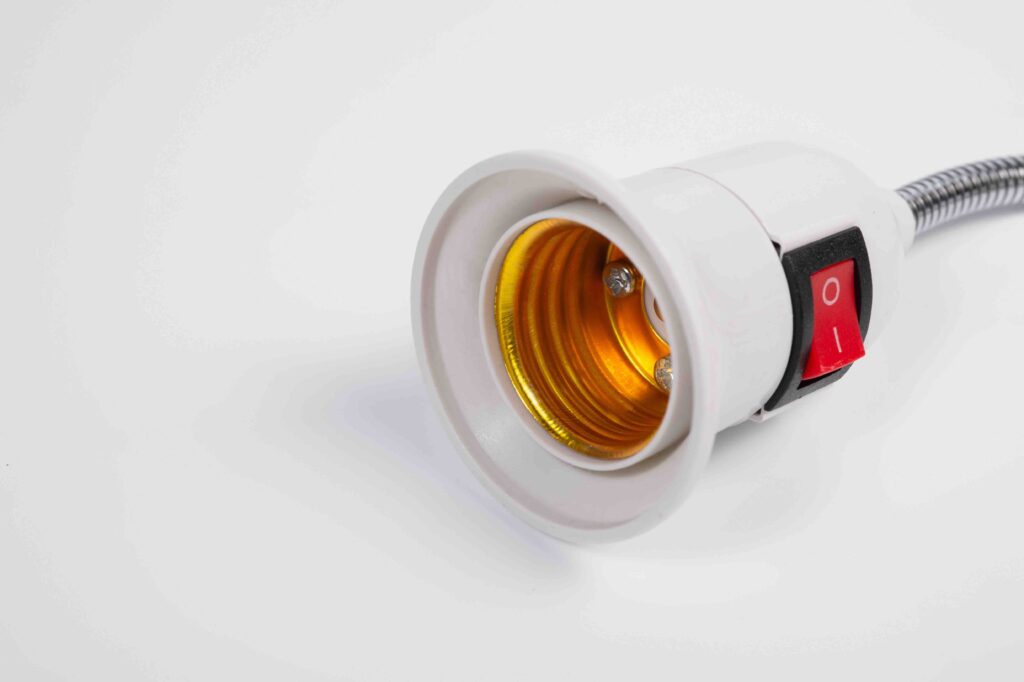
If you have ever changed a light bulb in your home, you have already interacted with a screw-in lamp socket. It is one of those things that blends into the background until something goes wrong. The screw-in socket, also known as an Edison screw base, is the threaded metal fixture that holds a light bulb in place and delivers electrical current to it. It is found in ceiling fixtures, floor lamps, table lamps, wall sconces, and dozens of other lighting applications throughout the home. Understanding how this small but essential component works can save you time, money, and a surprising amount of frustration.
A Brief History of the Edison Screw Base
Thomas Edison patented the screw-in lamp base back in 1881, and here we are over a century later still using it. That is not a coincidence. The design is simple, reliable, and standardized in a way that has made it nearly universal across residential and commercial settings. The most common size in North American homes is the E26 base, with the number referring to the diameter in millimeters. E12 bases, often called candelabra bases, are smaller and typically found in decorative fixtures, chandeliers, and night lights. Knowing which base you have matters when you are shopping for replacements or upgrading fixtures.
How a Screw-In Lamp Socket Actually Works
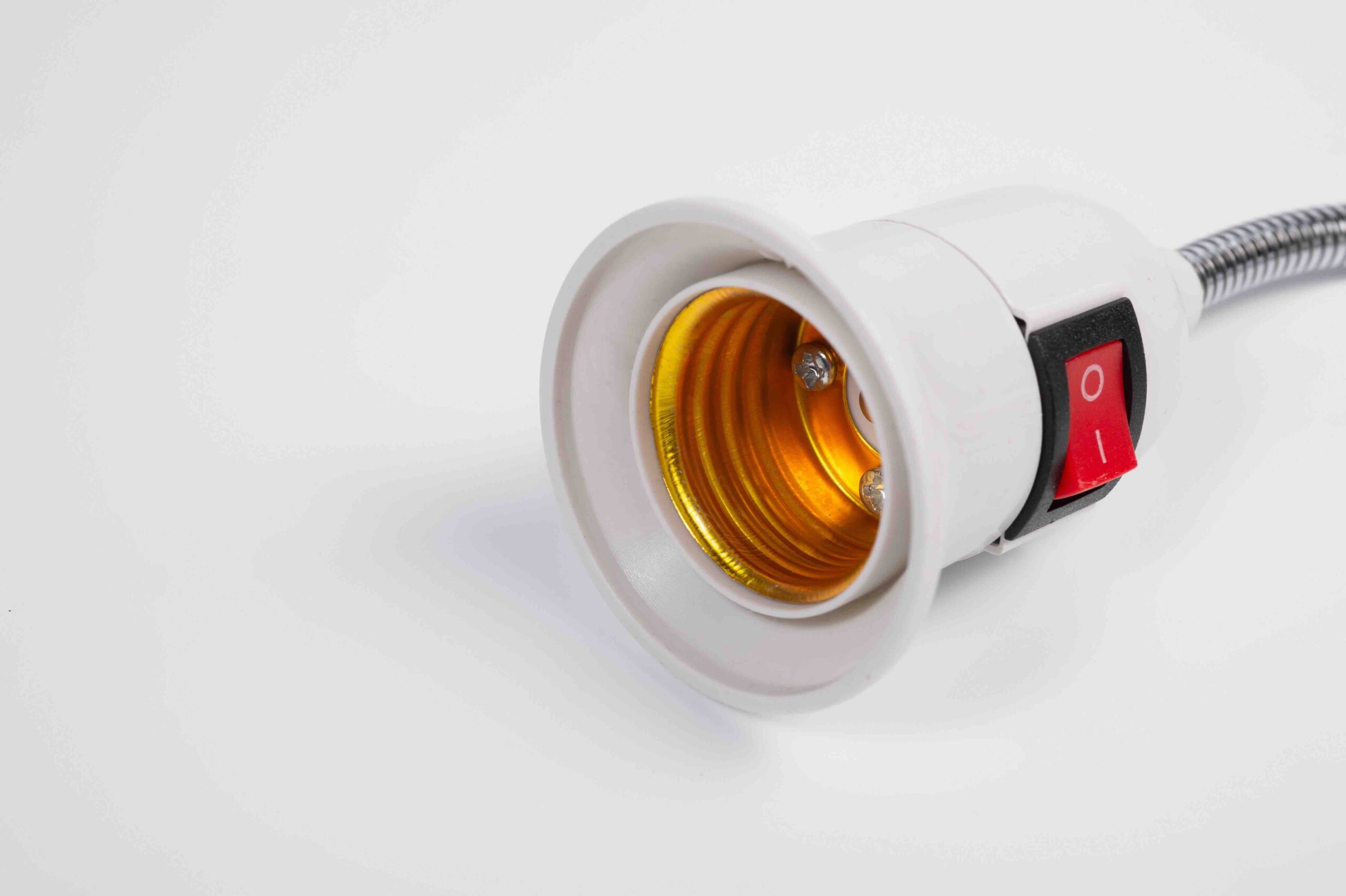
The mechanics here are surprisingly straightforward once you break them down. A screw-in lamp socket has two key contact points. The threaded metal shell makes contact with the neutral wire, while a small brass tab at the bottom of the socket connects to the hot wire. When you screw a bulb in, the base of the bulb contacts the brass tab and the threads complete the circuit through the shell. Electricity flows in, passes through the bulb’s filament or LED components, and produces light. When the socket is damaged, corroded, or the brass tab becomes flattened, that electrical connection is interrupted. That is usually the culprit when a bulb appears to be installed correctly but still will not light up.

Common Types of Screw-In Sockets Found in Residential Homes
Not all screw-in sockets are the same, and that matters more than most homeowners realize. Here is a quick breakdown of the types you are most likely to encounter:
- E26 Medium Base: The standard household socket, used in most ceiling fixtures, table lamps, and floor lamps.
- E12 Candelabra Base: Smaller and commonly found in chandeliers, decorative sconces, and ceiling fan light kits.
- E39 Mogul Base: Much larger, typically used in high-wattage commercial or outdoor flood lighting.
- E17 Intermediate Base: Less common but present in some appliance bulbs and specialty fixtures.
Matching the correct base to your fixture is non-negotiable. Using an adapter to force a mismatched bulb into a socket is a shortcut that creates both performance issues and potential safety hazards over time.
Key Advantages of the Screw-In Lamp Socket Design
The reason this design has survived for so long is because it genuinely works well. The threading allows for a secure mechanical connection that keeps bulbs from vibrating loose under normal conditions. The standardized sizing means that consumers have enormous flexibility when choosing bulbs, from incandescent to CFL to LED. Installation requires no tools, no special training, and no wiring knowledge at the user level. The sockets themselves are also inexpensive and widely available, which keeps repair costs low when a fixture needs attention. For most homeowners, the screw-in socket is about as close to a set-it-and-forget-it component as you can get in a home’s electrical ecosystem.
Common Problems With Screw-In Lamp Sockets
That said, these sockets are not without their issues. The brass contact tab at the base of the socket can become flattened over time, particularly if bulbs are screwed in too tightly. This breaks the electrical connection even when the bulb itself is functional. Corrosion is another frequent problem, especially in humid environments like bathrooms or laundry rooms. Arcing, which is a small electrical spark caused by a loose or poor connection, can cause socket damage that is not always visible to the naked eye. And in older homes, the insulation on wiring inside the socket can degrade, which raises real safety concerns. These are issues worth taking seriously rather than ignoring.
When to Replace a Lamp Socket Versus the Entire Fixture
This is a question homeowners get wrong surprisingly often. A socket replacement is typically the right call when the fixture itself is structurally sound and aesthetically valuable, but the socket has corroded, lost its spring tension, or shows signs of heat damage. However, if the fixture is old, the wiring inside the fixture is cracked or brittle, or the socket damage is extensive, replacing the entire fixture is the safer and more cost-effective long-term decision. A licensed electrician can make this call quickly and should be consulted anytime there is visible charring, a burning smell, or any sign of arcing around the socket area.
Practical Tips for Maintaining Lamp Sockets in Your Home
Maintenance on lamp sockets is minimal but worth doing periodically. Always turn off the power before inspecting or replacing a socket. Use bulbs that match the fixture’s maximum wattage rating, because exceeding that rating generates excess heat that degrades both the socket and surrounding wiring. If a bulb flickers even after being replaced, check the brass contact tab and gently bend it upward slightly to restore contact pressure. For sockets showing early signs of corrosion, a small amount of electrical contact cleaner applied carefully can extend the component’s useful life. None of this is complicated, but these small habits make a meaningful difference over years of use.
How Home Warranty Coverage Relates to Lamp Sockets and Electrical Systems
Here is where things get interesting for homeowners thinking about long-term protection. Lamp sockets themselves are relatively inexpensive to replace, but they are part of a larger electrical system in your home that absolutely can generate significant repair costs. Wiring issues, breaker panels, and ceiling fan motor failures connected to lighting circuits are the kinds of problems that turn a small concern into a large invoice. That is exactly the scenario a home warranty is designed to address. When your electrical system starts behaving in unexpected ways and lamp socket problems are a common early signal of that, having warranty coverage means you are not absorbing those costs alone. Armadillo home warranty plans designed to protect your home’s electrical system are built around real homeowner needs, not fine print designed to exclude claims. Whether it is a wiring failure traced back to a faulty fixture or a broader electrical component breakdown, coverage that actually delivers is worth every penny. If you have been putting off looking into this kind of protection, now is a reasonable time to act. You can get a free home warranty quote for electrical and appliance coverage in just a few minutes and see exactly what protection would look like for your specific home.

Frequently Asked Questions About Screw-In Lamp Sockets
Below are answers to the most common questions homeowners have about screw-in lamp sockets, how they work, and when to take action.
Why does my light bulb work in one fixture but not another?
The issue is usually either a mismatched base size, a flattened brass contact tab in the receiving socket, or corrosion disrupting the electrical connection. Try the bulb in a known working socket to isolate whether the problem is the bulb or the fixture.
What does it mean when a light socket gets very hot to the touch?
Heat buildup around a socket typically indicates that a bulb with a wattage rating higher than the fixture allows has been installed, or that there is a loose connection creating resistance. Both situations require immediate attention to prevent fire risk or insulation damage.
Can I replace a lamp socket myself?
In many cases, yes. Socket replacement kits are available at hardware stores and the process involves turning off the power, disconnecting wires from the old socket, and connecting them to the new one. If you see charring, smell burning, or are unsure about the wiring condition, call a licensed electrician.
What is the difference between E26 and E27 sockets?
The E26 is the North American standard and the E27 is the European equivalent. The physical size is nearly identical, and bulbs are often interchangeable, but voltage differences between regions mean you should not use European-rated bulbs in American fixtures without verifying compatibility.
How do I know if my lamp socket is the cause of flickering lights?
Start by replacing the bulb. If flickering continues with a new bulb, inspect the brass tab inside the socket for poor contact. If that looks fine, the issue may be in the fixture wiring or the home’s electrical circuit and warrants a professional inspection.
Is it safe to use a bulb adapter to change socket sizes?
Adapters can be used safely when they are rated for the appropriate wattage and the combined weight of the adapter and bulb does not stress the fixture. However, adapters are a workaround, not a permanent solution, and should not be used in fixtures that run for extended periods or in enclosed housings that trap heat.
How long do lamp sockets typically last?
A well-maintained lamp socket in a stable environment can last decades. Sockets in humid areas, those subject to frequent bulb changes, or those that have handled overloaded wattage tend to wear out sooner. Regular inspection every few years is a reasonable habit for older fixtures.
Does a home warranty cover lamp socket repairs?
Coverage varies by provider and plan. Some home warranty plans cover built-in electrical components and ceiling fixtures, while standalone lamps and portable fixtures typically fall outside coverage scope. Reviewing the electrical coverage section of your specific plan is the best way to confirm what applies to your home.
What causes the brass contact tab to flatten inside a socket?
Over-tightening bulbs during installation is the most common cause. When a bulb is forced past the point of snug contact, the tab gets pressed flat against the base of the socket housing and loses its spring tension. A gentle upward adjustment with a non-conductive tool while the power is off can sometimes restore function.
When should I call an electrician instead of handling a socket issue myself?
Call a licensed electrician when you notice discoloration or char marks around the socket, detect a burning smell from the fixture, experience repeated tripped breakers associated with a specific circuit, or find that the wiring inside the fixture looks brittle, cracked, or improperly connected.