What Is an Air Conditioner Compressor and Why Does It Matter So Much?
If your air conditioner were a human body, the compressor would be the heart. It is the component responsible for pressurizing the refrigerant that flows through your entire cooling system, and without it, nothing works. Heat does not leave your home. Air does not cool down. You just get a very expensive fan. Understanding what the compressor does and how it fits into the bigger picture of your AC system is one of the most useful things a homeowner can do, especially heading into the warmer months when the stakes are highest.
How the Air Conditioner Compressor Actually Works
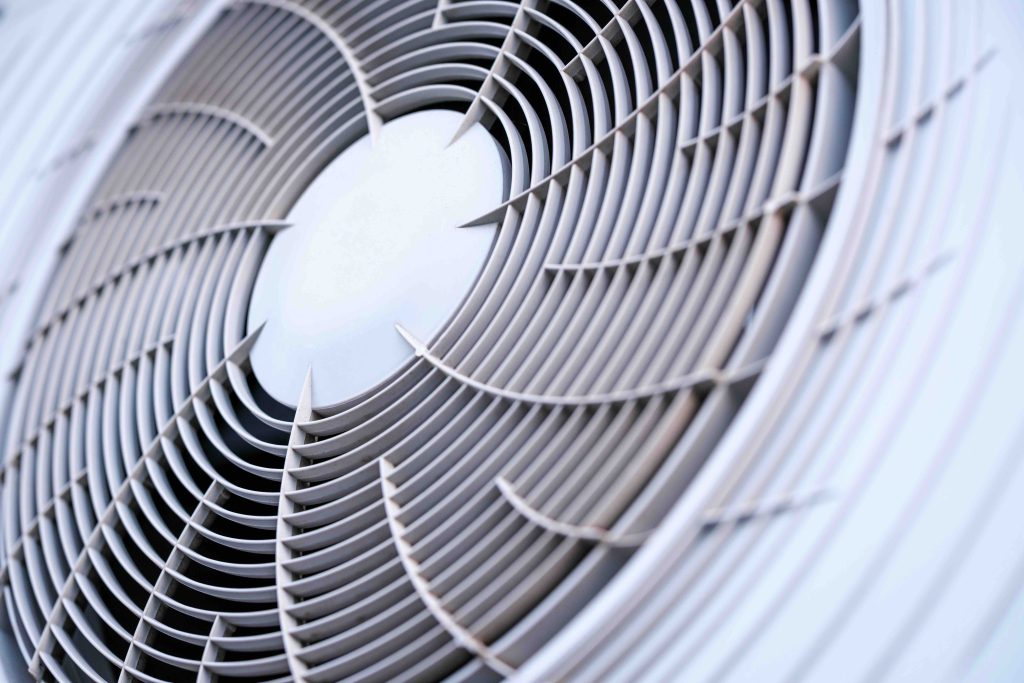
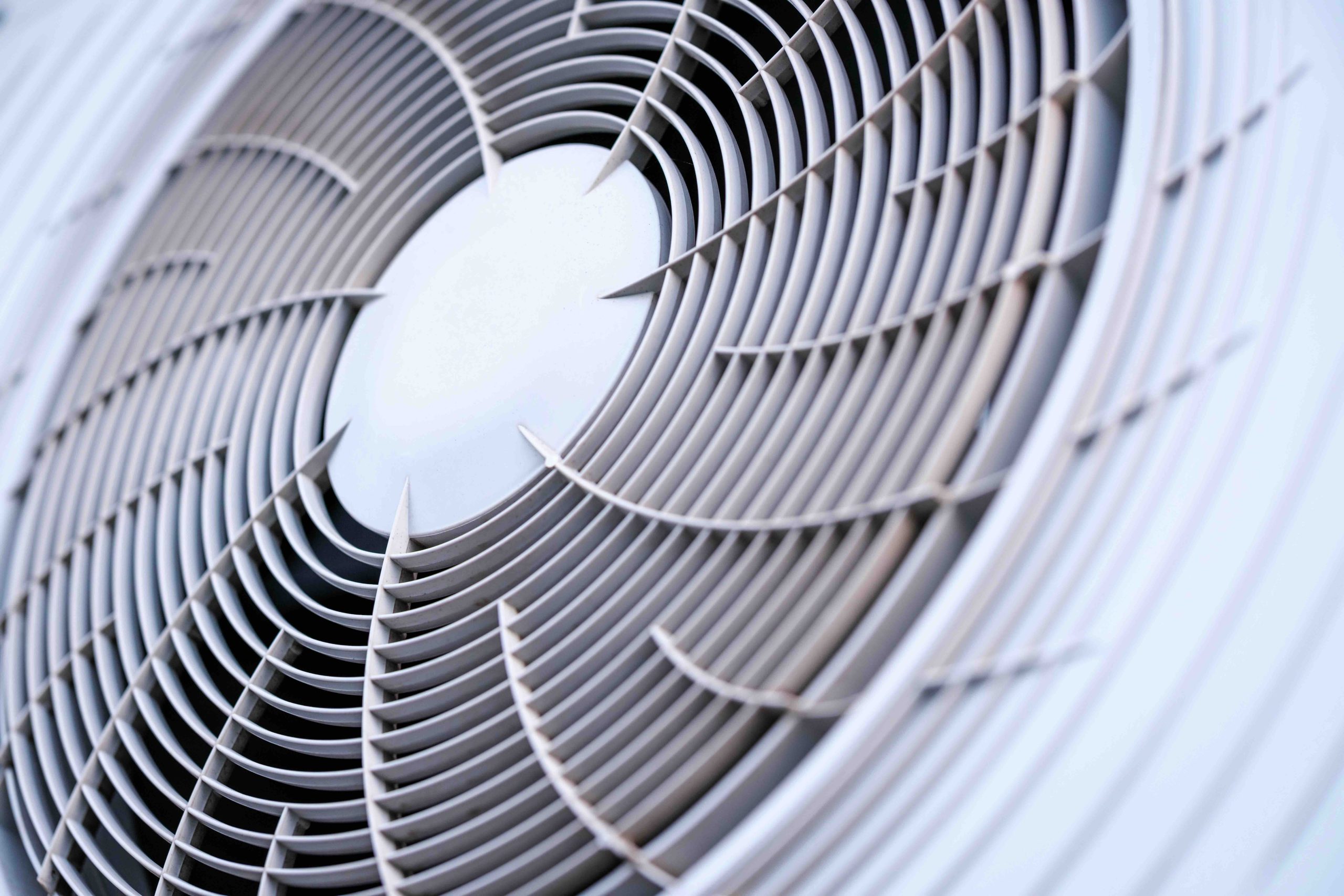
The compressor sits in the outdoor unit of your central air conditioning system. Its job is to take low-pressure refrigerant gas that has absorbed heat from inside your home and compress it into a high-pressure, high-temperature gas. That pressurized refrigerant then travels to the condenser coil, where heat is released outside. From there, it moves through the expansion valve, drops in pressure and temperature, and heads back inside to the evaporator coil to absorb more indoor heat. It is a continuous cycle, and the compressor is what keeps that cycle moving. When the compressor fails, the entire refrigerant loop stops, and your AC is no longer doing anything useful.
Types of Compressors Found in Residential Air Conditioners
Not all compressors are the same, and knowing the difference can help you have a smarter conversation with your HVAC technician when something goes wrong. The three most common types found in residential systems are scroll compressors, reciprocating compressors, and rotary compressors.
- Scroll compressors are the most common in modern systems. They use two spiral-shaped scrolls to compress refrigerant and are known for being quieter and more efficient than older designs.
- Reciprocating compressors use a piston mechanism, similar to a car engine. They are durable and effective but tend to be louder and less energy efficient.
- Rotary compressors are compact and typically found in smaller or older units. They work well for light-duty applications but are less common in full-sized home systems.
Common Signs Your AC Compressor Is Failing
Compressor problems do not usually appear out of nowhere. They tend to build quietly over time, and catching the warning signs early can save you from a full replacement. One of the most obvious signs is warm air blowing from your vents when the system is running. You might also notice your outdoor unit making unusual sounds, anything from clicking and rattling to a hard start where the motor struggles to kick on. A circuit breaker that keeps tripping when the AC runs is another red flag. Some homeowners also notice the system running constantly without actually cooling the home to the set temperature. Any combination of these symptoms warrants a call to a licensed HVAC technician.

Key Advantages of a Well-Maintained Compressor
When a compressor is healthy and properly maintained, it makes itself known through results rather than noise. Your home reaches the target temperature without the system laboring. Energy bills stay predictable. The refrigerant cycle operates at designed pressure levels, which means the rest of your AC components are not being overworked. A well-functioning compressor also extends the overall lifespan of your air conditioning system, since strain on one component tends to ripple outward. Routine maintenance, particularly keeping refrigerant levels correct and ensuring the outdoor unit has adequate airflow, goes a long way toward keeping the compressor in good shape year after year.
The Drawbacks and Vulnerabilities Worth Knowing
The compressor is also one of the most expensive components in your entire HVAC system to repair or replace. Costs can range from several hundred dollars on the low end to over two thousand dollars when labor and refrigerant recharging are factored in. Compressors are particularly vulnerable to refrigerant issues. Too little refrigerant causes the compressor to overheat and work harder than it should. Too much refrigerant creates excessive pressure that can damage internal components. Electrical problems, including power surges and voltage irregularities, are another leading cause of compressor failure. Because the compressor runs every time your AC cycles on, it also simply wears down over time, especially in climates where air conditioning runs heavily for many months of the year.
Practical Tips to Extend Your Compressor’s Life
There are things you can do right now to take better care of your compressor without needing a technical background. Start by scheduling annual HVAC maintenance with a licensed professional before the cooling season begins. A technician will check refrigerant levels, clean coils, inspect electrical connections, and verify that the compressor is operating within normal parameters. Beyond professional service, keep the area around your outdoor unit clear of debris, overgrown shrubs, and anything that might restrict airflow. Change your indoor air filter regularly, because a clogged filter forces the entire system to work harder. Installing a surge protector for your HVAC system is also a smart and relatively affordable move that protects the compressor from electrical damage.
When Repair Makes Sense Versus Replacement
This is one of the most common questions homeowners face when a compressor issue is diagnosed. Generally speaking, if your AC system is under ten years old and the compressor is still under manufacturer warranty, repair or replacement of the compressor alone may be the right call. If the system is older and out of warranty, replacing just the compressor can sometimes cost more than the value it delivers, especially when paired with an aging system that may have other components approaching the end of their service life. A good HVAC technician will give you an honest assessment. Ask about the age of the system, the cost of the repair relative to the cost of a new unit, and whether refrigerant type compatibility is a factor, which it increasingly is for older systems using phased-out refrigerants.
How Home Warranty Coverage Applies to Air Conditioner Compressors
This is where things get genuinely practical for homeowners who want to protect themselves from unexpected costs. A home warranty is a service contract that helps cover the cost of repairing or replacing covered home systems and appliances when they break down due to normal wear and use. Air conditioning systems, including the compressor, are among the most commonly covered components in a quality home warranty plan. Given that compressor repairs or replacements can run into the thousands, having coverage in place before a breakdown happens is the kind of financial buffer that makes a real difference. The key is to read the terms carefully and understand what is and is not covered, particularly around pre-existing conditions and maintenance requirements.
Why Armadillo Is Worth Considering for Your AC and Compressor Protection
When your air conditioner compressor goes out in the middle of summer, the last thing you want to be doing is figuring out how to pay for it. That is exactly the kind of situation that Armadillo home warranty coverage for central air conditioning systems is designed to address. Armadillo offers straightforward, transparent plans that cover the components homeowners actually depend on, without the layers of fine print that make other warranty products frustrating to use. If you want to protect your home against the high cost of an AC compressor failure and other major system breakdowns, you can get a free home warranty quote for your air conditioner and cooling system today in just a few minutes. No complicated process, no pressure, just a clear look at what protection makes sense for your home.

Frequently Asked Questions About Air Conditioner Compressors
Here are answers to the questions homeowners ask most often about AC compressors, how they work, and how to protect against the cost of failure.
What does an air conditioner compressor do?
The compressor pressurizes refrigerant gas so it can release heat absorbed from inside your home to the outside. It is the core mechanical component that makes the entire cooling cycle function.
How long does an AC compressor typically last?
Most compressors are designed to last between 10 and 15 years with proper maintenance. Units in hot climates that run heavily may experience shorter lifespans.
What causes an AC compressor to fail prematurely?
The most common causes include low refrigerant levels, electrical problems such as power surges, overheating from poor airflow, and lack of routine maintenance over time.
How much does it cost to replace an AC compressor?
Replacement costs typically range from $800 to $2,500 or more depending on the unit size, refrigerant type, and labor rates in your area.
Can an AC system run without a working compressor?
The system may appear to run in the sense that the fan operates, but it will not produce cool air. Without a functioning compressor, refrigerant does not cycle and no heat transfer occurs.
Is it worth repairing a compressor or should I replace the whole unit?
If the system is under ten years old and under warranty, repair may make sense. For older systems, replacing the compressor alone can be cost-ineffective compared to investing in a newer, more efficient unit.
Does a home warranty cover the AC compressor?
Many home warranty plans do include coverage for air conditioning compressors as part of a central air system coverage category. Review your specific plan terms to confirm what is included and any conditions that apply.
What maintenance helps protect the compressor?
Annual professional HVAC service, regular air filter changes, keeping the outdoor unit clear of debris, and installing a surge protector are among the most effective protective measures.
Why is my AC running but not cooling the house?
This is a common symptom of compressor trouble, though it can also be caused by low refrigerant, a dirty evaporator coil, or a failing capacitor. A licensed technician should diagnose the issue directly.
What type of compressor is best for a home air conditioner?
Scroll compressors are generally considered the best option for residential use due to their energy efficiency, quieter operation, and reliability compared to reciprocating or rotary alternatives.