What Is an Air Conditioner Condensate Drain Line?
Most homeowners know their air conditioner cools the air. Fewer realize it also pulls a significant amount of moisture out of that air in the process. That moisture has to go somewhere, and that is exactly where the condensate drain line comes in. This small but critical component is responsible for routing water away from your indoor air handler and safely out of your home. When it works, you never think about it. When it fails, you absolutely will.
How the Condensate Drain Line Actually Works
Here is the short version: warm, humid air passes over your AC system’s evaporator coil. The coil is cold, so moisture from the air condenses on it, similar to how a cold glass sweats on a warm day. That water drips down into a collection pan called the condensate pan or drip pan, and from there it flows through the condensate drain line, which is typically a PVC pipe, and exits outside your home or into a floor drain. The whole process happens continuously while your system runs, and during peak summer months, a standard residential air conditioner can pull one to two gallons of water per hour from your indoor air. That adds up quickly, and proper drainage is non-negotiable.
Why the Condensate Drain Line Matters More Than You Think
It is easy to overlook a pipe that does its job silently in the background. But the condensate drain line is one of those components where a small problem can become a large one with surprising speed. A clogged or disconnected drain line can cause water to back up into the drip pan, overflow onto your ceiling or walls, and lead to water damage, mold growth, and even structural issues depending on where your air handler is located. If your unit is in an attic, an overflowing drain pan is a serious situation. The condensate drain line is not glamorous, but it is genuinely important.

Key Advantages of a Well-Maintained Condensate Drain Line
When this component is clean and functioning properly, the benefits extend well beyond simply avoiding a wet ceiling. A clear drain line supports the overall efficiency and longevity of your entire HVAC system.
- Prevents water damage to ceilings, walls, insulation, and flooring near your air handler
- Reduces the risk of mold and mildew growth in and around your HVAC system
- Maintains proper humidity levels indoors, which affects comfort and air quality
- Protects your air handler unit from water-related component failures
- Helps your system run efficiently by allowing the evaporator coil to operate without obstruction
- Avoids nuisance shutdowns triggered by float switches that detect overflow conditions
Common Problems Homeowners Encounter with Drain Lines
The most frequent issue is a clog. Algae, mold, dust, and debris naturally accumulate inside the drain line over time, and eventually they can create a blockage. Standing water in the line only accelerates biological growth, which compounds the problem. Beyond clogs, homeowners also run into disconnected lines, cracked PVC fittings, improperly pitched lines that prevent water from flowing by gravity, and deteriorated or missing secondary drain pans. In older homes, drain lines may be routed in ways that make routine inspection difficult, which means problems go undetected longer than they should.
How to Keep Your Condensate Drain Line Clear
Routine maintenance is straightforward and does not require professional tools or a service call every time. Many homeowners handle basic drain line upkeep themselves between annual HVAC tune-ups. The most widely recommended approach is pouring a diluted bleach solution or distilled white vinegar down the drain line access port, typically located near the air handler, every one to three months during cooling season. This discourages algae and mold from establishing themselves in the line. Some systems also include a float switch that shuts the unit off if water backs up, which is a useful safeguard but not a substitute for proactive cleaning. If the line is already clogged, a wet-dry vacuum applied to the exterior end of the drain line can often clear the blockage without chemical treatments.
Signs Your Condensate Drain Line May Be Failing
Catching a problem early is always preferable to dealing with the aftermath of water damage. There are several indicators that something may be wrong with your drain line before things escalate.
- Water pooling near your indoor air handler or around the base of your furnace
- Visible standing water in the condensate drip pan
- Your air conditioner shuts off unexpectedly and the float switch appears triggered
- Musty or damp odors coming from your vents or air handler area
- Water stains on the ceiling below your attic-mounted air handler
- Gurgling or slow-draining sounds coming from the drain line area
When to Call a Professional for Condensate Drain Issues
DIY maintenance goes a long way, but there are situations where a licensed HVAC technician should be involved. If flushing the line yourself does not resolve a clog, if you notice the drain pan has cracked or corroded, if the line is disconnected from the unit, or if you discover mold growth inside the air handler cabinet, those are all situations that warrant professional attention. It is also worth having a technician inspect and flush the condensate system as part of an annual HVAC preventive maintenance visit. The cost of a service call is considerably less than the cost of repairing water damage caused by an overflow that went unaddressed.
Does a Home Warranty Cover the Condensate Drain Line?
This is a question that comes up often, and the answer depends on the specific home warranty plan you hold. Most comprehensive home warranty plans that include HVAC coverage will cover mechanical components of the air conditioning system, including the air handler and its internal parts. Coverage for the condensate drain line specifically can vary. Some plans cover drain line clogs and related labor when the issue is directly tied to a covered component failure. Others may treat drain line clearing as routine maintenance and exclude it. Reading the fine print in your plan documents matters here. Understanding what is and is not covered before a problem occurs is the kind of preparation that saves both money and stress when something does go wrong.

How Armadillo Supports Homeowners with HVAC Protection
Living with a home means living with systems that occasionally fail, and your air conditioning system is one of the more expensive ones to repair or replace. That is where having the right protection in place makes a genuine difference. Armadillo offers straightforward, honest home warranty coverage designed for real homeowners who want to know exactly what they are getting. If you have been searching for a home warranty plan that covers HVAC systems and air conditioner components, Armadillo is worth a close look. Coverage is transparent, customer service is responsive, and there are no unpleasant surprises buried in exclusions when you need to file a claim. When a condensate drain line clog turns into a larger HVAC issue, having a plan in place means you are not facing that repair bill alone. Take a few minutes to get a free home warranty quote for air conditioner and HVAC coverage and see what protection looks like for your specific home.
Frequently Asked Questions About AC Condensate Drain Lines
These are some of the most common questions homeowners ask about air conditioner condensate drain lines, answered clearly and directly.
What is the purpose of the condensate drain line in an air conditioner?
The condensate drain line removes water that collects on the evaporator coil during the cooling process. It routes that moisture out of your home through a PVC pipe, preventing water from accumulating inside the air handler or overflowing into your living space.
How often should I clean my AC condensate drain line?
It is generally recommended to flush the condensate drain line every one to three months during active cooling season. Annual professional HVAC maintenance should also include an inspection and cleaning of the drain line as a standard part of service.
What causes a condensate drain line to clog?
Algae, mold, mildew, dust, and debris are the primary culprits. The warm, moist environment inside the drain line creates ideal conditions for biological growth, which gradually restricts flow until a full clog develops.
How do I clear a clogged condensate drain line myself?
You can attempt to clear the line by pouring a diluted bleach or vinegar solution into the access port near the air handler. For a more stubborn clog, attaching a wet-dry vacuum to the exterior end of the drain line and creating suction for several minutes is often effective.
Why is my air conditioner turning off by itself?
One common cause is a triggered float switch. This safety device detects when water has backed up in the condensate pan due to a clogged drain line and shuts the system down to prevent overflow. Clearing the blockage typically resolves the issue.
Can a clogged condensate drain line cause mold in my home?
Yes. Standing water caused by a blocked drain line creates the moisture conditions that mold and mildew require to grow. This can affect the air handler cabinet, surrounding insulation, and nearby building materials, potentially impacting indoor air quality over time.
Where does the condensate drain line exit my home?
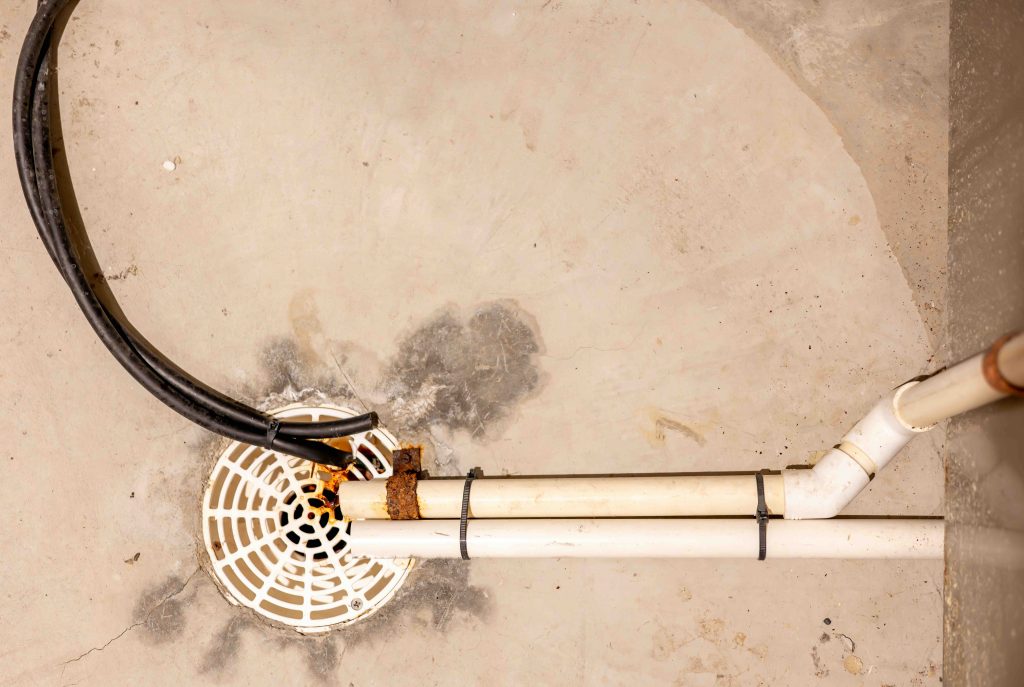
Most condensate drain lines exit through an exterior wall and terminate outside near the foundation, or they drain into a floor drain, utility sink, or condensate pump depending on the system design and home layout.
Is the condensate drain line covered by a home warranty?
Coverage varies by plan. Many home warranty plans that include HVAC will cover mechanical failures related to the air conditioning system, but drain line clearing may be classified as routine maintenance. Reviewing your specific plan terms is the only reliable way to confirm coverage.
How long does a condensate drain line typically last?
PVC condensate drain lines can last the lifetime of the home with proper maintenance. The lines themselves rarely fail structurally, but fittings, connections, and auxiliary components like condensate pumps and float switches may require attention or replacement over time.
What should I do if my condensate drain pan is full of water?
A full drain pan indicates the line is clogged or not draining properly. Turn off your air conditioning system to prevent overflow and potential water damage, then attempt to clear the drain line. If the blockage does not resolve with basic DIY methods, contact a licensed HVAC technician.