What Does an AC Tune-Up Actually Cost — and Is It Worth It?
Every spring, the same question comes up for homeowners across the country: should I schedule an AC tune-up before the heat hits, or just hope for the best? It is a fair question. Between the service call fees, the labor, and whatever the technician finds once they start poking around, the total cost can feel unpredictable. Understanding what goes into an AC tune-up — and what it typically runs — can help you budget smarter and avoid that panicked phone call in July when your system decides to quit on the hottest day of the year.
What Is an AC Tune-Up and Why Does It Matter
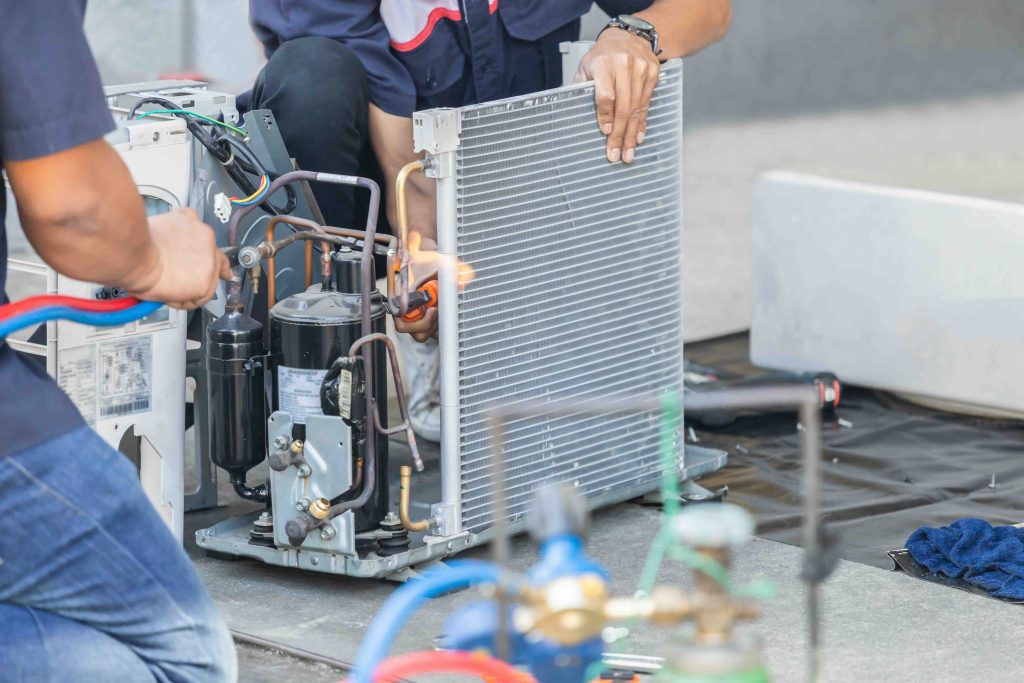
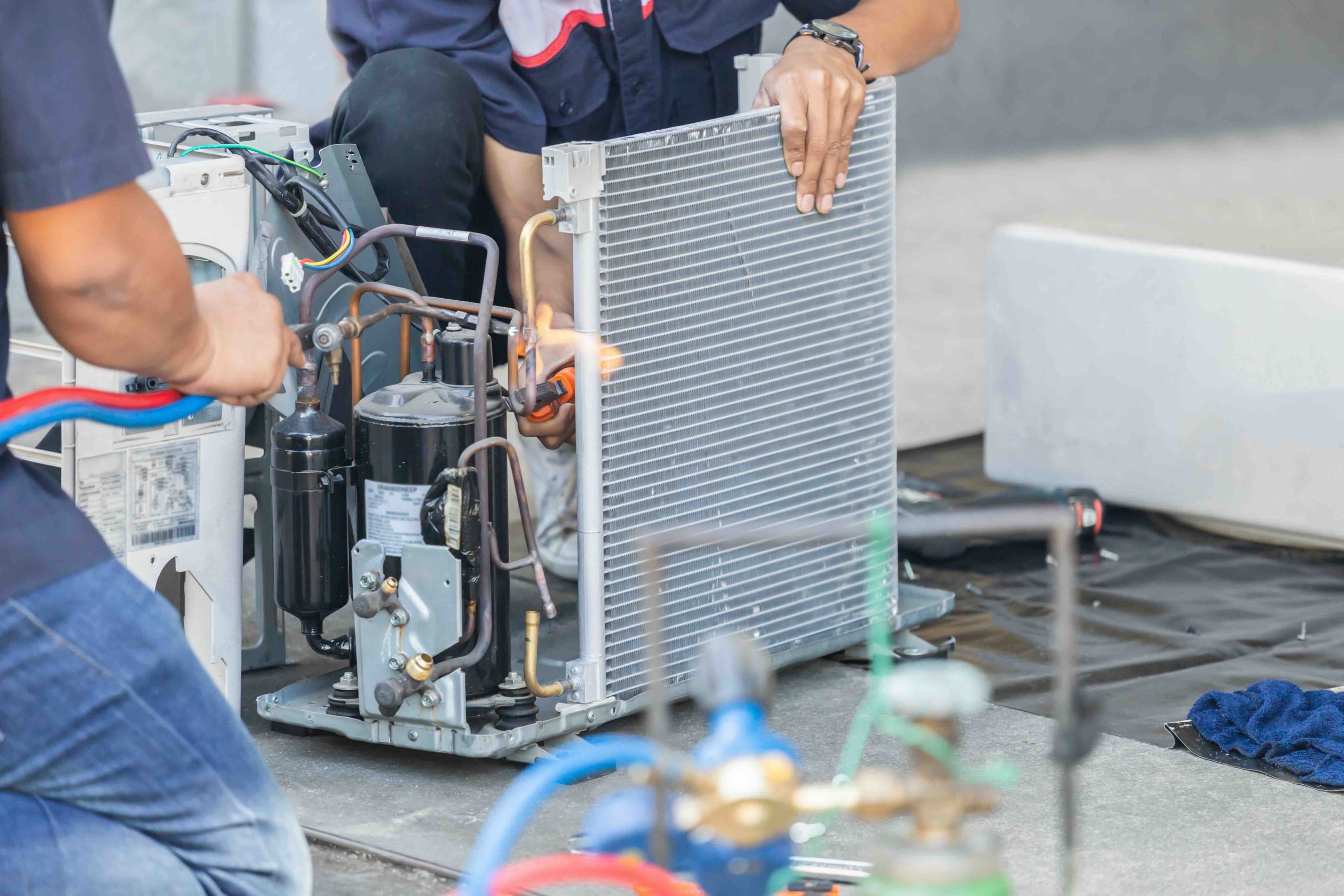
An AC tune-up is a scheduled maintenance visit where a certified HVAC technician inspects, cleans, and adjusts your central air conditioning system to make sure it is operating at peak efficiency. Think of it like an oil change for your car — it does not fix what is already broken, but it prevents small issues from becoming expensive ones. During a standard tune-up, the technician will check refrigerant levels, clean the condenser coils, inspect electrical connections, test the thermostat, lubricate moving parts, and assess overall system performance. It is routine, yes, but it is also genuinely important for the long-term health of your HVAC system.
Average AC Tune-Up Cost Breakdown
Here is where things get practical. The national average cost for a standard AC tune-up typically falls between $75 and $200 for a single-unit system. That range accounts for regional pricing differences, the age of your equipment, and whether the technician finds anything that needs immediate attention. Some HVAC companies offer seasonal tune-up specials that drop that number closer to $50, while premium service packages from larger companies can push past $250. If your system needs refrigerant added during the visit, that alone can add $100 to $350 depending on the type of refrigerant your unit requires. So the base cost is manageable — it is the add-ons that tend to surprise people.
What Factors Influence the Final Price
- System age and complexity: Older units and multi-zone systems require more time and attention, which increases labor costs.
- Geographic location: HVAC labor rates in major metro areas tend to run higher than in rural markets.
- Refrigerant type: Systems using R-22 refrigerant — which is being phased out — are significantly more expensive to service.
- Service contract vs. one-time visit: Maintenance agreements often reduce the per-visit cost but require an annual commitment.
- Time of year: Scheduling in spring before peak season typically gets you better availability and sometimes better pricing.

What a Tune-Up Includes vs. What It Does Not
This is where a lot of homeowners get confused — and honestly, it is easy to see why. A tune-up is a maintenance service, not a repair. The technician is there to optimize performance and flag potential problems, not necessarily to fix them on the spot. Standard tune-up tasks include inspecting and cleaning the evaporator and condenser coils, checking the condensate drain line, testing the capacitor and contactor, measuring airflow, and verifying thermostat calibration. What a tune-up does not cover: replacing failing components, repairing refrigerant leaks, or addressing electrical faults that require significant labor. If anything gets flagged, you will receive a separate repair estimate — which is exactly the kind of scenario where having a home warranty starts to look very appealing.
Key Benefits of Scheduling Annual AC Maintenance
The math here is pretty straightforward. A $100 to $150 tune-up that helps your system run 10 to 15 percent more efficiently can meaningfully reduce your monthly energy bills. Over a full cooling season, that adds up. Beyond the cost savings, annual maintenance extends equipment lifespan — well-maintained AC systems routinely last 15 to 20 years, while neglected ones often need replacement in 10 to 12. Tune-ups also maintain manufacturer warranty validity in many cases, since some warranties require documented annual maintenance to remain in effect. And perhaps most practically, a tune-up gives you early warning on components that are showing wear, so you are not blindsided by a breakdown in August.
Common Drawbacks and Honest Considerations
A tune-up is not a cure-all, and it is worth being clear about that. If your system is already struggling — short cycling, producing warm air, or making unusual noises — a tune-up alone is not going to resolve those issues. In fact, sometimes a tune-up is what reveals how serious the underlying problem actually is. There is also the matter of upselling: some HVAC companies use tune-up appointments as an opportunity to recommend parts or services that may not be immediately necessary. That is not universal, but it happens enough that getting a second opinion on significant repair recommendations is a smart habit. The tune-up itself is valuable — just go in with clear expectations.
DIY Maintenance Between Professional Visits
There is real value in what homeowners can do between professional tune-ups. Replacing or cleaning air filters every one to three months is probably the single highest-impact maintenance task available to you — a clogged filter forces the system to work harder and degrades both efficiency and air quality. Keeping the area around the outdoor condenser unit clear of debris, leaves, and overgrown vegetation also makes a measurable difference. Checking that all supply and return vents are open and unobstructed, and making sure the condensate drain line is not blocked, are two more quick tasks that take minutes and can prevent bigger problems. None of this replaces a professional visit, but it absolutely supports one.
When to Repair, When to Replace, and How a Tune-Up Helps You Decide
One genuinely underappreciated value of a regular tune-up is the clarity it gives you on where your system stands. A technician who has been maintaining your unit annually can give you an honest assessment of its remaining useful life — and that information is worth something when you are trying to decide whether to put money into repairs or start planning for a replacement. The general rule of thumb in the HVAC industry is to apply the five thousand dollar rule: multiply the age of the system by the cost of the repair, and if that number exceeds $5,000, replacement is usually the smarter financial move. A tune-up does not make that decision for you, but it gives you the data to make it yourself.
Why Armadillo Is the Smarter Way to Protect Your AC System
Here is the reality of homeownership: even when you do everything right — annual tune-ups, regular filter changes, diligent maintenance — AC systems still break down. Components fail. Capacitors go. Compressors wear out. And when that happens, repair bills can run anywhere from a few hundred to several thousand dollars. That is where a home warranty changes the equation. Armadillo home warranty coverage for HVAC systems and major appliances is built for exactly these moments — the ones where you did nothing wrong but still find yourself facing an unexpected repair bill. Armadillo keeps things simple and transparent, with plans that cover the systems and appliances you rely on most, without the complicated fine print that makes other warranty products frustrating to use. If you are already investing in an annual AC tune-up, pairing that with a home warranty is the logical next step toward full protection. Get a free home warranty quote for AC breakdown protection and see what coverage looks like for your home in about two minutes.

Frequently Asked Questions About AC Tune-Up Costs
Answers to the questions homeowners ask most often about air conditioning maintenance, tune-up pricing, and what to expect from a service visit.
How much does an AC tune-up cost on average?
Most homeowners pay between $75 and $200 for a standard single-system AC tune-up. Pricing varies based on location, system type, and whether any additional services or refrigerant are needed during the visit.
How often should I schedule an AC tune-up?
Once per year is the standard recommendation for most central air conditioning systems. The ideal time to schedule is in early spring, before the cooling season begins and technician availability tightens up.
Is an AC tune-up covered by a home warranty?
Routine maintenance, including annual tune-ups, is generally not covered by home warranties. Home warranties are designed to cover mechanical failures and breakdowns, not scheduled upkeep. However, repairs that result from covered component failures typically are included.
What does an AC tune-up include?
A standard tune-up typically includes cleaning the condenser coils, checking refrigerant levels, inspecting electrical connections and components, testing the thermostat, lubricating moving parts, and assessing overall system efficiency and airflow.
Can I skip the AC tune-up if my system seems to be running fine?
It is not advisable. Many AC issues develop gradually and are not noticeable until they cause a breakdown. Annual maintenance catches deteriorating components early, which is far less expensive than emergency repairs during peak summer months.
Does an AC tune-up help lower energy bills?
Yes. A well-maintained AC system operates more efficiently, which directly reduces energy consumption. Industry data suggests that a tuned system can run 10 to 15 percent more efficiently than one that has been neglected, which translates to measurable savings on monthly utility costs.
How long does an AC tune-up take?
Most standard tune-up visits take between 45 minutes and 1.5 hours, depending on the complexity of the system and whether any issues are identified during the inspection. Larger or older systems may take longer.
What is the difference between an AC tune-up and an AC repair?
A tune-up is preventive maintenance performed on a functioning system to optimize performance and catch early-stage issues. A repair is corrective work done to fix a specific malfunction or failed component. A tune-up may identify the need for a repair, but they are separate services with separate costs.
Will skipping annual maintenance void my AC warranty?
It can. Many manufacturer warranties include language requiring documented annual maintenance as a condition of coverage. If a warranty claim is tied to a failure that could be attributed to lack of maintenance, the manufacturer may deny it. Keeping service records is strongly recommended.
What should I ask an HVAC technician after an AC tune-up?
Ask for a written summary of everything inspected, the current condition of key components, and whether anything was identified as a near-term concern. Knowing the estimated remaining lifespan of the system is also useful information for planning future repair or replacement decisions.