





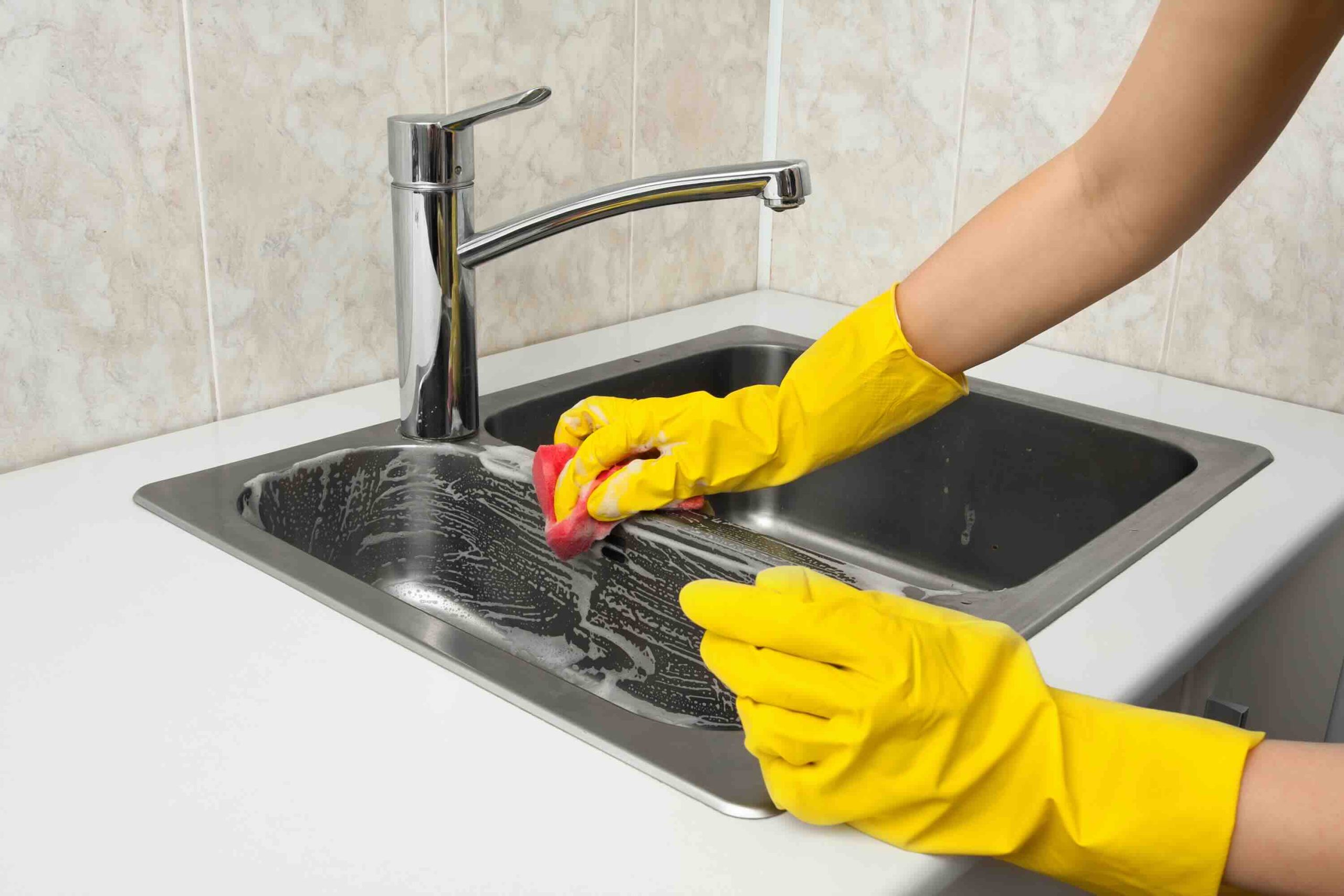
Using Acetone on Stainless Steel: What Every Homeowner Needs to Know
If you have landed here, you are probably staring at a stainless steel appliance or surface with some kind of stubborn residue on it and wondering whether acetone is going to save the day or ruin everything. That is a fair question, and the answer is a little more nuanced than a simple yes or no. Acetone is a powerful solvent, and stainless steel is one of the tougher materials in your home, but that does not mean the two always play nicely together. Let us break it all down so you can make a smart, informed decision before you reach for that nail polish remover or hardware store bottle.
What Is Acetone and Why Do People Use It on Stainless Steel
Acetone is an organic solvent found in nail polish remover, paint thinner, and a wide range of industrial cleaning products. It works by dissolving other substances, which makes it appealing when you are dealing with adhesives, grease, paint, or stubborn sticky residue that will not budge with soap and water. Stainless steel surfaces, including refrigerators, dishwashers, sinks, range hoods, and countertops, are common targets for this kind of treatment because they are high-use surfaces that attract all kinds of grime. The idea makes sense on paper: use a strong solvent to cut through a tough mess. The reality requires a bit more care.
Is Acetone Safe to Use on Stainless Steel
Generally speaking, acetone is considered safe for use on stainless steel when applied correctly and sparingly. The metal itself does not chemically react with acetone the way some materials do. However, the word “generally” is doing a lot of work in that sentence. Several factors affect the outcome, including the grade of the stainless steel, the type of finish on the surface, and whether any protective coatings or sealants have been applied by the manufacturer. Most household stainless steel appliances use a brushed or polished finish that can be sensitive to aggressive solvents if they are left on too long or applied with too much pressure. So while acetone is not going to eat through your refrigerator door, it can cause visible damage if you treat it carelessly.
What Acetone Can Actually Remove from Stainless Steel
This is where acetone earns its reputation. When used correctly, it is genuinely effective at removing a specific set of substances from stainless steel surfaces. Here is a quick look at what it handles well:
- Adhesive residue from stickers, tape, or labels on appliances
- Grease and oil-based residue that degreasers miss
- Ink stains and marker marks
- Paint splatters or drips from renovation work near appliances
- Certain types of rust-adjacent discoloration caused by surface contamination
For most of these problems, a small amount of acetone applied to a soft cloth and wiped in the direction of the steel’s grain will do the job quickly. That grain direction detail matters more than people realize, and it comes up again in the tips section below.
The Real Risks of Using Acetone on Stainless Steel
Here is where things get a little more complicated. Acetone can cause problems on stainless steel under certain conditions. If the surface has a factory-applied coating, like a fingerprint-resistant treatment that many modern appliances use, acetone can strip that coating right off. Once that protective layer is gone, you will notice fingerprints and smudges much more visibly, and you cannot easily restore the original finish without professional help. Acetone can also cause streaking or dull spots if it is not wiped off completely and quickly. It evaporates fast, but on some finishes it leaves a haze. There is also a safety angle worth noting: acetone is highly flammable and should never be used near an open flame or a pilot light, which is a realistic concern when you are cleaning around a gas range.
How to Use Acetone on Stainless Steel the Right Way
If you have decided acetone is the right tool for the job, technique is everything. Rushing through this or using too much product is where people tend to cause damage. Follow these steps carefully:
- Test first: Apply a tiny amount to an inconspicuous area and wait a few minutes to check for discoloration or finish damage
- Use a clean, soft cloth: Avoid abrasive pads or paper towels that can scratch the surface
- Apply in the direction of the grain: Stainless steel has a visible grain pattern, and working with it prevents micro-scratches
- Use minimal product: A little acetone goes a long way; do not saturate the cloth
- Wipe immediately: Do not let acetone sit on the surface; work in small sections and clean as you go
- Follow up with a stainless steel cleaner or polish: This restores any lost sheen and adds a light protective layer
- Ventilate the area: Open windows or run a kitchen exhaust fan while working

When to Avoid Acetone Entirely on Stainless Steel
There are situations where acetone is simply the wrong choice, no matter how stubborn the stain. If your stainless steel appliance has any kind of manufacturer-applied protective coating, the product documentation will often indicate that solvent-based cleaners should be avoided. High-end ranges, refrigerators with smudge-proof finishes, and specialty kitchen sinks sometimes fall into this category. In these cases, the cost of stripping the finish far outweighs the convenience of using a powerful solvent. Check the owner’s manual or contact the manufacturer before proceeding if you are not sure. Additionally, if the stain you are trying to remove is rust, acetone is not your answer. Rust on stainless steel is a different problem that requires a dedicated rust remover or oxalic acid-based product.
Common Mistakes Homeowners Make with Acetone and Stainless Steel
Experience with homeowners and home maintenance reveals a predictable set of errors when people use acetone on stainless steel for the first time. Using too much product is the most common one. Acetone is concentrated; there is no need to flood the surface. Another frequent mistake is wiping against the grain, which creates tiny scratches that catch light in unflattering ways and can trap dirt over time. Some people also mistakenly believe that if a little acetone works, more will work better, and they end up with a dull or streaky finish. Finally, skipping the follow-up polish step leaves the stainless steel more vulnerable than before you cleaned it. The polish is not optional; it is part of the process.
Acetone and Your Stainless Steel Appliances in the Context of Home Maintenance
Understanding how to clean and maintain your stainless steel appliances properly is part of responsible homeownership. Stainless steel appliances represent a meaningful investment in most homes, and surface damage from improper cleaning can affect both appearance and resale value. Regular maintenance, including appropriate cleaning methods, helps extend the functional life of your appliances. However, surface care is just one piece of the puzzle. Mechanical failures, internal component breakdowns, and system malfunctions are a separate category of concern, and that is where having a solid home warranty makes a real difference. Keeping your appliances looking great on the outside matters, but protecting them on the inside is equally important.
Why Armadillo Is the Right Partner for Protecting Your Stainless Steel Appliances
You can keep every stainless steel surface in your home spotless, but mechanical failures do not care how carefully you clean. When your refrigerator compressor gives out or your dishwasher stops draining, no amount of acetone or polishing cloth is going to fix that. That is exactly the kind of problem a home warranty is designed to handle. At Armadillo home warranty plans for appliance and system protection, the focus is on making homeownership less stressful by covering the repairs and replacements that catch people off guard. If you want to stop worrying about unexpected appliance breakdowns and start feeling confident about the systems running your home, you can get a personalized home warranty quote to protect your kitchen appliances and more in just a few minutes. Real coverage for real problems, explained clearly and priced fairly, is what Armadillo brings to the table.

Frequently Asked Questions About Acetone on Stainless Steel
Below are answers to the most common questions homeowners have about using acetone on stainless steel surfaces and appliances.
Will acetone damage stainless steel?
Acetone will not chemically damage the underlying stainless steel metal, but it can damage protective coatings, factory-applied finishes, or fingerprint-resistant treatments commonly found on modern appliances. Always test in a hidden area first.
Can I use nail polish remover on my stainless steel refrigerator?
Yes, with caution. Most nail polish removers contain acetone and can be used to remove adhesive or sticky residue from stainless steel surfaces. Use a small amount on a soft cloth, work in the direction of the grain, and wipe clean immediately.
How do I remove sticky residue from stainless steel without damaging the finish?
Start with a gentler option like rubbing alcohol or dish soap. If those do not work, apply a small amount of acetone to a soft cloth and gently rub in the direction of the steel’s grain. Follow up with a stainless steel polish.
Is it safe to use acetone near my gas stove or range?
No. Acetone is highly flammable and should never be used near open flames, pilot lights, or heat sources. Ensure the appliance is completely off and cool, and ventilate the area thoroughly before using any acetone-based product.
Can acetone remove rust from stainless steel?
No. Acetone is not designed to remove rust. For rust on stainless steel, use a dedicated rust remover or a product containing oxalic acid, which is specifically formulated for that purpose.
What should I do after using acetone on stainless steel?
After cleaning with acetone, wipe the surface down with a clean damp cloth to remove any residue, then apply a stainless steel cleaner or polish to restore the finish and add a light protective barrier.
Does acetone remove the brushed finish on stainless steel?
Acetone itself does not remove the brushed finish, but aggressive scrubbing while applying it can cause micro-scratches that alter the appearance. Always use a soft cloth and follow the direction of the grain to preserve the finish.
How often can I use acetone to clean my stainless steel appliances?
Acetone should be used sparingly and only for specific problems like adhesive removal or stubborn residue. It is not a routine cleaner. For regular maintenance, use a dedicated stainless steel cleaner or mild dish soap instead.
Can acetone help remove hard water stains from stainless steel sinks?
Acetone is not the ideal product for hard water stains. Stains caused by mineral deposits respond better to white vinegar or a citric acid-based cleaner. Acetone excels at oil-based, adhesive, or paint-type residues rather than mineral buildup.
Does using acetone on a stainless steel appliance void the warranty?
It can, depending on the manufacturer. Some appliance warranties specify that the use of harsh solvents on the exterior finish voids the cosmetic warranty. Check your appliance documentation before using acetone, especially on newer or high-end models.