
Are Home Warranties Actually Scams? Here Is What Homeowners Need to Know
If you have ever typed “home warranties are scams” into a search engine, you are not alone. That frustration is real, and it usually comes after a denial letter, a repair bill that was not covered, or a technician who never showed up. The truth is more layered than a simple yes or no, and understanding that distinction could save you a significant amount of money and stress. This article walks you through how the home warranty industry actually works, where it goes wrong, and how to tell the difference between a predatory policy and a legitimate plan worth your money.
What Is a Home Warranty and How Does It Work
A home warranty is a service contract, not an insurance policy, that covers repair or replacement costs for home systems and appliances that break down due to normal wear and tear. You pay an annual or monthly premium, and when something fails, you submit a claim. The warranty company dispatches a technician, you pay a service call fee, and the company covers the remaining approved repair cost. That is the basic framework. Where things get complicated is in the fine print, which varies dramatically from one provider to the next.
Why So Many Homeowners Feel Scammed by Home Warranties
The industry has earned a complicated reputation, and not without reason. Homeowners frequently report paying premiums for years only to have claims denied at the worst possible moment. The frustration is understandable because the expectation is simple: something breaks, the warranty pays. But the reality involves coverage caps, exclusions for pre-existing conditions, requirements for maintenance documentation, and definitions of “normal wear and tear” that differ wildly from what a homeowner would expect. These gaps between expectation and execution are where the scam label comes from, and honestly, it sticks for a reason when companies deliberately exploit those gaps.
The Specific Tactics That Make Some Home Warranty Companies Look Like Scams
Not every home warranty company operates in bad faith, but some do. The ones that give the industry its worst reputation tend to rely on a few common tactics. Knowing these patterns helps you spot trouble before you sign anything.
- Vague exclusion language buried deep in contracts that allows nearly any claim to be denied
- Low coverage caps that cover only a fraction of actual repair costs for major systems
- Slow or unresponsive claims processes that delay repairs for weeks
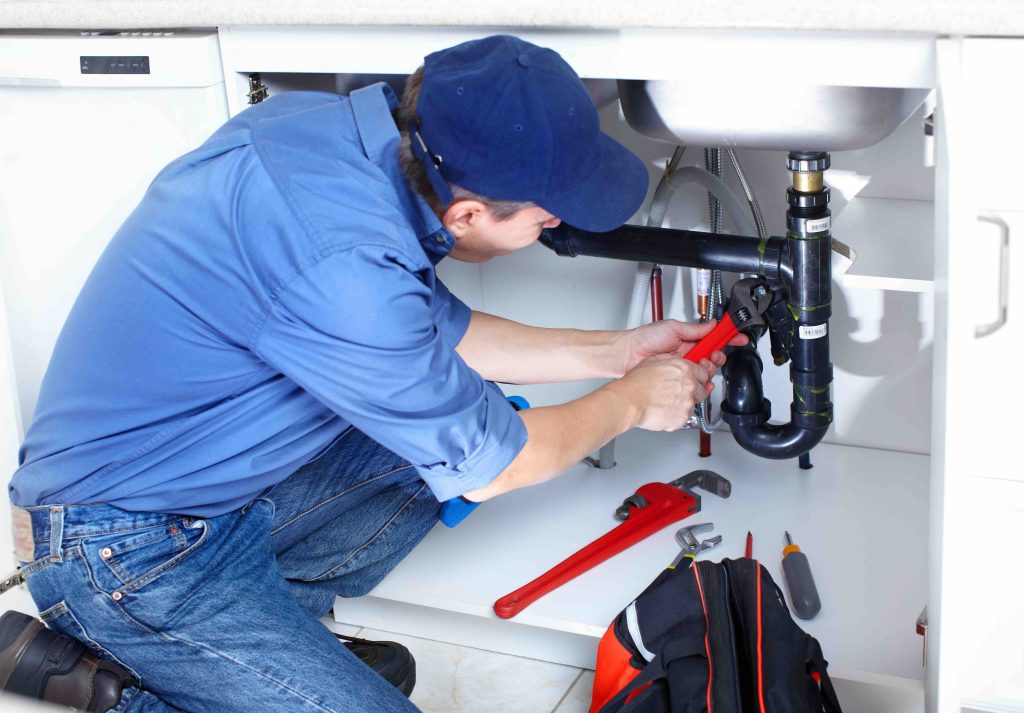
- Third-party technicians with inconsistent quality and limited accountability
- Automatic renewals with rate increases that are easy to miss and hard to cancel
Are There Legitimate Home Warranty Companies Out There
Yes, and this is an important distinction. The existence of bad actors does not make every home warranty a scam. Legitimate providers offer transparent contracts, clearly defined coverage limits, responsive customer service, and a network of qualified technicians. The challenge is that the industry lacks universal regulation, so quality control falls largely on the consumer to research before purchasing. Reading verified reviews, understanding coverage details before signing, and comparing multiple providers are all steps that separate a smart purchase from a costly mistake.

What Home Warranties Actually Cover and What They Do Not
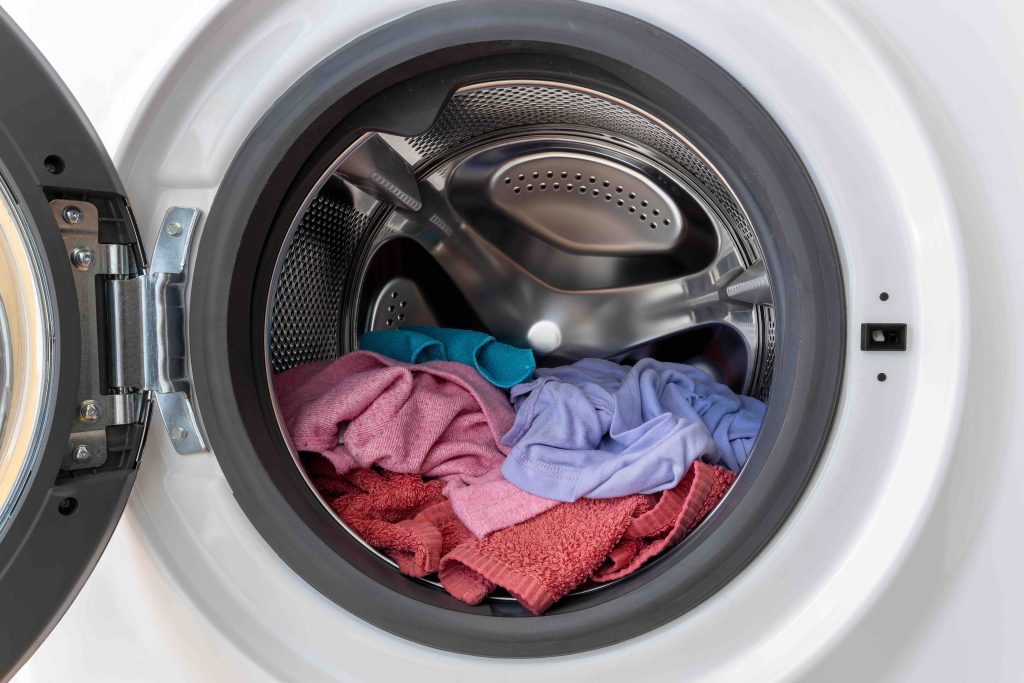
Coverage varies by plan, but most standard home warranty contracts include major home systems like HVAC, electrical, and plumbing, as well as common appliances such as refrigerators, dishwashers, washers, and dryers. What is frequently excluded includes cosmetic damage, failures resulting from improper installation, items that were already broken at the time of purchase, and certain high-cost components even within covered systems. This is not inherently dishonest, but it becomes a problem when exclusions are not communicated upfront or are written in ways that make them deliberately difficult to find.
Red Flags to Watch for Before Signing a Home Warranty Contract
Doing your homework before committing to a plan is the most effective protection you have. These warning signs indicate a provider that may not deliver on its promises.
- No clearly listed coverage caps or ones that are extremely low relative to market repair costs
- Inability to speak to a real person before purchasing
- No clearly stated cancellation policy
- Overwhelmingly negative reviews about claims denials specifically
- Contracts that require you to use only their approved vendors with no flexibility
- Missing or vague information about how disputes are handled
How Home Maintenance Affects Your Home Warranty Coverage
This is an area that surprises a lot of homeowners. Many warranty providers include language stating that coverage can be voided if a failure is linked to improper or insufficient maintenance. That means if your HVAC system breaks down and you cannot show that you replaced filters regularly or had annual service performed, your claim could be denied. This is not necessarily a scam, it is a contractual condition, but it is one that companies sometimes use more aggressively than feels fair. Keeping a simple log of maintenance tasks and service dates is a practical way to protect yourself and strengthen any future claim.
When a Home Warranty Is Actually Worth It
A home warranty makes the most sense for homeowners who are not comfortable with large, unpredictable repair bills and who own systems or appliances that are aging but still functional. If you have a newer home with systems still under manufacturer warranties, the value proposition weakens. If you are a first-time homeowner, someone who travels frequently, or someone who prefers a single point of contact for home repairs rather than sourcing contractors independently, a reputable home warranty plan can deliver genuine peace of mind. The key word is reputable. The plan itself is a tool, and like any tool, its value depends entirely on the quality of the product.
Why Armadillo Stands Apart in an Industry With a Complicated Reputation
If the home warranty industry has taught consumers anything, it is that transparency and simplicity are not negotiable. Armadillo was built with that frustration in mind. Rather than layering contracts with exclusions designed to minimize payouts, Armadillo focuses on straightforward coverage, honest communication, and a claims process that does not feel like an obstacle course. Homeowners who are done playing guessing games with coverage and want a provider that takes accountability seriously should explore a home warranty company that actually delivers on its promises. If you are ready to stop wondering and start protecting your home with a plan built for real life, you can get a transparent home warranty quote that shows exactly what is covered in just a few minutes. No surprises, no fine print mazes.

Frequently Asked Questions About Home Warranties and Whether They Are Scams
These are the questions homeowners ask most often when trying to decide whether a home warranty is worth pursuing or avoiding.
Are all home warranties scams?
No, not all home warranties are scams. The industry does have providers that operate with unclear terms and poor claims practices, but legitimate companies exist that offer genuine value. The difference comes down to contract transparency and how the company handles claims when things actually go wrong.
Why do home warranty companies deny so many claims?
Claim denials typically happen because of exclusions written into the contract, failures linked to pre-existing conditions, or breakdowns that the company attributes to improper maintenance. Reading the full contract before purchasing significantly reduces the likelihood of an unexpected denial.
What is the difference between a home warranty and homeowners insurance?
Homeowners insurance covers damage from events like fires, storms, and theft. A home warranty covers mechanical failures of systems and appliances due to normal wear and tear. The two serve different purposes and are generally not interchangeable.
Can a home warranty company cancel my plan after I file a claim?
Some providers include language in their contracts that allows them to cancel or non-renew after certain conditions are met. Reading the cancellation terms carefully before signing is essential to understanding your rights as a policyholder.
Is a home warranty worth it for a new home?
For newer homes where systems and appliances are likely still under manufacturer warranties, a home warranty may offer limited additional value. However, as those manufacturer warranties expire, a home warranty becomes a more practical consideration.
What should I look for in a reputable home warranty company?
Look for clear coverage terms, defined and reasonable coverage caps, a straightforward claims process, verifiable customer reviews focused on claims experiences, and responsive customer support that is accessible before you purchase, not just after.
Can I use my own contractor with a home warranty?
This depends on the provider. Some require you to use only their approved technician network, while others allow you to request or use an outside contractor. If contractor flexibility matters to you, confirm this before signing.
How do coverage caps affect what I actually get paid out?
Coverage caps set the maximum amount a company will pay for a specific repair or replacement. If your HVAC system costs three thousand dollars to replace but your plan has a cap of one thousand dollars, you are responsible for the difference. Always review caps before purchasing a plan.
Does regular home maintenance affect my home warranty coverage?
Yes, it can. Many home warranty contracts require that covered items have been properly maintained. If a failure is linked to neglect or lack of routine maintenance, the claim may be denied. Keeping records of maintenance activity is a practical way to protect your coverage.
How do I file a complaint against a home warranty company?
You can file complaints through your state attorney general’s office, your state insurance or consumer protection department, or the Better Business Bureau. If a company is operating deceptively, documenting every interaction and keeping records of your contract and claim communications will support your case.