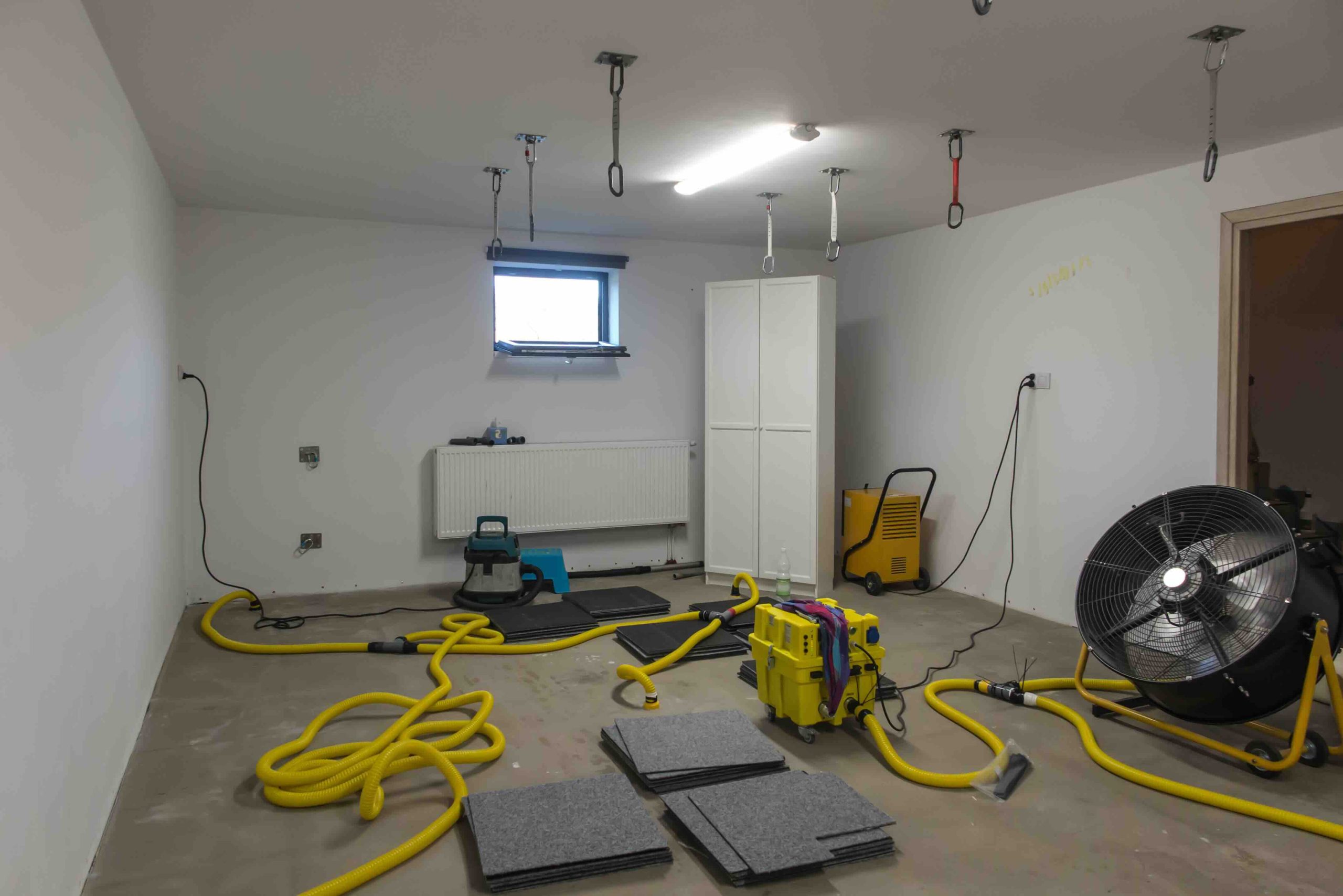
When Your Basement Floods: What Every Homeowner Needs to Know
You walk downstairs and feel it before you even see it. That cold, wet squish underfoot. Water where water should absolutely not be. A flooded basement is one of those homeowner experiences that stops you in your tracks, and if you have never dealt with it before, the whole situation can feel overwhelming fast. The good news is that understanding why basements flood, how to respond, and what systems actually protect you can make a serious difference in how much damage you end up dealing with, and how much money comes out of your pocket.
Why Basements Flood in the First Place
Basements sit below grade, which means they are surrounded by soil on multiple sides. That soil absorbs rainwater, snowmelt, and groundwater, and when it becomes saturated, water starts looking for somewhere else to go. Unfortunately, your basement walls and floor are often that somewhere else. Hydrostatic pressure builds up in the surrounding soil and can push water through cracks in the foundation, gaps around pipes, or through porous concrete itself. Beyond pressure, there are interior causes too. A failed sump pump, a burst pipe, a backed-up drain, or a malfunctioning water heater can all send water pouring into a finished or unfinished basement. Not every flood is a dramatic weather event. Sometimes it is just a pump that quietly gave up at 2 in the morning.
The Role of a Sump Pump in Basement Water Management
If you have a basement, there is a reasonable chance you already have a sump pump, or you probably should. A sump pump sits in a pit dug into the lowest point of your basement floor. As groundwater rises or water accumulates in that pit, the pump activates and pushes the water out through a discharge line that leads away from your home. It is one of the most straightforward and effective defenses against basement flooding you can have. There are two main types: pedestal pumps, where the motor sits above the pit, and submersible pumps, which sit inside the pit and are generally quieter and more efficient. Most sump pumps run on electricity, which creates an obvious vulnerability. During a major storm when flooding is most likely, power outages are also most likely. That is why battery backup sump pumps exist, and why they are worth serious consideration.
Drainage Systems That Work Alongside Your Sump Pump
A sump pump alone is not always enough. Interior drainage systems, sometimes called French drains or perimeter drain tile systems, are designed to collect water that seeps through your foundation walls or floor and channel it toward the sump pit. These systems are typically installed along the perimeter of the basement floor, beneath a layer of gravel, and they redirect water before it can pool and cause damage. Exterior drainage systems work similarly but are installed outside the foundation to intercept water before it ever gets near your basement walls. Both approaches are effective, and the right choice often depends on your home’s age, construction type, and the specific source of your water intrusion problem.

Key Advantages of Proper Basement Water Protection
Installing a working waterproofing system and maintaining your sump pump delivers real, tangible benefits that go beyond keeping your feet dry. Here is what homeowners consistently gain from taking basement water management seriously:
- Significant reduction in mold and mildew risk, which can cause costly remediation projects and health concerns
- Protection of structural integrity, since prolonged water exposure weakens foundations, floor joists, and support beams over time
- Preservation of finished basement spaces and stored belongings
- Potential increase in home resale value, as buyers pay close attention to basement conditions during inspections
- Lower long-term repair costs compared to addressing major water damage after the fact
Common Drawbacks and Limitations to Know
No system is perfect, and basement waterproofing is no exception. Sump pumps have a typical lifespan of around seven to ten years, and they can fail without warning. Power outages remain a vulnerability unless you invest in a battery backup or water-powered backup system. Interior drainage systems manage water after it enters the home rather than stopping it at the source, which bothers some homeowners from a conceptual standpoint. Exterior waterproofing is more comprehensive but also significantly more expensive and disruptive, often requiring excavation around the entire foundation. And even the best-installed system needs periodic maintenance. A pump that has not been tested in two years may not perform when you actually need it.
How to Maintain Your Basement Water Systems Year-Round
Maintenance does not have to be complicated, but it does need to happen consistently. A few simple habits can dramatically extend the life of your waterproofing systems and reduce the risk of a surprise flood.
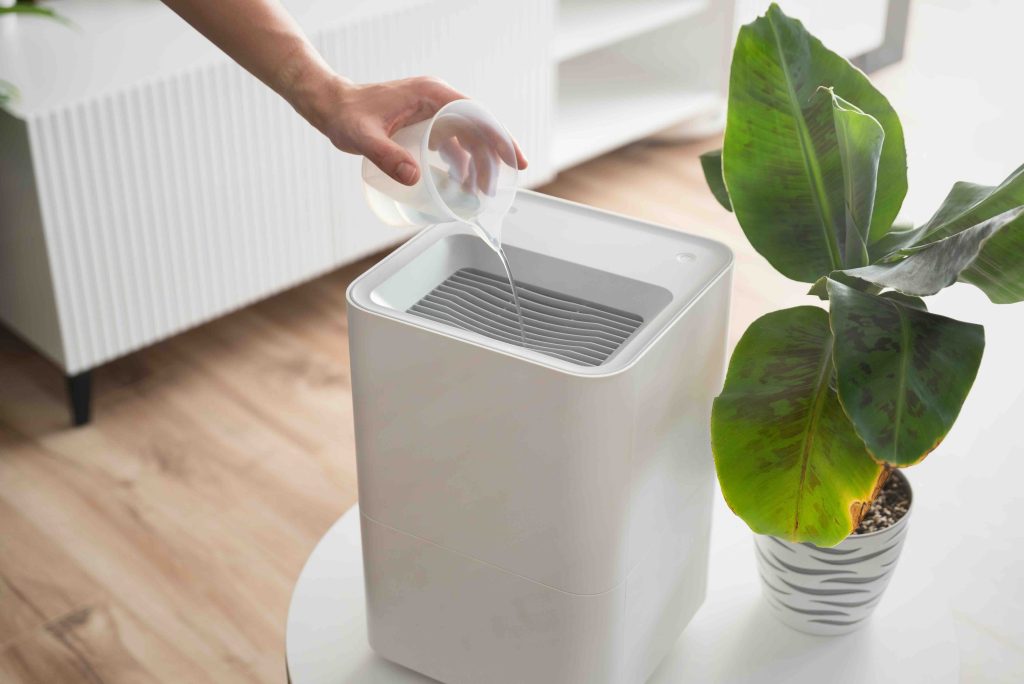
- Test your sump pump every three to four months by pouring water into the pit and confirming it activates and discharges properly
- Check the discharge line seasonally to ensure it is not blocked by debris, ice in winter, or soil displacement
- Inspect your basement walls for new cracks or efflorescence, the white mineral deposits that signal water movement through concrete
- Make sure your gutters and downspouts are clean and directing water at least six feet away from the foundation
- Confirm that the grading around your home slopes away from the foundation rather than toward it
What Home Warranties Typically Cover When It Comes to Basements
This is where a lot of homeowners get caught off guard. Home warranties are service contracts that cover the repair or replacement of major home systems and appliances when they fail due to normal wear and tear. A quality home warranty plan can cover your sump pump, and if the pump fails mechanically, meaning it breaks down under normal use rather than from external flooding, a home warranty may step in to handle the repair or replacement cost. That distinction matters. Home warranties are not the same as homeowners insurance. Insurance typically addresses structural damage from sudden events. A home warranty handles the mechanical failure of covered systems and appliances, which is exactly the kind of quiet, inconvenient breakdown that costs homeowners money year after year.
Recognizing the Warning Signs Before a Basement Flood Occurs
The best flood is the one that never happens. Paying attention to early warning signs gives you a window to act before a minor issue becomes a major disaster. Watch for damp spots or water stains on basement walls, especially after rain. Musty odors are often the first indication of moisture accumulation, even when no standing water is visible. A sump pump that runs constantly or cycles on and off erratically is telling you something is off in the drainage balance around your foundation. Efflorescence on concrete block walls, peeling paint, or rust stains near the base of the wall are all indicators that water is making regular, unwelcome contact with your foundation. Catching these signs early gives you options. Ignoring them removes them.
Why Armadillo Is Worth Having in Your Corner When Basement Systems Fail
Basement water systems work quietly in the background, and most homeowners do not think about them until something goes wrong. When a sump pump fails at midnight during a rainstorm, the last thing you want is to spend an hour searching for a reliable contractor and negotiating pricing under pressure. That is exactly the kind of situation a home warranty is designed for. Armadillo home warranty coverage for sump pumps and essential home systems gives homeowners a straightforward path to getting repairs handled without the stress, the haggling, or the unpredictable out-of-pocket costs. Armadillo keeps things simple and transparent, which is genuinely rare in this industry. If you have been putting off thinking about what happens when your basement protection systems finally give out, now is a good time to take a few minutes and get a personalized home warranty quote that covers your sump pump and more. Your basement will not thank you, but your wallet probably will.

Frequently Asked Questions About Basement Flooding and Water Protection
Homeowners dealing with basement water issues tend to have a lot of questions, and the answers are usually more straightforward than expected. Here are the most common ones worth knowing.
What is the most common cause of a flooded basement?
The most common cause is hydrostatic pressure from saturated soil surrounding the foundation, which forces water through cracks, gaps, or porous concrete. Interior causes like a failed sump pump or burst pipe are also frequent culprits.
How long does a sump pump typically last?
Most sump pumps have a lifespan of seven to ten years with regular maintenance. Units that run frequently due to high water tables may wear out faster and should be inspected more often.
Does homeowners insurance cover basement flooding?
Standard homeowners insurance does not cover flooding from external sources. Flood insurance is a separate policy. However, sudden and accidental water damage from interior sources like a burst pipe may be covered depending on your policy terms.
What does a home warranty cover regarding basement water systems?
A home warranty can cover the mechanical failure of a sump pump due to normal wear and tear. It does not cover flood damage itself or damage caused by external water intrusion. Coverage details vary by provider and plan.
Is interior basement waterproofing as effective as exterior waterproofing?
Interior systems manage water after it enters the foundation perimeter, while exterior systems intercept it before it reaches the wall. Exterior waterproofing is generally more comprehensive but significantly more expensive. Many homeowners use both approaches together for full protection.
Do I need a battery backup for my sump pump?
A battery backup is strongly recommended. Power outages most commonly occur during severe storms, which are also the highest-risk periods for basement flooding. A battery backup ensures the pump continues operating when grid power fails.
How can I tell if my sump pump is failing?
Signs of a failing sump pump include unusual noises during operation, the pump running constantly without clearing water, visible rust or corrosion on the unit, and the pump failing to activate when water is present in the pit.
Can I waterproof my basement myself?
Minor surface sealing with hydraulic cement or waterproofing paint can be a DIY project, but comprehensive interior drainage systems and exterior waterproofing require professional installation. Incorrect installation can worsen the problem.
How often should I test my sump pump?
Testing every three to four months is a reasonable standard. Pour water slowly into the pit until the float activates the pump, then confirm the water discharges properly through the outlet line.
What should I do immediately after my basement floods?
Prioritize safety first by ensuring there is no electrical hazard from standing water near outlets or panels. Then document the damage thoroughly with photos before beginning any cleanup. Contact your insurance provider and, if the pump failed mechanically, your home warranty provider as soon as possible.