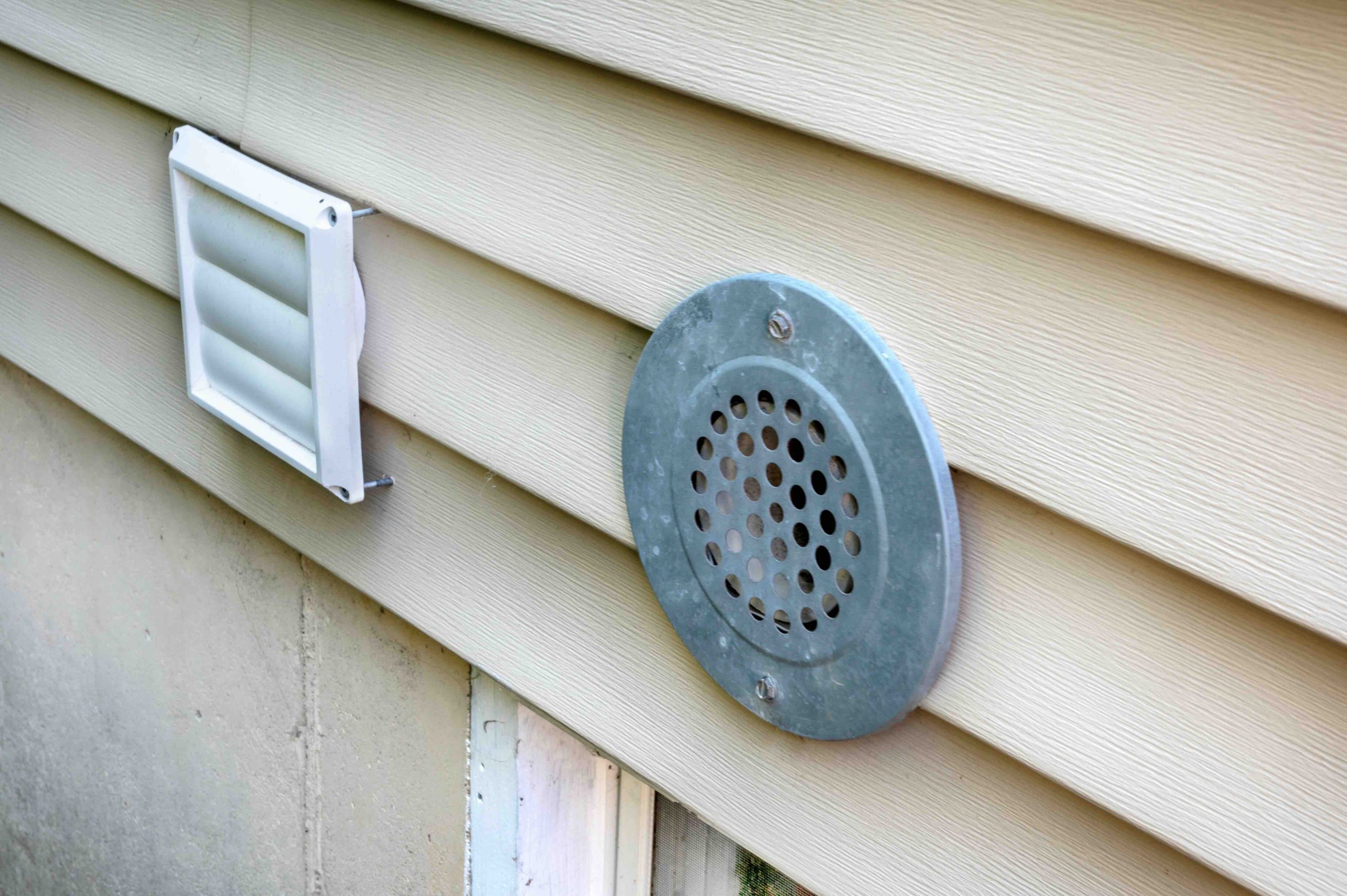
What Is a Dryer Vent Cover and Why Does It Matter?
If you have a dryer, you have a dryer vent. And if you have a dryer vent, it needs a cover on the outside of your home. That part is not optional. The dryer vent cover is the exterior cap or flap that sits where your dryer duct exits through the wall or roof of your house. Its job is straightforward: let hot, moist air escape when the dryer runs, and block everything else from getting in when it is not. Pests, rain, wind, debris, and cold air are all looking for a way inside, and without the right cover, your vent becomes an open invitation. Choosing the best dryer vent cover is a small decision that carries some surprisingly real consequences for your home.
How a Dryer Vent Cover Actually Works
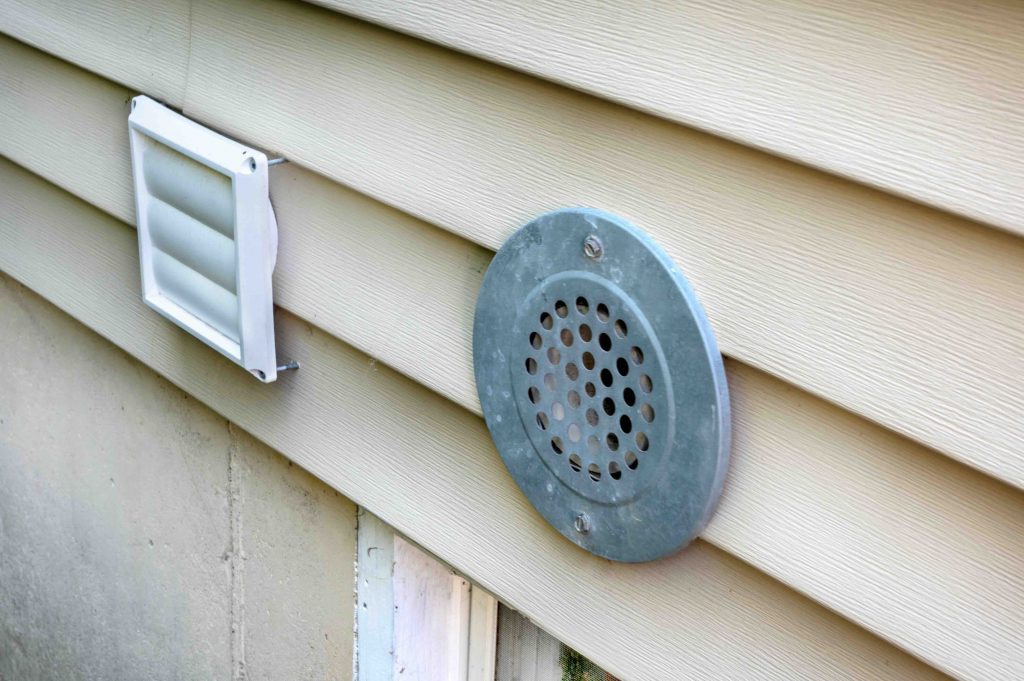
The mechanics here are simple, which is part of why this component gets overlooked. When your dryer runs, it pushes warm, lint-laden air through a duct that runs from the back of the machine through your wall and exits outside. The cover sits at that exit point and typically uses one or more flaps, louvers, or a draft hood to open when airflow pushes through and close when the dryer is off. The best dryer vent covers do this reliably cycle after cycle without sticking, rusting, or clogging with lint buildup. The cover needs to seal well enough to keep the outside world out, but open freely enough that it does not restrict airflow and create a hazard inside your vent system. That balance matters more than most homeowners realize.
Types of Dryer Vent Covers Available
Not all covers are built the same, and the differences are worth knowing before you buy. Here is a quick look at the main styles you will encounter:
- Single-flap covers: The most common and basic design. One hinged flap opens with airflow. Affordable but can sag or warp over time.
- Multi-flap or louvered covers: Multiple smaller flaps open simultaneously. They tend to seal more tightly and are more resistant to backdrafts and pests.
- Draft hood covers: Dome-shaped caps typically installed on rooftop vents. They block rain and debris effectively but require more maintenance.
- Pest guard covers: Designed with wire mesh or tight-fit flaps specifically to block birds, squirrels, and insects. Great in wooded or suburban areas.
- Magnetic closure covers: A newer option where flaps stay sealed with magnets until airflow opens them. These tend to offer the best seal and are growing in popularity.
Material matters too. Plastic covers are cheap but degrade quickly in UV exposure and extreme temperatures. Aluminum and galvanized steel hold up far better over time. For most homes, a metal multi-flap or magnetic cover in four-inch diameter is the go-to recommendation.
Key Advantages of Choosing the Right Dryer Vent Cover
Getting this right pays off in ways that go beyond aesthetics. The best dryer vent cover reduces the risk of lint buildup by allowing consistent, unrestricted airflow out of the duct. When airflow is compromised, lint accumulates in the duct itself, and that is a fire hazard that the National Fire Protection Association takes seriously. Beyond fire safety, a well-sealed cover keeps moisture out, which protects the duct lining and the wall cavity around it from mold and rot. It also keeps your energy bills in check by preventing cold outside air from drifting back in through a poorly sealed flap. And practically speaking, it keeps animals from nesting in the duct, which is a more common problem than people expect.
Common Drawbacks and Risks to Know
Even the best dryer vent cover can become a problem if it is not maintained. Lint is the main culprit. Over time, lint collects on and around the flaps, causing them to stick open or fail to open fully. A stuck-open flap lets cold air and pests in. A flap that does not open properly causes the dryer to work harder, extends drying times, and can eventually lead to overheating. Cheap plastic covers crack in cold climates, and bent or warped flaps lose their seal. Pest guard mesh screens, while helpful, can clog faster with lint and need more frequent cleaning. The takeaway is that no cover is completely maintenance-free, and a neglected one can quietly become a bigger issue than having no cover at all.

What to Look For When Buying the Best Dryer Vent Cover
Shopping for a dryer vent cover should not feel complicated, but there are a few non-negotiable criteria to run through. First, confirm your duct diameter. Most residential dryers use a four-inch duct, but measure before you buy. Second, choose metal over plastic whenever possible. Aluminum is lightweight and rust-resistant. Galvanized steel is more durable. Third, look for a cover with flaps that open with minimal resistance, ideally under a quarter pound of pressure, so airflow is not restricted. Fourth, consider your local climate and environment. Colder regions benefit from tighter-sealing magnetic covers. Homes near trees or in areas with active wildlife should prioritize pest guard designs. Finally, check that the cover meets local building codes, particularly if you are in a newer development or replacing an existing cover after a home inspection flag.
Installation Tips for Homeowners
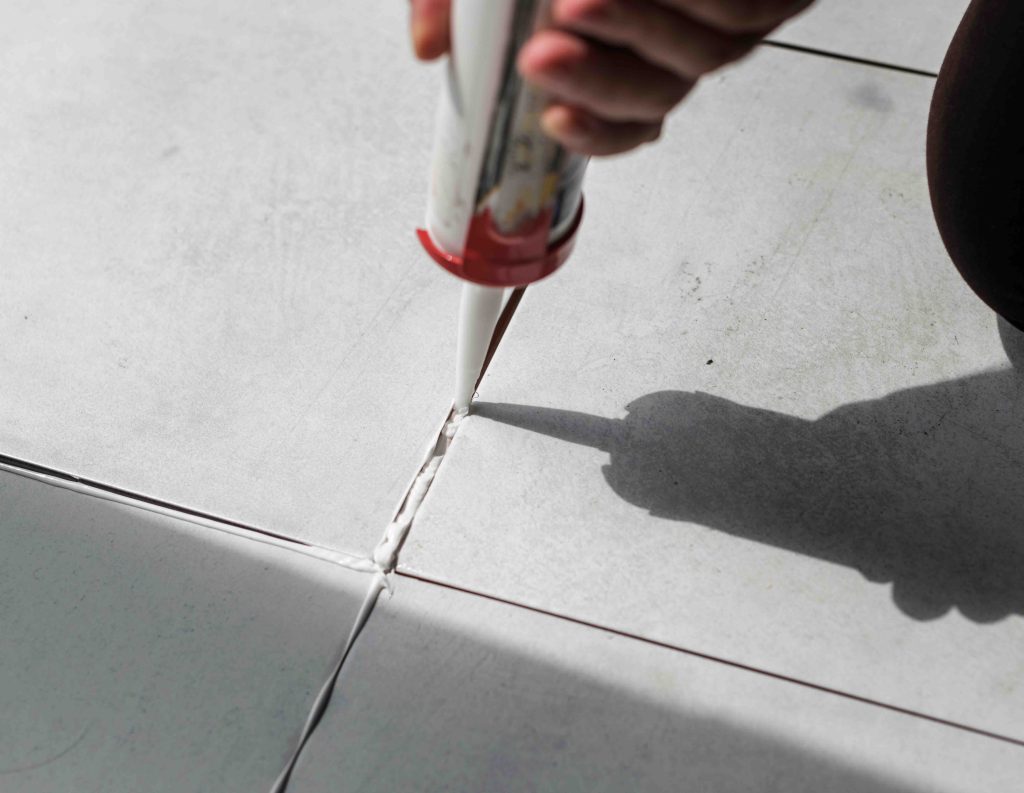
Installing a dryer vent cover is a manageable DIY project for most homeowners. The existing cover typically unscrews or unclips from the exterior wall. Before installing the new one, clean the duct opening and check the duct itself for lint buildup, which is a good habit any time you are working near the vent. Use weatherproof caulk around the perimeter of the new cover to seal gaps between the cover and the siding. Make sure the flap hangs correctly and opens downward or outward depending on the design. Run the dryer briefly after installation to confirm the flap opens and closes as expected. If the duct exit is on the roof, a professional installation is worth considering given the safety and waterproofing requirements involved.
Maintenance and How Often to Clean Your Dryer Vent Cover
The cover should be visually inspected at least twice a year. Look for lint buildup around the flap edges, cracks in the housing, and signs of pest activity such as nesting material or droppings near the opening. A soft brush or compressed air works well for clearing lint from the flap mechanism. Cleaning the full dryer duct system once a year is a widely recommended practice, and while you are doing that, check the cover from the inside and outside. If the flap no longer snaps shut on its own or the housing is visibly cracked or corroded, replace it. These covers cost between ten and forty dollars for a quality model, so there is no reason to wait on a replacement.
How Dryer Vent Health Connects to Home Maintenance and Warranty Coverage
Here is where things connect to the bigger picture of home ownership. Your dryer is one of the hardest-working appliances in the house, and its performance is directly tied to how well the vent system functions. A blocked or poorly covered vent makes the dryer run longer, stresses the heating element, and shortens the machine’s lifespan. When a dryer fails and a homeowner files a warranty claim, one of the first things reviewed is whether the appliance was maintained correctly, and vent obstruction is a known cause of dryer failure. Keeping the vent cover clean and functional is part of responsible appliance maintenance, and it is the kind of documentation that supports a smoother claim experience if something does go wrong with the unit.
Why Armadillo Is the Right Partner for Dryer and Appliance Protection
Your dryer does a lot for your home, and so does the vent system that makes it run safely. But even with the best dryer vent cover in place and a consistent maintenance routine, appliances break down. That is not pessimism, that is just home ownership. Having a plan in place before something fails is what separates a manageable repair bill from a stressful one. Armadillo home warranty protection for dryers and household appliances is designed around transparency and straightforward coverage that homeowners can actually count on when it matters. No confusing fine print, no runaround. If you are maintaining your home the right way and want coverage that respects that effort, now is a good time to get a personalized home warranty quote for dryer and appliance coverage and see what protecting your home really looks like.

Frequently Asked Questions About the Best Dryer Vent Cover
What size dryer vent cover do I need?
Most residential dryers use a four-inch duct, so a four-inch dryer vent cover is the standard fit for the majority of homes. Measure the outer diameter of your existing duct before purchasing to confirm the correct size.
What is the best material for a dryer vent cover?
Aluminum and galvanized steel are the top choices. They resist rust, handle temperature extremes well, and outlast plastic covers significantly. Plastic is cheaper but tends to crack and warp over time, especially in direct sun or cold climates.
How do I know if my dryer vent cover is blocked?
Common signs include longer drying times, a dryer that feels unusually hot to the touch, a burning smell during operation, or visible lint or debris around the exterior vent opening. These are all signals to inspect and clean the cover and duct immediately.
Can a bad dryer vent cover cause a fire?
Yes. A damaged or clogged cover restricts airflow, causing lint to accumulate inside the duct. Lint is highly flammable, and restricted airflow combined with dryer heat is one of the leading causes of residential dryer fires. Regular cover maintenance is a direct fire prevention measure.
How often should I replace my dryer vent cover?
There is no fixed lifespan, but most covers should be inspected annually and replaced if the flap no longer seals properly, the housing is cracked, or rust has compromised the structure. Quality metal covers can last a decade or more with proper maintenance.
Can birds nest inside a dryer vent if there is no cover?
Yes, and it happens frequently. Birds, squirrels, and insects are drawn to the warmth and shelter of an unprotected duct. Nesting material inside a vent is both a fire hazard and a blockage risk. A pest guard dryer vent cover is the most effective solution for homes in wooded or suburban environments.
Is it difficult to install a dryer vent cover yourself?
Wall-mounted installations are generally straightforward and manageable for most homeowners. The process involves removing the old cover, cleaning the duct opening, attaching the new cover, and sealing it with exterior-grade caulk. Roof installations are more complex and typically warrant professional help.
Do dryer vent covers work for both gas and electric dryers?
Yes. The vent cover sits at the exterior exit point of the duct and functions the same way regardless of whether the dryer is gas or electric. Both appliance types exhaust warm, moist air that needs to exit the home efficiently.
What is a magnetic dryer vent cover and is it worth it?
A magnetic dryer vent cover uses magnets to keep the flap tightly sealed when the dryer is not running. It opens under airflow pressure and reseals automatically. It offers a superior seal compared to gravity-dependent flap covers and is a worthwhile upgrade in cold climates or pest-prone areas.
Does a clogged dryer vent cover affect my home warranty coverage?
It can. Home warranty providers typically require that appliances be properly maintained. If a dryer fails due to overheating caused by a blocked or malfunctioning vent, the claim may be complicated. Keeping the vent cover clean and functional is part of responsible appliance upkeep and supports a cleaner claims process.