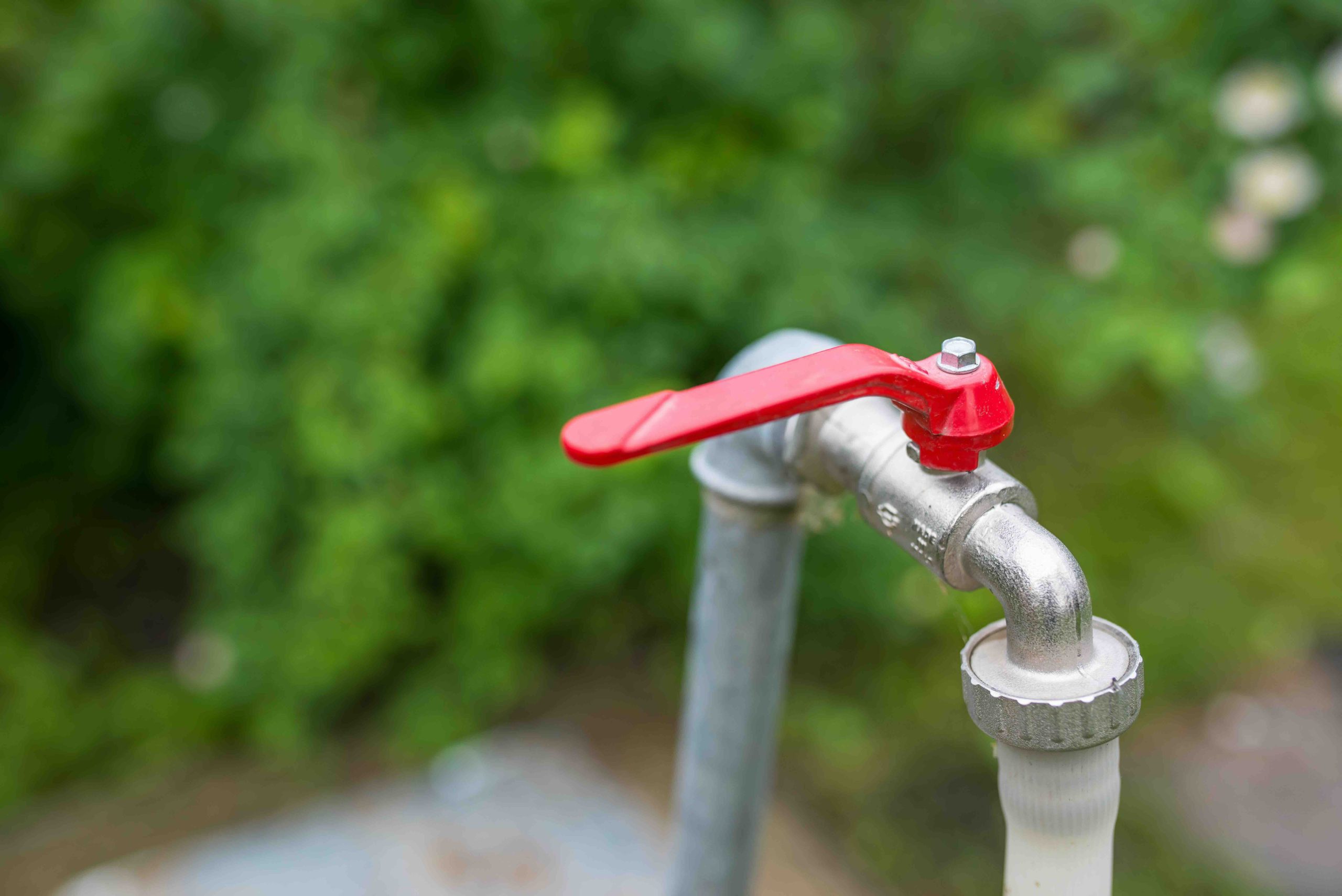
What Is Sprinkler Valve Cleaning and Why Does It Matter?
Your lawn looks thirsty, your irrigation system is running, but certain zones are barely putting out water. Sound familiar? Before you assume the worst, there is a solid chance the culprit is a dirty sprinkler valve. Sprinkler valve cleaning is one of those maintenance tasks that rarely gets talked about but makes a noticeable difference in how well your irrigation system actually performs. These valves control the flow of water to each zone in your yard, and when debris, mineral buildup, or sediment gets inside, they can stick open, fail to open at all, or just perform inconsistently. Keeping them clean is not complicated, but it does require understanding what you are dealing with.
How a Sprinkler Valve Actually Works
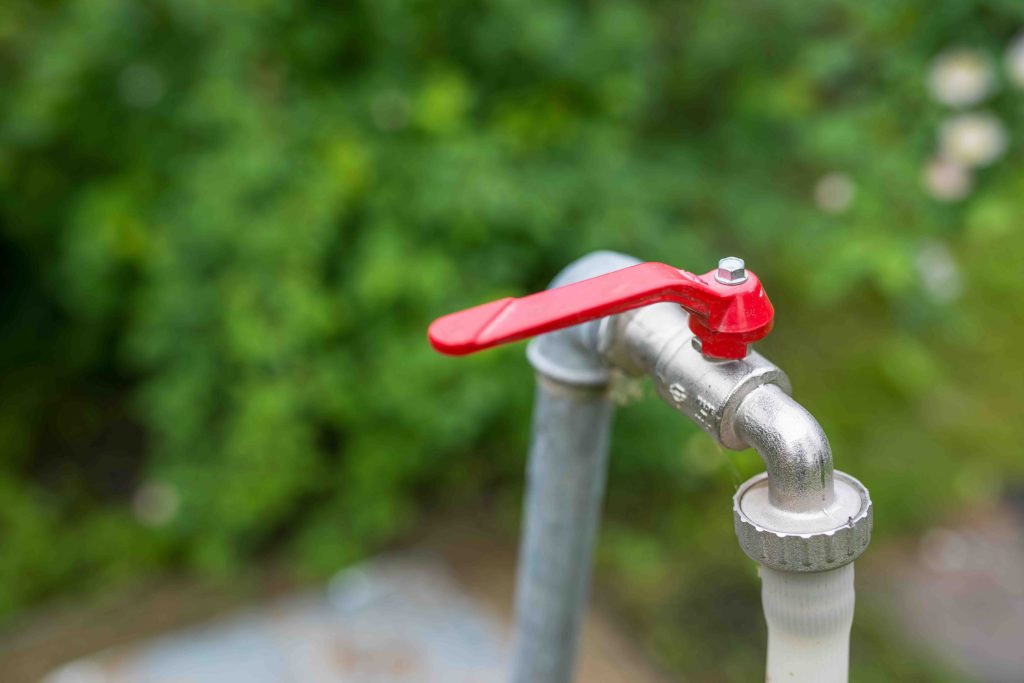
A sprinkler valve is an electromechanical component that sits between your water supply and the irrigation zones in your yard. When your controller sends a signal, the solenoid on the valve energizes and allows water to flow through to that specific zone. Inside the valve body, there is a diaphragm, a small rubber component that flexes to open or close the water path. There is also a solenoid, a filter screen, and various ports that allow pressure to equalize and water to move properly. Any one of these parts can be affected by debris or mineral deposits. When the filter screen gets clogged, water pressure drops. When the diaphragm gets coated with sediment, it may not seal correctly. Knowing this helps you understand exactly why sprinkler valve cleaning is not optional for a well-maintained system.
Signs Your Sprinkler Valves Need Cleaning
Not every irrigation problem points to a dirty valve, but several symptoms are closely associated with valve buildup and debris. Recognizing them early saves you from dealing with dead patches in your lawn or a water bill that suddenly spikes. Here are the most common signs that it is time to clean your sprinkler valves:
- One or more zones are getting noticeably less water pressure than usual
- A zone stays on after the cycle ends, indicating the valve is not closing fully
- A zone never activates even though the controller shows it is running
- You notice water pooling near the valve box, which can signal an internal leak
- The system cycles but grass in certain areas looks consistently dry or brown
These symptoms do not always mean the valve is broken. Sometimes a thorough cleaning is all it takes to restore normal function, which is a much cheaper fix than a full valve replacement.
What Causes Buildup Inside Sprinkler Valves
The leading cause of dirty sprinkler valves is sediment in the water supply. This is especially common in areas with older pipes or well water systems where small particles can enter the irrigation line. Mineral deposits from hard water are another frequent culprit. Over time, calcium and magnesium compounds accumulate on the diaphragm and filter screen, reducing flexibility and flow. Algae and organic debris can also work their way in, particularly if the system has been dormant for a season. It is not a question of whether buildup will happen. It is a question of how quickly and how much it will affect performance.
How to Clean a Sprinkler Valve Step by Step
Sprinkler valve cleaning is a manageable DIY task for most homeowners. Here is a straightforward process to follow once you have located your valve box and confirmed the water supply to that zone is turned off.
- Turn off the water supply to the irrigation system before touching anything
- Open the valve box and locate the valve for the affected zone
- Carefully unscrew the solenoid and set it aside, noting its position
- Remove the valve bonnet or top cap by unscrewing it slowly to release any residual pressure
- Lift out the diaphragm and inspect it for cracks, warping, or coating
- Rinse the diaphragm, filter screen, and all internal components under clean water
- Use a soft brush or toothbrush to gently scrub away mineral deposits or sediment
- Flush the valve body itself with clean water to clear any remaining debris
- Reassemble in reverse order, hand-tightening the bonnet before turning the water back on
- Run the zone manually to confirm proper operation before closing the valve box
If the diaphragm looks cracked or warped during inspection, replace it rather than reinstalling it. Diaphragm kits are inexpensive and widely available at hardware stores.

Tools and Supplies You Will Need
You do not need a truck full of specialty tools to handle sprinkler valve cleaning. A flathead screwdriver or a valve key for the box lid, a soft-bristle brush, clean water, and a mild cleaning solution like white vinegar will cover most situations. Vinegar works surprisingly well for dissolving light mineral deposits without damaging rubber components. Some homeowners keep a small bowl or container handy to hold the valve parts during cleaning so nothing gets lost in the soil. It is also worth keeping a few replacement diaphragms on hand if your system has older valves, since you will want one ready if the existing diaphragm shows wear.
How Often Should You Clean Your Sprinkler Valves
A good rule of thumb is to inspect and clean your sprinkler valves at least once a year, ideally at the start of the irrigation season before you begin running the system regularly. If you live in an area with particularly hard water or a well-fed irrigation system, twice a year is a smarter schedule. Flushing the system lines before closing them down for winter also helps reduce the amount of debris that settles inside the valves during the off-season. Think of it the same way you think about changing your HVAC filter. The timing matters, and skipping it costs more in the long run.
Common Mistakes to Avoid When Cleaning Sprinkler Valves
Even a simple task has its pitfalls. One common mistake is reassembling the valve without properly flushing the valve body, which just reintroduces debris to the components you just cleaned. Another is over-tightening the bonnet cap, which can crack the plastic housing or damage the diaphragm seat. Some homeowners also skip the step of turning off the water supply first, which turns a clean job into a messy one very quickly. Using harsh chemical cleaners on rubber diaphragms is also worth avoiding since they can degrade the material and shorten the component’s lifespan. Take your time, work methodically, and do not skip the inspection of each part before reassembly.
When Cleaning Is Not Enough and Replacement Is Necessary
Sprinkler valve cleaning solves a lot of problems, but not all of them. If the solenoid has failed electrically, cleaning the valve body will not restore function. A failed solenoid usually shows up as a zone that never activates despite proper controller settings. Similarly, if the diaphragm has a visible tear or has become stiff and misshapen, it needs to be replaced, not just rinsed off. In some cases, the valve body itself develops cracks or the internal seats corrode to the point where water bypasses the diaphragm regardless of its condition. Sprinkler valves typically last between ten and fifteen years under normal conditions, so if yours are approaching that age and causing repeated problems, replacement is worth considering alongside cleaning.
How Armadillo Fits Into Your Sprinkler System Maintenance Plan
Here is where the conversation naturally shifts to what happens when things go beyond a cleaning job. Sprinkler system repairs can get expensive quickly, especially when valves fail entirely, wiring shorts out, or pressure regulators give up. That is exactly the kind of unexpected cost that a home warranty is designed to absorb. Armadillo home warranty coverage for irrigation systems and sprinkler components gives homeowners a straightforward way to manage the financial surprise that comes with mechanical failures in systems they rely on every season. Rather than budgeting around uncertainty, you get predictable coverage that kicks in when cleaning is not enough and a repair or replacement is unavoidable. If your irrigation system is part of a broader home maintenance plan you take seriously, it makes sense to explore this further. You can get a personalized home warranty quote that includes sprinkler system protection and see exactly what coverage looks like for your property. Home maintenance is proactive by nature, and pairing regular cleaning habits with solid warranty coverage is simply the smarter approach.

Frequently Asked Questions About Sprinkler Valve Cleaning
How do I know if my sprinkler valve needs cleaning or replacing?
If the valve is producing low pressure, failing to close, or running inconsistently, start with a cleaning. If the problem persists after cleaning or the diaphragm is visibly damaged, replacement is the next step.
Can I clean a sprinkler valve without turning off the main water supply?
No. Always shut off the water supply to the irrigation system before disassembling a valve. Skipping this step will result in an uncontrolled release of water and potential damage.
What is the best solution for removing mineral deposits from a sprinkler valve?
White vinegar is effective for dissolving light calcium and mineral buildup without harming rubber components. Soak the parts for fifteen to thirty minutes, then scrub gently with a soft brush.
How long does sprinkler valve cleaning take?
Most homeowners can complete the cleaning of a single valve in thirty to forty-five minutes. If you are cleaning multiple valves across several zones, plan for a few hours to do the job properly.
Can a dirty sprinkler valve cause water waste?
Yes. A valve that fails to close completely will allow water to continue flowing into a zone after the cycle ends, leading to overwatering and elevated water bills.
Is sprinkler valve cleaning something a beginner can do?
Yes, it is considered a beginner-friendly maintenance task. As long as you shut off the water first and work carefully with the small components, most homeowners can handle it without professional help.
What happens if I never clean my sprinkler valves?
Over time, sediment and mineral buildup will degrade valve performance, potentially causing zones to fail entirely, water pressure to drop significantly, or the valve to stick open and waste water continuously.
Does a home warranty cover sprinkler valve repair or replacement?
Coverage varies by provider and plan. Some home warranty plans include irrigation system components such as valves and solenoids. It is important to review plan details carefully or contact your provider directly to confirm what is included.
How do I find the sprinkler valve box in my yard?
Valve boxes are typically buried at or just below grade and covered with a rectangular plastic lid. They are often located near the main water supply line or along the perimeter of landscaped areas. If you are unsure, your irrigation controller layout may help you trace zone lines back to the valves.
Can a dirty valve damage other parts of the irrigation system?
Yes. A valve stuck in the open position can flood a zone and damage plant roots or turf. A valve that restricts flow can cause the pump or pressure regulator to work harder than intended, shortening the lifespan of those components over time.