What Is a Circuit Breaker Loose Switch and Why Does It Matter?
If you have ever flipped a breaker in your electrical panel and noticed it feels wobbly, does not click firmly into place, or seems like it is floating somewhere between on and off, you are dealing with a circuit breaker loose switch. It is one of those things homeowners often notice and then immediately second-guess themselves about, wondering if it is actually a problem or just the way older panels work. The short answer: it is a real issue, and it deserves attention. A breaker that moves loosely in its housing is not performing its core job reliably, and in a system where reliability is everything, that is a problem worth understanding.
How a Circuit Breaker Switch Is Supposed to Work
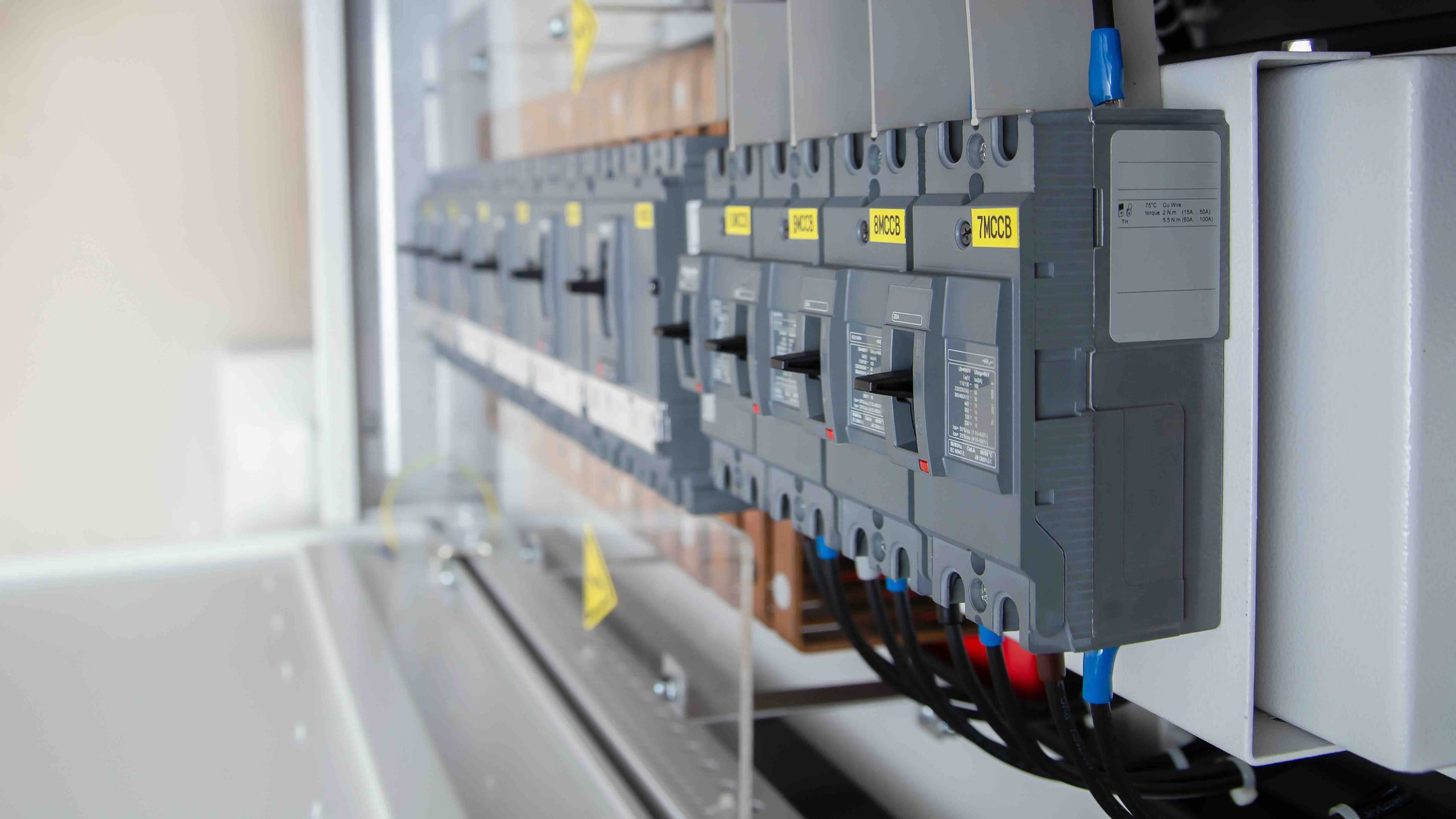
A circuit breaker is designed to be a protective device. When electrical current flows through your home’s wiring and exceeds a safe level, the breaker is supposed to trip, cutting power to that circuit before damage or fire can occur. The switch mechanism on the front of the breaker is the manual interface for that protection. It should move with resistance and snap clearly between three positions: on, off, and tripped. When the switch is loose, that internal mechanism is compromised. The breaker may not trip correctly during an overload or short circuit, which defeats its entire purpose. It is a bit like having a smoke detector with a dead battery sitting on the shelf. The object is there, but the function is not.
Common Reasons a Circuit Breaker Switch Becomes Loose
There are several reasons this happens, and knowing them helps you have a more informed conversation with an electrician when the time comes. Age is probably the most straightforward factor. Breakers in residential panels are not designed to last forever, and the internal components wear down over decades of use. The toggle mechanism, springs, and contacts inside the breaker degrade, and the switch starts to feel sloppy as a result. Beyond age, there are a few other common culprits worth knowing about.
- Repeated tripping events that stress the internal toggle mechanism over time
- Heat buildup inside the panel that warps or degrades breaker components
- Poor installation where the breaker was not fully seated on the bus bar
- Physical impact or vibration near the electrical panel
- Manufacturing defects in older or low-quality breaker brands
The Grounding Connection and Why It Relates to a Loose Breaker
When people research a circuit breaker loose switch, grounding often comes up in the same conversation, and for good reason. A properly grounded electrical system provides a safe path for stray current to follow in the event of a fault. When a breaker is loose and not making solid contact with the bus bar, the grounding integrity of that circuit can be affected. Current does not behave cleanly through a loose connection, and that creates the potential for arcing, overheating, and in a worst-case scenario, an electrical fire inside the wall or panel. Grounding issues and loose breakers are not always the same problem, but they tend to compound each other when both exist in the same panel.

Signs You May Have a Circuit Breaker Loose Switch Problem
Not every homeowner is going to open the electrical panel and start testing breakers manually, and honestly, that is probably fine. There are signs that show up elsewhere in the home that suggest a loose breaker may be at play. Flickering lights on a specific circuit, outlets that intermittently lose power, or a breaker that seems to trip without an obvious overload are all indicators. You might also notice a faint burning smell near the panel, which should prompt an immediate call to a licensed electrician. A switch that visually sits at an odd angle in the panel, or that you can wiggle noticeably side to side, is a direct sign as well. Trust what you see and what you smell. Electrical panels are not supposed to be mysterious.
Can You Fix a Loose Circuit Breaker Switch Yourself?
This is where things need to be stated clearly. Resetting a tripped breaker is something homeowners do every day without issue. But diagnosing and replacing a breaker with a genuinely loose switch is a different task entirely. The panel contains live components, including the main bus bar, which remains energized even when the main breaker is off in many residential setups. Without proper training, attempting to remove or replace a breaker puts you at serious risk of electrocution or causing additional damage to the panel. The right move is to leave the panel alone beyond resetting a tripped breaker in the normal way, and to contact a licensed electrician for anything beyond that point.
What an Electrician Will Do to Diagnose and Repair the Problem
A qualified electrician will begin by inspecting the panel visually, checking for signs of heat damage, corrosion, or arcing around the breaker in question. They will verify whether the breaker is properly seated on the bus bar, test the breaker’s internal mechanism, and check the associated wiring for damage. If the breaker is confirmed to be faulty, replacement is usually straightforward, though the electrician needs to work carefully around live bus bars. In some cases, particularly with older panels, they may also recommend replacing the entire panel if the existing one is outdated, heavily worn, or no longer supported with replacement parts. It is a bigger conversation, but one worth having if the panel has been in service for thirty or more years.
Electrical Panel Maintenance Tips for Homeowners
You do not have to be an electrician to take sensible steps toward maintaining your home’s electrical system. A few habits go a long way toward catching problems like a loose circuit breaker switch before they escalate.
- Visually inspect your panel every six to twelve months without touching any internal components
- Note any breakers that appear crooked, discolored, or positioned differently from the others
- Pay attention to any burning smell, buzzing sound, or unusual heat near the panel
- Schedule a professional electrical inspection every few years, especially in homes older than twenty years
- Avoid overloading circuits, which accelerates wear on breaker mechanisms over time
How Home Warranty Coverage Applies to Electrical Panel Issues
A home warranty can play a meaningful role here, depending on the plan and provider. Most comprehensive home warranty plans include coverage for electrical systems, which can cover the repair or replacement of faulty circuit breakers. If a technician determines that your loose breaker switch is caused by normal wear and tear, rather than improper installation or pre-existing damage, a solid home warranty plan should help offset the cost of the repair. This matters because electrical work is not cheap, and an unexpected panel repair or breaker replacement can run several hundred dollars or more without any coverage in place. Home warranty coverage fills that gap in a way that standard homeowners insurance typically does not, since insurance is designed for sudden damage events, not mechanical wear over time.

Why Armadillo Is the Right Choice for Electrical System Protection
Dealing with a circuit breaker loose switch is stressful enough without also having to wonder whether your home warranty will actually come through when you need it. That is exactly the kind of uncertainty Armadillo is built to eliminate. Armadillo offers straightforward, honest coverage for the systems and appliances homeowners depend on most, including electrical systems, without the fine print designed to confuse you at claim time. If you are looking for home warranty coverage that includes electrical panel and circuit breaker protection, Armadillo is worth a serious look. The plans are designed to handle the real costs of home system failures, and the experience from start to claim is built around transparency. When something goes wrong with your wiring, your panel, or a faulty breaker switch, the last thing you want is to fight for coverage. You can get a free home warranty quote for circuit breaker and electrical system coverage in just a few minutes and see exactly what a plan would look like for your home. That kind of clarity is what makes Armadillo different.
Frequently Asked Questions About Circuit Breaker Loose Switch Issues
What does it mean when a circuit breaker switch feels loose?
A loose circuit breaker switch indicates that the internal toggle mechanism has worn down, the breaker is not properly seated on the bus bar, or the breaker itself has failed. It means the breaker may not trip correctly during an overload or short circuit, which is a safety concern that requires professional evaluation.
Is a loose circuit breaker switch dangerous?
Yes, it can be. A breaker that does not operate properly may fail to cut power during an electrical fault, which increases the risk of overheating, arcing, and potentially a house fire. It should not be ignored or treated as a minor inconvenience.
Can a loose circuit breaker switch cause a fire?
It can contribute to fire risk. When a breaker switch is loose, the internal contacts may not make a clean connection, which creates resistance and heat. Over time, that heat buildup or arcing can ignite nearby materials in the panel or within wall cavities.
Should I try to tighten a loose circuit breaker myself?
No. The inside of an electrical panel contains live components that remain energized even with certain breakers off. Attempting to reseat or replace a breaker without proper training puts you at serious risk of electrical shock. Contact a licensed electrician instead.
How much does it cost to replace a loose circuit breaker?
The cost of replacing a single circuit breaker typically ranges from one hundred to two hundred fifty dollars when accounting for parts and labor. If the panel itself needs attention, costs can rise significantly. A home warranty plan with electrical coverage can help offset these expenses.
How do I know if my circuit breaker is loose versus just tripped?
A tripped breaker will sit visibly in the middle position between on and off and can be reset by flipping it fully off and then back on. A loose breaker, by contrast, will feel physically wobbly or fail to click firmly into position regardless of which direction you move the switch.
Does a home warranty cover a loose circuit breaker switch?
Many home warranty plans that include electrical system coverage will cover the repair or replacement of a faulty circuit breaker resulting from normal wear and tear. Coverage specifics vary by provider and plan, so reviewing the terms before purchasing a warranty is always recommended.
How long do circuit breakers typically last?
Most residential circuit breakers have a lifespan of twenty-five to forty years under normal conditions. Panels and breakers that are frequently tripped, exposed to heat, or manufactured by companies with known quality issues may fail sooner than that average range.
Can a loose circuit breaker switch affect grounding in my home?
Yes. When a breaker is not making solid contact with the bus bar, it can interfere with how the circuit handles fault current, which is closely tied to grounding performance. A licensed electrician should evaluate both the loose breaker and the grounding condition of that circuit together.
When should I replace my entire electrical panel instead of just a breaker?
If your panel is more than thirty years old, uses an outdated brand with known safety recalls, shows widespread signs of heat damage, or has multiple breakers failing at once, a full panel replacement is worth discussing with your electrician rather than addressing individual breakers one at a time.