Why Stainless Steel Appliances Streak in the First Place
Stainless steel is one of those finishes that looks absolutely stunning for about five minutes after installation, and then reality sets in. The streaks start appearing almost immediately, and before long, your refrigerator looks like it has been touched by everyone in the zip code. Understanding why permanent streaks on stainless steel appliances happen is genuinely the first step toward doing something useful about them. Stainless steel gets its name from its resistance to rust and corrosion, thanks to a thin layer of chromium oxide that forms on its surface. That protective layer is remarkably durable against rust, but it is surprisingly sensitive to oils, minerals, and abrasion. Every fingerprint, water droplet, and cleaning swipe has the potential to leave behind a residue that catches light in all the wrong ways.
What Makes a Streak Permanent Versus Temporary
Not every streak you see on stainless steel is permanent, and that distinction matters a lot when you are deciding how much effort to put into fixing it. Temporary streaks are usually surface-level smudges from fingerprints or light water contact. Those wipe away fairly easily with the right cloth and a little product. Permanent streaks, on the other hand, are typically the result of mineral deposits from hard water that have dried and bonded to the surface, chemical residue from harsh cleaners that have etched or discolored the finish, or fine scratches that scatter light differently than the surrounding area. When someone has repeatedly wiped stainless steel against its grain using an abrasive pad or the wrong kind of cloth, those micro-scratches accumulate into what looks like a dull, streaky band across the surface. That is when the word “permanent” starts to feel accurate.
The Most Common Causes of Stubborn Stainless Steel Streaks
It is worth pausing here because the causes are more varied than most people realize. Getting to the root of the problem helps you avoid repeating it after you have done the work of fixing it. Here are the most frequent culprits behind persistent streaking on stainless steel appliances:
- Hard water mineral deposits, particularly calcium and magnesium, that dry onto the surface and bond with the chromium layer over time
- Cleaning products that contain chlorine bleach or ammonia, which chemically degrade the stainless steel finish and leave behind discoloration
- Wiping the surface against the grain with rough cloths or paper towels, which creates fine scratches that trap residue
- Applying too much of an oil-based cleaner and not buffing it out completely, leaving a greasy film that attracts dust and builds up
- Using steel wool or abrasive scrubbing pads even once, which permanently disrupts the surface texture
Can Permanent Streaks on Stainless Steel Actually Be Removed
Here is where things get a little more nuanced. The term “permanent” is used loosely in a lot of cleaning guides, and the honest answer is that it depends on what caused the streak. Mineral deposits that look permanent often respond surprisingly well to a mild acid like white vinegar or a dedicated stainless steel cleaner applied with a microfiber cloth moving in the direction of the grain. The grain on stainless steel is the faint brush pattern you can see when light hits it at a low angle, and working with it rather than against it makes a significant difference. For streaks caused by chemical etching or deep scratches, full restoration at home is not really realistic. There are professional polishing kits that use progressively finer abrasives to refinish the surface, and those can dramatically improve the appearance, though they require patience and a careful hand to avoid making things worse.

The Right Way to Clean Stainless Steel Without Making It Worse
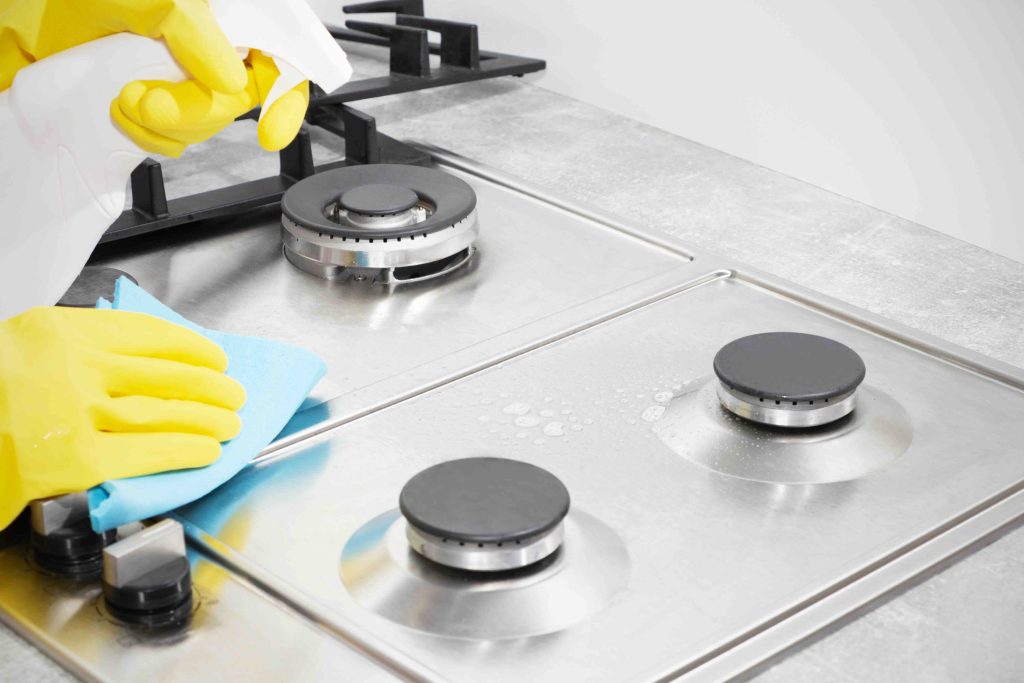
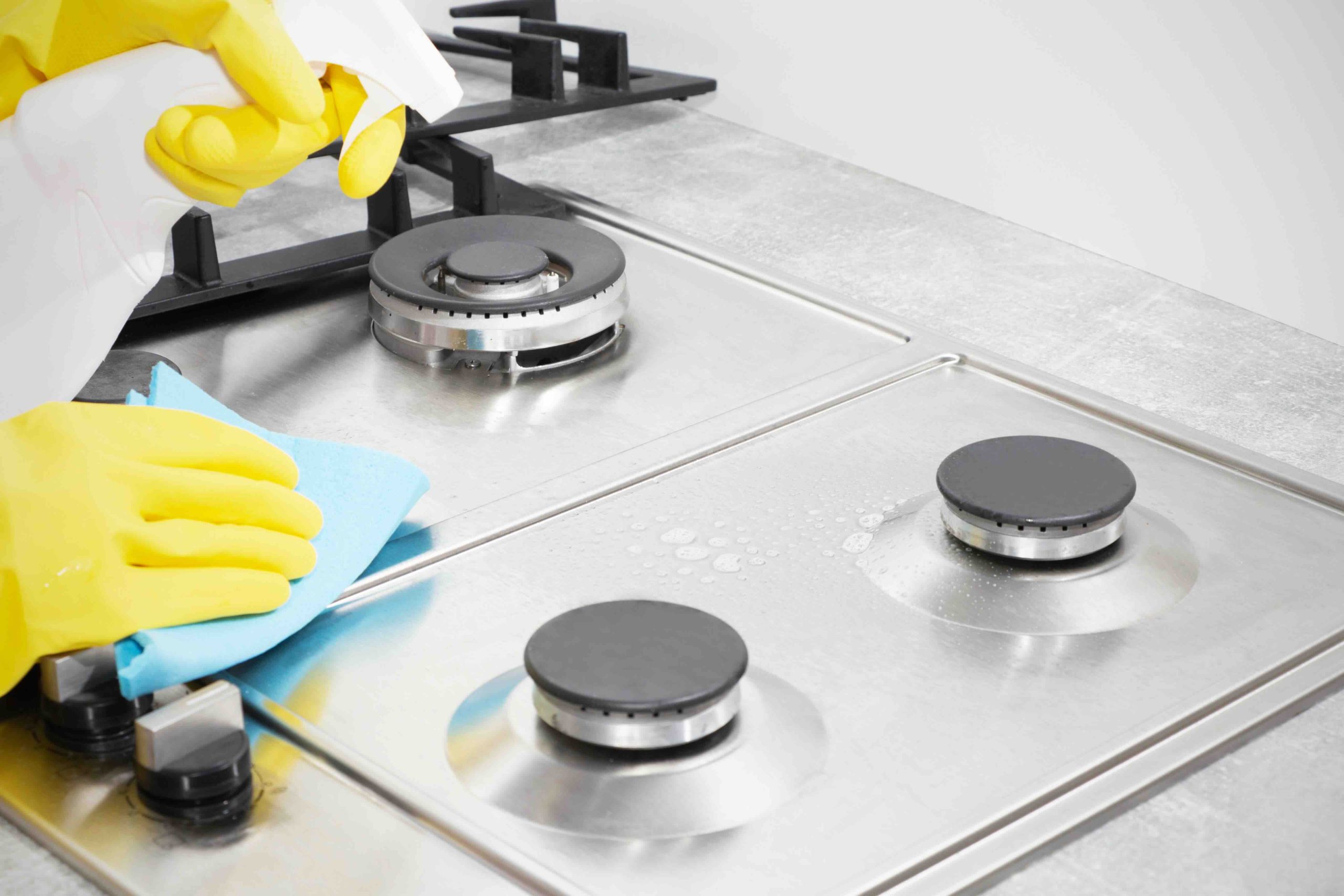
Cleaning stainless steel appliances the right way is not complicated, but it does require a bit of discipline because the tempting shortcuts are usually the ones that cause damage. Start by identifying the direction of the grain on your specific appliance since it can run horizontally or vertically depending on the manufacturer. Always wipe in that direction, never across it. Use a soft microfiber cloth rather than paper towels, which are surprisingly abrasive at the microscopic level. A small amount of dish soap diluted in warm water works well for routine cleaning. For tougher buildup, a few drops of mineral oil or a purpose-made stainless steel cleaner applied sparingly and then buffed out completely can restore shine without leaving new residue behind. Avoid any spray cleaners that contain bleach, and rinse away any cleaning solution thoroughly so it does not dry on the surface.
Polishing Products and What They Actually Do
The market is full of stainless steel polishes, and they vary more than their packaging suggests. Some are simply light oils that fill in micro-scratches temporarily and add a protective layer that repels fingerprints. Others are mildly abrasive and work by gently removing the very top layer of the surface to even out scratches and discoloration. For genuine permanent streaks caused by scratching, a product with a fine abrasive component is going to be more effective than a pure polish. The tradeoff is that abrasive products require more care in application and should always be tested on an inconspicuous area first. After any polishing treatment, applying a thin coat of mineral oil or a dedicated stainless steel protectant creates a barrier that slows future streaking considerably. It is not a one-time fix but it makes routine maintenance much easier going forward.
When to Call a Professional Instead of DIYing It
There are situations where the DIY approach is going to cost more time and effort than it is worth, and knowing when to draw that line is part of being a practical homeowner. If the streaking on your stainless steel appliance is extensive and covers large panels, or if past cleaning attempts have left behind visible swirl marks and inconsistent sheen, a professional appliance refinishing service is worth considering. Some appliance repair companies also offer stainless steel restoration as part of their service range. It is also worth noting that if the streaking or surface damage is severe enough that it has begun to compromise the actual protective layer of the steel, moisture and contaminants can start to reach the underlying metal, which creates the conditions for rust even on stainless surfaces. That transition from cosmetic issue to functional concern is something to watch for carefully.
Preventing Permanent Streaks From Coming Back
Prevention is genuinely easier than repair here, and the habits that keep stainless steel looking clean are not particularly demanding once they become routine. Wiping down appliances with a dry microfiber cloth after any contact with water or food goes a long way toward stopping mineral deposits from forming. Keeping the surface lightly coated with mineral oil or a stainless steel protectant creates a physical barrier against fingerprints and moisture. In homes with hard water, using a water softener can reduce the mineral content that causes those stubborn deposits around dishwasher doors and refrigerator water dispensers. It also helps to establish a weekly cleaning routine so buildup never gets to the point where aggressive scrubbing becomes tempting, because that scrubbing is usually what turns a minor smudge problem into a streak problem in the first place.
How Armadillo Fits Into Your Appliance Care Strategy
Keeping stainless steel appliances looking their best is partly about surface care, but it also connects to something bigger: making sure the appliances underneath that beautiful finish keep running properly for years to come. Cosmetic issues like streaking are outside the scope of home warranty coverage, as they should be, but the mechanical and functional components inside your refrigerator, dishwasher, range, and other major appliances are exactly what a solid home warranty is designed to protect. When a covered appliance breaks down unexpectedly, the repair or replacement costs can be significant, and that is where working with Armadillo home warranty plans for kitchen appliances and home systems makes a real difference. The same appliances you are carefully polishing and protecting on the outside deserve equal protection on the inside, and you can get a personalized home warranty quote that covers your major kitchen appliances in just a few minutes. Protecting your investment from the inside out is simply the smarter approach to home ownership.

Frequently Asked Questions About Permanent Streaks on Stainless Steel Appliances
These are the questions homeowners ask most often when dealing with stubborn streaks and discoloration on stainless steel surfaces.
Are permanent streaks on stainless steel appliances actually permanent?
Not always. Many streaks that appear permanent, particularly those caused by hard water mineral deposits, can be removed with the right cleaner and technique. Streaks from deep scratches or chemical etching are more difficult to fully eliminate but can often be significantly reduced with professional-grade polishing compounds.
What is the best way to remove streaks from stainless steel appliances?
Clean the surface with a microfiber cloth and a small amount of dish soap and warm water, always moving in the direction of the grain. For mineral-based streaks, diluted white vinegar applied and then wiped with the grain works well. Follow up with a light coat of mineral oil to restore shine and protect the surface.
Why does stainless steel streak so easily compared to other finishes?
Stainless steel has a brushed or polished surface texture that shows oil from fingerprints, water mineral residue, and cleaning product buildup very visibly. Its reflective quality, which makes it look sleek, also makes every imperfection more obvious under light.
Can paper towels cause permanent streaks on stainless steel?
Repeated use of paper towels can contribute to streaking because they are mildly abrasive and can scratch the surface over time, especially when used with downward pressure. Microfiber cloths are a better choice because they pick up residue without scratching.
Does the direction I wipe stainless steel really matter that much?
Yes, it matters quite a bit. Wiping against the grain pushes debris into the brush lines of the steel and can create micro-scratches that scatter light and cause a streaky, dull appearance. Always wipe parallel to the visible grain lines for the best results.
What household products should never be used on stainless steel appliances?
Avoid any products containing bleach, ammonia, or chlorine as these can chemically damage the finish and cause permanent discoloration. Steel wool, abrasive scrub pads, and gritty cleaners should also be kept away from stainless steel surfaces entirely.
How do hard water deposits cause streaks on stainless steel?
Hard water contains dissolved minerals, primarily calcium and magnesium, that remain on the surface after the water evaporates. Over time these deposits bond to the stainless steel and create cloudy, white, or grayish streaks that resist ordinary wiping and require an acidic solution to dissolve.
Is streaked stainless steel a sign that my appliance is damaged internally?
Not typically. Streaking and surface discoloration on stainless steel are almost always cosmetic issues that have no connection to the internal mechanical components of the appliance. However, if the surface damage is severe enough to compromise the protective chromium layer, the metal underneath can become vulnerable to moisture and rust.
Can I use olive oil or cooking oil to polish stainless steel appliances?
It is not recommended. Cooking oils can go rancid over time, leave a sticky residue, and attract dust and debris that actually worsen the appearance of the surface. Food-grade mineral oil or a purpose-made stainless steel polish is a much better option for buffing and protecting the finish.
Does a home warranty cover damage to stainless steel appliance finishes?
Home warranty coverage is focused on the mechanical and functional components of appliances rather than their cosmetic condition. Surface issues like streaks, scratches, or discoloration on stainless steel finishes are generally considered cosmetic wear and are not included in standard home warranty plans. Coverage typically applies when an appliance stops working due to a mechanical or electrical failure.