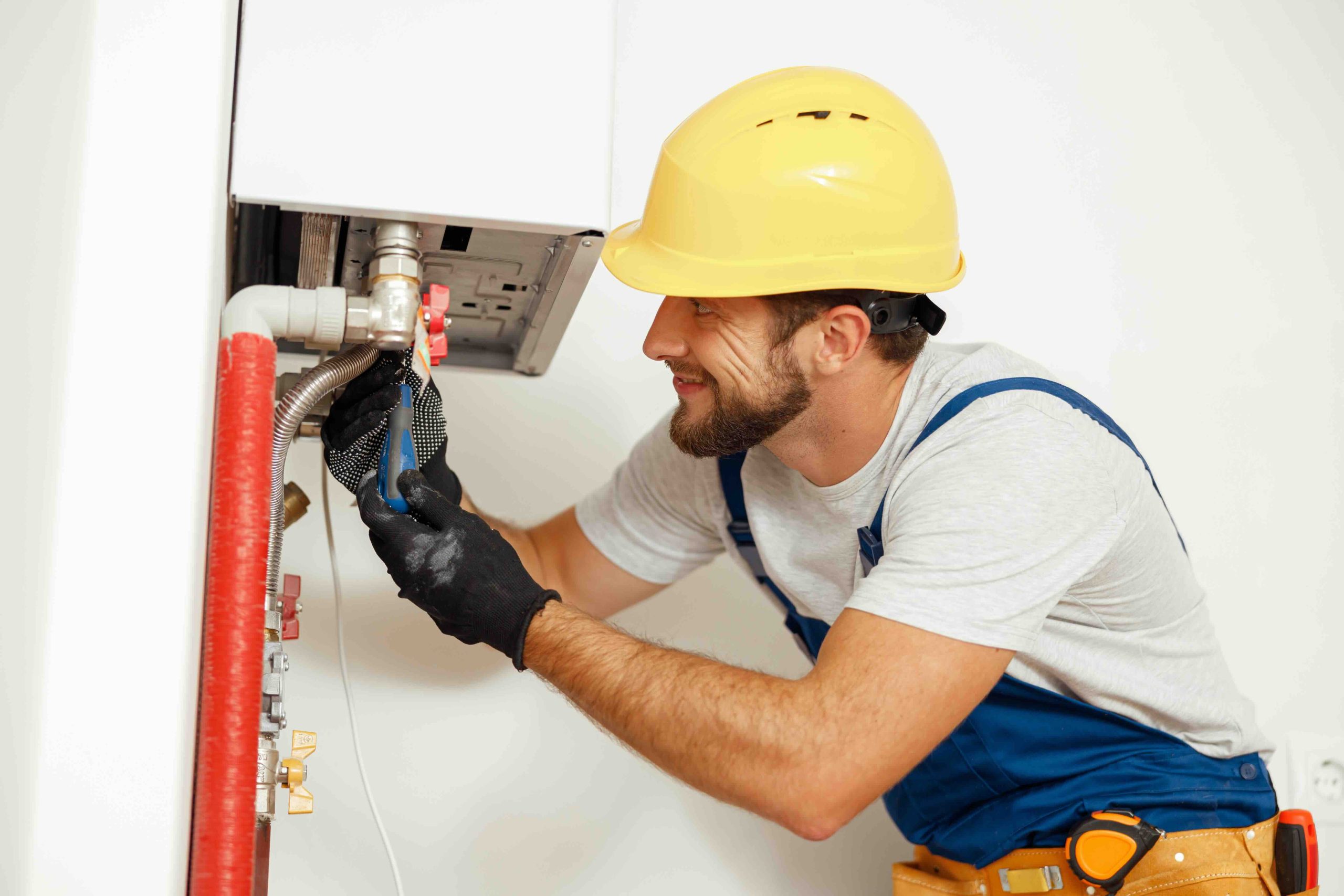
When Your Water Heater Goes Out, Here Is What You Should Do First
Cold water hitting you mid-shower has a way of demanding your full attention immediately. If your water heater has stopped working, you are probably wondering who to call, what the problem actually is, and how much this is going to cost you. Those are all fair questions, and they deserve straight answers. A water heater failure is one of the more disruptive home emergencies a homeowner can face, mostly because hot water touches so many parts of daily life. Dishes, laundry, showers, hand washing. It is all connected. Knowing exactly who to contact and what to expect can save you time, money, and a lot of unnecessary stress.
Understanding Why Water Heaters Fail in the First Place
Before reaching for your phone, it helps to understand what might have caused the problem. Water heaters do not usually fail without warning. Most breakdowns trace back to a handful of common culprits. Sediment buildup from hard water gradually coats the bottom of the tank and forces the system to work harder than it should. The heating element, whether gas burner or electric coil, can burn out over time. The thermostat may malfunction. The pressure relief valve can fail. And sometimes, the unit simply reaches the end of its useful life, which for a traditional tank water heater is typically somewhere between eight and twelve years. Knowing what failed can help you have a more productive conversation with whichever professional you call.
The First Call You Should Make Is to a Licensed Plumber
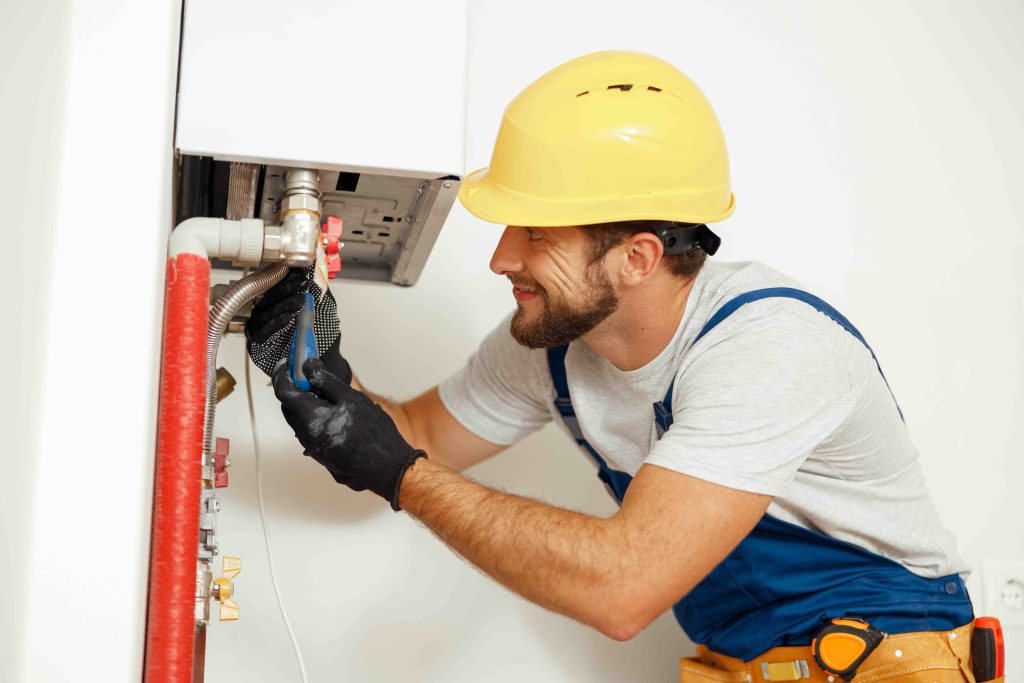
When your water heater stops working, your first call should go to a licensed plumber or a water heater specialist. These are the professionals trained to diagnose, repair, and replace water heaters safely. This matters because water heaters involve either gas lines or high-voltage electrical connections, and both carry real risk if handled incorrectly. A licensed plumber can assess whether the unit needs a repair or a full replacement, pull any required permits, and ensure the work meets local building codes. Do not attempt to rewire an electric water heater or relight a gas unit without professional guidance. The short-term savings are rarely worth the risk.
When to Call Your Gas or Electric Utility Company Instead
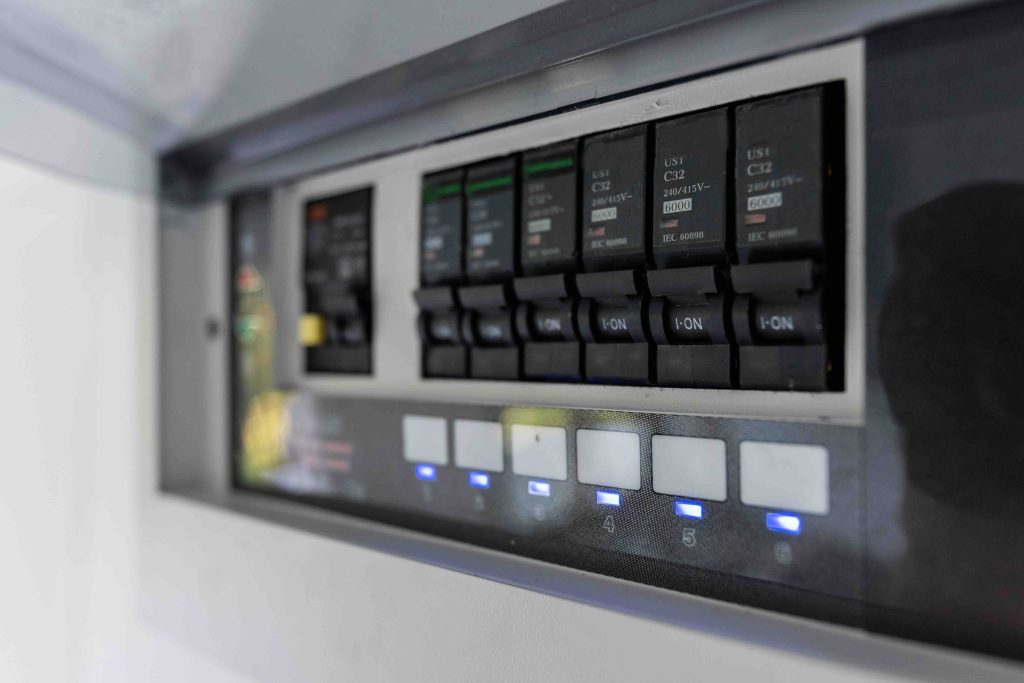
There are situations where the water heater itself is not the problem. If you smell gas near your water heater, stop what you are doing and call your gas utility company immediately. Do not try to diagnose it yourself. Leave the house and make the call from a safe distance. Similarly, if you have an electric water heater and suspect an issue with your electrical panel or wiring, calling an electrician before a plumber may actually save you time. The utility company can confirm whether the issue lies with the supply line rather than the appliance, which helps you avoid paying for a service call that does not solve anything.

Signs That Tell You Whether You Need a Repair or a Replacement
Not every water heater failure requires a full replacement. Some situations, like a failed heating element or a faulty thermostat, can be repaired relatively affordably. Others, like a tank that has corroded from the inside or a unit that is pushing past the ten-year mark and failing repeatedly, usually point toward replacement being the smarter financial move. Here is a quick way to think about it: if the repair cost exceeds half the cost of a new unit and the system is older than eight years, replacement is typically the better investment. A plumber can walk you through this calculation once they have assessed the unit in person.
What to Expect During a Water Heater Service Call
When the plumber arrives, they will start with a visual inspection of the unit, the connections, and any visible signs of leaking or corrosion. They will check the pilot light on gas units or test the heating elements on electric units. They may flush the tank to check for sediment. After that assessment, they will give you a diagnosis and quote. Repair visits can often be completed the same day, especially if the needed parts are common. Replacement typically takes a few hours and may require a permit depending on your municipality. Ask upfront whether permits are included in the quote and who handles filing them, because that detail matters.
The Real Costs Involved and How to Prepare for Them
Water heater repair costs vary considerably based on the type of unit, the nature of the problem, and regional labor rates. Minor repairs like replacing a thermostat or heating element can run anywhere from one hundred to three hundred dollars. Full replacement of a traditional tank water heater typically falls between eight hundred and two thousand dollars installed, depending on the unit size and fuel type. Tankless water heaters can cost significantly more. These are not trivial expenses, especially when they arrive without warning. That unpredictability is exactly why a lot of homeowners look into home warranty coverage as a financial buffer against exactly these kinds of breakdowns.
How a Home Warranty Fits Into This Picture
A home warranty plan is designed to cover the repair or replacement costs of major home systems and appliances when they break down due to normal wear and tear. Water heaters are one of the most commonly covered items in home warranty contracts, and for good reason. They fail regularly and the costs can be significant. If you have an active home warranty when your water heater goes out, the process changes considerably. Instead of sourcing your own plumber and negotiating costs, you call your warranty provider, file a claim, and they dispatch a vetted contractor to handle the work. Your out-of-pocket expense is typically limited to a service call fee. It is worth reviewing your policy details to understand what is covered, because exclusions do exist and vary by provider.
Practical Tips to Avoid Being Caught Off Guard Again
- Flush your water heater tank at least once a year to clear sediment buildup and extend the unit’s life
- Test the pressure relief valve annually to confirm it is functioning correctly
- Check the anode rod every two to three years and replace it when it shows significant corrosion
- Set your thermostat to 120 degrees Fahrenheit to reduce strain on the unit and lower energy costs
- Note the age and model of your water heater so you have that information ready when you call for service
- Consider scheduling an annual plumbing inspection that includes a water heater assessment
Why Armadillo Is Worth Considering Before Your Next Water Heater Emergency
Water heater failures happen without warning, and the last thing you want to be doing in that moment is scrambling to find a reliable contractor and figure out how to pay for it. That is exactly the kind of situation Armadillo was built to simplify. Armadillo home warranty coverage for water heater breakdowns and essential home systems is designed to remove the guesswork and financial shock from situations just like this one. Coverage is straightforward, claims are handled efficiently, and the contractors Armadillo works with are vetted and professional. If you want to stop wondering what a water heater failure might cost you and start knowing you have a plan in place, now is a smart time to get a water heater home warranty quote and explore Armadillo plan options. It takes just a few minutes and gives you something genuinely useful: peace of mind before the next thing breaks.

Frequently Asked Questions About What to Do When Your Water Heater Goes Out
Who should I call first when my water heater stops working?
Call a licensed plumber or a water heater specialist. They can diagnose whether the issue requires a repair or a full replacement and handle the work safely, especially since water heaters involve gas lines or high-voltage electrical components.
Should I call my home warranty company before calling a plumber?
Yes, if you have an active home warranty, contact your provider first. Filing a claim through your warranty will typically connect you with a vetted contractor and limit your out-of-pocket cost to a service call fee.
What if I smell gas near my water heater?
Leave the house immediately and call your gas utility company from a safe distance. Do not attempt to inspect or repair the unit yourself. This is a safety emergency and needs to be treated as one.
How do I know if my water heater needs to be repaired or replaced?
If the unit is under eight years old and the repair cost is reasonable, repair is usually the better choice. If the unit is older than eight to ten years, has visible corrosion, or has needed repeated repairs, replacement is typically the smarter financial decision.
How long does it take to repair or replace a water heater?
Minor repairs can often be completed within a few hours during the same service visit. A full replacement typically takes two to four hours, though it may take longer if permits are required or the new unit needs to be ordered.
What does a water heater repair or replacement typically cost?
Repairs can range from one hundred to three hundred dollars for common issues like a failed heating element. Full replacement of a traditional tank water heater typically costs between eight hundred and two thousand dollars installed, depending on the size and fuel type of the unit.
Can a home warranty cover my water heater?
Yes. Water heaters are one of the most commonly covered items in home warranty contracts. Coverage typically applies to mechanical failures caused by normal wear and tear, though you should review your specific policy for exclusions and claim limits.
What maintenance can I do to prevent my water heater from failing?
Flush the tank annually to remove sediment, test the pressure relief valve each year, inspect and replace the anode rod every two to three years, and keep the thermostat set at 120 degrees Fahrenheit to reduce unnecessary strain on the system.
Is it safe to try to fix my water heater myself?
Basic tasks like relighting a pilot light following manufacturer instructions may be manageable, but anything involving gas connections, electrical wiring, or internal components should be handled by a licensed professional to avoid safety hazards and code violations.
How old is too old for a water heater to be repaired?
Most traditional tank water heaters have a lifespan of eight to twelve years. Once a unit passes the ten-year mark and begins experiencing mechanical problems, most plumbers and home warranty providers will recommend replacement over continued repairs.