What Is a Circuit Breaker Short Circuit and Why Should Homeowners Care?
If you have ever walked into a room and suddenly lost power to an outlet or a whole section of your house, there is a good chance a circuit breaker tripped because of a short circuit. It is one of those things that happens fast, usually without warning, and leaves a lot of homeowners standing in front of their electrical panel wondering what just happened. A circuit breaker short circuit is not just an inconvenience. It is your home’s electrical system telling you something went wrong, and it deserves more than a quick reset and a shrug. Understanding what causes it, what it means, and how to handle it properly can protect your home and the people living in it.
How a Circuit Breaker Works and What Makes It Trip
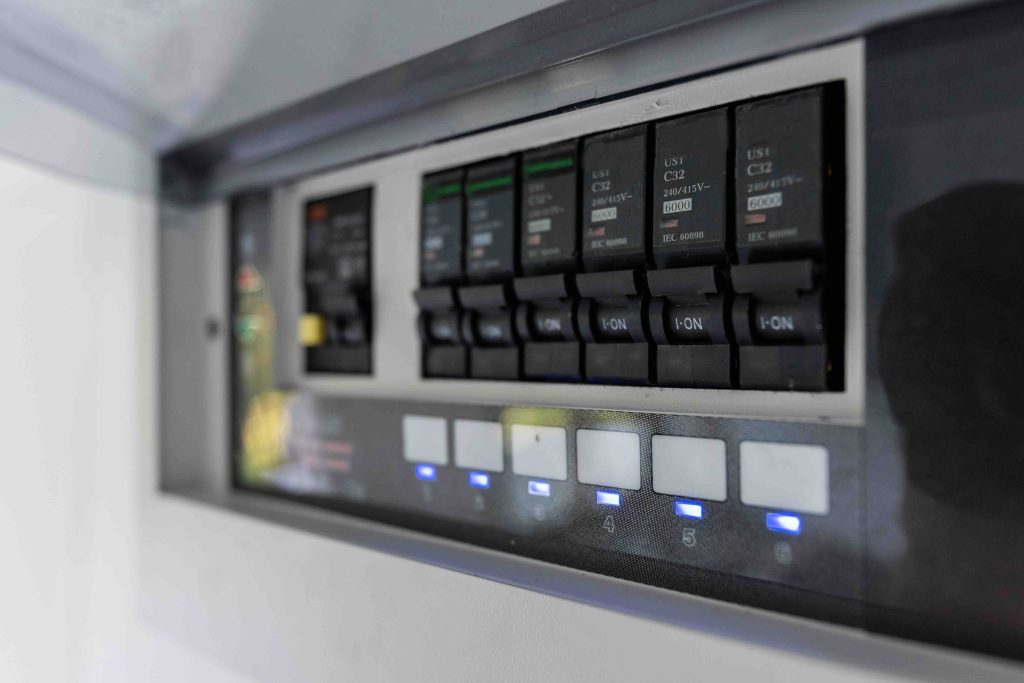
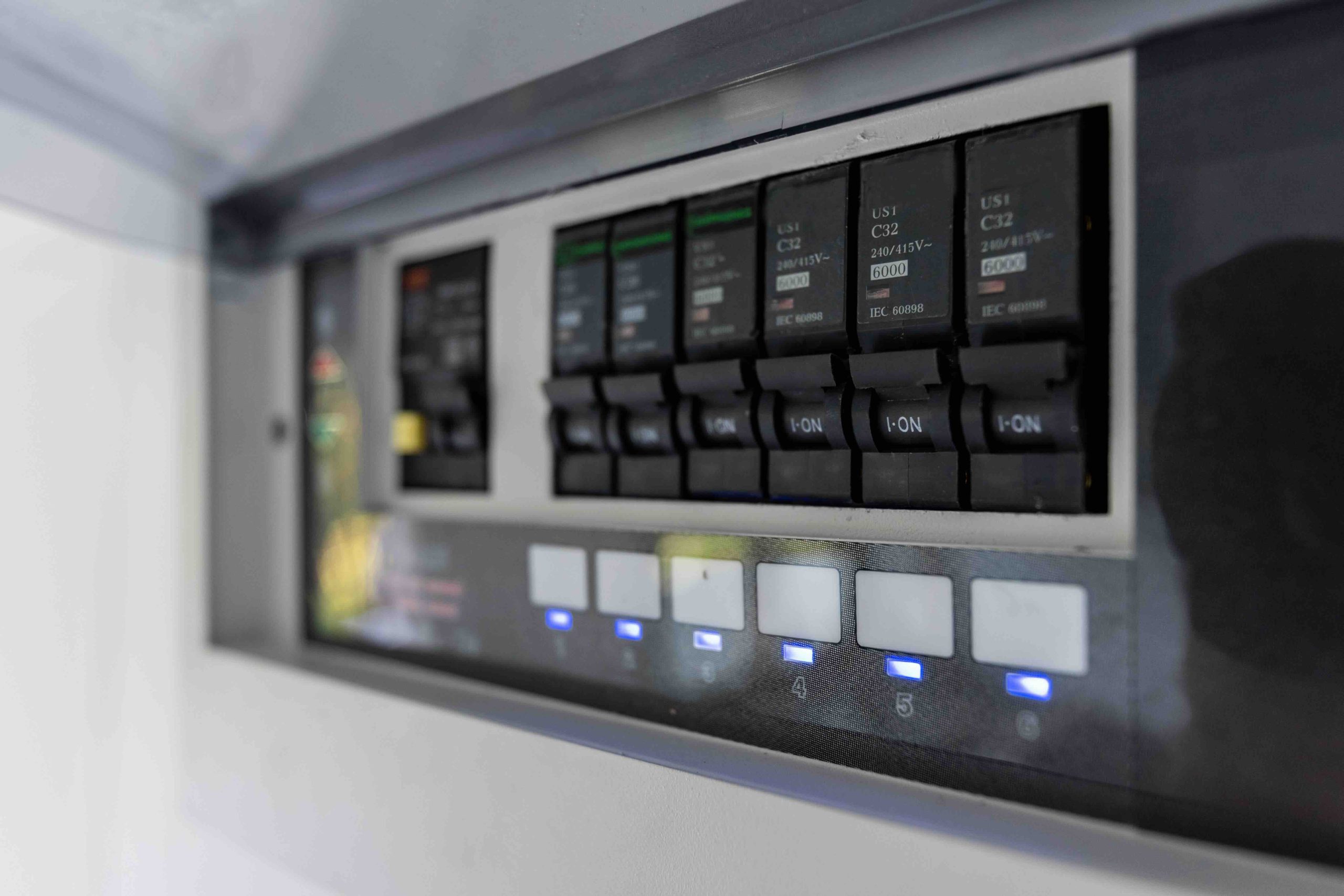
Your home’s electrical panel is essentially the control center for every circuit running through your walls. Each circuit breaker inside that panel monitors the flow of electricity moving through a specific circuit. When everything is working as it should, electricity flows at a predictable level, and the breaker stays in its closed position, keeping power running smoothly. The moment something forces more current through the circuit than the breaker is rated to handle, it opens automatically, cutting off the power. That is the whole point. The breaker exists to stop dangerous situations before they become disasters. A short circuit is one of the most common and potentially serious reasons a breaker trips, and it works differently than a simple overload.
What Actually Happens During a Short Circuit
A short circuit happens when electrical current takes an unintended path, usually one with very little or no resistance. Under normal conditions, electricity flows through your wiring in a controlled loop. When a hot wire, the one carrying live current, makes direct contact with a neutral wire or a ground, it creates a sudden surge of current that far exceeds what the circuit was designed to handle. That surge happens almost instantaneously, which is why a short circuit can cause sparks, a burning smell, or even scorch marks near an outlet or inside a wall. The circuit breaker detects that spike and trips immediately. Without it, the heat generated by that current surge could ignite wiring insulation or surrounding materials.
Common Causes of a Circuit Breaker Short Circuit at Home
Short circuits do not just happen randomly. There are several well-known causes that show up again and again in residential homes, and knowing them makes it easier to identify where a problem might be coming from.
- Damaged or deteriorating wiring insulation, often caused by age, pests chewing through wires, or physical damage during renovations
- Faulty or worn-out outlets and switches where internal wiring has become loose or degraded
- Appliance cords that are frayed, pinched, or damaged, creating a path for unintended contact between conductors
- Improper wiring connections made during DIY electrical work or previous repairs
- Water intrusion near electrical components, since moisture dramatically reduces resistance and creates dangerous short circuit conditions
Short Circuit vs. Ground Fault: Knowing the Difference
These two terms sometimes get used interchangeably, but they are not exactly the same thing. A true short circuit involves a hot wire contacting a neutral wire, creating an unintended low-resistance path for current. A ground fault, on the other hand, occurs when a hot wire contacts a ground wire or a grounded surface, like a metal electrical box or a damp floor. Both cause the breaker to trip, and both are serious. Ground faults are particularly dangerous in areas where water is present, which is why bathrooms, kitchens, garages, and outdoor outlets are required by code to have GFCI protection. The underlying principle of protection is the same, but understanding the distinction helps when you are describing the problem to an electrician.

Why You Should Not Just Reset the Breaker and Move On
It is tempting. You flip the breaker back on, power returns, and life continues. But if a short circuit caused the trip, resetting the breaker without addressing the underlying cause is not a fix. It is a delay. If the fault condition still exists in the wiring, the next surge could be worse. Repeated tripping means repeated electrical stress on the breaker itself, and circuit breakers are not designed to function indefinitely under those conditions. A breaker that trips frequently can eventually fail to trip at all, which removes the very protection it was designed to provide. If a breaker trips once and then stays on without issue, it may have been a fluke. If it trips again under the same conditions, it is time to call a licensed electrician.
Signs That a Short Circuit May Be the Culprit
Not every tripped breaker comes with flashing lights and a burning smell. Sometimes the signs are subtle, and homeowners miss them until the situation gets worse. If you notice a burning odor near an outlet or switch, see visible scorch marks or discoloration on a wall plate, hear a buzzing or crackling sound from your panel or outlets, or find that a breaker trips immediately after being reset, those are all indicators pointing toward a short circuit. Additionally, if only one appliance causes the problem every time it is plugged in, the fault likely lives in that appliance’s cord or internal wiring rather than in your home’s electrical system. That distinction matters when figuring out next steps.
Can a Short Circuit Cause a Fire?
Yes, and that is not an exaggeration meant to alarm you. It is just the reality of how electrical faults behave. The heat generated during a short circuit can exceed the ignition temperature of wood framing, insulation, and other building materials found inside your walls. When a breaker functions correctly, it interrupts the fault before that heat has time to cause ignition. But if the breaker is old, damaged, or rated incorrectly for the circuit, it may not trip fast enough. Homes with older wiring systems, particularly those using aluminum wiring or outdated panel brands that have known reliability issues, face a higher risk. This is why routine electrical inspections matter, especially in homes that are more than 20 or 30 years old.
Practical Steps Homeowners Can Take to Reduce Short Circuit Risk
You cannot prevent every electrical fault, but you can reduce your exposure to risk through consistent, thoughtful home maintenance. Inspect power cords regularly and replace any that show fraying, cracking, or damage. Avoid running cords under rugs or furniture where heat can build up and damage the insulation over time. Have a licensed electrician inspect your panel every several years, or any time you buy a home, complete a renovation, or notice repeated tripping. If your home is older and has not had its wiring updated, it is worth asking about an inspection specifically focused on insulation condition and connection integrity. Install GFCI outlets in moisture-prone areas if they are not already present. These small steps build a meaningful layer of protection over time.
How a Home Warranty Can Help When Electrical Problems Strike
Electrical repairs are not cheap. Depending on the issue, homeowners can face costs ranging from a simple breaker replacement to a full panel upgrade or rewiring job. That is where having the right home warranty coverage can genuinely make a difference. Armadillo home warranty plans designed to cover electrical system failures offer homeowners real financial protection when circuit breakers, wiring, and related components fail due to normal wear and use. Rather than absorbing the full cost of an unexpected repair out of pocket, a home warranty with electrical coverage gives you a predictable, manageable expense. When a short circuit leads to breaker failure or wiring damage that requires professional attention, that protection is not just convenient. It is genuinely valuable. If you want to know exactly what your home’s electrical system coverage could look like, get a personalized home warranty quote that includes electrical coverage for circuit breaker issues and see what fits your home and budget. Armadillo keeps things clear, honest, and straightforward, because that is how home protection should work.

Frequently Asked Questions About Circuit Breaker Short Circuits
These are the questions homeowners ask most often when dealing with a circuit breaker short circuit, answered directly and without unnecessary technical jargon.
What is a circuit breaker short circuit?
A circuit breaker short circuit occurs when a hot wire makes unintended contact with a neutral wire, causing a sudden surge of electrical current. The breaker detects this surge and trips to cut off power before damage or fire can occur.
How do I know if my breaker tripped because of a short circuit?
Signs include the breaker tripping immediately after being reset, a burning smell near an outlet or the panel, visible scorch marks on outlets or switches, or a specific appliance consistently causing the trip.
Is it safe to reset a tripped breaker after a short circuit?
You can try resetting it once, but if it trips again right away, do not keep resetting it. The fault condition likely still exists and needs to be identified by a licensed electrician before power is restored to that circuit.
What causes a short circuit in household wiring?
Common causes include damaged wire insulation, loose or degraded connections inside outlets and switches, frayed appliance cords, improper DIY wiring, and moisture intrusion near electrical components.
Can a short circuit damage my circuit breaker?
Yes. Repeated short circuits place significant stress on a breaker. Over time, this can cause the breaker to wear out and potentially fail to trip when it should, which eliminates the protection it is designed to provide.
What is the difference between a short circuit and an overloaded circuit?
An overload happens when too many devices draw more power than a circuit can handle, building up heat gradually. A short circuit is caused by an unintended connection between wires, creating an instantaneous current surge that is typically more dangerous than a standard overload.
Can a short circuit cause a house fire?
Yes, it can. The heat generated by a short circuit can ignite wiring insulation and surrounding building materials if the breaker does not trip quickly enough or if it has become unreliable due to age or prior damage.
Does a home warranty cover circuit breaker short circuit damage?
Many home warranty plans include coverage for electrical system components, including circuit breakers, that fail due to normal wear and use. Coverage specifics vary by provider and plan, so reviewing your contract terms carefully is important before assuming coverage applies to a specific situation.
How can I prevent short circuits in my home?
Inspect and replace damaged cords, avoid overloading outlets with adapters, have your wiring and panel inspected periodically by a licensed electrician, install GFCI protection in moisture-prone areas, and address any signs of electrical trouble promptly rather than waiting.
When should I call an electrician for a short circuit?
Call an electrician if a breaker trips repeatedly, if you notice burning smells or scorch marks, if resetting the breaker does not hold, or if you have an older home and are unsure about the condition of your wiring. These situations warrant professional assessment, not a DIY fix.