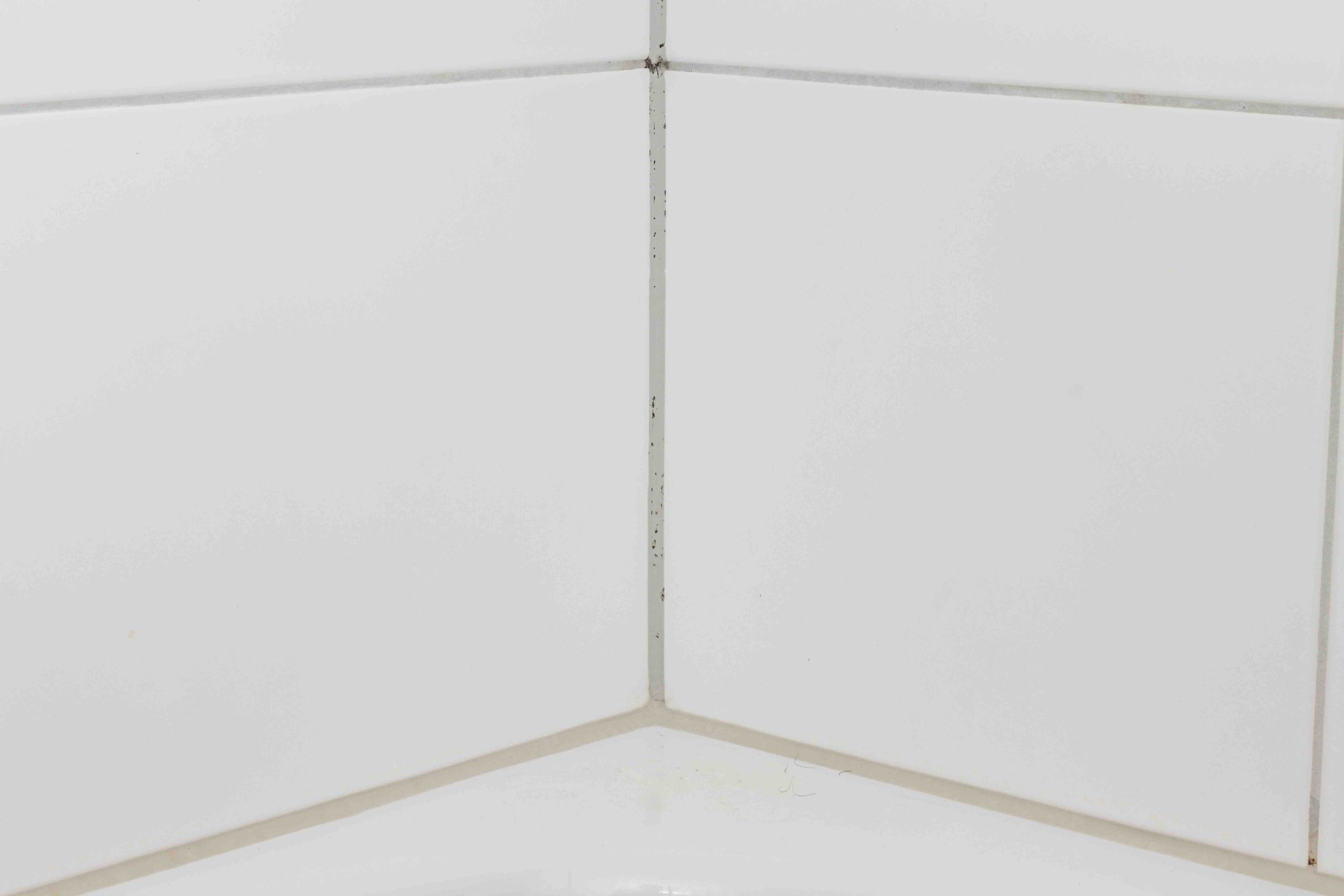
What Is Silicone Grout for Showers and Why Does It Matter?
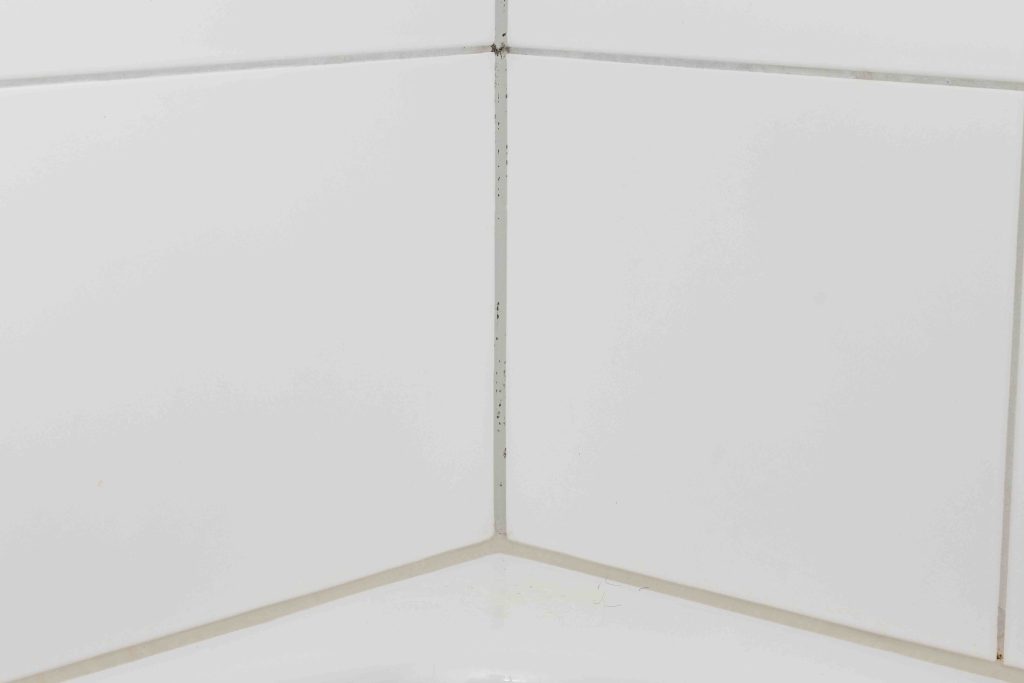
If you have ever noticed a cracked, discolored, or moldy line running along the edge of your shower floor or where the wall meets the tub, you have already met the problem that silicone grout is designed to solve. Silicone grout for shower applications is a flexible, waterproof sealant that fills the joints in tile work, particularly in areas where water exposure is constant. Unlike traditional cement-based grout, silicone is a rubber-like compound that can bend and flex without cracking, making it an ideal choice for the wet, high-movement environment of a shower. It sounds simple enough, but choosing the right grout material can be the difference between a bathroom that holds up for decades and one that quietly develops a moisture problem behind the walls.
How Silicone Grout Actually Works in a Shower
Silicone grout works by creating a waterproof, airtight seal between tiles, particularly at corners, edges, and transition points where two surfaces meet. These are the zones most likely to flex slightly as the house settles or as temperatures change. Traditional cement grout is rigid and bonds well to flat, stable surfaces, but it cannot handle movement. Silicone, on the other hand, cures into a rubbery, semi-flexible material that stretches and returns to its original shape without breaking. It adheres strongly to ceramic, porcelain, glass, and natural stone tiles, and it resists water penetration far better than its cement counterpart. In a shower, that flexibility and water resistance matter an enormous amount because even a hairline gap in grout can allow moisture to seep behind the tile and into the wall substrate over time.
Silicone Grout vs. Standard Cement Grout: What Sets Them Apart
The most common question homeowners ask is whether silicone grout is actually better than the standard stuff. The honest answer is that it depends on where you are using it. Cement grout is durable and aesthetically consistent across large tile surfaces, but it is porous and tends to crack at the joints over time, especially in corners where two planes of tile meet. Silicone grout fills a very specific role: it belongs in the change-of-plane joints of a shower, meaning the corners and wherever the floor meets the wall. Some installers also apply it around fixtures, drains, and niches. Using cement grout in these areas invites cracking because those spots naturally experience the most movement. Silicone grout is not meant to replace all the grout in your shower, but where it is used, it performs in ways that cement simply cannot match.

Key Advantages of Using Silicone Grout in Your Shower
There are real, practical reasons why tile installers and waterproofing professionals consistently recommend silicone grout for shower corners and transition zones. Here is what makes it stand out:
- Superior waterproofing: Silicone forms a non-porous seal that water simply cannot penetrate, protecting the wall substrate and framing behind the tile.
- Flexibility under movement: Homes settle, materials expand and contract with temperature shifts, and silicone handles all of that without cracking.
- Mold and mildew resistance: Many silicone grout products are formulated with antimicrobial additives, reducing the risk of black mold growth in those tight, damp corners.
- Long service life: When properly applied to a clean, dry surface, silicone grout can last many years before needing any touch-up or replacement.
- Compatibility with multiple tile types: Whether you have marble, porcelain, glass tile, or ceramic, silicone bonds well across surface types without causing damage.
Common Drawbacks and Risks You Should Know About
Silicone grout is not without its complications. The biggest practical challenge is application. It requires a very clean, completely dry surface to bond properly. If there is any moisture, soap residue, or old sealant on the surface during application, the silicone will not adhere correctly and may peel away within weeks. Beyond application, silicone can be more difficult to match aesthetically to the existing cement grout because the texture and sheen are noticeably different. Over time, it can also discolor in heavily used showers, particularly lighter colors that are exposed to constant soap and hard water. And unlike cement grout, silicone cannot simply be patched. If a section fails, the entire bead typically needs to be removed and reapplied, which is a messy, time-consuming process. These are real trade-offs, but they do not outweigh the benefits when silicone is used correctly and in the right locations.
How to Apply Silicone Grout in a Shower the Right Way
Getting silicone grout to perform the way it should is entirely about surface preparation and technique. Start by removing all old grout or sealant from the joint using an oscillating tool or a grout saw. Then clean the area thoroughly with rubbing alcohol and allow it to dry completely, ideally for at least 24 hours. Apply painter’s tape on both sides of the joint for clean edges, then load the silicone into a caulk gun and apply steady, even pressure as you move along the joint in one continuous pass. Tool the bead immediately using a wet finger or a caulking tool to press the silicone into the joint and smooth the surface. Remove the tape before the silicone skins over. Allow it to cure fully, which typically takes 24 to 48 hours depending on the product and humidity level, before running water in the shower. Skipping or rushing any of these steps is the most common reason silicone grout fails prematurely.
How Long Does Silicone Grout Last in a Shower?
When properly installed and maintained, silicone grout in a shower can last anywhere from 10 to 20 years, though results vary based on how frequently the shower is used and how well it is maintained. High-traffic household showers tend to show wear faster, particularly in corners and along the floor edge where foot traffic and constant water pooling take a toll. Periodic inspection is a smart habit. Look for any areas where the silicone has pulled away from the tile, discolored significantly, or developed a soft, spongy texture, as these are signs that the seal is compromised. Catching a failing silicone joint early costs very little to fix. Letting it go long enough for moisture to penetrate behind the tile wall is an entirely different conversation, potentially involving mold remediation, drywall replacement, or structural repairs.
Silicone Grout and Home Maintenance: Keeping Problems From Escalating
Bathroom maintenance is one of those home ownership responsibilities that is easy to defer until a small issue becomes a costly one. Silicone grout is a relatively low-cost, high-impact part of a well-maintained shower. Homeowners who stay on top of it, checking joints seasonally and re-caulking when needed, rarely face the kind of water damage that migrates into walls, subfloors, and structural elements. That said, not every water-related bathroom issue comes from grout. Plumbing systems, supply lines, and valves all carry their own risk of failure, and when those fail, the resulting damage can be significant. This is where home warranty coverage becomes relevant. While a home warranty does not cover grout or cosmetic sealants, it can cover the plumbing components that sit behind and beneath your shower walls, giving you a layer of financial protection for the systems that silicone alone cannot protect.
Why Armadillo Is Worth Considering for Your Home Warranty
Maintaining a shower involves more than keeping the tile clean. It means staying ahead of the systems that run behind the walls, and when something goes wrong with plumbing or home systems despite your best maintenance efforts, having a home warranty in place makes the difference between a manageable repair and an unexpected financial hit. Armadillo home warranty coverage for plumbing and home systems is built for homeowners who take their maintenance seriously and want real protection for the components they cannot see or easily fix themselves. If you are already thinking about shower upkeep, grout maintenance, and long-term home care, that mindset pairs perfectly with a home warranty plan designed to work the way you actually live. Take a few minutes to get a personalized home warranty quote that covers your shower plumbing and beyond and see what coverage looks like for your specific home.

Frequently Asked Questions About Silicone Grout for Showers
What is silicone grout and is it the same as caulk?
Silicone grout and silicone caulk are closely related products that are often used interchangeably in shower applications. Both are silicone-based and waterproof, but grout-matched caulk products are specifically formulated to blend with existing grout colors and are designed for tile joints rather than general sealing tasks.
Where exactly should silicone grout be used in a shower?
Silicone grout should be used at all change-of-plane joints in a shower, including corners where two walls meet, where the wall meets the floor, around the perimeter of the shower pan or base, and around any fixtures or built-in niches.
Can I apply silicone grout over old grout?
No. Silicone grout requires a completely clean, dry substrate to bond properly. Applying it over old grout, residue, or any existing sealant will cause it to fail prematurely. The old material must be fully removed before applying new silicone.
How long does silicone grout take to cure in a shower?
Most silicone grout products require between 24 and 48 hours to cure fully before the shower can be used. Some fast-cure formulations may be ready sooner, but it is best to follow the specific manufacturer guidelines printed on the product packaging.
How do I know if my silicone grout needs to be replaced?
Signs that silicone grout needs replacement include visible cracking, peeling, or pulling away from the tile, persistent dark discoloration that does not respond to cleaning, and any soft or spongy texture when pressed, which may indicate mold growth beneath the surface.
Is silicone grout resistant to mold and mildew?
Many silicone grout products are formulated with antimicrobial additives that inhibit mold and mildew growth on the surface. However, if the silicone seal fails and moisture gets behind the tile, mold can still develop in the wall substrate regardless of the grout type used.
Can I paint or stain silicone grout to match my existing tile grout?
Silicone grout does not accept paint or stain the way cement grout does. The best approach is to purchase a color-matched silicone product designed to coordinate with your existing grout color before application, as there is no reliable way to change its color afterward.
How often should silicone grout in a shower be inspected?
A quick visual inspection once or twice a year is a reasonable maintenance habit. Shower corners and floor edges are the most vulnerable areas and should be checked for any separation, discoloration, or damage so that repairs can be made before water infiltration occurs.
Does a home warranty cover silicone grout or shower tile repairs?
Home warranties typically do not cover cosmetic materials like grout or caulk. However, they can cover the plumbing systems, valves, and components within the walls that contribute to water damage when they fail, making a warranty a valuable complement to good shower maintenance practices.
What is the best type of silicone grout product to use in a shower?
Look for a 100 percent silicone product that is rated for wet areas, contains mold and mildew inhibitors, and is available in a color that matches your existing grout. Products labeled as sanded or unsanded grout-match caulk are specifically made for tile joint applications in bathrooms and showers.