Why the Right Cloth Makes All the Difference on Stainless Steel
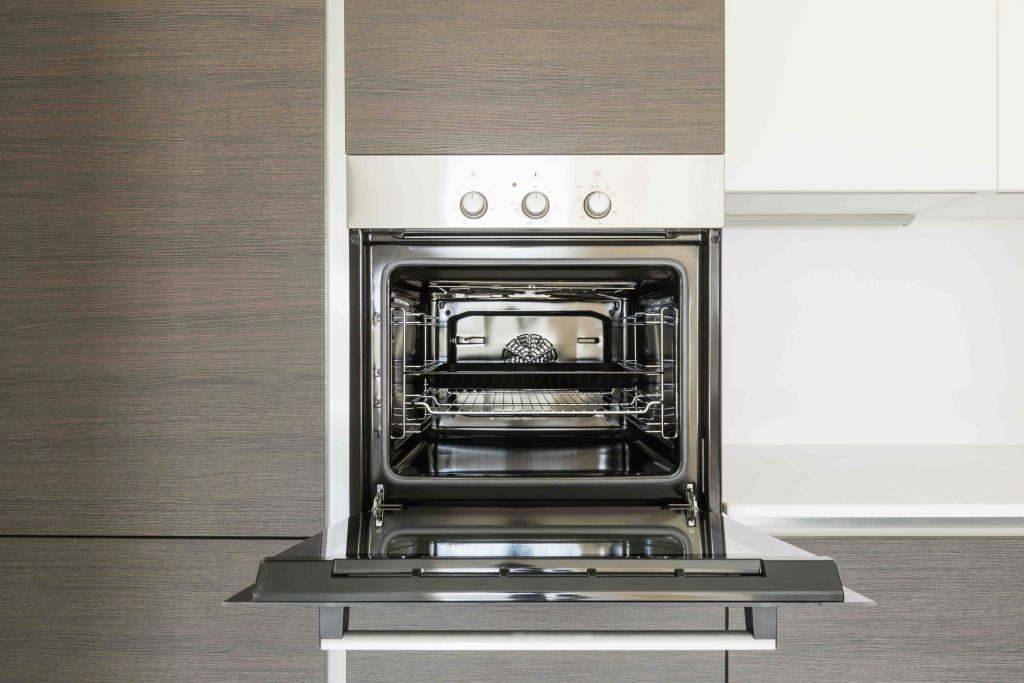
Stainless steel is everywhere in a modern home. Refrigerators, dishwashers, ovens, sinks, and even some countertops all carry that sleek, metallic finish that looks incredible when clean and absolutely miserable when smudged. The frustrating part is that wiping it down with the wrong cloth can leave it looking worse than before you started. Streaks, scratches, lint trails, all of it comes down to one thing: the cloth you chose. Finding the best cloth for cleaning stainless steel is not a complicated science, but it does require knowing what stainless steel actually responds to and why some materials work while others fail completely.
Understanding Stainless Steel Surfaces Before You Clean Them
Stainless steel has a grain, much like wood. If you look closely at any stainless steel appliance, you will notice faint lines running in one direction. That grain is a finishing texture built into the surface during manufacturing. When you wipe against the grain, you trap residue in those tiny grooves and create visible streaks. When you wipe with the grain, the cloth moves along the texture and lifts debris cleanly. This is worth understanding before selecting any cloth because even the best material in the world will perform poorly if it is dragged in the wrong direction. That said, the cloth itself is still the first variable to get right.
The Best Cloth for Cleaning Stainless Steel: Microfiber Wins
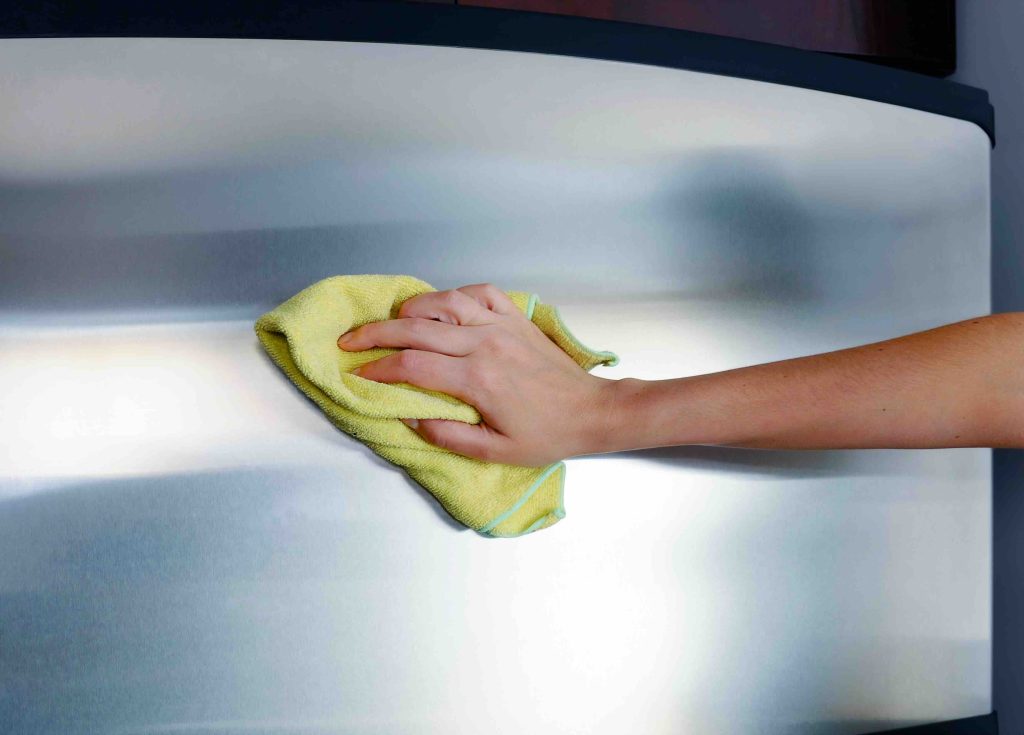
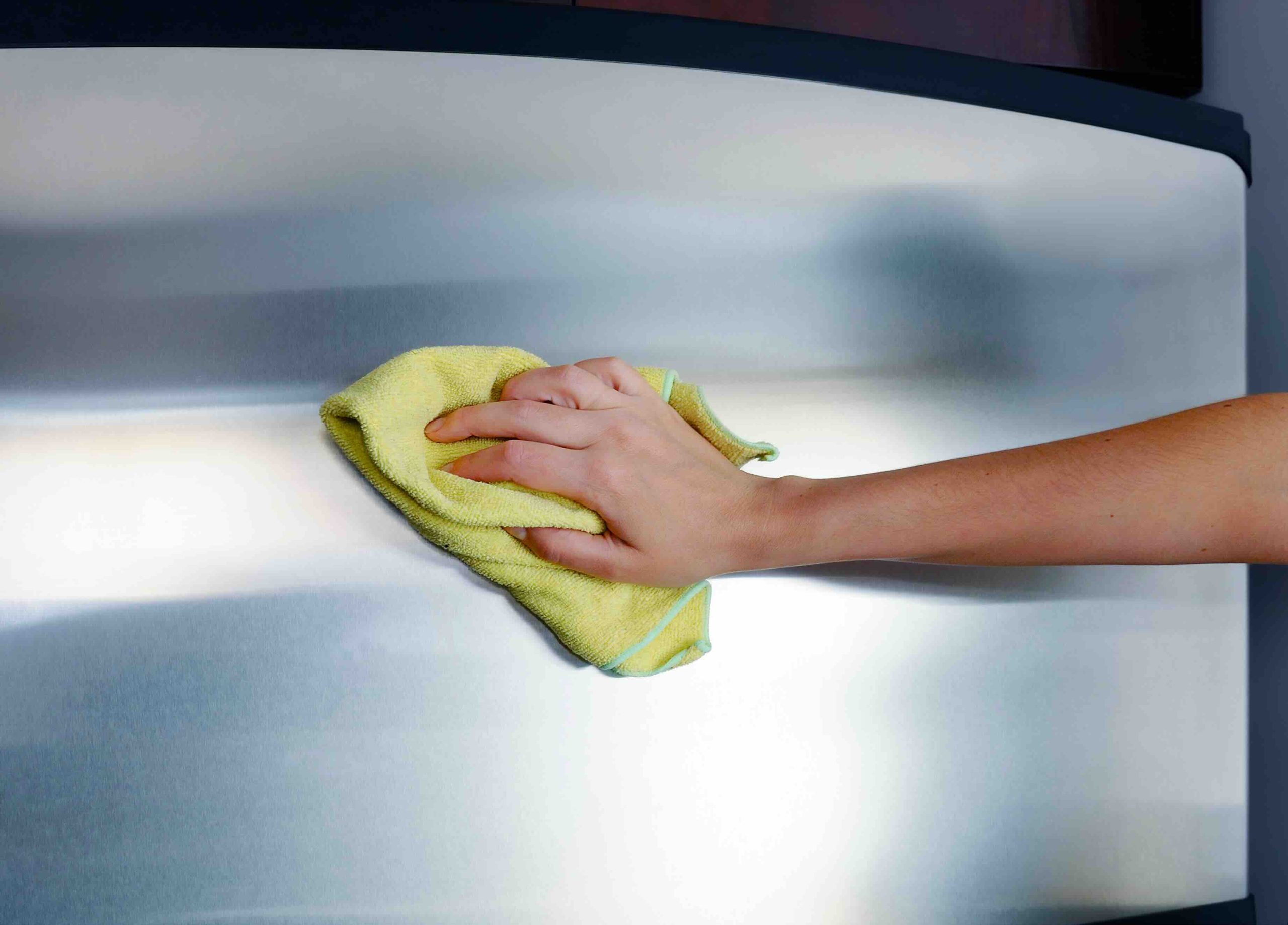
The clear answer is microfiber. A high-quality microfiber cloth is widely regarded as the best cloth for cleaning stainless steel, and that reputation is well earned. Microfiber is made from ultra-fine synthetic fibers, typically a blend of polyester and polyamide, that are split during manufacturing to create a web of tiny hooks. Those hooks grab onto oil, grease, fingerprints, and residue rather than just pushing them around the surface. Microfiber also has a soft texture that will not scratch the finish, which is a real concern with other cloth types. It is lint-free, absorbs moisture efficiently, and can be used damp or dry depending on the level of cleaning needed. For everyday maintenance on stainless steel appliances, a lightly dampened microfiber cloth followed by a dry pass is about as close to a perfect method as you will find.
Other Cloth Options and How They Compare
Not everyone has microfiber on hand, and it helps to know where the alternatives land on the scale.
- Cotton cloths and old t-shirts can work in a pinch but tend to leave lint and may streak on polished surfaces
- Terry cloth towels are too abrasive and risk scratching the finish over time
- Paper towels are a surprisingly popular choice but leave fibers behind and can cause micro-scratches with repeated use
- Chamois cloths, often used for automotive finishes, perform reasonably well and do not scratch, but they can smear oils rather than lift them
- Flour sack cloths are smoother than terry cloth and do better with lint, but they still fall short of microfiber for streak-free results
The verdict across all alternatives is consistent: they are acceptable in limited situations, but microfiber remains the standard that others are measured against.
Wet vs. Dry: Knowing When to Use Each Method
The cloth material matters, but so does how you use it. For light fingerprints or dust, a dry microfiber cloth is usually all you need. Rub with the grain, apply light pressure, and the fibers will lift the oils off the surface without any liquid involved. For heavier grease, dried food splatter, or sticky residue, dampen the microfiber cloth with warm water and wipe with the grain first. Follow that immediately with a dry microfiber cloth to remove any moisture before it evaporates and leaves water spots. If you are using a mild dish soap solution or a dedicated stainless steel cleaner, the same process applies. The drying step is not optional. Water left sitting on stainless steel is one of the most consistent sources of frustration homeowners have with this surface.
What to Avoid When Cleaning Stainless Steel Surfaces
Some cleaning habits are genuinely damaging to stainless steel, and they are worth flagging directly.
- Steel wool and abrasive scrubbing pads will scratch the finish permanently, no matter how careful you think you are being
- Bleach-based cleaners can corrode the protective chromium layer that gives stainless steel its rust-resistant properties
- Wiping against the grain embeds residue and creates streaks that require additional passes to fix
- Leaving moisture on the surface for extended periods leads to water spots that are difficult to remove without chemical intervention
- Using the same cloth across multiple surfaces, especially if it has picked up gritty debris, introduces the risk of scratching

How Often Should You Clean Stainless Steel Appliances
High-touch surfaces like refrigerator handles and oven doors benefit from a quick wipe-down a few times per week. The oils from hands accumulate fast and become harder to remove the longer they sit. A light dry microfiber pass takes under a minute and prevents the buildup from becoming a project. Deeper cleaning, with a damp cloth and cleaner, is reasonable once a week for most households. If you have a stainless steel sink, it may need attention daily given the volume of water and food contact it handles. Consistency is a lot easier than correction, and that rhythm pays off in how well the finish holds up over the years.
Caring for Your Microfiber Cloths to Keep Them Effective
A microfiber cloth that has been improperly laundered is not going to perform the way it should. Wash microfiber cloths separately from cotton items because cotton fibers shed and cling to the microfiber weave, reducing its effectiveness significantly. Use a small amount of liquid detergent without fabric softener. Fabric softener coats the fibers and fills in the tiny hooks that make microfiber useful, essentially defeating the entire point. Avoid high dryer heat as well, since excessive heat can damage the synthetic fibers over time. Air drying or low dryer heat is the better option. With proper care, a good microfiber cloth lasts for hundreds of washes and remains one of the most cost-efficient cleaning tools in the home.
The Connection Between Clean Appliances and Long-Term Home Maintenance
Keeping stainless steel appliances clean is not just about aesthetics. Residue and grease buildup around door seals, vents, and control panels can contribute to appliance strain over time. When grime gets into mechanical components or interferes with door gaskets, it creates the kind of wear that shortens an appliance’s functional lifespan. Regular cleaning with the right cloth is a small but meaningful part of responsible appliance maintenance, and it is the kind of habit that complements whatever other protections a homeowner has in place for their systems and appliances.
Why Armadillo Is Worth Knowing About When You Care About Your Home
Homeowners who pay attention to details like finding the best cloth for cleaning stainless steel tend to be the same people who think proactively about protecting what they own. That mindset is exactly what Armadillo home warranty coverage for appliances and home systems was built for. Keeping appliances clean extends their life, but breakdowns still happen even with perfect maintenance habits. A home warranty through Armadillo covers the unexpected mechanical failures that no amount of microfiber wiping can prevent, from refrigerator compressors to dishwasher motors to oven heating elements. If you want to see what a plan would actually cost and cover for your home, you can get a personalized home warranty quote for your stainless steel appliances and beyond in just a few minutes. It is an easy next step for anyone who takes home care seriously.

Frequently Asked Questions About Cleaning Stainless Steel
These are the questions homeowners ask most often when trying to get stainless steel surfaces looking their best.
What is the best cloth for cleaning stainless steel without streaks?
A high-quality microfiber cloth is the best option for streak-free results. It lifts oils and residue without pushing them around, and when used dry after a damp wipe, it leaves no water marks behind.
Can I use paper towels on stainless steel?
Paper towels are not recommended for stainless steel. They leave behind small fibers and can cause micro-scratches over time, particularly on polished finishes.
Should I wipe stainless steel with or against the grain?
Always wipe with the grain, which means following the faint directional lines visible on the surface. Wiping against the grain forces residue into those grooves and causes streaking.
How do I remove fingerprints from stainless steel appliances?
A dry microfiber cloth wiped with the grain removes light fingerprints effectively. For stubborn smudges, dampen the cloth with warm water or a small amount of dish soap solution, wipe with the grain, then follow immediately with a dry cloth.
Can I use vinegar to clean stainless steel?
Diluted white vinegar can be used on stainless steel to cut through grease and water spots. Apply it with a microfiber cloth, wipe with the grain, and always dry the surface afterward to prevent new water marks.
What cleaners should I avoid on stainless steel?
Avoid bleach-based cleaners, chlorine products, and any abrasive powders. These can damage or corrode the chromium layer that gives stainless steel its protective and rust-resistant properties.
How often should I clean stainless steel appliances?
High-touch surfaces benefit from light cleaning several times a week. A deeper damp wipe-down once a week is sufficient for most households. Stainless steel sinks may need daily attention due to constant water and food exposure.
Does fabric softener affect microfiber cloths used on stainless steel?
Yes, fabric softener fills in the microfiber’s tiny hooks, which are what make it effective at lifting residue. Always wash microfiber cloths without fabric softener to maintain their cleaning performance.
Can scratches on stainless steel be repaired?
Minor surface scratches can sometimes be minimized using a stainless steel scratch repair kit or fine-grade abrasive pads designed specifically for the finish. Deep scratches typically require professional refinishing.
Does a home warranty cover stainless steel appliance repairs?
Home warranties typically cover the mechanical and electrical components of appliances like refrigerators, dishwashers, and ovens when they fail due to normal wear and tear. Cosmetic damage to surfaces, including the stainless steel finish, is generally not included in standard coverage.