Why Your Outside Faucet Has No Water Pressure
You walk outside to water the garden or rinse off the driveway, turn the handle, and nothing happens. Well, not nothing. A sad little trickle comes out, barely enough to wet your hand. If your outside faucet has no water pressure, you are dealing with one of the more frustrating little mysteries homeowners face. The good news is that it is almost always fixable, and in most cases, you can figure out what is going on without calling a plumber immediately. This guide walks you through why it happens, how to troubleshoot it, and when it might be time to bring in backup.
How an Outdoor Faucet Actually Works
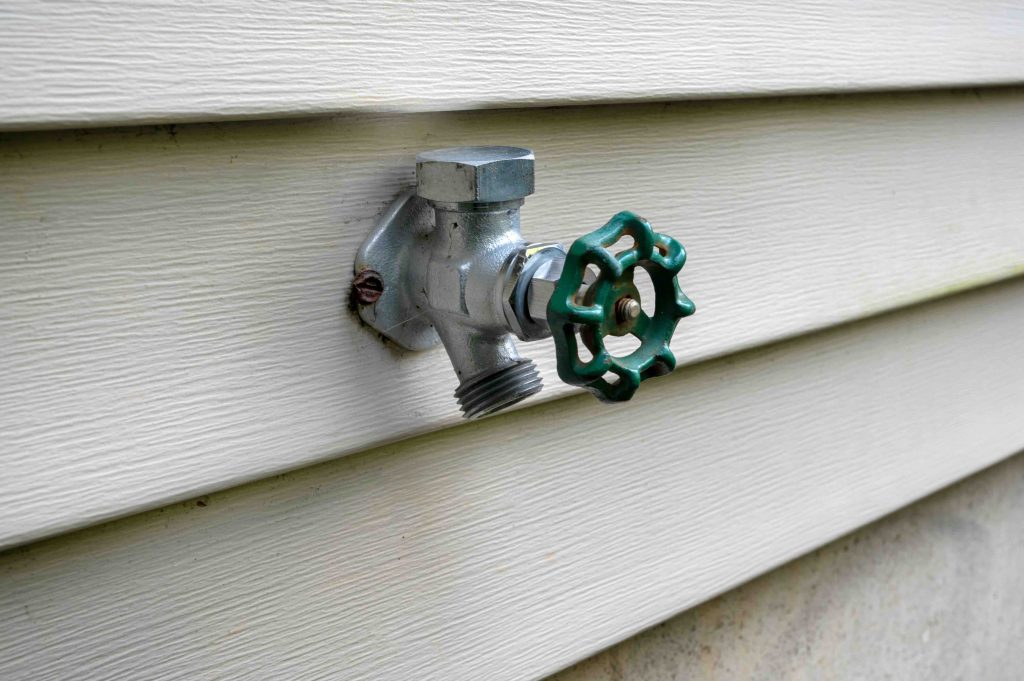
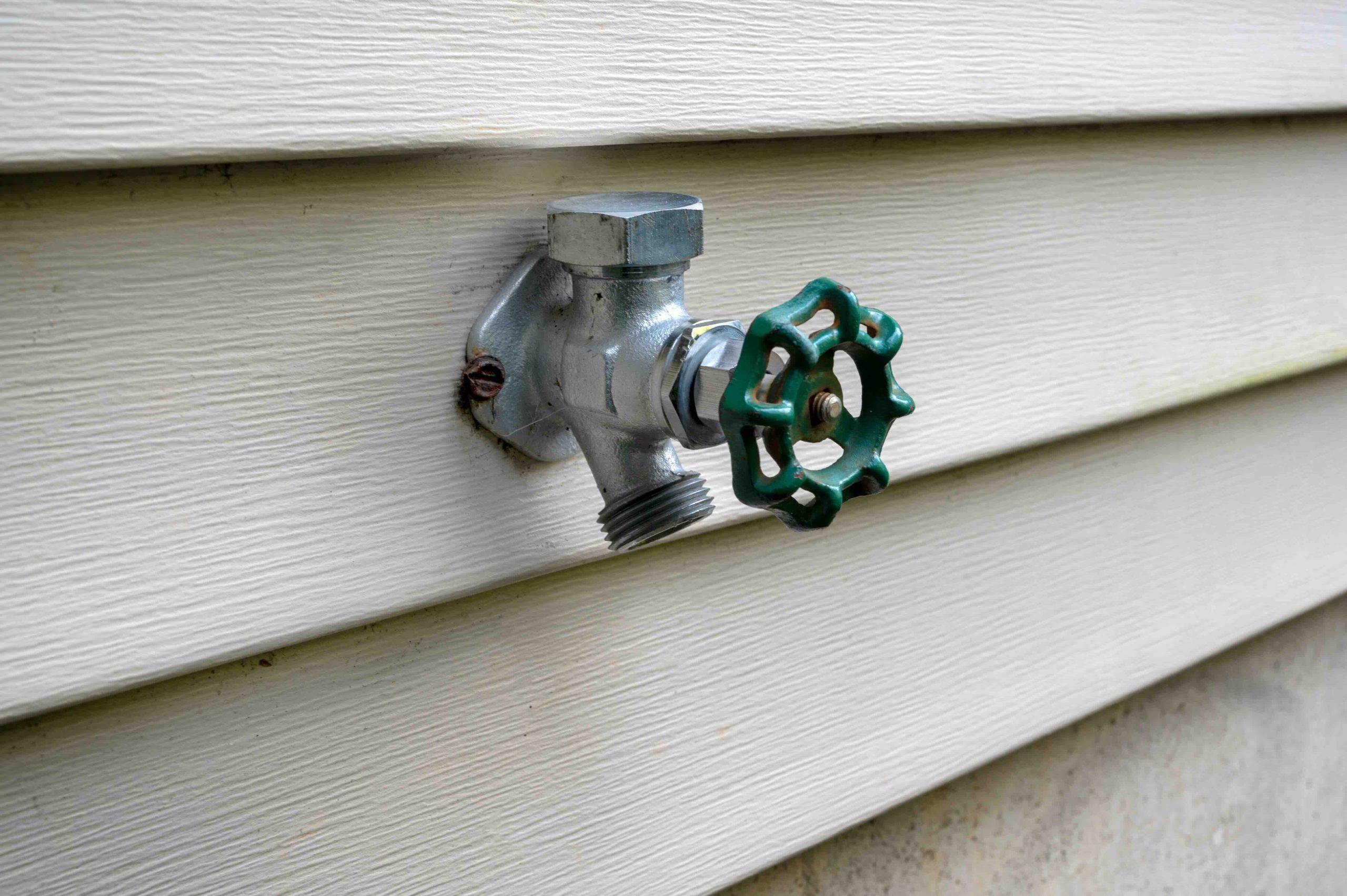
Before diagnosing the problem, it helps to understand what you are working with. An outdoor faucet, also called a hose bib or sillcock, is connected to your home’s main water supply line. When you turn the handle, a valve stem inside the faucet body opens to allow water to flow through. Many modern homes use frost-free faucets, which have a longer stem that keeps the water shutoff point inside the heated wall of the house. That design protects against freezing in winter. When pressure drops at that specific faucet while the rest of your home seems fine, the issue is usually isolated somewhere between the main line and the faucet itself.
Common Reasons Your Outside Faucet Has No Water Pressure
There are several reasons this happens, and most of them fall into a short list of usual suspects. Knowing which one you are dealing with saves time and sometimes saves money.
- A partially closed shutoff valve: Most outdoor faucets have a dedicated shutoff valve inside the house. If that valve is not fully open, pressure drops dramatically.
- A clogged aerator or screen: Debris, mineral deposits, and sediment can block the small screen at the faucet outlet, restricting flow.
- A worn or damaged washer: The rubber washer inside the valve stem degrades over time and can partially block water flow.
- Frozen or previously frozen pipes: Even if winter is over, a frost-free faucet that froze at some point may have internal damage affecting pressure.
- A kinked or leaking supply line: If a pipe behind the wall has a small leak or partial blockage, pressure suffers at the outlet.
- Low household water pressure: If your whole home has pressure issues, the outdoor faucet will reflect that too.
Start With the Simple Checks First
Before assuming the worst, work through the easy stuff. Go inside and find the shutoff valve for your outdoor faucet. It is typically located in the basement, crawl space, or utility area near where the pipe exits the house. Turn it fully counterclockwise and then go back outside to test the pressure. That alone solves the problem more often than you might expect. Next, unscrew the aerator at the end of the faucet spout, rinse it out, and reinstall it. Mineral buildup is incredibly common, especially in areas with hard water, and even a partially blocked screen chokes off pressure fast.
When the Problem Is Deeper Than the Faucet Itself
If those quick checks do not resolve your outside faucet’s low water pressure, the issue might be inside the wall or further back in the supply line. A frost-free faucet that was left with a hose attached during freezing temperatures can sustain internal damage, even if the pipe itself did not visibly burst. The stem inside can warp or crack, disrupting normal flow. Mineral scaling inside older galvanized pipes is another culprit that gradually reduces diameter and pressure over years. These are situations where visual inspection alone will not get you far, and that is where things get more involved.

Diagnosing a Faulty Faucet Valve or Stem
If you are comfortable with basic plumbing, replacing a hose bib washer or the entire valve stem is a manageable DIY task. Shut off the water supply to the faucet, remove the packing nut, and pull out the stem. Inspect the washer at the bottom. If it is flattened, cracked, or misshapen, that is your culprit. Hardware stores carry universal replacement washers for just a couple of dollars. Reassemble everything, restore water supply, and test. If pressure is still weak after replacing the washer, the faucet body itself may be corroded or damaged internally, and replacement of the entire unit may be more practical than further repair attempts.
The Impact of Hard Water and Mineral Buildup
Hard water is a persistent enemy of outdoor plumbing components. Over time, calcium and magnesium deposits accumulate inside the faucet body, the valve stem cavity, and the supply line connection. This buildup does not announce itself. It just quietly narrows the water path until one day you notice your outside faucet has no real pressure left. Soaking removable components in a vinegar solution can dissolve mild deposits, but heavy scaling inside pipes or the faucet body typically requires professional attention or outright replacement. This is one of those slow-developing problems that homeowners tend to ignore until it becomes impossible to ignore.
When to Call a Plumber for an Outdoor Faucet Pressure Problem
Calling a plumber makes sense when you have already checked the shutoff valve, cleaned the aerator, and inspected the washer but pressure remains poor. It also makes sense if you notice water staining on the exterior wall near the faucet, hear dripping inside the wall after shutting the faucet off, or if the faucet handle feels unusually stiff or loose. These signs often point to a cracked stem, a compromised pipe connection, or even a slow leak inside the wall cavity. Ignoring those symptoms can allow moisture to build up behind siding and drywall, creating a much more expensive situation over time.
Preventive Maintenance Tips for Outdoor Faucets
Maintaining outdoor faucets is straightforward and does not require much time, but it does require consistency. A few habits go a long way toward avoiding low pressure and costly repairs.
- Disconnect garden hoses before the first freeze of the season, every year without exception.
- Shut off the dedicated valve for each outdoor faucet in fall and open the faucet itself to drain remaining water.
- Inspect the faucet body each spring for signs of cracking, corrosion, or dripping at the handle.
- Clean the aerator screen at least once per year, more frequently if your water supply is hard.
- Replace rubber washers proactively every few years rather than waiting for failure.
How a Home Warranty Can Help With Outdoor Faucet Issues
When an outdoor faucet problem turns out to be more than a quick fix, the repair costs can add up. Replacing a frost-free hose bib runs anywhere from one hundred to three hundred dollars with labor, and if pipe work inside the wall is involved, that number climbs. This is where having a home warranty genuinely earns its place. A quality home warranty covers plumbing components, including interior supply lines and faucets, so you are not absorbing the full cost of a service call and repair out of pocket. If you are looking for reliable protection for your home’s plumbing systems, Armadillo home warranty coverage for plumbing and pipe repairs is designed with exactly these kinds of real-world homeowner situations in mind. The plans are straightforward, pricing is transparent, and coverage is built around the components that actually break. When something goes wrong with your plumbing and you need fast, dependable support, you can get a free home warranty quote for outdoor faucet and plumbing protection in just a few minutes. Peace of mind should not be complicated to find.

Frequently Asked Questions About Outside Faucet No Water Pressure
These are the questions homeowners ask most often when dealing with low or no water pressure at an outdoor faucet.
Why does my outside faucet have no water pressure when other faucets work fine?
When only the outdoor faucet is affected, the issue is almost certainly localized to that specific faucet or its dedicated shutoff valve. Check whether the shutoff valve inside the house is fully open and inspect the faucet’s aerator screen for blockage before assuming a larger problem.
Can a frozen pipe cause low pressure at an outdoor faucet even after it thaws?
Yes. A pipe or faucet stem that froze and then thawed may have developed a crack or internal deformation that restricts water flow. Even without an obvious leak, internal frost damage can reduce pressure and requires professional inspection.
How do I know if my outdoor faucet washer needs to be replaced?
Signs of a worn washer include low water pressure, a dripping faucet that does not fully stop when closed, and difficulty turning the handle. Removing the stem and visually inspecting the washer at the bottom will confirm whether it is flattened or degraded.
What is a frost-free faucet and how does it affect water pressure?
A frost-free faucet has an extended stem that moves the shutoff point inside the heated wall of the home to prevent freezing. If the stem is damaged, corroded, or improperly installed, it can restrict water pressure even when the faucet appears fully open.
Can mineral deposits really cause an outside faucet to lose pressure?
Absolutely. Calcium and magnesium deposits from hard water accumulate over time inside the faucet body and supply lines, narrowing the path water travels through. This progressively reduces pressure until the faucet barely flows at all.
Should I replace or repair an outdoor faucet with low water pressure?
If the faucet is older, visibly corroded, or has already had washers replaced without improvement, full replacement is often the more cost-effective choice. A new frost-free hose bib is not expensive and eliminates multiple failure points at once.
Does home warranty coverage typically include outdoor faucets?
Coverage varies by provider and plan, but many home warranties cover interior plumbing components including supply lines, valves, and faucets. Reviewing the terms of your specific plan will confirm what is included and whether outdoor plumbing fixtures qualify.
How often should outdoor faucets be inspected?
A quick inspection each spring and fall is sufficient for most homes. Spring checks catch winter damage early, and fall checks allow you to prepare the faucet for cold weather by shutting off the supply valve and disconnecting hoses.
Can I fix low water pressure at an outdoor faucet myself?
Many causes of low outdoor faucet pressure are manageable as DIY repairs, including cleaning the aerator, fully opening a shutoff valve, or replacing a washer. If the issue involves pipes inside the wall or significant corrosion, professional service is the safer choice.
What pressure is considered normal for an outdoor faucet?
Residential water pressure typically ranges from 40 to 80 psi. An outdoor faucet should deliver pressure within that range when the shutoff valve is fully open and the faucet is in good condition. Readings below 40 psi generally indicate a problem worth investigating.