What Is a Hydronic Heating System and Why Does It Matter?
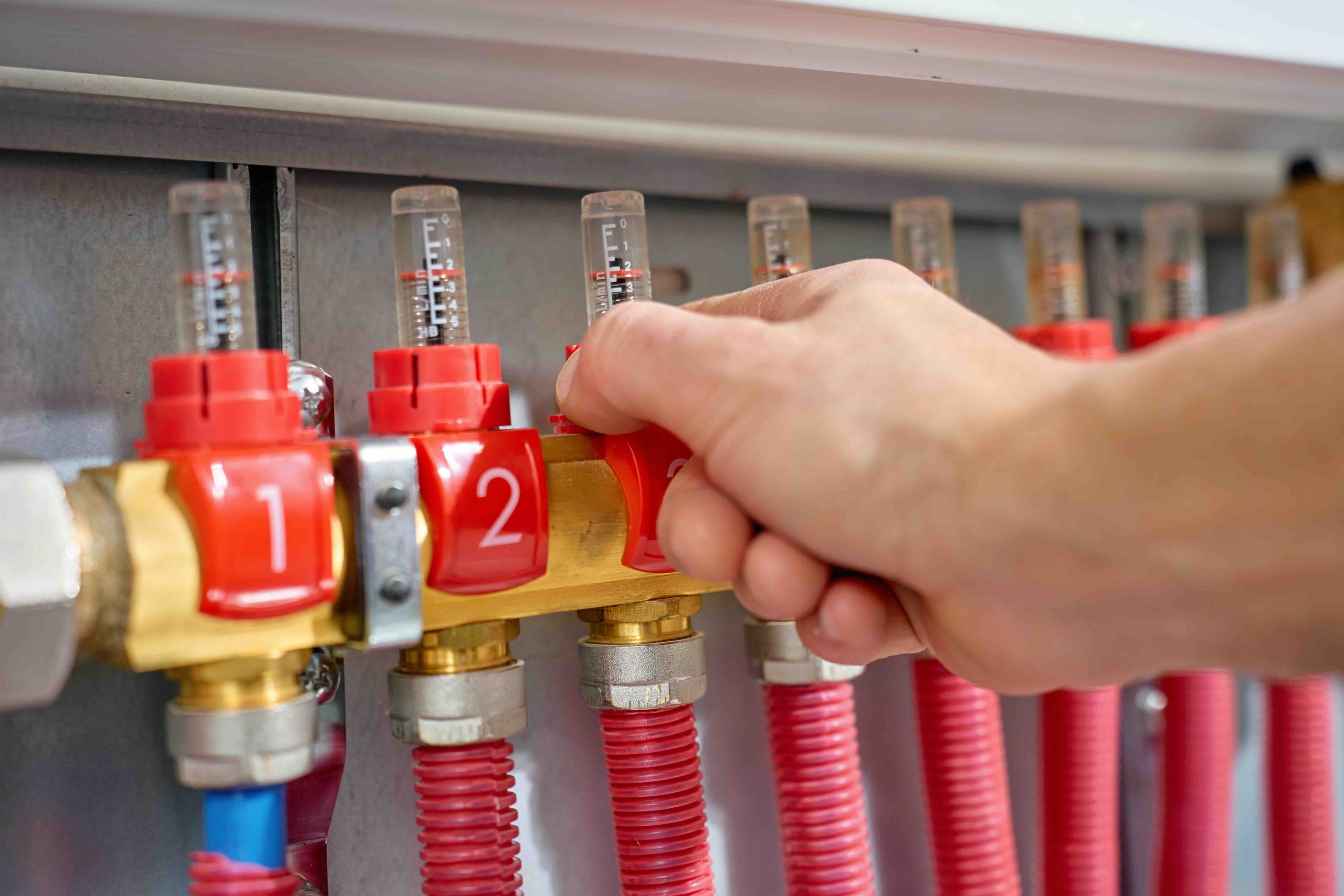
If your home uses hot water to distribute heat through radiators, baseboard units, or in-floor tubing, you have a hydronic heating system. It is one of the oldest and most efficient ways to heat a home, and honestly, once you understand how it works, it makes a lot of sense. A boiler heats water, that water circulates through a closed loop of pipes, and the heat radiates into your living spaces. No forced air, no ductwork, no dry air blasting from vents. Just steady, comfortable warmth. It sounds simple, and in a lot of ways it is, but hydronic heating system maintenance is what keeps that simplicity from turning into a costly headache.
How a Hydronic Heating System Actually Works
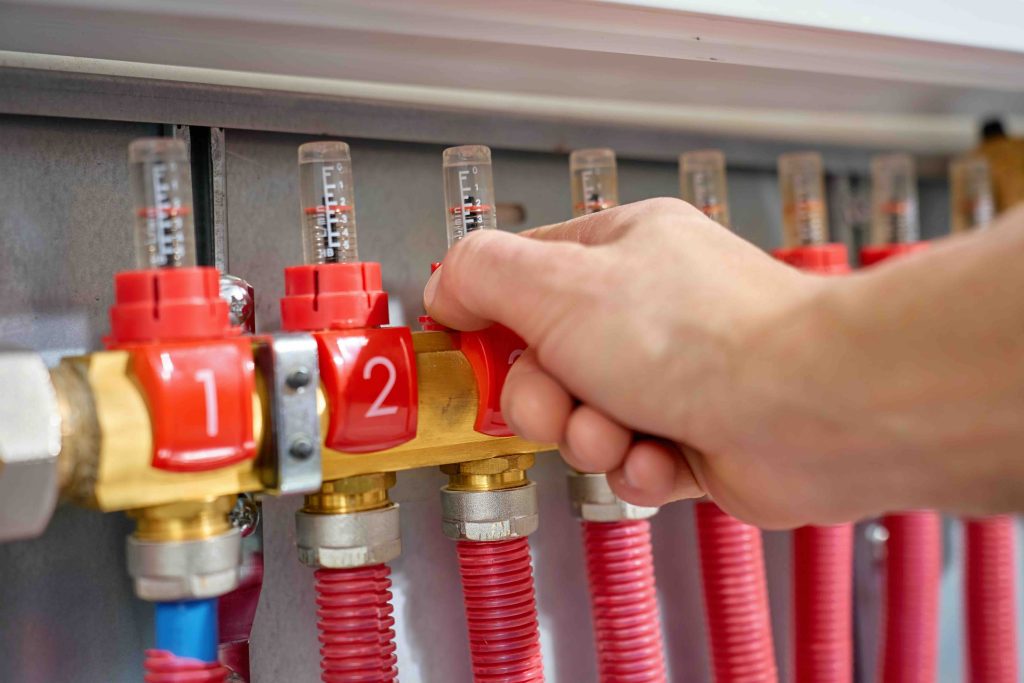
The core of a hydronic system is the boiler. It heats water to a set temperature and a circulation pump moves that water through the piping network. Depending on your setup, the heat is delivered through cast iron radiators, baseboard convectors, or radiant floor tubing embedded in concrete or subfloor material. After releasing its heat into the room, the cooled water returns to the boiler to be reheated and sent out again. The system is closed, meaning the same water cycles repeatedly rather than being replaced. That closed-loop design is part of what makes hydronic systems so efficient, but it also means that the condition of that water and the components it touches matters enormously over time.
Key Advantages of Hydronic Heating Systems
There are real, meaningful reasons homeowners love these systems. The comfort level is hard to match. Radiant heat warms objects and people rather than just air, which means the warmth feels more even and natural. There are no allergens or dust being pushed around the house, which is a genuine benefit for anyone with respiratory sensitivities. Hydronic systems also tend to be quieter than forced-air systems. That low hum of a boiler firing up is a far cry from the whoosh and clang of ductwork. Energy efficiency is another standout. Because water holds heat much more effectively than air, less energy is needed to deliver the same level of comfort. Over time, that efficiency can show up meaningfully on your energy bills.
Common Problems and Risks to Watch For
Even the most reliable systems have weak points. Hydronic heating systems are no exception. Here are the issues that come up most often:
- Air in the pipes: Air pockets interrupt water flow and cause radiators or baseboard units to heat unevenly or not at all. Bleeding the system removes trapped air and restores proper circulation.
- Boiler pressure problems: Too little pressure means the system cannot circulate water properly. Too much pressure can stress seals and components. Monitoring the pressure gauge regularly is a simple but important habit.
- Corrosion and sediment buildup: Over years of cycling, minerals and rust particles accumulate in the system. This buildup reduces efficiency and can damage the boiler, pump, and valves.
- Circulator pump failure: The pump is what keeps everything moving. When it fails, heat stops flowing even if the boiler is working perfectly.
- Leaks at fittings or valves: Small leaks can go unnoticed for a long time, leading to water damage and pressure loss. Routine inspection catches these early.

Hydronic Heating System Maintenance: What You Should Do Every Year
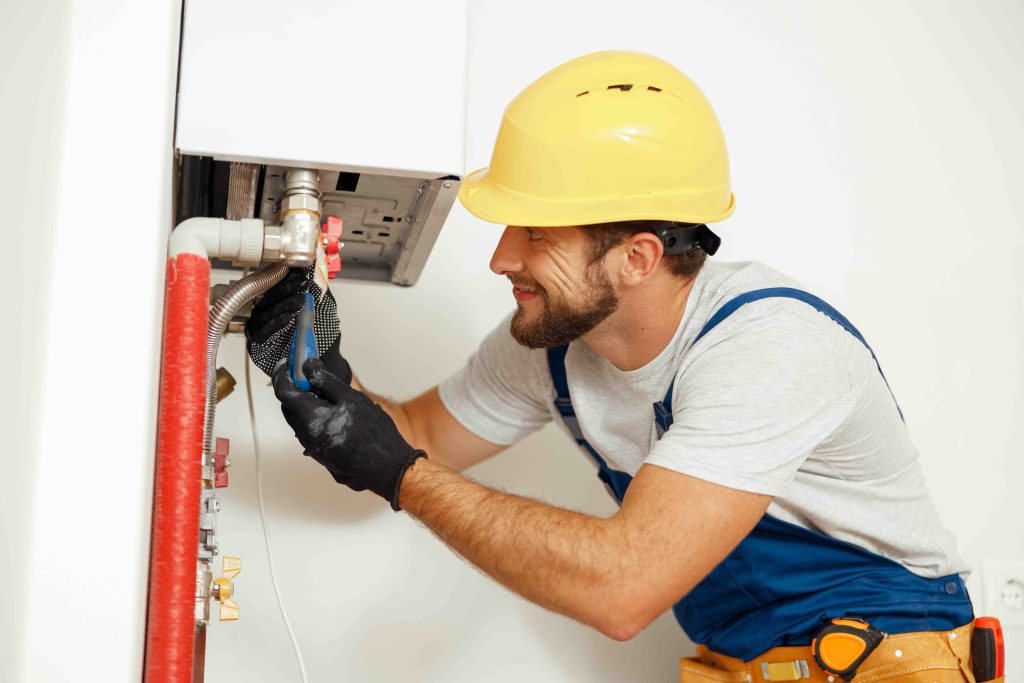
Annual maintenance is not optional if you want a hydronic system to perform reliably and last its full lifespan, which can easily stretch beyond 20 years with proper care. A qualified technician should inspect and service the boiler, check the expansion tank, test the pressure relief valve, clean the heat exchanger, and verify that the circulator pump is operating correctly. Beyond the professional visit, there are tasks homeowners can and should do on their own. Checking the system pressure on the gauge every month takes about ten seconds. Bleeding air from radiators or baseboard units at the start of the heating season is straightforward once you know how. Keeping the area around the boiler clear of debris is basic but often overlooked.
Flushing and Water Quality: The Step Most Homeowners Skip
This one tends to get skipped because it is not as obvious as a noisy radiator or a pressure warning light. But the water inside your hydronic system degrades over time. It accumulates dissolved minerals, rust, and biological material that form sludge. That sludge coats the inside of pipes and the boiler heat exchanger, reducing efficiency and accelerating wear. Flushing the system, also called power flushing, removes that buildup and replaces it with clean, treated water. Some technicians also add inhibitors to slow future corrosion. How often you need to flush depends on the system age and water quality in your area, but every five to seven years is a reasonable baseline for most homes. If your radiators have cold spots near the bottom, that is often sludge settling, and it is time to call someone.
Expansion Tanks and Pressure Relief Valves: Small Parts, Big Consequences
Two components that often go unnoticed until they fail are the expansion tank and the pressure relief valve. The expansion tank absorbs the pressure that builds as water heats and expands. When it fails, that pressure has nowhere to go, which puts stress on every other component in the system. The pressure relief valve is a safety device that opens if pressure exceeds a safe threshold, preventing dangerous overpressure situations. Both should be tested and inspected annually. Replacing a failed expansion tank is relatively straightforward and inexpensive. Ignoring one that has stopped working can eventually result in boiler damage or worse. These are the kinds of small maintenance steps that protect the larger investment.
When to Call a Professional vs. Handle It Yourself
Homeowners can handle a handful of hydronic heating maintenance tasks without professional help. Bleeding radiators, monitoring pressure, visually inspecting for leaks, and keeping the boiler area clean are all reasonable DIY actions. Everything else is better left to a licensed HVAC or plumbing technician. That includes anything involving the gas line or fuel supply, the pressure relief valve replacement, boiler cleaning and inspection, circulator pump diagnostics, and system flushing. Attempting complex repairs without proper training can void manufacturer warranties, create safety hazards, or cause damage that is far more expensive than the original problem. Knowing where your limits are is part of being a responsible homeowner.
How Home Warranty Coverage Fits Into the Picture
Hydronic heating systems, like any mechanical home system, can fail in ways that go well beyond routine maintenance. A circulator pump that burns out, a boiler component that cracks unexpectedly, or a zone valve that stops responding are not maintenance failures. They are mechanical breakdowns, and that is exactly the category of repair a home warranty is designed to address. If your hydronic system is covered under your plan, you can call your warranty provider when something breaks down unexpectedly rather than scrambling to find a contractor and negotiate costs on the spot. That kind of financial predictability is genuinely valuable, especially when boiler repairs can run into the hundreds or even thousands of dollars depending on the component involved.
If you are looking for home warranty coverage that is straightforward and actually built around how homeowners live, Armadillo home warranty plans for heating systems are worth a close look. Armadillo covers key components of your home’s systems, including heating, with clarity about what is included rather than burying the details in fine print. When your hydronic system has a covered breakdown, you should not have to fight for the repair. You can get a free home warranty quote for hydronic heating protection in just a few minutes to see what coverage looks like for your specific home. Peace of mind does not require a complicated process.

Frequently Asked Questions About Hydronic Heating System Maintenance
Real answers to the questions homeowners actually search for when it comes to maintaining their hydronic heating systems.
How often should a hydronic heating system be serviced?
A hydronic heating system should receive a professional inspection and tune-up once per year, ideally before the heating season begins. Annual servicing keeps the boiler efficient, catches developing issues early, and helps extend the lifespan of the system.
How do I bleed air from my hydronic heating system?
Locate the bleed valve on the radiator or baseboard unit, typically found at one end near the top. Use a radiator key or flat-head screwdriver to slowly open the valve until you hear a hiss of escaping air. Once water begins to drip steadily, close the valve. Check the system pressure afterward and top off if needed.
What pressure should a hydronic heating system run at?
Most residential hydronic systems operate between 12 and 25 pounds per square inch, with 15 to 20 psi being a typical operating range. Check your boiler’s label or manual for the specific range recommended for your unit.
Why is my hydronic radiator cold at the bottom but warm at the top?
Cold spots at the bottom of a radiator are typically caused by sludge or sediment buildup blocking water flow. This is a sign that the system may need a power flush to remove accumulated debris from the pipes and boiler.
How long do hydronic heating systems last?
With consistent maintenance, a well-installed hydronic heating system can last 20 to 30 years or more. Boilers tend to have shorter lifespans of 15 to 25 years depending on the type and how well they are maintained. Piping and radiators often outlast the boiler itself.
Can I add more zones to an existing hydronic heating system?
Yes, additional zones can be added to most hydronic systems by installing zone valves or additional circulator pumps and thermostats. The feasibility depends on the capacity of your existing boiler, so a technician should evaluate the system before any expansion work begins.
Is hydronic heating more efficient than forced air?
In most cases, yes. Water transfers heat more efficiently than air, which means hydronic systems generally use less energy to deliver the same level of warmth. Radiant floor systems in particular are considered among the most efficient residential heating options available.
Does a home warranty cover hydronic heating systems?
Many home warranty plans include coverage for heating systems, but coverage specifics vary by provider and plan. It is important to review what components are covered, such as the boiler, circulator pump, and zone valves, before assuming your system is fully protected.
What is power flushing and when is it necessary?
Power flushing is a professional process that uses high-velocity water and cleaning chemicals to remove sludge, rust, and scale from a hydronic system. It is typically recommended when the system is showing signs of reduced efficiency, uneven heating, or visible contamination in the water. Most systems benefit from flushing every five to seven years.
Can a hydronic heating system freeze?
Yes, if the system is in an unheated space such as a garage or vacation property and power or fuel is interrupted during cold weather, pipes can freeze and burst. Some systems use antifreeze mixed into the water as a precaution, particularly for exposed or at-risk sections of piping.