Why Is My Sprinkler Head Leaking at the Base?
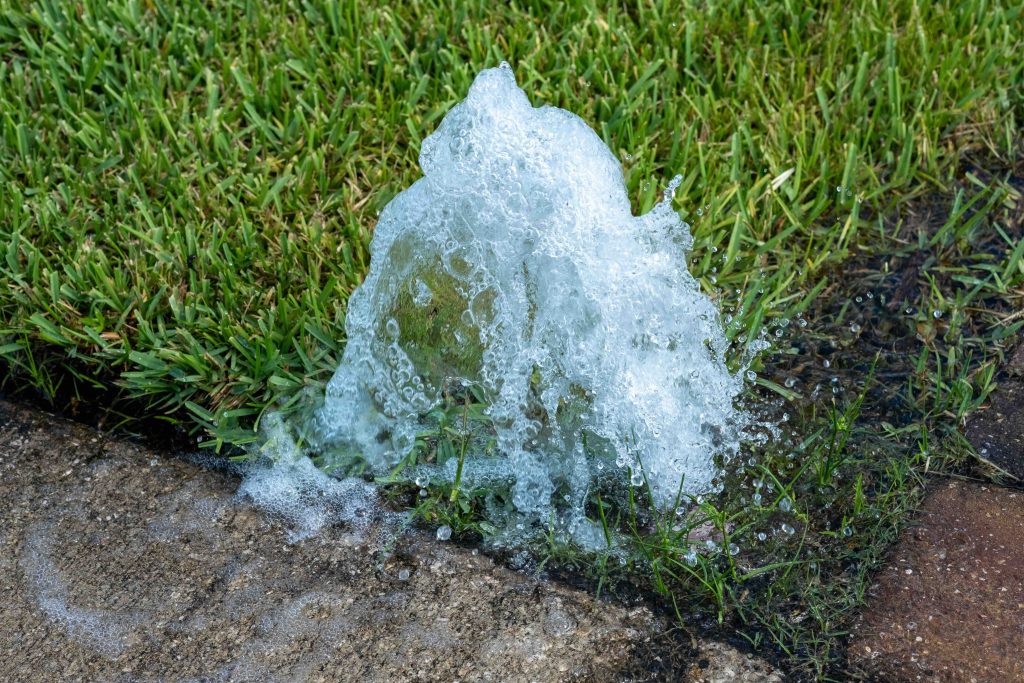
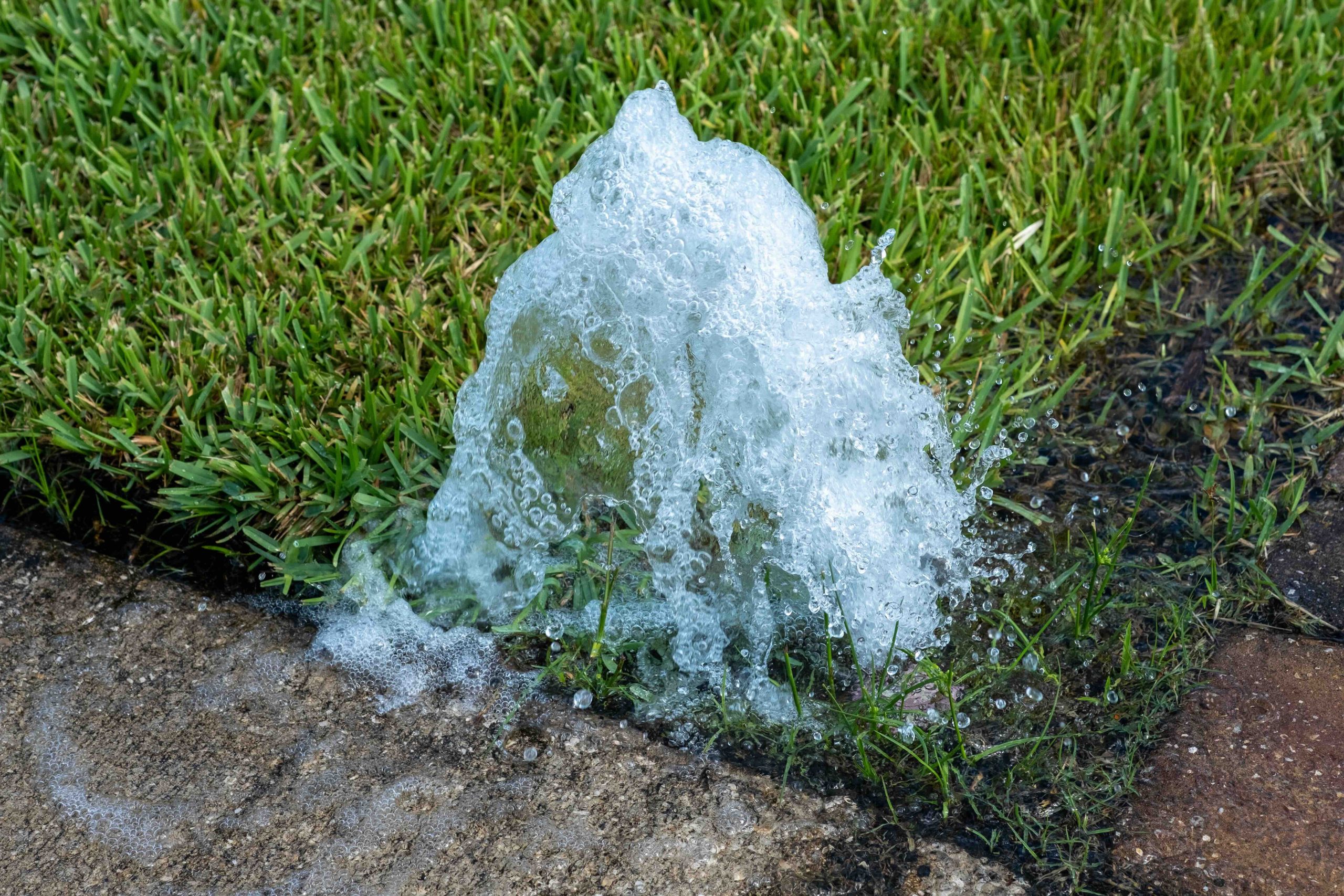
You step outside one morning and notice a small pool of water forming right around one of your sprinkler heads. The system is off, but the water is very much still there. If this sounds familiar, you are dealing with a sprinkler head leaking at the base, and it is one of the more common irrigation problems homeowners face. The good news is that this issue is usually diagnosable without calling in a professional right away. The not-so-good news is that ignoring it can lead to wasted water, higher utility bills, and damage to your lawn or landscaping. So let’s get into it.
What Causes a Sprinkler Head to Leak at the Base
There are a few different reasons a sprinkler head leaks at its base, and knowing which one applies to your situation makes all the difference. The most common culprit is a damaged or worn-out seal. Over time, the rubber seal inside the sprinkler head breaks down from UV exposure, soil pressure, and general wear. When that seal goes, water seeps out from the bottom of the head rather than through the nozzle where it belongs. Another frequent cause is a cracked sprinkler body. Lawn mowers, foot traffic, or even frost can crack the plastic housing, creating a path for water to escape. Beyond physical damage, low-head drainage is another explanation worth knowing about. This happens when water drains out of the lowest sprinkler heads in a zone after the system shuts off, due to gravity pulling water down through the pipes. It is not always a defect, but it can look alarming if you are not expecting it.
How to Tell If It Is a Leak or Just Drainage
This is actually a really important distinction because the fix is different depending on which situation you have. Low-head drainage tends to happen within a few minutes of the system turning off and then stops on its own. A true leak at the base, on the other hand, may occur during operation, continue long after the system cycles off, or appear when the system has not run at all. If water is pooling at the base of the head while the system is running, that is a strong signal the head itself is compromised. If it is seeping slowly and persistently even when everything is off, there may also be a valve issue upstream. Either way, observation is your first tool here. Watch the head closely during and after a full irrigation cycle before drawing any conclusions.
The Real Risks of Ignoring a Leaking Sprinkler Head
It is tempting to put this one on the back burner, especially when it seems like just a small drip. But a sprinkler head leaking at the base can quietly create bigger problems over time. Persistent moisture around the head leads to soil erosion, muddy patches, and uneven watering across your yard. Plants near the leaking head may get overwatered while the rest of the zone goes dry. There is also the water waste factor. Even a slow leak can add hundreds of gallons to your monthly usage if left unchecked for a full irrigation season. Some municipalities actually penalize excessive water waste, so this is not a purely aesthetic concern. And if the leak is significant enough, it can affect water pressure throughout the entire zone, reducing the effectiveness of every other head on that line.

How to Fix a Sprinkler Head Leaking at the Base
The repair process depends on what is causing the leak, but many homeowners can handle basic fixes themselves. Here is a general approach to work through before deciding whether to call a professional.
- Turn off the irrigation system and locate the zone shutoff valve so you are not fighting running water during the repair.
- Dig carefully around the base of the leaking head to expose the riser and fitting below it.
- Unscrew the sprinkler head from the riser and inspect the rubber seal or wiper seal inside the head for visible cracking or deformation.
- Check the body of the head itself for cracks or chips, paying close attention to where the head meets the riser.
- Replace the entire head if the body is cracked, since patch repairs on plastic irrigation components rarely hold long-term.
- If the seal is the issue and the head is otherwise intact, replacement seals are often available at irrigation supply stores and are inexpensive to swap in.
- Wrap the riser threads with plumber’s tape before reattaching the new or repaired head to ensure a watertight connection.
When to Call a Professional for Sprinkler Repairs
Not every sprinkler issue is a weekend DIY project, and that is perfectly fine. If you have replaced the head and the leak persists, the problem may be deeper in the system. A faulty zone valve that is not closing fully can cause water to continuously flow to that area, creating what looks like a head leak when the real issue is upstream. Similarly, if multiple heads in the same zone are leaking at the base, a pressure problem or a cracked lateral pipe may be to blame. A licensed irrigation technician has the diagnostic tools to pressure-test your system, identify valve issues, and locate underground pipe damage without tearing up your entire yard. For anything beyond a straightforward head replacement, professional help is a worthwhile investment.
Preventive Maintenance Tips to Avoid Future Leaks
Once you have dealt with a leaking sprinkler head, the logical next step is making sure it does not keep happening. Regular maintenance goes a long way in keeping your irrigation system running efficiently and your heads sealed properly.
- Inspect all sprinkler heads at the beginning of each irrigation season before turning the system on for the first time.
- Mark the locations of heads with small flags or stakes when mowing to avoid running over them with equipment.
- Flush and test each zone individually so you can catch performance issues early rather than mid-summer.
- Winterize your system before freezing temperatures arrive, since frost is one of the most destructive forces for sprinkler components.
- Check water pressure levels annually, as consistently high pressure accelerates wear on seals and can cause heads to blow out at the base.
How Sprinkler Systems Connect to Your Home Warranty Coverage
This is where it gets interesting from a home ownership standpoint. Many homeowners assume their home warranty covers everything related to their property, sprinkler systems included. The reality is more nuanced. Some home warranty plans do include in-ground irrigation systems as an optional add-on or as part of a broader exterior systems package. Others exclude them entirely. If you have a sprinkler system and you rely on a home warranty to offset repair costs, it is worth reviewing your plan documents carefully to understand exactly what is and is not covered. Sprinkler heads themselves are typically considered wear-and-tear components, which means they may fall under coverage exclusions depending on how your plan is worded. Knowing this in advance helps you plan your maintenance budget more accurately.
What to Look for in a Home Warranty Plan If You Have an Irrigation System
If you are shopping for a home warranty plan or reconsidering your current one, and you have a sprinkler system on your property, there are a few things to look for specifically. First, check whether the plan explicitly mentions in-ground irrigation or sprinkler systems in its coverage list. Second, understand whether that coverage requires an add-on or premium tier. Third, read the exclusions carefully. Terms like pre-existing conditions, improper installation, and cosmetic damage can all affect whether a repair claim for a sprinkler head leaking at the base would be approved. A transparent warranty provider will walk you through these distinctions rather than bury them in fine print. Home warranties are designed to reduce financial surprises, and irrigation repairs can be surprisingly expensive when they involve underground pipes or zone valve replacement.
Why Armadillo Is Worth Considering for Homeowners Dealing With Sprinkler and System Issues
When a sprinkler head leaking at the base turns into a larger irrigation repair, the last thing you want is to feel alone navigating the process. Armadillo was built with that frustration in mind. As a home warranty provider focused on transparent sprinkler and home system coverage, Armadillo takes the guesswork out of what is and is not included in your plan. There are no vague exclusion lists designed to confuse, and no runaround when you need help most. If you are ready to protect your home’s systems with a plan that actually delivers, you can get a personalized home warranty quote for irrigation and system protection in just a few minutes. For homeowners who have already experienced one unexpected repair bill, having that kind of coverage in your corner is a decision that tends to pay for itself.

Frequently Asked Questions About Sprinkler Heads Leaking at the Base
Why is my sprinkler head leaking at the base when the system is off?
This is usually caused by low-head drainage, where water flows by gravity to the lowest head in a zone after the system shuts off. It can also indicate a failed zone valve that is not closing completely, allowing water to continue flowing to the system.
Can I replace a leaking sprinkler head myself?
Yes, in many cases. If the head body is cracked or the internal seal is worn, replacing the head is a straightforward repair that most homeowners can complete with basic tools and a matching replacement head from a hardware store.
How much does it cost to fix a sprinkler head leaking at the base?
A single sprinkler head replacement typically costs between ten and thirty dollars in parts if you do it yourself. Professional installation or diagnosis ranges from fifty to one hundred fifty dollars per head depending on your location and the complexity of the repair.
Is a leaking sprinkler head covered under a home warranty?
It depends on the plan. Some home warranties include in-ground irrigation systems as an add-on. Others exclude them entirely or treat sprinkler heads as wear-and-tear items. Always review your specific plan documents to confirm coverage before filing a claim.
What is low-head drainage and is it harmful?
Low-head drainage occurs when residual water in an irrigation zone flows out through the lowest heads after the system turns off. It is not harmful to the system itself, but it can cause waterlogging and uneven moisture in your lawn over time. Check valves installed in the sprinkler heads can prevent this.
How do I know if my sprinkler head seal is bad?
Remove the head from the riser and inspect the rubber wiper seal inside the top of the housing. If it appears cracked, flattened, deformed, or discolored, the seal has worn out and should be replaced. This is often the most economical fix for a base leak.
Can high water pressure cause a sprinkler head to leak at the base?
Yes. Excessive water pressure accelerates wear on internal seals and can cause the head to fail at the connection point with the riser. Installing a pressure regulator on your irrigation system can extend the life of your heads significantly.
How often should sprinkler heads be replaced?
Well-maintained sprinkler heads typically last between ten and fifteen years. However, heads that experience physical damage, frost exposure, or consistently high water pressure may need replacement sooner. Annual inspections at the start of each irrigation season help catch wear early.
Can a leaking sprinkler head damage my foundation or landscaping?
Persistent leaks near a home’s foundation can contribute to soil saturation, which may affect stability over time. More commonly, base leaks cause erosion, muddy spots, and overwatered patches in the immediate area while leaving the rest of the zone dry.
What is the difference between a leaking sprinkler head and a broken lateral pipe?
A leaking head produces visible moisture at or around the head itself. A broken lateral pipe often causes wet patches between heads or bubbling soil between head locations. If you see water surfacing away from any head, a pipe inspection is the appropriate next step.