What Is Unsanded Grout Caulk and Why Does It Matter for Your Home?
If you have ever noticed cracking, crumbling, or separating lines in your bathroom tile or kitchen backsplash, you have probably gone searching for a fix. That search likely led you here, to unsanded grout caulk. This product sits at an interesting intersection between two common materials used in tile work, and understanding what it is and how it functions can save you a lot of frustration and money down the road. Unsanded grout caulk is essentially a flexible sealing compound that mimics the appearance of unsanded grout while offering the elasticity and waterproofing benefits of traditional caulk. It is designed specifically for joints and transitions where rigid grout would eventually crack due to natural movement in the home’s structure.
Unsanded vs. Sanded Grout Caulk: Understanding the Difference
Not all grout caulk is created equal, and knowing which type you need matters quite a bit. Sanded grout caulk contains fine sand particles that give it extra body and grip, making it ideal for wider joints, typically anything over one-eighth of an inch. Unsanded grout caulk, on the other hand, has a smoother texture and is used in joints that are one-eighth of an inch or narrower. It is also the preferred choice for delicate tile surfaces like polished stone or glass tile, where abrasive sand particles could cause scratching. When you are working around wall tiles, inside corners of a shower, or at the transition between a tile floor and a tub surround, unsanded grout caulk is almost always the right call. Getting this choice wrong can mean premature cracking or a finish that just does not look right.
Where Unsanded Grout Caulk Is Typically Used
Placement matters as much as the product itself. Unsanded grout caulk is specifically engineered for areas in your home where two surfaces meet at a change in plane or where slight structural movement is expected. Think about the inside corners of a tile shower, the joint between a tile wall and a bathtub rim, or where a tile floor meets a baseboard. These locations experience subtle but real movement caused by temperature changes, humidity shifts, and normal settling of the home. Standard grout, which dries rigid, cannot flex with that movement. Unsanded grout caulk can. It bonds to both surfaces while maintaining flexibility, which is why tile professionals consistently recommend it for these specific transition points rather than packing them full of rigid grout and hoping for the best.

Key Advantages of Using Unsanded Grout Caulk
There are some genuinely compelling reasons why homeowners and tile professionals reach for unsanded grout caulk when the situation calls for it. Here is a quick look at what makes it stand out:
- Flexibility that resists cracking in areas where structural movement occurs regularly
- Superior waterproofing that protects behind tile from moisture intrusion and mold growth
- Color-matched formulas that blend seamlessly with existing grout lines for a clean finish
- Smooth texture that works without damaging delicate tile surfaces like marble or glass
- Long-term adhesion to both ceramic and non-porous tile surfaces in wet environments
These advantages are not just aesthetic. Properly applied unsanded grout caulk protects the structural integrity of the tile installation itself. Water that gets behind tile because of a failed grout joint can lead to damaged drywall, subfloor deterioration, and mold growth, problems that become expensive fast.
Common Drawbacks and Risks You Should Know About
Using unsanded grout caulk does come with some things to watch for. The most common issue homeowners run into is color matching. Even when purchasing a caulk product designed to match a specific grout brand or color, there can be slight variation once the caulk cures. Lighting conditions, age of the existing grout, and application technique all play a role. Another risk is improper surface preparation. If the joint you are filling is not completely clean, dry, and free of old caulk or grout residue, the new caulk will not adhere properly and may peel or bubble within months. There is also the issue of using unsanded grout caulk in joints that are too wide. It is simply not formulated for wider gaps and will shrink, sag, or crack under those conditions. Choosing the right product for the right application is non-negotiable.
How to Apply Unsanded Grout Caulk the Right Way
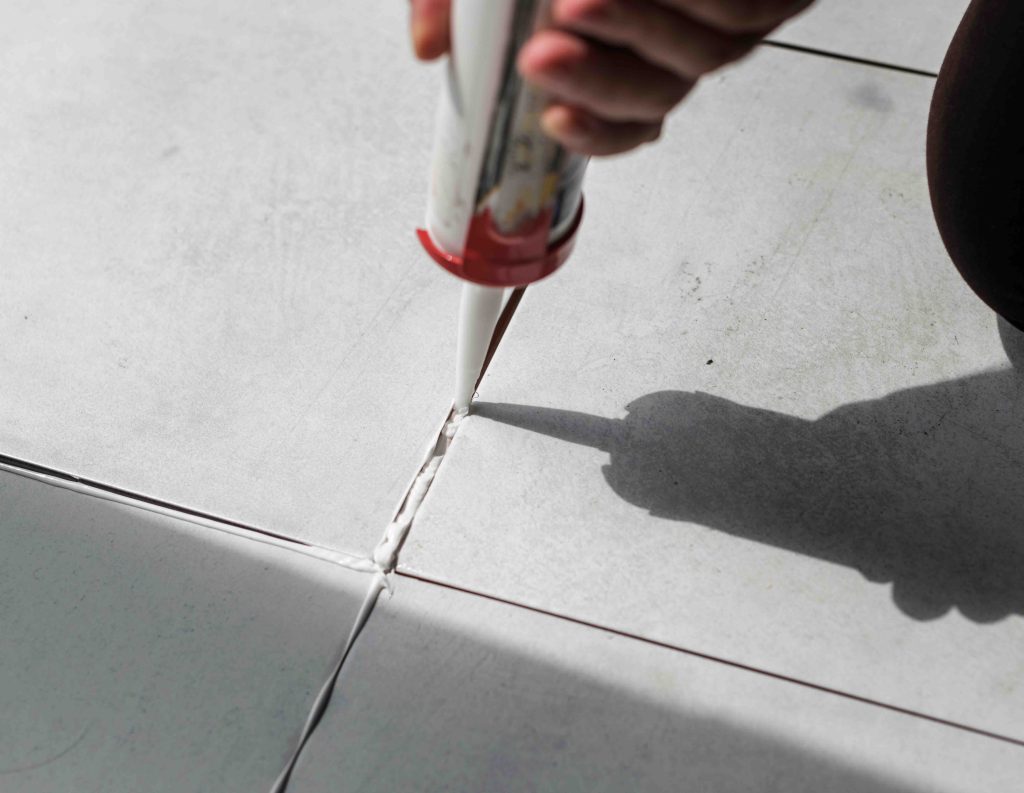
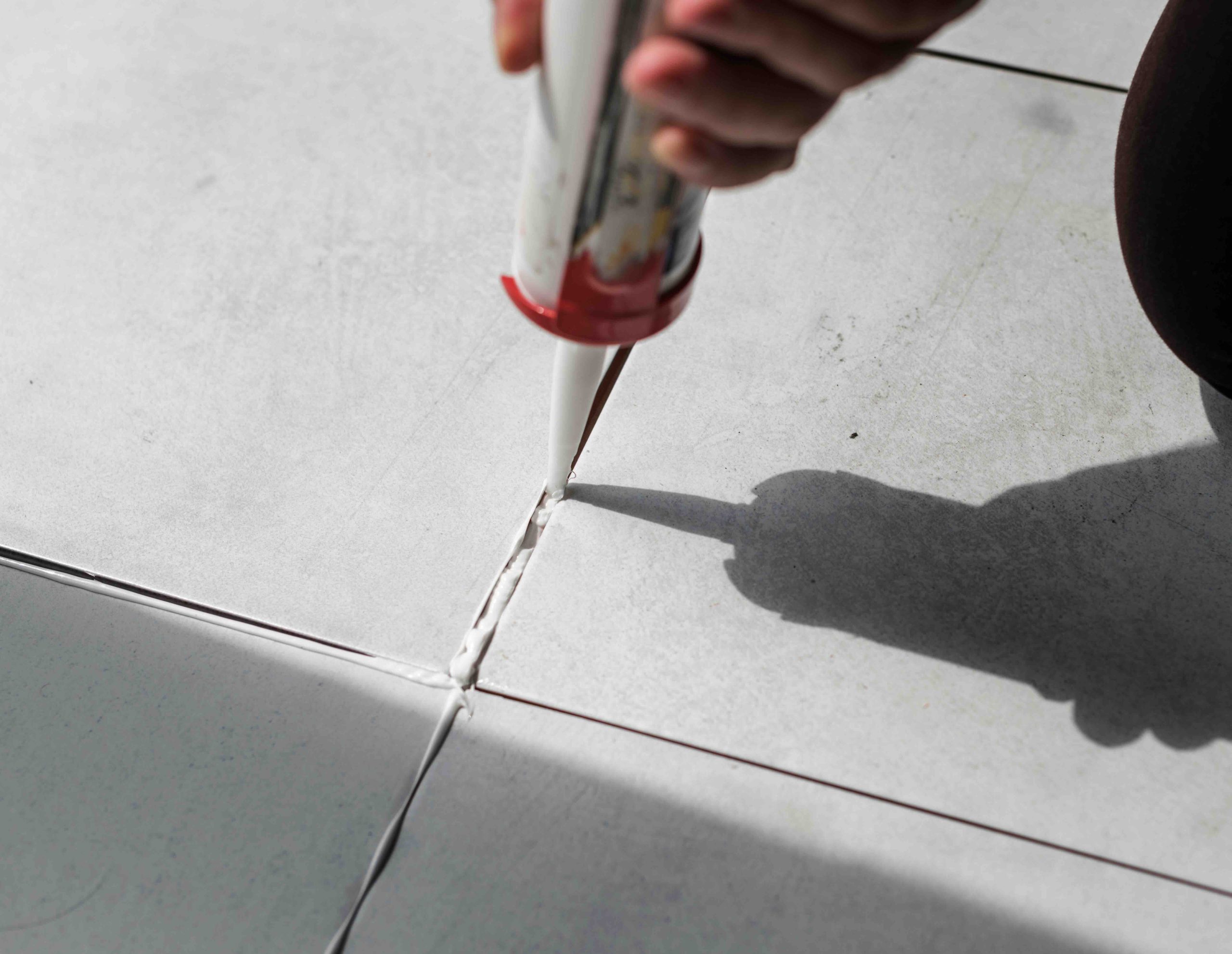
The application process is straightforward if you take the time to prepare correctly. Start by removing all old grout or caulk from the joint using a grout saw or oscillating tool. Clean the joint thoroughly with a mild cleaner and allow it to dry completely, which may take twenty-four hours or more in a bathroom environment. Apply painter’s tape along both edges of the joint to keep lines clean. Load the caulk into a standard caulk gun and apply it in a smooth, continuous bead without stopping and starting. Tool the caulk with a wet finger or a caulk finishing tool to press it into the joint and smooth the surface. Remove the tape before the caulk skins over. Let it cure according to the manufacturer’s instructions before exposing it to water, usually twenty-four to forty-eight hours minimum.
How Long Does Unsanded Grout Caulk Last?
When applied correctly and in the right location, unsanded grout caulk can last anywhere from five to ten years or longer before it needs to be replaced. That lifespan depends heavily on how much movement occurs in the joint, how well the surface was prepared before application, and how well the area is maintained. Showers and tub surrounds that see daily use will put more stress on caulk than a low-traffic bathroom. Periodic inspection is a smart habit. Look for discoloration, cracking, peeling edges, or any sign of mold growing beneath the caulk line. Catching deterioration early means a quick re-caulk job rather than a tile repair or water damage restoration project.
Maintenance Tips for Homeowners
Keeping your unsanded grout caulk in good shape does not require much effort, but it does require consistency. A few maintenance habits can extend its life significantly:
- Rinse tile surfaces after each shower to reduce soap scum and mineral buildup around caulk lines
- Inspect caulk joints at least once a year for cracking, discoloration, or lifting edges
- Use a mildew-resistant caulk formulation in high-humidity areas from the start
- Avoid harsh scrubbing directly on caulk lines, which can break down the surface over time
- Recaulk proactively when you notice early signs of wear rather than waiting for visible water damage
These habits take very little time and can protect a tile installation that may have cost thousands of dollars to put in. Prevention is always the smarter and less expensive path.
How Unsanded Grout Caulk Connects to Home Warranty Coverage
This is where things get a little nuanced. Standard home warranty plans typically cover the systems and appliances in your home, things like plumbing, electrical, HVAC, water heaters, and major kitchen and laundry appliances. Cosmetic maintenance tasks such as re-caulking a shower or regrouting a tile floor are generally considered routine homeowner upkeep and fall outside the scope of a home warranty. That said, there are situations where a failing caulk joint contributes to a larger covered issue. If a deteriorated caulk line allows water to penetrate and damage a subfloor or lead to a plumbing-adjacent repair, the conversation with your home warranty provider becomes more relevant. Keeping up with small maintenance tasks like caulk joints is actually one of the best ways to protect the systems and components your home warranty does cover.

Why Armadillo Is the Right Partner for Homeowners Who Pay Attention to the Details
Homeowners who take the time to research something like unsanded grout caulk are exactly the kind of people who understand that protecting a home is an ongoing commitment, not a one-time event. That mindset aligns perfectly with what Armadillo was built to support. Armadillo offers straightforward, honest home warranty coverage designed for homeowners who want real protection without confusing fine print or surprise exclusions. If you are the type to maintain your tile work, inspect your caulk lines, and stay ahead of small repairs, you already understand why having a plan in place for the bigger systems in your home matters just as much. Explore what home warranty coverage for tile and plumbing-related home systems looks like through Armadillo, and see how the coverage is designed to work with homeowners who take their maintenance seriously. When you are ready to take the next step, get a personalized home warranty quote that fits your home and budget in just a few minutes. Protecting the big stuff starts with caring about the small stuff, and Armadillo is here for both.
Frequently Asked Questions About Unsanded Grout Caulk
What is the difference between unsanded grout caulk and regular caulk?
Unsanded grout caulk is specifically formulated to match the color and texture of unsanded grout while offering the flexibility of silicone or latex caulk. Regular caulk does not mimic grout appearance and is used for general sealing purposes rather than tile joint finishing.
Can I use unsanded grout caulk instead of grout in tile joints?
Unsanded grout caulk should only replace standard grout in specific locations such as inside corners, change-of-plane joints, and transitions between surfaces. It is not intended to fill the field joints between tiles on flat surfaces.
How do I know if I need sanded or unsanded grout caulk?
If your tile joints are one-eighth of an inch or narrower, use unsanded grout caulk. For joints wider than one-eighth of an inch, sanded grout caulk is the appropriate choice. Using the wrong type can result in shrinkage, cracking, or poor adhesion.
How long does unsanded grout caulk take to dry?
Most unsanded grout caulk products are touch-dry within one to two hours, but require a full twenty-four to forty-eight hours before exposure to water. Always follow the specific manufacturer’s curing instructions for best results.
Can unsanded grout caulk be used in a shower?
Yes. Unsanded grout caulk is an excellent choice for shower inside corners and the joint between the tile wall and tub or shower floor. Look for formulations that include mildew resistance for high-humidity shower environments.
How do I remove old unsanded grout caulk before reapplying?
Use a grout saw, utility knife, or oscillating multi-tool to cut through and remove old caulk. Clean the joint with a surface cleaner and allow it to fully dry before applying fresh caulk. Skipping this step leads to poor adhesion.
Why is my unsanded grout caulk cracking after a short time?
Cracking after a short period usually indicates improper surface preparation, application in too wide a joint, or applying caulk over an existing layer without removing it first. Temperature extremes and heavy structural movement can also cause premature failure.
Does unsanded grout caulk come in different colors?
Yes. Most major tile and grout manufacturers offer unsanded grout caulk in a wide range of colors designed to match their grout product lines. Selecting the matching caulk color from the same brand as your grout gives you the best chance of a seamless finish.
Is unsanded grout caulk covered by a home warranty?
Routine caulking is generally considered standard homeowner maintenance and is not covered by home warranty plans. However, water damage caused by a failed caulk joint that affects covered systems or components may be relevant to a warranty claim depending on the circumstances.
How often should unsanded grout caulk be replaced?
In well-maintained areas with low movement and proper application, unsanded grout caulk can last five to ten years or more. High-use showers and areas with significant temperature or humidity variation may require replacement sooner. Annual inspection is a good practice.