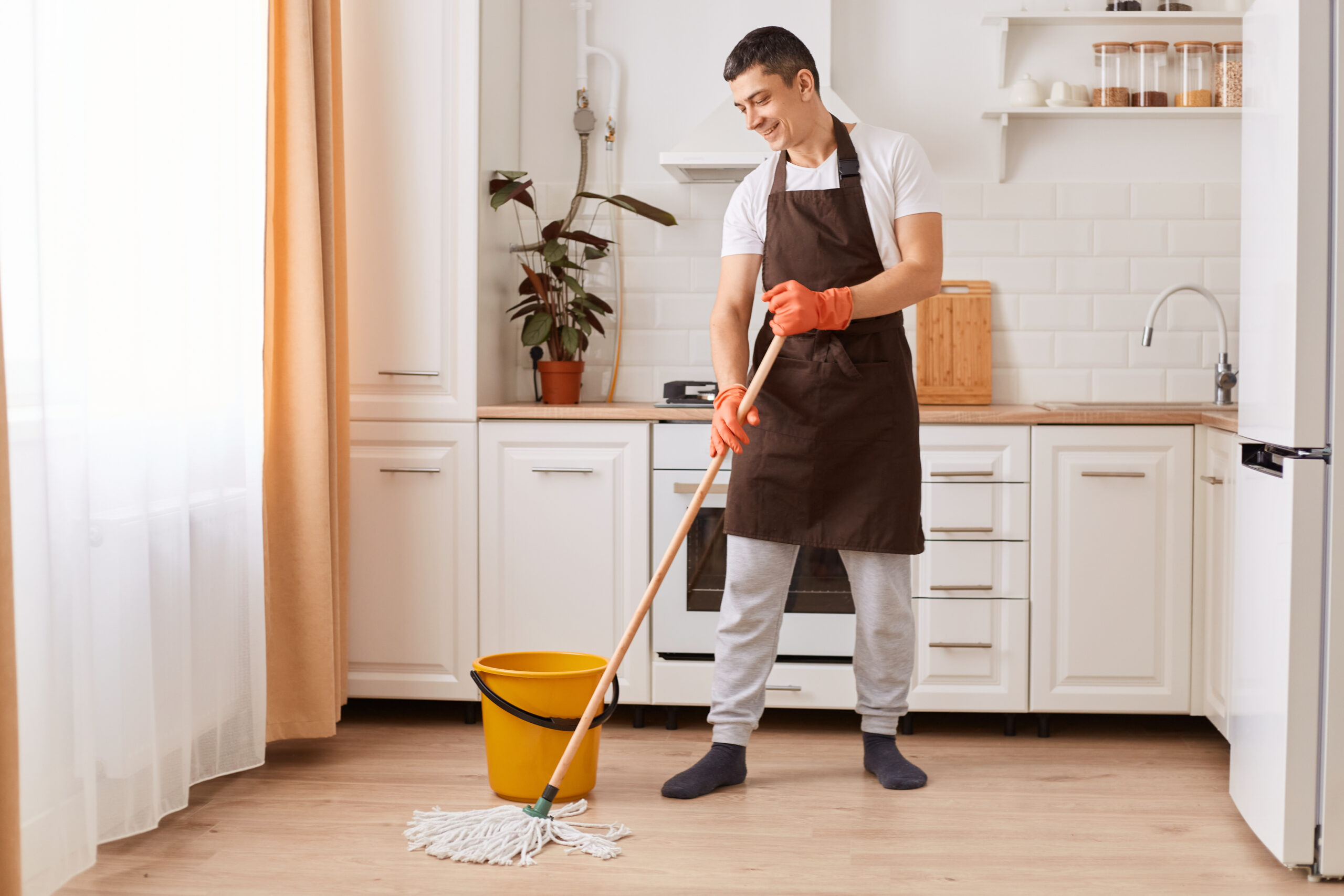
What Is the Best Floor Cleaning Solution for Your Home?
Walk into any cleaning aisle and you will find dozens of bottles promising the same thing — spotless floors. But what actually works, and more importantly, what works without damaging the surfaces you spent real money installing? The answer depends almost entirely on what type of flooring you have and how well you understand the products you are using. This guide breaks it all down so you can stop guessing and start cleaning with confidence.
Understanding Your Floor Type Before You Grab a Bottle
Not all floors are created equal, and that matters a lot when it comes to cleaning solutions. Hardwood, laminate, tile, vinyl plank, and natural stone each have specific needs and specific sensitivities. Using the wrong cleaner on the wrong surface can strip finishes, cause warping, leave residue, or even void manufacturer warranties. Before you commit to any product, take a moment to identify your floor material. Check manufacturer documentation if you have it — that is genuinely the most reliable starting point.
Hardwood Floor Cleaning Solutions: What Actually Works
Hardwood floors are beautiful and durable, but they are also surprisingly delicate when it comes to moisture and harsh chemicals. The best floor cleaning solution for hardwood is a pH-neutral, diluted formula specifically labeled safe for wood surfaces. Products like Bona Hardwood Floor Cleaner have become industry favorites because they clean effectively without leaving behind dulling residue or threatening the finish. Avoid anything with vinegar or ammonia — both are acidic and will gradually break down the protective layer over time, no matter what some home remedy blogs tell you.
The Best Cleaning Solutions for Tile and Grout
Tile floors can handle a bit more aggression than hardwood, which is honestly a relief. For standard ceramic or porcelain tile, an all-purpose floor cleaner mixed with warm water does the job well. For grout specifically, an oxygen bleach solution or a dedicated grout cleaner gives you the deep clean that regular mopping simply cannot achieve. Avoid oil-based cleaners on tile because they create a slippery film that is both a safety hazard and a residue nightmare. Natural stone tile, like marble or travertine, is a different story — always use a stone-safe, pH-neutral cleaner, and never use anything acidic.

Vinyl and Laminate Floors: Gentle Is the Goal
Vinyl plank flooring has exploded in popularity over the last decade, and for good reason — it is affordable, water-resistant, and low maintenance. But low maintenance does not mean no maintenance. The best floor cleaning solution for vinyl and laminate is a mild, diluted dish soap or a product specifically formulated for these surfaces. Apple Cider Vinegar diluted in water is a popular suggestion, but use it cautiously on laminate, as repeated exposure can cause the edges to swell. Steam mops are another common recommendation to avoid — the heat and moisture can cause laminate to warp and separate over time.
Key Advantages of Using the Right Floor Cleaner
There is a meaningful difference between cleaning your floors and cleaning them correctly. When you use the right solution for your specific floor type, you get outcomes that genuinely extend the life of your flooring investment.
- Preserves finish integrity and slows the natural wear of protective coatings
- Reduces the risk of water damage, warping, or surface deterioration
- Improves indoor air quality by using low-VOC or non-toxic formulas
- Keeps floors looking newer for longer without the need for refinishing or replacement
- Eliminates harmful bacteria and allergens without compromising the floor structure
Common Drawbacks and Mistakes Homeowners Make
Even with the right product in hand, technique matters. One of the most common mistakes is using too much product. More cleaner does not mean cleaner floors — it usually means stickier floors that attract more dirt. Another frequent issue is using a soaking-wet mop on any floor that is not fully waterproof. Standing water is a genuine enemy of hardwood and laminate. There is also the issue of mixing cleaning products, which can neutralize effectiveness or create harmful chemical reactions. Stick to one product at a time, use it correctly, and you will avoid most of the common pitfalls.
DIY Floor Cleaning Solutions: When They Help and When They Hurt
Homemade cleaning solutions have a loyal following, and some of them are legitimate. A small amount of dish soap in warm water is genuinely effective for many hard surface floors. A diluted rubbing alcohol solution works well for a quick sanitizing pass on tile or vinyl. However, the internet is full of DIY recipes that sound reasonable but cause real damage over time. Undiluted white vinegar, hydrogen peroxide on natural stone, and essential oil-based mixtures can all cause surface etching, discoloration, or residue buildup. When in doubt, consult your flooring manufacturer before experimenting.
Practical Tips for a Better Floor Cleaning Routine
Good floor care is less about the product and more about consistency and method. A few habits can make a significant difference in how your floors hold up over the years.
- Sweep or vacuum before mopping to remove abrasive debris that can scratch surfaces during cleaning
- Always dilute concentrate cleaners according to label instructions — never guess on ratios
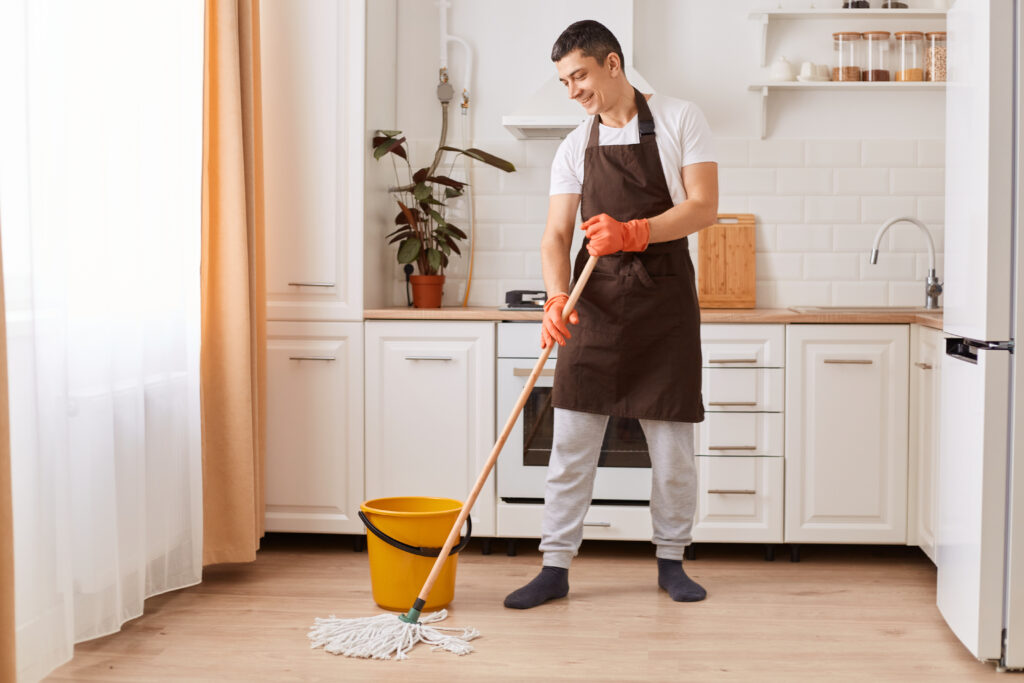
- Use a microfiber mop head, which picks up more debris and distributes solution more evenly than traditional string mops
- Work in sections, especially on large floor areas, to prevent solution from drying before you can wipe it up
- Dry floors thoroughly in humid environments to prevent moisture from settling beneath flooring layers
How Floor Care Connects to Your Broader Home Maintenance Strategy
Your floors are part of a larger system — your home. And like every other system in your home, they benefit from consistent attention and the right support structure around them. Flooring problems that go unaddressed can become structural concerns, especially when water damage or subfloor issues are involved. This is where a reliable home warranty comes into play. While a home warranty does not typically cover routine maintenance items like floor cleaning, it does protect the systems and appliances that, when they fail, can cause indirect damage to your flooring. Think about a dishwasher leak, a water heater malfunction, or an HVAC condensation overflow — all situations that can quietly ruin a beautiful floor if the underlying appliance issue is not resolved quickly.
That is exactly why homeowners serious about protecting their investment turn to home warranty coverage designed to protect the appliances and systems that affect every room in your home. When a covered appliance fails, you get fast, professional repair or replacement support — which means less time dealing with the fallout and more time actually enjoying your space. If you are ready to take the next step in protecting your home, get a personalized home warranty quote that fits your home’s needs and your budget. Armadillo keeps it straightforward, transparent, and built around what homeowners actually need.

Frequently Asked Questions About Floor Cleaning Solutions
Here are the most common questions homeowners ask when trying to find the best floor cleaning solution for their specific needs.
What is the best all-purpose floor cleaning solution for most homes?
A pH-neutral, multi-surface floor cleaner is the safest choice for homes with mixed flooring types. It performs well on tile, vinyl, and laminate without posing a risk to finishes or coatings.
Can I use vinegar to clean hardwood floors?
Vinegar is not recommended for hardwood floors. Its acidic nature gradually degrades the protective finish, leading to dullness and long-term surface damage with repeated use.
How often should I mop my floors?
High-traffic areas benefit from mopping once or twice a week. Lower-traffic rooms can typically go one to two weeks between deep cleans, with regular sweeping or vacuuming in between.
Is steam mopping safe for all floor types?
No. Steam mops should not be used on hardwood or laminate flooring. The heat and moisture can cause warping, swelling, and joint separation. Steam is generally safe for sealed tile and some vinyl, but always check the manufacturer guidelines first.
What floor cleaner is safe for homes with pets and children?
Look for plant-based or non-toxic formulas with low or no volatile organic compounds. Products labeled safe for food-contact surfaces after drying are a reliable option for households with young children or pets.
How do I remove stubborn residue left by floor cleaners?
Mix a small amount of dish soap with warm water and mop the area gently. Rinse with clean water afterward and dry thoroughly. Residue buildup usually means too much product is being used per cleaning session.
Can the wrong floor cleaner void a flooring warranty?
Yes, it can. Many flooring manufacturers specify approved cleaning products in their warranty terms. Using unapproved chemicals or methods can be grounds for a warranty claim denial, so always verify before switching products.
What is the difference between a floor cleaner and a floor polish?
A floor cleaner removes dirt, bacteria, and residue from the surface. A floor polish adds a protective or aesthetic coating on top of the floor. They serve different purposes and should not be used interchangeably.
Do I need a different cleaner for grout versus tile?
Ideally, yes. Tile surfaces do well with a general hard floor cleaner, while grout benefits from an oxygen bleach or enzyme-based cleaner that can penetrate porous material and lift embedded staining more effectively.
Does a home warranty cover floor damage?
Home warranties generally do not cover cosmetic floor damage or routine maintenance. However, they do cover systems and appliances that, when they malfunction, can indirectly cause floor damage through leaks or water overflow. Prompt appliance repairs through a home warranty can help prevent secondary floor issues from escalating.