Why Pipe Insulation Matters More Than You Think
Most homeowners spend a lot of time thinking about things they can see, like paint colors, flooring, or appliances. Pipe insulation? Not exactly top of mind. But here is the thing: the pipes running through your walls, crawl spaces, and attic are quietly doing some heavy lifting every single day. When they are exposed to temperature extremes, they become vulnerable to freezing, bursting, condensation, and energy loss. Insulating your water pipes is one of those low-cost, high-impact home improvements that pays for itself in ways that are both obvious and easy to overlook. This guide walks you through what the best insulation options actually are, how they work, and what a homeowner should realistically expect from each one.
What Is Pipe Insulation and How Does It Work
Pipe insulation is a material applied to the exterior surface of water pipes to reduce heat transfer between the pipe and its surrounding environment. In simple terms, it keeps hot water hot longer and cold pipes from freezing when temperatures drop. The insulation works by creating a barrier that slows the exchange of thermal energy. The thicker or denser the material, the more effective that barrier tends to be. It also helps prevent condensation on cold water pipes, which can drip onto building materials over time and quietly cause moisture damage. The concept is straightforward, but the execution matters a lot, particularly when it comes to choosing the right material for your specific situation.
The Best Types of Insulation for Water Pipes
There is no single best option across every situation, but a few materials consistently rise to the top based on performance, ease of installation, and durability. Here is a breakdown of the most widely recommended types:
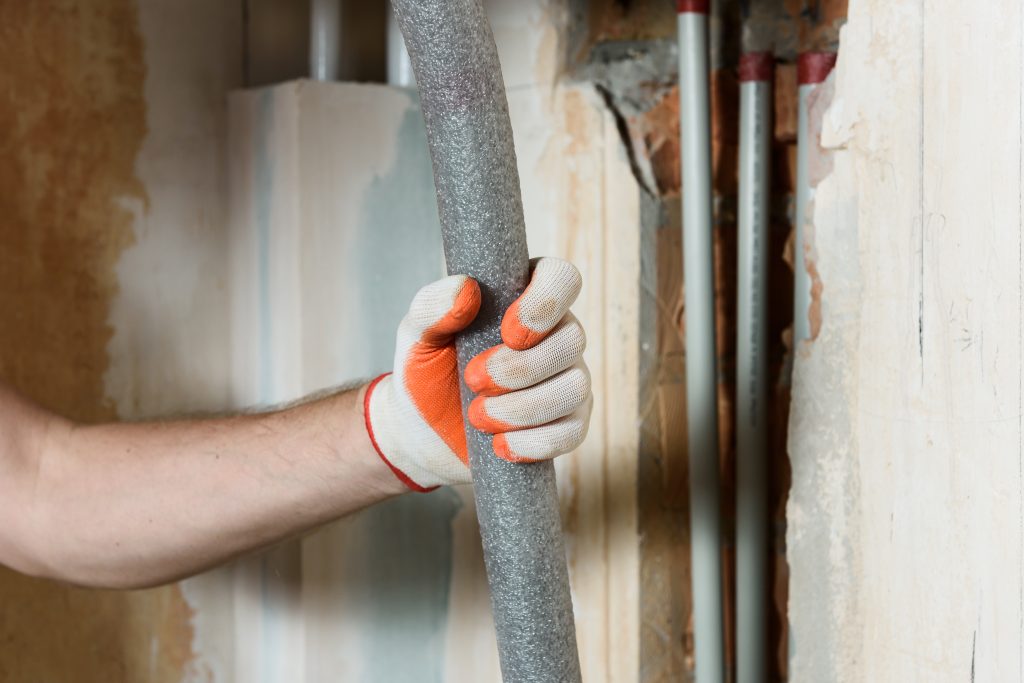
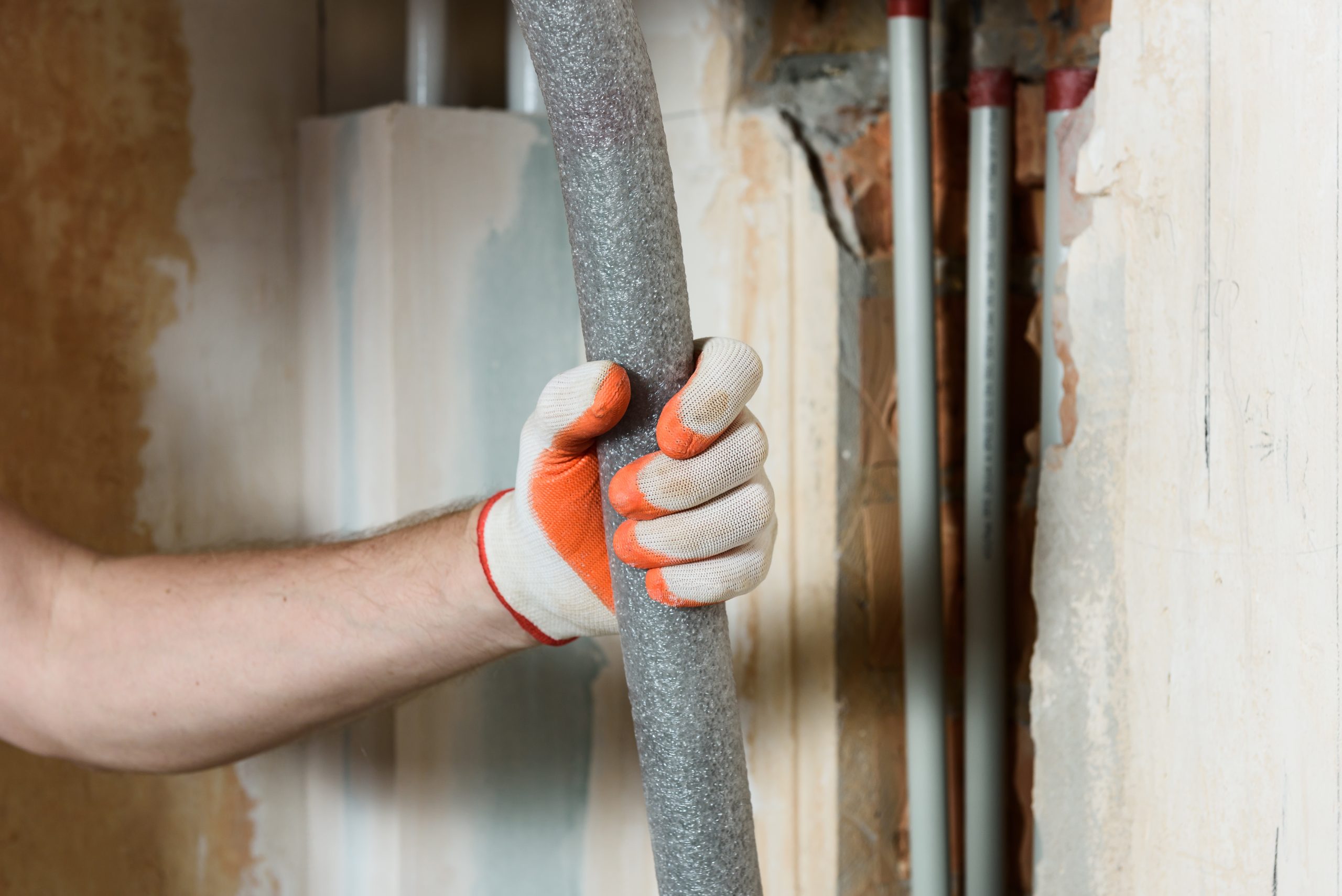
- Foam pipe insulation: This is the most common and beginner-friendly option. It comes in pre-slit tubular sleeves that slide directly onto pipes. Made from polyethylene or neoprene, it handles moderate temperature ranges well and is widely available at hardware stores.
- Fiberglass pipe wrap: Better suited for high-temperature applications, like pipes near a water heater. It requires a vapor barrier and a bit more effort to install, but it performs well in demanding conditions.
- Rubber pipe insulation: More flexible and durable than basic foam, rubber insulation resists moisture and UV exposure, making it a strong choice for outdoor or exposed pipes.
- Pipe heating cables with insulation: Used in extremely cold climates, these electric cables wrap around the pipe and actively generate heat, usually combined with a foam or rubber sleeve for added protection.
- Spray foam insulation: Applied in gaps or hard-to-reach areas where traditional sleeve products cannot fit. It seals and insulates simultaneously, which is useful around pipe penetrations in exterior walls.
Which Pipes Actually Need Insulation
Not every pipe in your home requires insulation, but knowing which ones do can save you from some genuinely costly repairs. Pipes most at risk are those in unheated spaces, which includes attics, basements, crawl spaces, and garages. Any pipe running along an exterior wall is also a candidate. Hot water pipes throughout the home benefit from insulation because it reduces the time you wait for hot water to arrive at the tap, which also cuts down on water waste. Cold water pipes in humid environments develop condensation that can damage surrounding materials. If you have experienced a frozen pipe before, that location should absolutely be insulated and possibly paired with a heating cable.

Key Advantages of Insulating Your Water Pipes
The benefits here extend further than most homeowners initially realize. Pipe insulation reduces energy consumption by keeping hot water at temperature as it travels through the system, which means your water heater does not have to work as hard. That translates directly into lower utility bills. It also dramatically reduces the risk of frozen and burst pipes during winter, which is one of the most expensive home repairs you can face. A burst pipe can cause thousands of dollars in water damage in a very short window of time. Beyond that, insulated pipes are quieter, because the material absorbs some of the noise from water flow and thermal expansion. It is a small thing, but houses that creak and groan less are genuinely more comfortable to live in.
Common Drawbacks and Limitations to Know
Pipe insulation is not a perfect solution in every scenario, and it is worth being realistic about what it can and cannot do. Standard foam or rubber insulation does not generate any heat on its own, meaning that in extremely cold climates or during prolonged freezes, passive insulation alone may not prevent freezing. It must be installed correctly, with no gaps or uninsulated sections, because a single exposed spot can still allow freezing to occur. Some materials degrade over time when exposed to moisture, chemicals, or direct sunlight, so outdoor applications require UV-resistant options. Installation in tight spaces or behind finished walls can be difficult without professional help, and improper installation often leaves more gaps than homeowners expect.
DIY vs. Professional Installation
For accessible pipes in a basement, crawl space, or utility room, foam pipe insulation is genuinely a manageable DIY project. The sleeves cut easily with scissors or a utility knife, and most come with a self-sealing adhesive strip. It is one of the more forgiving home improvement tasks available. However, for pipes inside finished walls, near electrical systems, or in areas that require spray foam or fiberglass wrap, professional installation is the smarter call. It is also worth noting that improper installation, like using the wrong R-value for your climate or leaving gaps at joints and elbows, reduces effectiveness significantly. If you are unsure about what your home specifically needs, a plumber or insulation contractor can assess your situation quickly and give you a clear answer.
Cost Expectations for Pipe Insulation
Foam pipe insulation sleeves are inexpensive, typically running between fifty cents and two dollars per linear foot depending on diameter and material. A basic DIY project covering exposed basement or crawl space pipes might cost between twenty and one hundred dollars in materials. Fiberglass and rubber insulation run a bit higher, and professional installation adds labor costs on top of materials. Heating cable systems are more of an investment but are often necessary in northern climates. The return on investment is real: the U.S. Department of Energy estimates that insulating hot water pipes can raise delivered water temperature by two to four degrees Fahrenheit, allowing homeowners to lower their water heater thermostat and reduce energy costs noticeably over a full year.
How Pipe Insulation Connects to Overall Home Protection
Pipe insulation is one layer of a broader home protection strategy. It reduces risk, but it does not eliminate it entirely. Plumbing systems are complex, and even well-maintained, well-insulated pipes can experience failures due to age, pressure changes, or unexpected equipment issues. That is where having a plan for repair costs becomes valuable. A frozen pipe that bursts, a joint that fails, or a water heater that stops functioning properly can all result in significant out-of-pocket expenses. Thinking proactively about how your home handles both prevention and recovery is smart homeownership, and pipe insulation fits squarely into the prevention side of that equation.
Why Armadillo Belongs in Your Home Protection Plan
Taking care of your pipes with quality insulation is a genuinely smart move, and pairing that effort with a home warranty adds another layer of financial protection that many homeowners find invaluable. When a plumbing failure does happen despite your best prevention efforts, repair costs can be steep and unexpected. Armadillo home warranty coverage for plumbing systems and appliances is built to make those moments less financially painful and far less stressful. Armadillo offers clear, straightforward plans with no confusing fine print, and coverage that actually reflects how real homes work. If you have done the work of protecting your pipes and want to make sure the rest of your home systems are backed up too, you can get a personalized home warranty quote that covers your plumbing and more in just a few minutes. Prevention and protection work best together, and Armadillo makes the second part easier than you might expect.

Frequently Asked Questions About Pipe Insulation
Here are answers to some of the most common questions homeowners ask about insulating their water pipes.
What is the best insulation material for water pipes in cold climates?
In cold climates, rubber pipe insulation combined with electric heating cables is considered the most effective approach for pipes in unheated spaces. Foam insulation with a higher R-value can work for moderate cold, but extreme freeze conditions generally require an active heating element alongside passive insulation.
Can pipe insulation prevent pipes from freezing completely?
Passive pipe insulation slows heat loss and delays freezing but does not prevent it indefinitely in extreme cold. For pipes in unheated areas exposed to temperatures well below freezing, heating cables paired with insulation provide a more reliable freeze-prevention solution.
How do I know what size foam pipe insulation to buy?
Measure the outer diameter of your pipe before purchasing. Foam pipe insulation is labeled by the pipe diameter it is designed to fit, and using the correct size ensures a snug seal. Common residential pipe sizes are half-inch, three-quarter-inch, and one-inch diameter.
Does pipe insulation help reduce my energy bills?
Yes. Insulating hot water pipes reduces heat loss as water travels from your heater to your fixtures, which means your water heater runs less frequently to maintain temperature. This can noticeably reduce water heating costs over the course of a year.
Is pipe insulation difficult to install yourself?
For accessible pipes in basements, crawl spaces, or utility rooms, foam pipe insulation is one of the easier DIY home improvement projects available. The sleeves split lengthwise and snap onto pipes, requiring no special tools. Complex or hidden pipe runs are better left to a professional.
What happens if pipe insulation is installed with gaps?
Gaps in pipe insulation significantly reduce its effectiveness. Even a short uninsulated section can allow freezing to occur or heat loss to accumulate. All joints, elbows, and fittings should be covered, and seams should be taped or sealed for best results.
How long does pipe insulation typically last?
Foam pipe insulation generally lasts between three and five years before it begins to degrade, particularly in areas with temperature fluctuations or moisture exposure. Rubber insulation tends to last longer. Inspect insulation annually and replace sections that show cracking, compression, or deterioration.
Are there pipe insulation options safe for outdoor use?
Yes. UV-resistant rubber insulation and closed-cell foam products rated for outdoor exposure are appropriate for exterior pipe applications. Standard polyethylene foam degrades quickly under direct sunlight and should not be used outdoors without a protective coating or UV-rated covering.
Does insulating cold water pipes actually matter?
Absolutely. Cold water pipes in humid environments develop surface condensation that can drip onto wood framing, drywall, and flooring over time, creating conditions for mold and structural damage. Insulating cold water pipes prevents condensation and protects surrounding building materials.
Will a home warranty cover damage caused by a burst pipe?
Home warranty plans vary in their coverage terms. Some plans cover the repair or replacement of plumbing components, while damage to surrounding property from water is often covered under homeowners insurance rather than a warranty. Reviewing your specific plan terms is the best way to understand where each type of protection applies.