What Is a Breaker Panel Cover and Why Does It Matter More Than You Think?
Most homeowners walk past their electrical panel every day without giving it a second glance. It is easy to overlook, tucked into a utility room, garage, or hallway, usually just a plain metal door covering a box of switches. That door has a name: the breaker panel cover, also called the panel door or deadfront cover. And while it might seem like a cosmetic afterthought, it plays a surprisingly important role in the safety and functionality of your home’s electrical system. Understanding what it is, what it does, and when to replace it can save you from headaches, hazards, and unexpected repair costs down the line.
Breaking Down the Basics: What a Breaker Panel Cover Actually Does
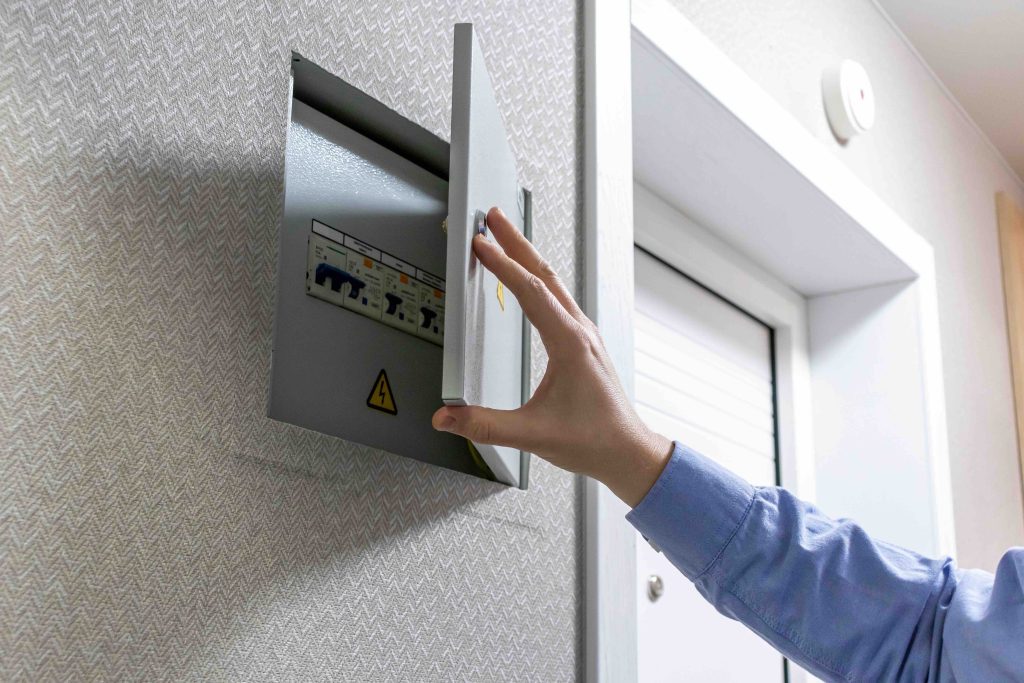
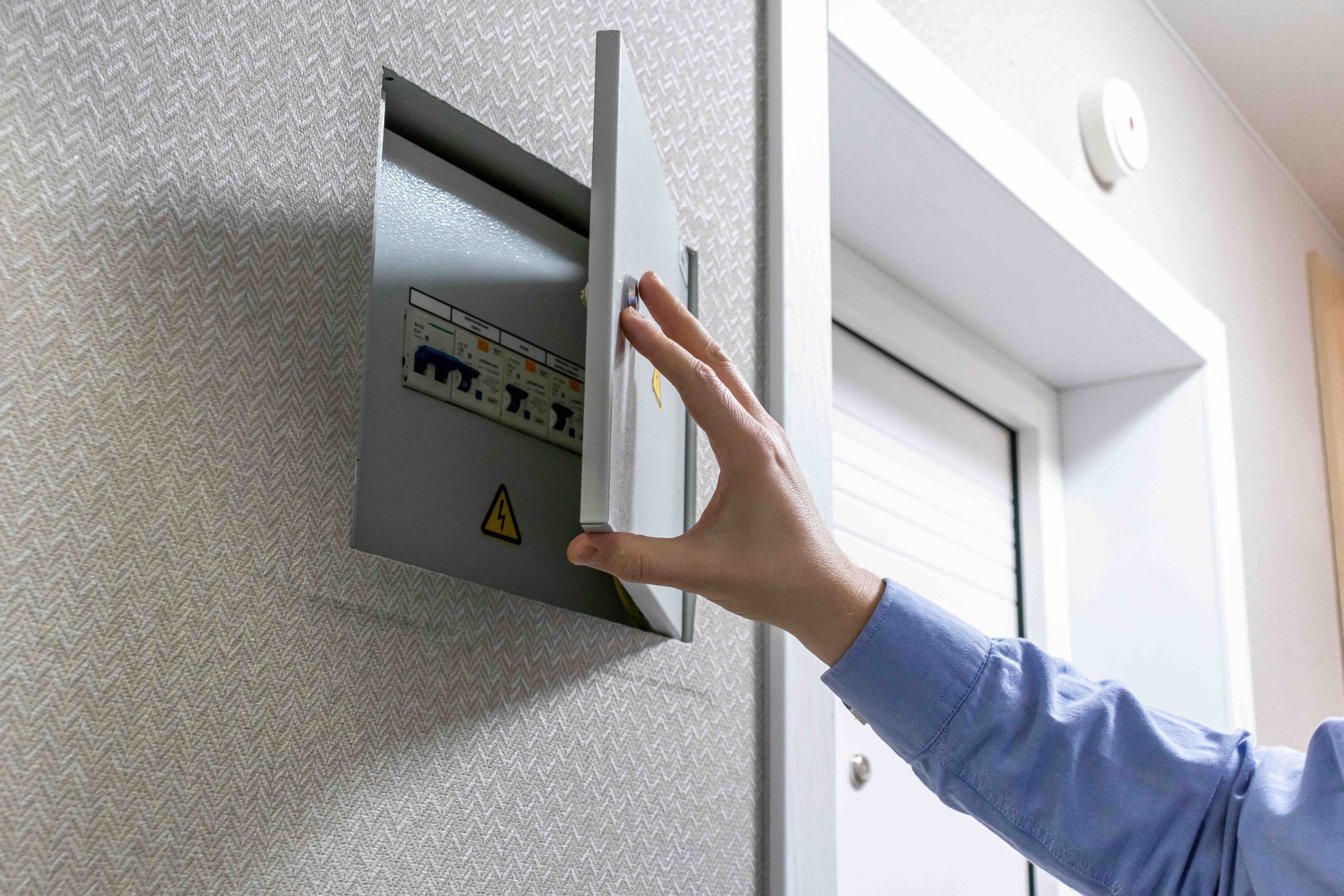
The breaker panel cover is the outer protective door that conceals the interior components of your electrical panel, which include the circuit breakers, bus bars, and wiring connections. Its job is threefold. First, it prevents accidental contact with live electrical components, which is a critical safety function in any household. Second, it keeps dust, moisture, and debris from interfering with the panel’s internal parts. Third, it provides a neat, finished appearance that signals to inspectors and visitors alike that your electrical system is properly maintained. Underneath the cover is what electricians call the deadfront, a secondary panel that sits directly over the wiring. Both components work together to create a safe, enclosed environment for your home’s electrical distribution system.
How a Breaker Panel Cover Works Within the Larger Electrical System
Your home’s electrical system starts at the utility connection, runs through the meter, and then feeds into the main electrical panel. Inside that panel, the main breaker controls all power to the home, while individual circuit breakers protect specific areas or appliances. The cover fits over all of this, with cutouts aligned to each breaker switch so you can flip them on or off without opening the panel. When everything is working correctly, you should be able to access any breaker through those openings without ever touching exposed wiring. The cover essentially creates a barrier between you and anything that could cause serious injury, which is exactly why a damaged, missing, or ill-fitting cover is not something to ignore.

Signs It Is Time to Replace Your Breaker Panel Cover
Knowing when to replace a breaker panel cover is not always obvious, especially since most homeowners are not spending a lot of time staring at it. But there are clear warning signs that indicate a replacement is overdue. Here is what to watch for:
- Visible cracks, warping, or physical damage to the cover or door
- Rust or corrosion, especially if the panel is in a garage or basement prone to moisture
- Breaker openings that are missing their knockout tabs, leaving exposed gaps in the panel
- A cover that does not close or latch properly, creating an ongoing safety risk
- Scorch marks or discoloration around the edges of the panel door
- A buzzing or humming sound coming from behind a cover that no longer fits snugly
Any one of these issues is worth addressing promptly. A damaged cover is not just an eyesore; it can create real safety hazards and may even flag a code violation during a home inspection.
The Advantages of Replacing a Breaker Panel Cover When Needed
Replacing a breaker panel cover is one of those home maintenance tasks that tends to deliver a high return for a relatively modest investment. A properly fitting, undamaged cover keeps your electrical components protected from environmental exposure, which helps the overall panel last longer. It also restores code compliance, which matters enormously if you are planning to sell your home or pull any permits for renovation work. From a safety standpoint, the benefit is obvious: no exposed live wiring means a dramatically lower risk of accidental electrocution or electrical fire. It is also worth noting that a clean, well-maintained panel gives home inspectors one less thing to flag, which is never a bad thing during a real estate transaction.
Common Drawbacks and Complications to Be Aware Of
Panel cover replacements are generally straightforward, but there are a few complications that can arise. Finding an exact replacement cover for an older or discontinued panel brand can be genuinely difficult. Electrical panels, like most manufactured products, have model-specific components, and if your panel is 30 or 40 years old, sourcing the right cover may take some effort. Another issue is that replacing the cover may reveal deeper problems inside the panel itself, such as double-tapped breakers, undersized wiring, or outdated components that do not meet current electrical code. In those cases, what started as a simple cover replacement can become a more involved project. That is not a reason to avoid the replacement; it is a reason to have a licensed electrician do the work so any underlying issues can be identified and addressed properly.
DIY or Professional: What Is the Right Call Here?
This is a fair question and one that comes up often. Technically, removing and replacing a breaker panel cover does not require you to touch any live wiring, which makes it seem like a manageable DIY task. In practice, though, the situation is a bit more nuanced. The moment you remove the cover, you are in close proximity to components that carry lethal voltage, including the main service wires coming in from the utility, which remain energized even when the main breaker is off. For that reason alone, most electrical professionals recommend leaving panel work, even seemingly minor panel work, to a licensed electrician. The cost of a professional visit is modest compared to the risk involved in getting it wrong. Plus, a licensed electrician can confirm that the new cover meets current code requirements for your specific panel model and installation.
What to Expect During a Breaker Panel Cover Replacement
If you hire a licensed electrician to handle the replacement, the process is typically efficient. They will assess the existing panel to confirm the make and model, source a compatible replacement cover, and install it with proper alignment so all breaker openings line up correctly. During this process, a good electrician will also take a quick look inside the panel to check for any obvious concerns. The job usually takes less than an hour when the correct cover is on hand, though sourcing the right part for an older panel may add some lead time. Costs can vary depending on your region and the panel brand, but the work itself is generally in the lower range of electrical service calls. If additional issues are found inside the panel, expect that conversation to happen before any extra work is performed.
How Home Warranty Coverage Can Help When Panel Issues Arise
When electrical problems start showing up, whether it is a malfunctioning breaker, a panel that needs attention, or components that are simply wearing out, the costs can add up fast. That is where a home warranty becomes genuinely valuable. Armadillo home warranty plans for electrical system protection are designed to cover the kinds of breakdowns that catch homeowners off guard, including issues within the electrical panel itself. If your panel components fail due to normal wear and tear, having a plan in place means you are not scrambling to cover an unexpected repair bill out of pocket. Armadillo keeps things simple, transparent, and fast, so you spend less time worrying about what breaks next and more time actually enjoying your home. If you want to see exactly what coverage looks like for your property, you can get a personalized home warranty quote for electrical and panel coverage in just a couple of minutes. No pressure, no confusion, just a clear picture of what protection is available to you.

Frequently Asked Questions About Breaker Panel Cover Replacement
Here are answers to the most common questions homeowners have about breaker panel covers, replacement timelines, safety considerations, and what to expect from the process.
What is a breaker panel cover and what does it do?
A breaker panel cover is the outer door or protective plate that encloses the interior components of your home’s electrical panel. It prevents accidental contact with live wiring, keeps out dust and moisture, and ensures the panel meets electrical code requirements.
Is it safe to replace a breaker panel cover yourself?
While the cover itself does not carry live current, removing it exposes you to components that do, including utility service wires that cannot be de-energized without contacting your utility company. Most electrical professionals recommend hiring a licensed electrician for this work.
How do I know if my breaker panel cover needs to be replaced?
Look for visible cracks, rust, warping, missing knockout tabs over unused breaker slots, a cover that does not close properly, or any scorch marks near the panel door. Any of these conditions warrants a prompt evaluation by a licensed electrician.
Can a missing or damaged panel cover cause a fire?
Yes, it can. A damaged cover may allow moisture or debris into the panel, and missing knockout tabs leave open gaps near live components. Both conditions can contribute to arcing, short circuits, or electrical fires over time.
How long does it take to replace a breaker panel cover?
When the correct replacement cover is already on hand, installation typically takes less than an hour. If the panel is older and the cover needs to be specially ordered, there may be a short wait before the work can be completed.
How much does breaker panel cover replacement cost?
Costs vary by region and panel brand, but the replacement itself is generally one of the more affordable electrical service calls. If underlying panel issues are discovered during the process, additional repair costs may apply.
Does a home warranty cover breaker panel repairs?
Many home warranty plans include coverage for electrical panel components that fail due to normal wear and tear. Coverage terms vary by provider and plan, so it is worth reviewing what is included before a problem arises.
What happens if I use a panel cover that does not match my panel model?
Using an incompatible cover can result in misaligned breaker openings, improper fit, and potential code violations. It may also void any applicable warranty on the panel itself. Always use a cover specified for your panel’s make and model.
Can a damaged panel cover affect a home inspection?
Yes. Home inspectors regularly flag damaged, missing, or non-compliant panel covers as safety concerns. This can complicate a home sale and may require remediation before closing.
How often should I inspect my breaker panel cover?
A quick visual inspection once or twice a year is a reasonable habit. Pay attention after any flooding, moisture intrusion, or if the panel is located in a high-humidity area like a basement or garage. If anything looks off, have it evaluated by a professional.