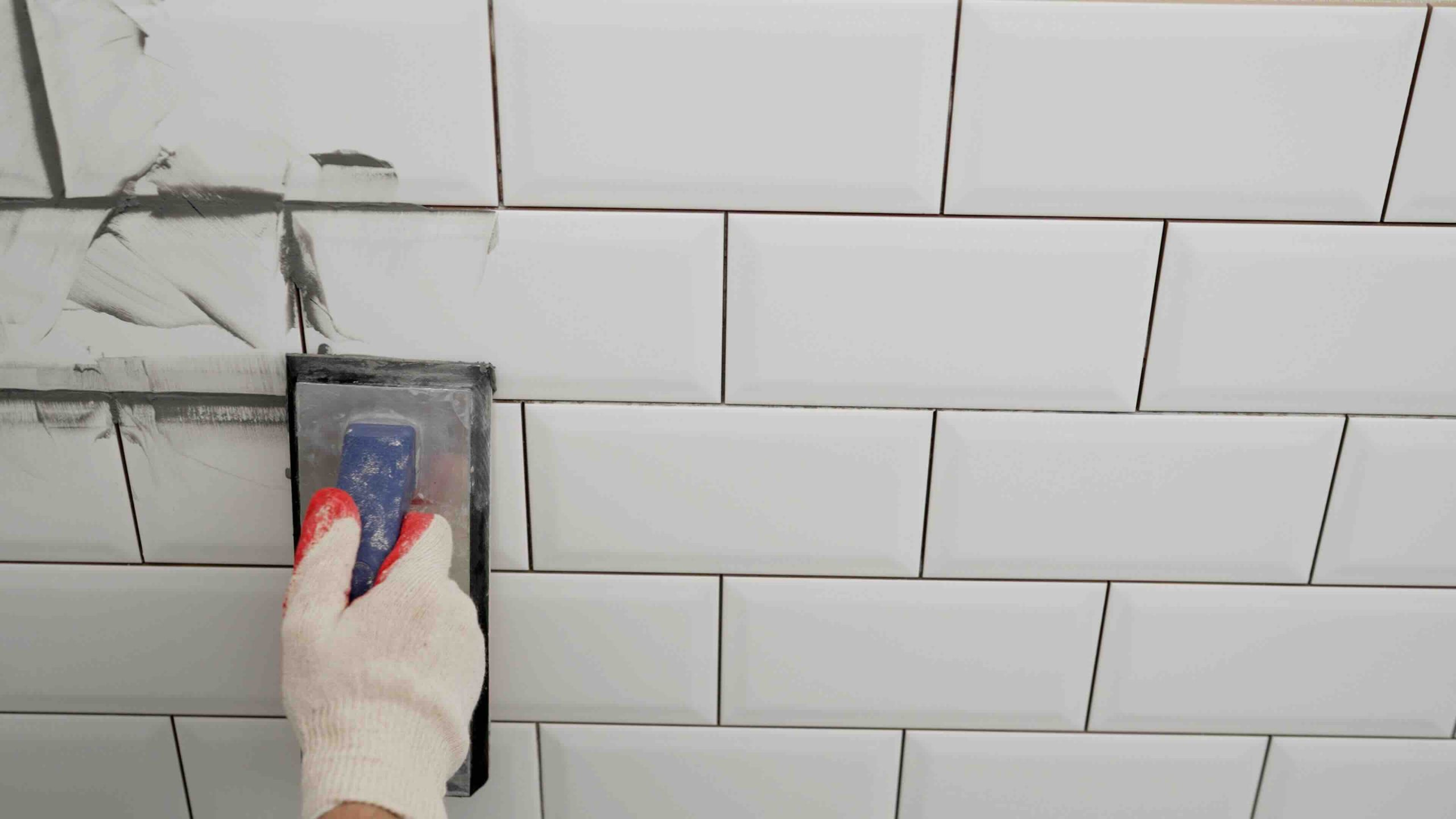
What Is Shower Tile Grout and Why Does It Matter More Than You Think
Shower tile grout is one of those things that nobody thinks about until it becomes a problem. It sits quietly between your tiles, doing its job, and most homeowners never give it a second thought. But grout is actually doing quite a lot behind the scenes. It seals the joints between tiles, prevents water from sneaking into the substrate beneath, and plays a significant role in the overall structural integrity of your shower walls and floor. When grout starts to fail, it does not just look bad. It opens the door to moisture damage, mold growth, and in serious cases, costly water intrusion that can spread well beyond the bathroom itself.
How Shower Tile Grout Actually Works
Grout is a cement-based or epoxy-based compound that fills the spaces between tiles once they have been set in place. The most common type used in showers is sanded or unsanded cement grout, depending on the width of the joints. Wider joints typically call for sanded grout because the sand particles add body and reduce shrinkage. Unsanded grout is smoother and works better in narrower joints where the rough texture of sand could actually cause damage to delicate tile edges. Epoxy grout is a third category that is increasingly popular in wet environments because it resists staining and moisture absorption far better than cement-based options. Once applied and cured, grout creates a firm, slightly porous barrier that keeps tiles locked in alignment and keeps water where it belongs.
The Most Common Types of Shower Grout Explained
Not all grout is built the same, and the differences matter when you are selecting materials for a new shower or planning a repair. Here is a breakdown of what you are likely to encounter:
- Sanded cement grout: Best for joints wider than one-eighth of an inch, durable and affordable but prone to staining without sealing
- Unsanded cement grout: Ideal for narrow joints, smoother texture but more vulnerable to cracking over time
- Epoxy grout: Highly resistant to moisture, stains, and bacteria, but more expensive and harder to apply
- Urethane grout: A newer option that combines flexibility with stain resistance, pre-mixed and easier for DIYers
- Furan grout: Industrial-grade and rarely used in residential settings, but highly resistant to chemicals
For most homeowners, the choice usually comes down to cement-based versus epoxy, and in a wet environment like a shower, epoxy is almost always the smarter long-term investment.
Key Advantages of Properly Maintained Shower Grout
When grout is in good shape, the benefits go far beyond aesthetics. Structurally sound grout keeps tiles from shifting or cracking under foot traffic and daily thermal expansion. It forms a continuous seal that stops water from penetrating to the backer board or subfloor, which can lead to rot, mold, and significant structural damage if left unchecked. Clean, sealed grout also reduces the surface area where bacteria and mildew can colonize, which matters a great deal in a space that is constantly warm and moist. From a home value standpoint, a shower with clean, intact grout signals to buyers that the home has been maintained carefully, which can genuinely influence appraisals and sale negotiations.

Common Drawbacks and Problems Homeowners Face With Shower Grout
Grout is durable, but it is not invincible. Cement-based grout is porous by nature, which means it absorbs moisture, soap residue, and mineral deposits over time. Without regular sealing, it can stain permanently and become a breeding ground for mold and mildew. Grout also tends to crack in high-movement areas, particularly at corners and transitions between walls and floors, where the structure is more likely to flex. Improper installation is another frequent culprit. If the grout was mixed incorrectly, applied too thin, or not allowed to cure properly, it will fail earlier than expected. Gaps and crumbling grout are not cosmetic issues. They are early warning signs of water infiltration that can escalate quickly.
How to Tell When Your Shower Grout Needs Attention
Most homeowners notice grout problems only after they have already progressed. Learning to spot the early indicators can save a significant amount of money and hassle. Watch for discoloration that does not respond to cleaning, soft or crumbly texture when pressed, visible cracks or missing sections, tiles that feel loose or sound hollow when tapped, and any musty odor that lingers even after thorough cleaning. Any one of these signs warrants a closer look. Multiple signs together mean the situation likely needs professional assessment sooner rather than later.
Practical Tips for Maintaining Shower Tile Grout
Grout maintenance is not complicated, but it does require consistency. A few straightforward habits can extend the life of your grout significantly and help you avoid expensive repairs down the road:
- Seal cement-based grout every one to two years using a penetrating sealer rated for wet environments
- Clean grout regularly with a pH-neutral cleaner to avoid eroding the surface with harsh chemicals
- Use a squeegee or towel after each shower to reduce prolonged moisture exposure
- Address any cracks or gaps immediately rather than waiting to see if they worsen
- Inspect caulk lines at corners and transitions separately, as these areas require flexible caulk rather than rigid grout
- Run your bathroom exhaust fan during and after showers to reduce humidity buildup
When DIY Grout Repair Makes Sense and When It Does Not
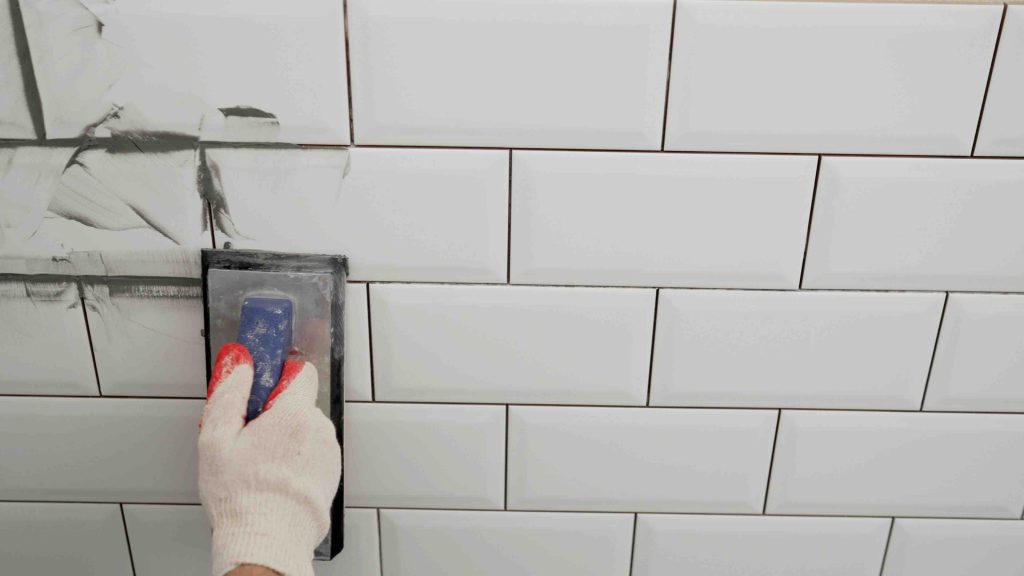
Regrout a few tiles yourself over a weekend? That is completely reasonable for a confident homeowner with the right tools. Grout removal tools, pre-mixed grout, and basic application supplies are widely available and relatively inexpensive. Small cracks and isolated discoloration are good candidates for DIY repair. However, widespread cracking, large sections of missing grout, tiles that have already shifted, or any evidence of water damage behind the wall are situations that require professional evaluation. Attempting to patch over a deeper structural problem with fresh grout is a temporary fix at best and can mask a growing issue at worst. Knowing the difference between a surface repair and a systemic problem is the key decision point for most homeowners.
How Shower Grout Issues Intersect With Your Home Warranty Coverage
Here is where things get a bit more nuanced. Home warranties are designed to cover the repair or replacement of home systems and appliances that fail due to normal wear and use. Cosmetic issues like grout discoloration or minor surface cracking are typically not covered because they fall outside the scope of mechanical failure. However, when grout failure leads to water intrusion that damages covered systems, such as plumbing components or structural elements connected to a covered system, the picture can change. Understanding exactly what your home warranty covers and what it excludes is essential before assuming any repair is or is not eligible. Reading your contract carefully and asking questions upfront prevents surprises when you actually need to file a claim.
If your shower is aging and you are starting to see the early signs of grout deterioration, now is a good time to think about what protections are in place for your broader home systems. home warranty coverage for plumbing and bathroom systems can provide meaningful financial backup when routine wear turns into something more significant. Armadillo offers transparent, straightforward plans built for real homeowners who want clarity without the fine-print runaround. When grout issues lead to plumbing problems or water damage that affects covered components, having a reliable warranty in your corner matters. Take two minutes to get a personalized home warranty quote for bathroom and plumbing protection and see exactly what coverage looks like for your home.

Frequently Asked Questions About Shower Tile Grout
Answers to the questions homeowners ask most often about shower grout, maintenance, repair, and what it all means for your home.
How often should shower grout be sealed?
Cement-based shower grout should be sealed every one to two years, depending on usage and the type of sealer used. Epoxy grout does not require sealing.
What is the difference between grout and caulk in a shower?
Grout is a rigid compound used to fill joints between tiles on flat surfaces. Caulk is a flexible sealant used at corners, transitions, and where walls meet floors, where movement is more likely to occur.
Can I regrout over old grout without removing it?
In most cases, the old grout should be removed before applying new grout to ensure proper adhesion and to avoid a buildup that can crack or look uneven. Some situations may allow a thin application over sound existing grout, but removal is generally the better approach.
How long does shower grout last?
With proper sealing and regular maintenance, shower grout can last anywhere from eight to fifteen years or longer. Without maintenance, it can begin to fail within just a few years.
Is black shower grout mold or just staining?
It can be either. Surface staining from soap scum and hard water minerals can cause darkening that responds to cleaning. True mold will often return after cleaning and may require a mold-specific treatment or professional remediation if it has penetrated deeper than the surface.
Does cracked grout always mean water damage has occurred?
Not always, but cracked grout significantly increases the risk of water intrusion. If cracks have been present for an extended period, moisture may have already reached the substrate. Inspection is always recommended when cracking is discovered.
Is shower grout repair covered by a home warranty?
Cosmetic grout repairs are generally not covered by home warranties. However, if grout failure contributes to damage affecting a covered plumbing system or structural component, portions of that secondary damage may qualify. Always review your specific contract terms.
What type of grout is best for a shower floor?
Epoxy grout is widely considered the best option for shower floors due to its superior resistance to moisture, staining, and bacterial growth. For cement-based options, sanded grout is appropriate for wider joints commonly found on floor tiles.
Can I use regular household cleaners on shower grout?
Harsh cleaners containing bleach or strong acids can degrade cement-based grout over time. A pH-neutral cleaner designed for tile and grout is the safest choice for routine maintenance without accelerating wear.
How do I know if my shower grout failure is a sign of a bigger plumbing issue?
If you notice water stains on adjacent walls or ceilings, soft or swollen drywall near the shower, persistent musty odors, or a sudden spike in your water bill alongside grout deterioration, those are indicators that water may be penetrating beyond the tile surface and reaching plumbing or structural systems that warrant professional inspection.