Why Draining Your Water Heater Faster Than You Think Is Possible Actually Matters
Most homeowners do not think about their water heater until something goes wrong. That is not a criticism, it is just reality. The thing sits in the corner of the basement or garage, does its job, and gets ignored for years. But here is the part that tends to surprise people: water heaters accumulate sediment over time, and that buildup quietly erodes efficiency, damages the tank lining, and shortens the unit’s overall lifespan. Draining the tank is the fix, and doing it quickly and correctly is the difference between a 20-minute maintenance task and a frustrating two-hour ordeal. This guide covers exactly how to drain a water heater as fast as possible, what to watch out for, and why your home warranty coverage might matter more than you realize once the process is done.
What Sediment Actually Does Inside Your Water Heater Tank
When hard water enters your tank, dissolved minerals like calcium and magnesium settle at the bottom as the water heats up. Over months and years, that layer grows. It insulates the heating element or burner from the water it is supposed to be heating, which means the unit has to work harder and run longer to hit your target temperature. You may notice rumbling or popping sounds during heating cycles, that is sediment being disturbed. You might also notice lukewarm water or higher energy bills with no obvious cause. Flushing the tank removes that layer and restores efficiency. It is one of the most impactful and underrated maintenance tasks in the entire home.
Tools and Supplies You Need Before You Start
Getting everything ready before touching the unit saves significant time. The fastest draining process depends entirely on having the right setup in place from the beginning. Here is what you need:
- A standard garden hose long enough to reach a floor drain, outdoor area, or utility sink
- Flat-head screwdriver or adjustable wrench for the drain valve
- Work gloves and eye protection
- A large bucket as a backup in case the hose does not reach a drain
- Optional: a wet-dry shop vacuum for clearing the drain valve if it is clogged
One thing worth noting before starting is that the drain valve on older water heaters is notorious for being corroded or partially blocked with sediment. If yours has never been opened, expect some resistance. That is normal, and there is a workaround covered below.
The Fastest Method to Drain a Water Heater Step by Step
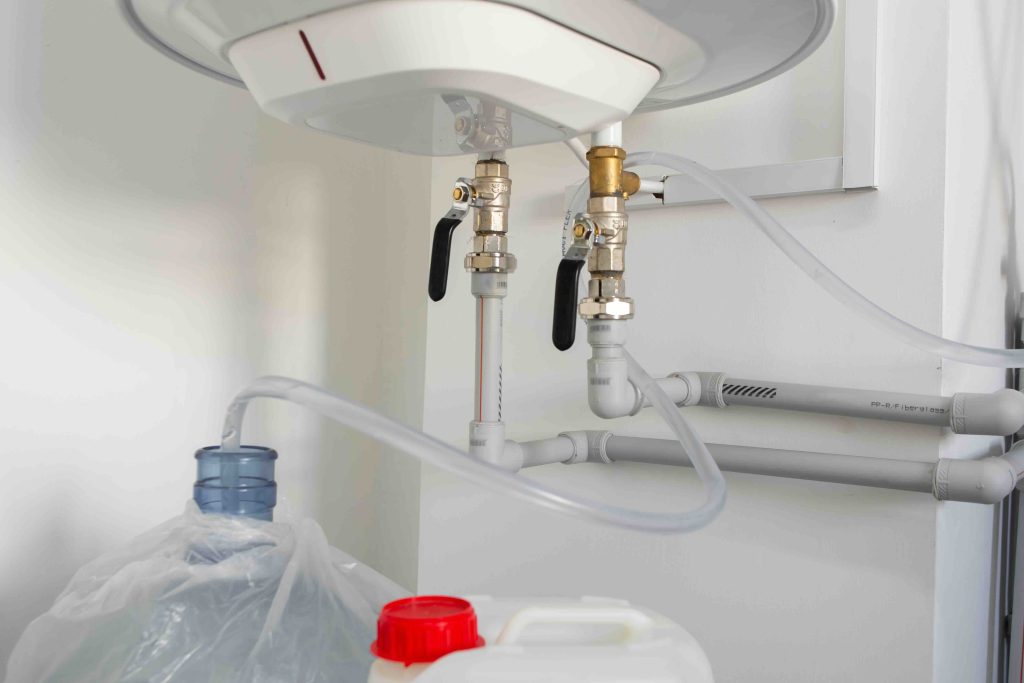
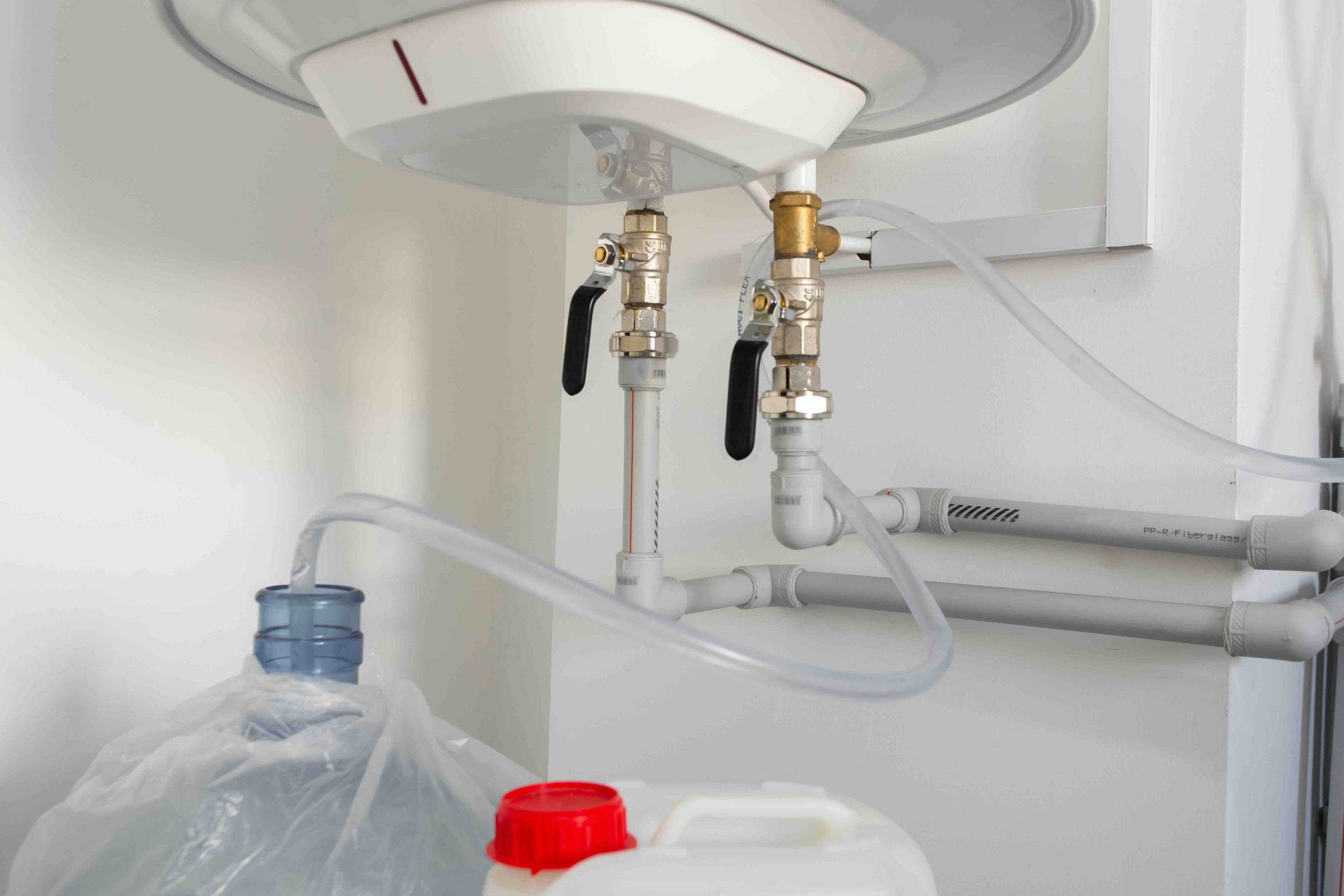
Speed comes from preparation and a specific technique most guides skip. Start by switching the water heater to the pilot setting if it is gas, or shutting off the circuit breaker if it is electric. This prevents the heating element from running dry and burning out during the process. Next, connect your garden hose to the drain valve at the base of the tank and route it to your drainage location. Turn off the cold water supply line feeding into the top of the tank. Now, rather than opening just the drain valve, open a hot water faucet somewhere in the house, any sink will do. This breaks the vacuum inside the tank and dramatically speeds up drainage. With that faucet open and the drain valve fully turned, water should flow quickly and steadily. A standard 40 to 50 gallon tank typically drains in 15 to 20 minutes using this method. Without that open faucet, you could be waiting twice as long.
What to Do When the Drain Valve Is Clogged
This is where a lot of homeowners hit a wall. The drain valve gets clogged with sediment and the flow slows to a trickle or stops entirely. The fix is to briefly restore the cold water supply while the drain valve is open. That burst of incoming water pressure will push the sediment plug through and restore flow. Repeat this two or three times if needed. If the valve itself is damaged or corroded to the point of failure, do not force it. A failed drain valve during this process can cause a bigger mess than the sediment ever would. At that point, calling a plumber is the right move, and this is also a situation where having a home warranty in place becomes relevant.
Flushing Versus Full Draining: Understanding the Difference
A full drain empties the tank completely. A flush sends water through the tank while the drain valve is open, pushing sediment out without fully emptying the unit. For routine maintenance, a flush every six to twelve months is often sufficient. A full drain is recommended when replacing the anode rod, installing a new unit, or dealing with significant sediment accumulation. If you have never performed either task and the unit is several years old, starting with a full drain gives you a clearer picture of what is happening inside the tank. The color and clarity of the water coming out tells you a lot about the condition of the unit.
Refilling the Tank Correctly After Draining
Once the tank is drained, close the drain valve securely. Leave the hot water faucet inside the house open. Turn the cold water supply back on and let the tank fill. You will know the tank is full when a steady, uninterrupted stream of water flows from that open faucet inside the house. At that point, close the faucet. Turn the power or gas back on. Give the tank 30 to 45 minutes to reach temperature before testing. Skipping the step of confirming the tank is full before restoring power is one of the most common mistakes homeowners make, and it can burn out an electric heating element almost immediately.
How Often Should You Drain Your Water Heater
The general recommendation from most plumbing professionals is once per year. That said, if you live in an area with particularly hard water, twice a year is not unreasonable. Homes with water softeners may need to flush less frequently. The age of the unit matters too. A water heater that has never been flushed and is pushing 10 or more years should be inspected carefully before and after flushing, because loosening old sediment can sometimes reveal corrosion or a weakened tank that was being held together by the buildup itself. That sounds alarming, and it sometimes is, but it is much better to discover it during maintenance than during a flood.
Why Home Warranty Coverage Should Be Part of Your Water Heater Plan
Draining your water heater is something you can absolutely handle yourself, but the unit will not last forever regardless of how diligent you are. When the thermostat fails, when a heating element burns out, or when the tank itself develops a leak, those are the moments where repair costs climb fast and an unexpected bill hits hard. That is exactly what Armadillo home warranty coverage for water heaters and major home systems is designed to address. Armadillo offers straightforward, transparent plans built around protecting the systems homeowners actually depend on, without the confusing exclusions and fine print that make other warranty products frustrating. If your water heater is aging or you just discovered during a flush that the unit is in worse shape than expected, now is a smart time to get a free home warranty quote to protect your water heater and plumbing systems. Coverage that kicks in before a problem becomes a crisis is coverage that actually works.

Frequently Asked Questions About Draining a Water Heater
Here are answers to the questions homeowners ask most often about water heater draining and maintenance.
How long does it take to drain a water heater using the fastest method?
Using the open-faucet technique to break the vacuum inside the tank, most 40 to 50 gallon water heaters drain in 15 to 20 minutes. Larger tanks or units with significant sediment may take longer.
Can I drain my water heater without turning off the power or gas?
No. Always shut off the power at the breaker for electric units or set the gas valve to pilot before draining. Running the heating element or burner in an empty or partially empty tank can cause serious damage.
What if water does not come out of the drain valve?
The valve is likely clogged with sediment. Try opening the cold water supply briefly while the drain valve is open to force the blockage through. If that does not work, the valve itself may need to be replaced.
Is it safe to drain water heater water into my yard?
Generally yes, but the water can be extremely hot, so avoid areas where people or pets might come in contact with it. Allow it to cool or drain slowly. Sediment-heavy water is not harmful to most soil or grass.
How do I know if my water heater needs to be drained?
Rumbling or popping sounds during heating, reduced hot water output, higher energy bills, or discolored hot water are all signs that sediment has built up and the tank should be drained.
Do tankless water heaters need to be drained the same way?
Tankless water heaters do not store water, so they do not require draining for sediment. However, they do require periodic flushing with a descaling solution to remove mineral buildup from the heat exchanger.
Can draining a water heater cause damage to the unit?
When done correctly, no. The risk comes from restoring power before the tank is fully refilled or from forcing a corroded drain valve that cracks or breaks under pressure. Proceeding carefully avoids both issues.
How do I know when the water heater is full after refilling?
Leave a hot water faucet open during the refill process. When a steady, uninterrupted stream of water flows from that faucet, the tank is full. Bubbling or sputtering indicates air is still clearing from the lines.
Does draining a water heater void my home warranty?
Standard maintenance tasks like flushing and draining typically do not void home warranty coverage. However, damage caused by improper maintenance or DIY repairs that go wrong may not be covered. Always review your specific plan terms.
What is the lifespan of a typical water heater with proper maintenance?
A tank water heater that is properly maintained, including annual flushing and anode rod replacement every three to five years, can last 12 to 15 years or more. Without maintenance, many units fail well before the 10-year mark.