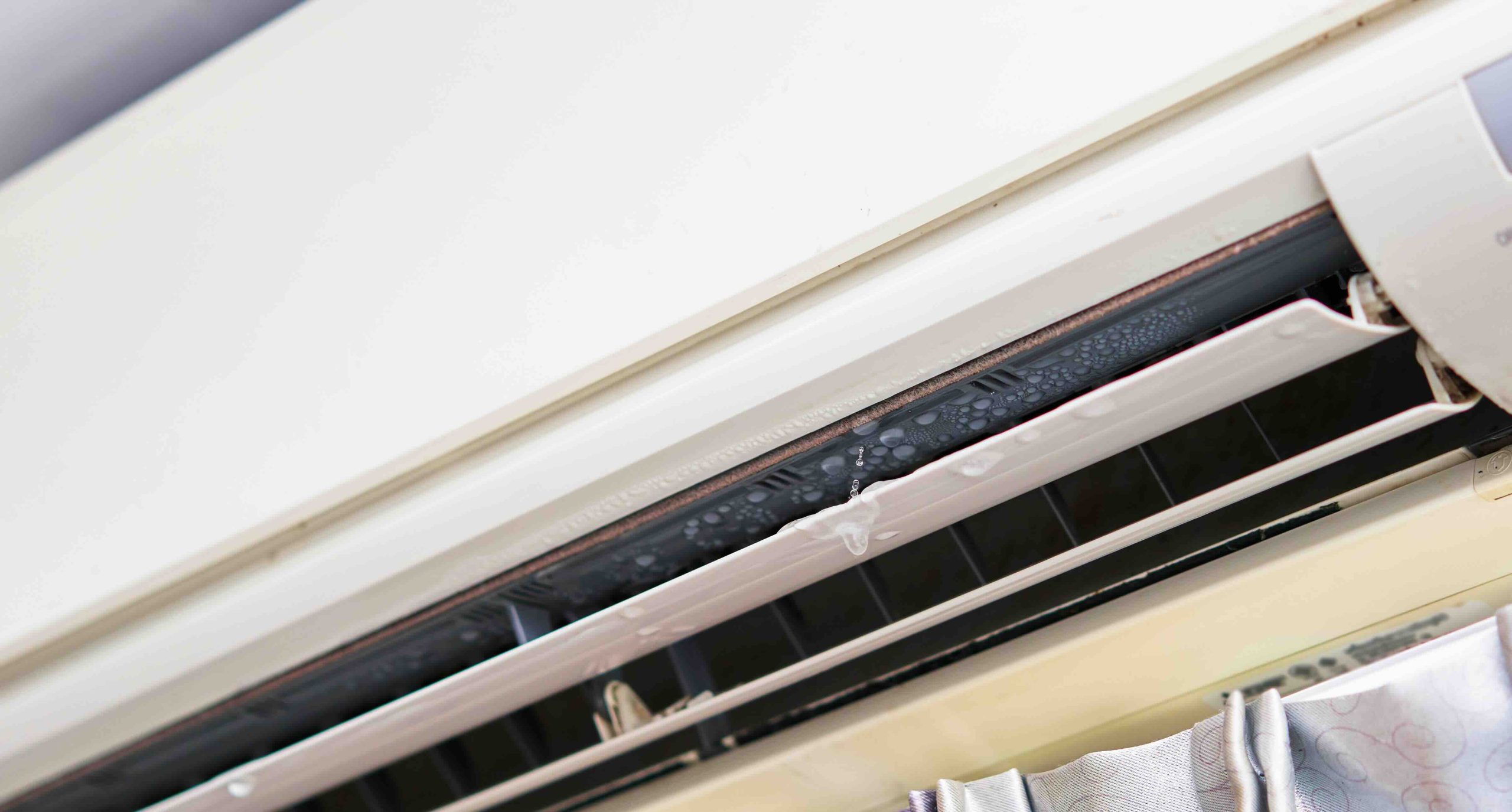
Why Is My AC Unit Dripping Water? Understanding Condensation in Your Air Conditioning System
If you have ever noticed water pooling around your indoor air conditioning unit or dripping from a vent, your first instinct might be that something is seriously wrong. Honestly, that reaction makes sense. Water where it does not belong is usually a red flag in a home. But when it comes to air conditioners, a certain amount of water is actually part of the process. The key is knowing when condensation is normal and when it signals a problem that needs attention. This guide breaks it all down so you know exactly what you are dealing with.
What Is AC Condensation and Why Does It Happen
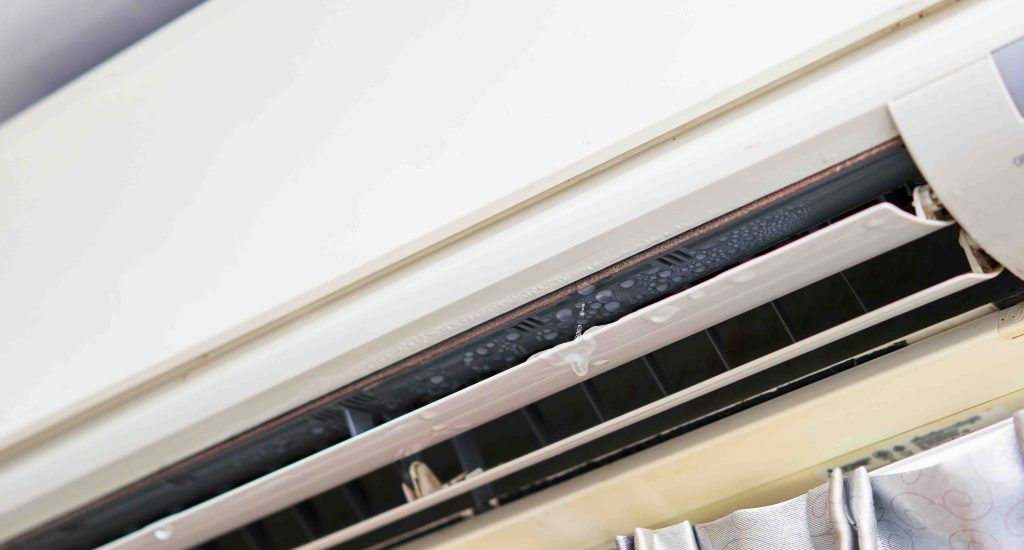
Air conditioning systems do more than just cool air. They also remove humidity from your home, and that humidity has to go somewhere. Here is the short version of how it works: warm, humid air from inside your home passes over a set of cold evaporator coils inside the indoor unit. When warm air meets those cold coils, the moisture in the air condenses into liquid water droplets, much like how a cold glass sweats on a humid summer day. That water collects in a drain pan beneath the coils and then flows out through a condensate drain line, typically routed to a floor drain, utility sink, or outside. Under normal operating conditions, you might not even notice this process happening. Your system handles it quietly in the background.
How Much Condensation Is Actually Normal
This is where a lot of homeowners get confused, and it is a fair point of confusion. On a hot, humid day, a central air conditioning system can produce anywhere from five to twenty gallons of water or more. That number sounds alarming until you realize the system is designed to manage exactly that volume. A functioning condensate drain line moves water away efficiently. You should not see standing water around your unit, water stains on walls or ceilings near vents, or active dripping inside your living space. If your system is working properly, condensation is essentially invisible to you as a homeowner.
Common Causes of AC Condensation Problems
When condensation becomes visible or causes damage, something in that drainage process has broken down. The most frequent culprits include a few key issues that are worth knowing about.
- Clogged condensate drain line: Algae, mold, and debris can build up inside the drain line over time, causing water to back up and overflow the drain pan.
- Frozen evaporator coils: If airflow is restricted due to a dirty filter or low refrigerant, the coils can freeze. When they thaw, large amounts of water release at once, overwhelming the drain pan.
- Cracked or rusted drain pan: Older units can develop damage to the pan itself, allowing water to leak out before it ever reaches the drain line.
- Improper installation or unit tilt: If the indoor unit is not level, water may not flow correctly toward the drain pan at all.
- High indoor humidity: In certain climates or during certain seasons, excessive humidity can push a system beyond its designed drainage capacity.
Each of these problems has a different solution, and correctly identifying the cause is the first step toward fixing it without spending more than necessary.

The Role of Your Air Filter in Condensation Control
This one catches people off guard. Your air filter has a direct relationship with how your system manages condensation. A clogged or dirty filter restricts the airflow that passes over the evaporator coils. Without adequate airflow, the coils get too cold and freeze. Once the system cycles off or the filter is changed, those frozen coils thaw rapidly and dump a significant volume of water all at once. Replacing your filter every one to three months, depending on your household, is one of the most effective and affordable ways to prevent condensation-related issues before they start.
How to Maintain Your Condensate Drain Line
Preventive maintenance on your condensate drain line is something most homeowners can handle on their own, and it is worth doing at least once a season. Pouring a cup of diluted white vinegar or a small amount of bleach solution into the drain line access port can help prevent algae and mold buildup from creating blockages. Some systems also have a safety float switch in the drain pan that shuts the system off automatically if water levels get too high, which is a useful safeguard worth verifying your system has. If you are unsure where your drain line access point is or whether your unit has a float switch, a licensed HVAC technician can walk you through it during a routine service visit.
Signs That AC Condensation Has Already Caused Damage
Water damage from a neglected condensation issue can escalate quickly. If water has been leaking from your indoor unit for any length of time, you may notice water stains on ceilings or drywall near the unit, visible mold growth around the air handler or nearby surfaces, warped flooring or baseboards in the area below the unit, or a musty odor coming from your vents. These are not cosmetic issues to ignore. Mold remediation and structural water damage repairs are expensive, and they are the kind of secondary damage that follows from what started as a clogged drain line that could have been cleared for almost nothing.
When to Call a Professional for AC Condensation Issues
Some condensation issues are well within DIY territory. Changing a filter, clearing a drain line, or checking that your drain pan is intact are all manageable tasks. But if you are seeing ice on your evaporator coils, your refrigerant may be low, which requires a licensed HVAC professional. If your drain pan has cracked or the blower motor has stopped working properly, those are also repairs that need a trained technician. The general rule is this: if basic maintenance steps do not resolve the visible condensation problem within one cooling cycle, call in a professional. Waiting tends to make things worse and more expensive.
Key Advantages and Drawbacks of How AC Systems Handle Condensation
Understanding the design strengths and limitations of your system helps you manage it more proactively. On the positive side, modern air conditioning systems are designed with condensate management built in. Drain pans, float switches, and dedicated drain lines are all standard components that work reliably when maintained. The system actively improves indoor air quality by removing excess humidity along with cooling. On the downside, the condensate drainage system requires consistent attention. It is one of the more neglected aspects of HVAC maintenance simply because it operates out of sight. When it fails, the consequences tend to show up suddenly and in ways that feel disproportionate to what caused them.
Why Armadillo Home Warranty Has You Covered When AC Condensation Goes Wrong
Here is the reality: even diligent homeowners face unexpected HVAC failures. A clogged drain line leads to a failed float switch, a failed float switch leads to a flooded air handler, and suddenly you are looking at a repair bill that was nowhere in your budget. That is exactly the kind of situation a home warranty is built for. With Armadillo home warranty coverage for HVAC systems and air conditioning components, you have a financial safety net in place when your AC system fails due to normal wear and tear. Armadillo keeps things straightforward. No confusing exclusions buried in the fine print, no headaches when you actually need to file a claim. If your air conditioning system develops a covered issue related to internal components, drainage failures, or mechanical breakdowns, Armadillo is the partner you want in your corner. Take a few minutes to get a free home warranty quote that includes AC system protection and see exactly what your home could be covered for before something goes wrong.

Frequently Asked Questions About AC Condensation
These are the questions homeowners ask most often about air conditioning condensation, answered directly.
Is it normal for my AC unit to drip water?
Some water drainage is completely normal. Your AC removes humidity from indoor air, and that moisture exits through the condensate drain line. You should not see water pooling inside your home or dripping from vents or ceilings.
Why is water pooling around my indoor AC unit?
The most common reasons are a clogged condensate drain line, an overflowing drain pan, or frozen evaporator coils that have thawed. Each cause requires a different fix, so identifying the source is the first step.
Can a dirty air filter cause water leaks from my AC?
Yes. A clogged filter restricts airflow over the evaporator coils, which causes them to freeze. When the system cycles off, the ice melts and can overflow the drain pan, resulting in water leaking from the unit.
How often should I clean my condensate drain line?
At minimum, once per cooling season. Pouring a diluted vinegar or bleach solution into the drain line access port monthly during heavy use periods is a simple way to prevent algae and mold buildup.
What happens if the condensate drain line gets completely blocked?
Water backs up into the drain pan. If the pan overflows or lacks a float safety switch, water can leak into your ceiling, walls, or flooring, potentially causing significant structural and mold damage.
Does high humidity affect how much condensation my AC produces?
Absolutely. The more moisture in the air, the more condensation the system generates. In very humid climates or during peak summer humidity, your system works harder and produces more water than usual.
What is a condensate float switch and do I need one?
A condensate float switch is a safety device that shuts off your AC system when the drain pan reaches a certain water level, preventing overflow. Many modern systems include one. If yours does not, an HVAC technician can install it relatively easily.
Can AC condensation cause mold in my home?
Yes, if water leaks go unaddressed. Standing moisture near the air handler, in walls, or under flooring creates ideal conditions for mold growth. Catching drainage issues early is the most effective way to prevent this outcome.
Is AC condensation damage covered by a home warranty?
Coverage depends on the warranty provider and plan. Some home warranties cover internal AC components and mechanical failures that lead to drainage issues. It is important to review your specific plan terms or speak with your warranty provider to understand what is included.
When should I stop trying to fix an AC condensation issue myself and call a technician?
If basic steps like changing the filter, clearing the drain line, and checking the drain pan do not resolve the issue within one cooling cycle, contact a licensed HVAC professional. Signs like ice on the coils, refrigerant concerns, or persistent leaking after DIY attempts require professional diagnosis.