What Is Radiant Heat and Why Are Homeowners Talking About It?
If you have ever walked across a warm tile floor on a cold morning and thought, “I could get used to this,” you have already experienced the appeal of radiant heating. It is one of those home systems that sounds almost too simple to be effective, yet it consistently earns high marks from homeowners who make the switch. Radiant heat works by warming surfaces directly rather than pushing heated air through ducts and vents. The result is a quieter, more even distribution of warmth throughout a room. Before you decide whether it is right for your home, it helps to understand exactly what you are working with, including what it costs, how it performs, and where it sometimes falls short.
How Radiant Heating Actually Works
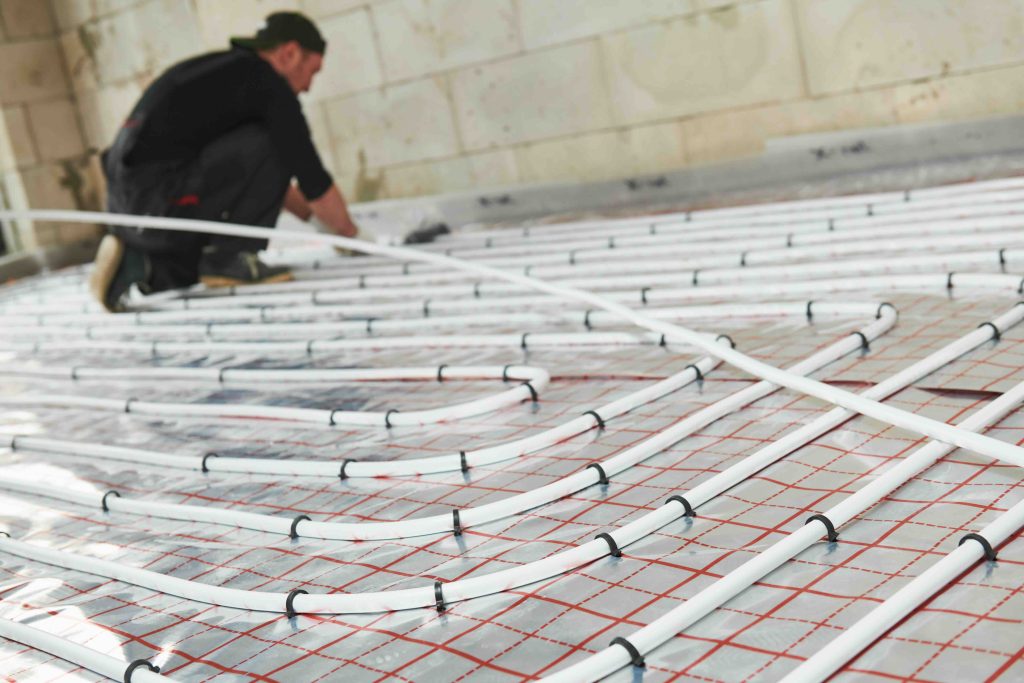
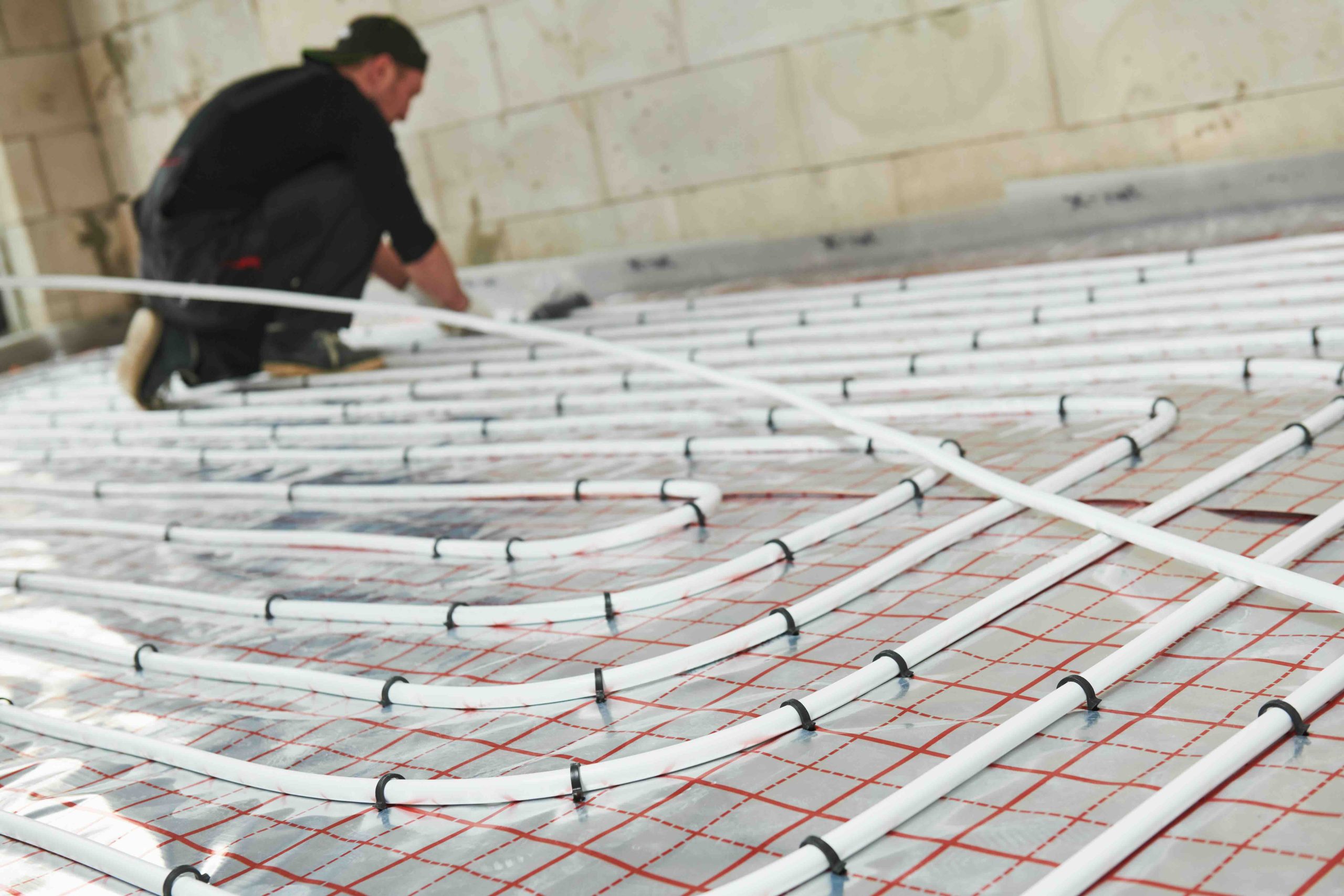
Radiant heating systems deliver warmth through one of two primary methods: electric resistance cables or water-based hydronic tubing installed beneath floors, behind walls, or embedded in ceilings. Electric systems use heating elements that convert electricity into heat, while hydronic systems circulate hot water through a network of flexible tubing connected to a boiler. In both cases, the heat radiates upward or outward from the surface, warming people and objects in the room rather than just the air around them. This is a fundamentally different approach compared to forced-air systems, which heat the air and move it around with fans and ductwork. Radiant systems are often installed beneath floors, which is why the terms “radiant heat” and “radiant floor heat” are frequently used interchangeably in residential settings.
Radiant Heat Cost Per Square Foot: What to Expect
Cost is often the first question homeowners ask, and rightfully so. Radiant heat cost per square foot varies depending on the type of system, the size of the space, and whether it is installed during new construction or retrofitted into an existing home. Here is a general breakdown of what most homeowners can expect to pay for installation:
- Electric radiant floor systems typically run between $8 and $15 per square foot installed, making them a practical choice for smaller spaces like bathrooms or kitchens.
- Hydronic radiant systems tend to cost between $10 and $20 per square foot installed, though whole-home installations can push costs higher depending on boiler requirements and labor.
- Retrofitting radiant heat into an existing finished floor is considerably more expensive than installing it during construction, sometimes adding 30 to 50 percent to the base cost.
- Operating costs for electric systems are higher per unit of energy, while hydronic systems are more cost-efficient over time, especially in colder climates with extended heating seasons.
For a 200-square-foot bathroom, a homeowner might spend anywhere from $1,600 to $3,000 for an electric system. A whole-home hydronic installation covering 2,000 square feet could run $20,000 to $40,000 or more, depending on complexity. These are not small numbers, which is why planning and professional consultation matter so much upfront.
The Real Advantages of Radiant Heating Systems
The reasons homeowners choose radiant heat go well beyond the luxury of warm floors. Energy efficiency is one of the most compelling arguments. Because radiant systems heat objects and people directly, they can maintain comfortable temperatures at lower thermostat settings than forced-air systems. There are no duct losses, which account for a significant portion of energy waste in traditional HVAC systems. Additionally, radiant heat eliminates the circulation of dust, allergens, and other airborne particles that forced-air systems tend to move around, which is a genuine quality-of-life benefit for allergy sufferers. The system operates silently, there are no vents to block with furniture, and the heat feels more natural because it mimics the way the sun warms surfaces. Most homeowners who install radiant heat describe it as one of the upgrades they wish they had made sooner.

Common Drawbacks You Should Know Before Installing
No home system is without its limitations, and radiant heat is no exception. The upfront installation cost is the most significant barrier for most homeowners. Compared to upgrading a furnace or adding baseboard heaters, radiant systems require a larger initial investment. There is also the matter of response time. Radiant heat, particularly hydronic systems, takes longer to bring a room up to temperature than forced-air systems, which means programmable thermostats and careful scheduling become more important. Retrofitting is disruptive and expensive, often requiring the removal and replacement of existing flooring. Certain flooring materials, like thick hardwood planks or heavy carpet, can act as insulators and reduce the system’s effectiveness. And while the systems themselves are generally low-maintenance, when something does go wrong, repairs can be complex and costly given the components are embedded within the structure of the home.
Best Flooring Types for Radiant Heat Compatibility
Flooring choice plays a significant role in how well a radiant heating system performs. The best conductors of radiant heat are materials with low thermal resistance. Tile and stone are considered the gold standard because they heat up efficiently and retain warmth well. Engineered hardwood is a solid option when it is specifically rated for use with radiant systems. Luxury vinyl plank and certain laminate products also work well as long as the manufacturer confirms compatibility. Solid hardwood and thick carpet are generally not recommended because they insulate the floor rather than allow heat to pass through. If you are planning a radiant installation and you love hardwood, an honest conversation with your installer about species, thickness, and heat tolerance is worth having before you commit.
Maintenance Requirements and Long-Term Reliability
One of the quieter advantages of radiant heat is how little attention it requires once it is properly installed. Electric systems have no moving parts and rarely need servicing. Hydronic systems require more attention because they involve a boiler, a pump, and fluid in the lines. Periodic checks of the boiler, system pressure, and antifreeze levels in the tubing are part of responsible ownership. Air can occasionally become trapped in the lines and may need to be bled out to maintain performance. Overall, hydronic systems have a life expectancy of 20 to 35 years when properly maintained, and electric systems can last 25 years or more with minimal intervention. The components that tend to fail first are typically the thermostat and the pump in hydronic systems, both of which are accessible and replaceable without tearing up flooring.
Is Radiant Heat a Good Fit for Your Home?
The answer depends on your home, your budget, and your priorities. Radiant heat performs best in well-insulated homes where heat loss is controlled, because an inefficient building envelope undermines the efficiency gains radiant systems offer. It makes the most financial sense when installed during new construction or a major renovation when walls and floors are already open. It is also worth considering in rooms where comfort matters most, like master bathrooms, kitchens, and living spaces where you spend the most time. Homeowners in colder climates with longer heating seasons tend to see the greatest long-term payoff from hydronic systems, while electric radiant makes a practical spot-treatment for homes that simply want the benefit in select rooms without committing to a full-home overhaul.
How Home Warranty Coverage Applies to Radiant Heating Systems
If you already have radiant heat or you are planning to install it, understanding how home warranty coverage applies to these systems is an important part of your ownership strategy. Armadillo home warranty coverage for radiant heating and home systems is built around protecting homeowners from the unexpected repair costs that can turn a manageable situation into a financial headache. Because radiant heating components like boilers, pumps, and thermostats are subject to normal wear and tear, having a warranty that covers these elements means you are not left absorbing those costs out of pocket when something fails. Armadillo is straightforward about what is covered, how claims work, and what homeowners can expect, which is exactly the kind of clarity that matters when your heat goes out in February. If you are ready to protect the systems that keep your home running, get a free home warranty quote for radiant heating system protection and find out how affordable that peace of mind can actually be.

Frequently Asked Questions About Radiant Heat
These are the questions homeowners ask most often when researching radiant heating systems, along with clear answers to help guide your decision-making process.
What is the average radiant heat cost per square foot for installation?
Electric radiant floor systems generally cost between $8 and $15 per square foot installed. Hydronic systems typically range from $10 to $20 per square foot, with whole-home installations potentially exceeding that range depending on boiler requirements, labor costs, and regional pricing.
Is radiant heat more energy-efficient than forced-air heating?
In most cases, yes. Radiant systems eliminate duct losses and heat rooms more evenly, which allows homeowners to maintain comfort at lower thermostat settings. Hydronic systems in particular can offer meaningful long-term energy savings compared to traditional forced-air heating.
How long does a radiant heating system last?
Hydronic radiant systems have an average lifespan of 20 to 35 years with proper maintenance. Electric radiant systems can last 25 years or more. The components most likely to need replacement over time include the thermostat, boiler, and circulation pump in hydronic setups.
Can radiant heat be installed under any type of flooring?
Not all flooring types are equally compatible. Tile, stone, and engineered hardwood perform best. Luxury vinyl plank and some laminates are also suitable when manufacturer-approved. Thick carpet and solid hardwood are generally not recommended because they can insulate the floor and reduce heating efficiency.
Is it expensive to repair a radiant heating system?
Repairs to accessible components like thermostats and pumps are generally manageable in cost. However, if tubing beneath the floor is damaged, repairs can be significantly more expensive and disruptive because accessing the system may require removing finished flooring materials.
Does radiant heat work as a sole heating source or only as a supplement?
Radiant heat can function as a primary heating source in well-insulated homes, particularly hydronic systems designed for whole-home coverage. Electric systems are more commonly used as supplemental heat in specific rooms rather than as the sole source of warmth for an entire home.
How long does it take for radiant heat to warm a room?
Radiant heat, especially hydronic systems, has a slower response time than forced-air heating. It can take anywhere from 30 minutes to several hours to fully warm a cold space. This is why programmable thermostats and scheduled heating times are highly recommended for radiant system owners.
Does a home warranty cover radiant heating systems?
Coverage depends on the specific home warranty plan and provider. Many home warranty plans that include heating system coverage will cover components like boilers, pumps, and thermostats associated with radiant systems. Reviewing the terms of your plan before assuming coverage is always a wise step.
What is the difference between electric and hydronic radiant heat?
Electric radiant systems use resistance cables to generate heat and are easier to install but more expensive to operate. Hydronic systems circulate heated water through tubing and have higher upfront costs but lower long-term operating expenses, making them the more economical choice for whole-home applications.
Is radiant heat worth the investment for most homeowners?
For homeowners who prioritize energy efficiency, comfort, and quiet operation, radiant heat is frequently considered a worthwhile investment. The strongest return on investment comes from full hydronic installations in new construction or major renovations in colder climates, though even targeted electric installations in high-use rooms deliver noticeable comfort benefits.