When Your Chest Freezer Stops Freezing: What Every Homeowner Should Know
You open the lid expecting a solid block of cold air and frozen goods, and instead you are met with something closer to room temperature and a faint smell of concern. A chest freezer not freezing is one of those appliance problems that sneaks up on you, and by the time you notice, you may already have a lot of thawed food on your hands. Understanding how chest freezers work, why they fail, and what your options are can save you money, frustration, and a very unpleasant afternoon cleaning out spoiled groceries.
How a Chest Freezer Actually Works
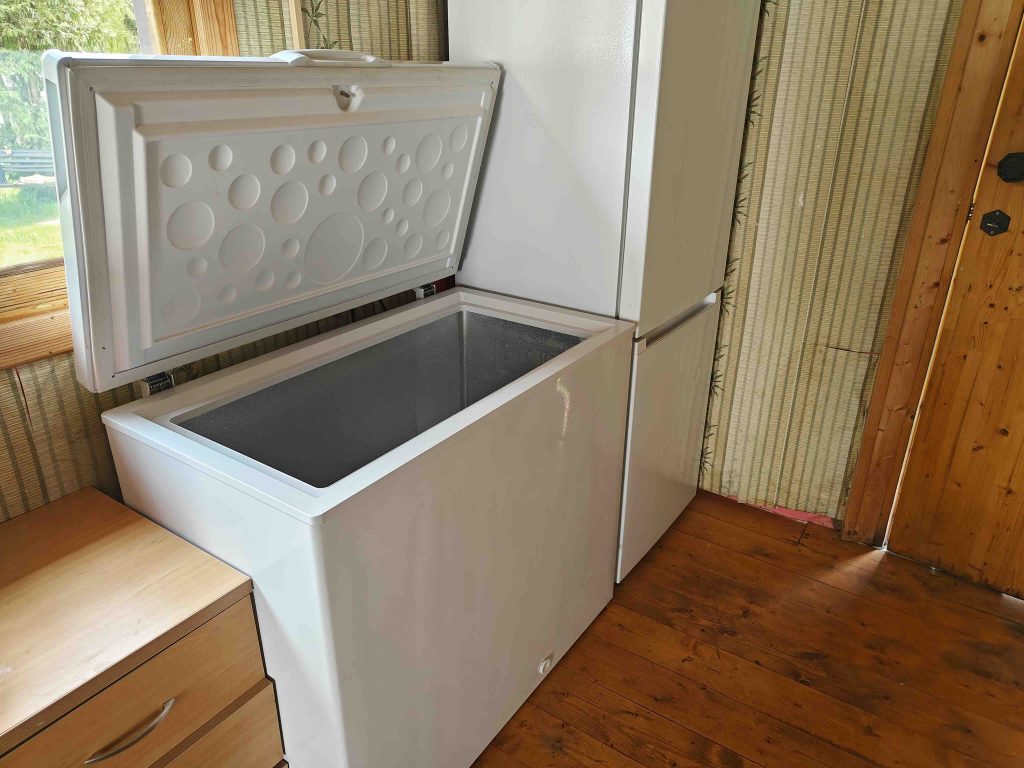
Chest freezers operate using the same refrigeration cycle found in your standard upright freezer or refrigerator. A refrigerant fluid circulates through a sealed system, absorbing heat from inside the unit and releasing it outside. The compressor pressurizes the refrigerant, the condenser coils release heat into the surrounding air, and the evaporator coils inside the freezer absorb the warmth from your stored food and the internal air space. The result, when everything is functioning properly, is a consistent temperature well below freezing. Chest freezers are actually quite energy efficient compared to upright models because cold air is denser and sinks, meaning less cold air escapes when you open the lid versus a front-opening door. That efficiency, however, depends entirely on each component doing its job without interruption.
Common Reasons a Chest Freezer Stops Freezing
There is rarely one single culprit when a chest freezer stops doing its job. Several components can fail independently or in combination, and knowing which ones to look at first can help you narrow down the problem quickly.
- Faulty compressor: The compressor is the engine of the refrigeration cycle. When it fails, the entire system stops circulating refrigerant.
- Refrigerant leak: A slow or sudden leak means there is not enough refrigerant in the system to complete the heat exchange process.
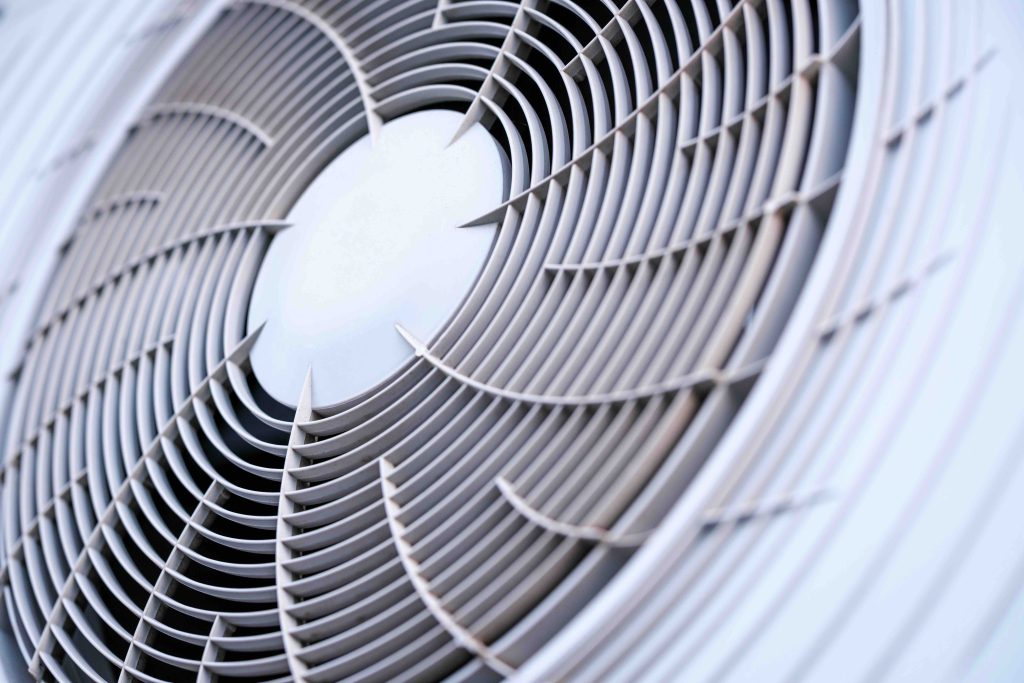
- Dirty condenser coils: Dust and debris buildup on the coils insulates them and prevents heat from escaping properly.
- Defective start relay: This small component helps the compressor start up. If it fails, the compressor may not run at all.
- Broken thermostat: If the thermostat is not reading temperatures accurately, it may not signal the compressor to run when needed.
- Damaged door gasket or lid seal: A worn or cracked seal allows warm air to enter continuously, overwhelming the system.
- Overloaded unit or poor placement: Too much warm food added at once, or a freezer placed in an excessively warm environment, can strain the system.
Some of these issues are straightforward DIY fixes. Others require a licensed appliance repair technician and potentially costly parts replacements. The compressor, in particular, is often the most expensive repair on any freezer and sometimes costs more to replace than the unit itself.
Initial Troubleshooting Steps Homeowners Can Take
Before calling a technician or filing a home warranty claim, there are a few checks worth doing on your own. Start by confirming the unit is plugged in securely and that the outlet is functional. Check the temperature setting to make sure it has not been accidentally adjusted. Inspect the lid seal by closing the lid on a piece of paper and seeing whether it slides out easily, which would indicate a weak seal. Clean the condenser coils if they are accessible and visibly dusty. Give the unit at least 24 hours to stabilize after any changes, especially if it was recently moved or unplugged. If the freezer is running but not cooling, listen for the compressor. A clicking sound that repeats every few minutes without the unit cooling down is often a sign of a failing start relay or compressor.

When a Repair Makes Sense Versus Replacement
The repair versus replace decision is one of the most common dilemmas homeowners face with appliances. A general rule of thumb in the appliance repair world is this: if the repair cost exceeds 50 percent of the cost of a new unit, replacement is usually the smarter financial move. Chest freezers vary widely in price depending on size and features, but mid-range units typically run between $300 and $700. A compressor replacement alone can cost $200 to $400 in parts and labor, which puts it right at the edge of that decision point. Smaller repairs like a start relay replacement, thermostat swap, or lid gasket fix are usually well worth the cost since those parts are inexpensive and the labor is minimal. Age is also a factor. A chest freezer that is 10 to 15 years old and experiencing a major failure is probably nearing the end of its practical life regardless.
The Role of Placement and Environment
One factor that homeowners often overlook is where the chest freezer lives. Garages are among the most common locations, and they are also among the most problematic. In the summer, an uninsulated garage can reach extreme temperatures, forcing the freezer to work much harder to maintain its internal temperature. In very cold winters, some chest freezers actually struggle to maintain proper operation because the compressor relies on a certain ambient temperature range to function correctly. Most manufacturers recommend placing chest freezers in environments between 55 and 110 degrees Fahrenheit. If your freezer is in an unconditioned space, that operating range matters. Consider a garage-ready or climate-adaptable model if your storage area experiences significant temperature swings throughout the year.
Preventive Maintenance That Extends Freezer Life
Chest freezers are relatively low-maintenance appliances, but a little attention goes a long way. Clean the condenser coils at least once a year, especially if the unit is in a dusty space like a garage or basement. Check the lid gasket periodically for cracks, tears, or areas where it no longer makes a firm seal. Keep the freezer at least 75 percent full because a full freezer maintains its temperature more efficiently than an empty one, and the thermal mass of frozen items helps stabilize the temperature when the door is opened. Defrost the unit when ice buildup reaches about a quarter inch thick, since heavy frost acts as insulation and forces the system to work harder. These small habits can meaningfully extend the lifespan of the unit and keep energy costs in check.
What Home Warranties Typically Cover on Chest Freezers
This is where things get important for budget-conscious homeowners. Home warranties, also called home service contracts, are designed to cover the cost of repairing or replacing covered appliances and home systems when they break down due to normal wear and tear. Many home warranty plans include chest freezers under their appliance coverage, which means if your compressor fails, your thermostat breaks, or your start relay gives out, you may only be responsible for a service call fee rather than the full repair bill. Coverage specifics vary by provider and plan, so it is important to review what is and is not included. Pre-existing conditions, improper installation, and damage from misuse are common exclusions. But for mechanical failures that happen over time through regular use, a solid home warranty plan can turn a stressful appliance breakdown into a manageable, predictable expense.
Signs It Is Time to Call a Professional
Some chest freezer problems are clearly beyond the DIY threshold. If the unit is running constantly but not cooling, making loud or unusual noises, leaking water or refrigerant, or tripping breakers repeatedly, those are all signals that a trained technician needs to take a look. Refrigerant handling in particular requires certification and specialized equipment, so that is never a homeowner-level repair. When in doubt, the cost of a diagnostic visit is almost always worth it. A technician can identify the root cause quickly, give you an accurate repair estimate, and help you make an informed decision about whether repair or replacement is the right call.
Why Armadillo Is Worth a Look Before Your Next Appliance Breakdown
If your chest freezer failing has taught you anything, it is that appliance breakdowns do not send advance notice. They happen on holiday weekends, right after a big grocery run, or during the one week you genuinely cannot deal with it. That is precisely why having a home warranty in place before something goes wrong makes so much sense. Armadillo offers straightforward, honest home warranty coverage designed for homeowners who want real protection without the fine-print frustration. As a trusted source of home warranty coverage for appliances like chest freezers and major home systems, Armadillo keeps things simple, transparent, and actually useful when you need it most. Whether you are dealing with a compressor failure or a thermostat that has given up, having coverage means you are calling for help rather than staring at a repair bill wondering how to budget for it. Take two minutes and get a free home warranty quote that covers chest freezer repairs and replacements before the next breakdown catches you off guard. Your future self, standing in front of a working freezer, will appreciate it.

Frequently Asked Questions About Chest Freezers Not Freezing
Below are the most common questions homeowners ask when their chest freezer stops working properly, along with direct, practical answers.
Why is my chest freezer running but not freezing?
This is most commonly caused by a failing compressor, a refrigerant leak, a defective start relay, or dirty condenser coils preventing proper heat exchange. A technician can diagnose the specific cause with a proper inspection.
How do I know if my chest freezer compressor is bad?
A bad compressor often produces a clicking sound that repeats every few minutes as it tries and fails to start, or it may produce no sound at all. The unit will run warm despite the motor attempting to operate.
Can a chest freezer be repaired, or should I replace it?
It depends on the repair cost relative to the unit’s value and age. Minor repairs like a thermostat or start relay are usually worth fixing. Major compressor failures on older units often make replacement more cost-effective.
How long should a chest freezer last?
A well-maintained chest freezer typically lasts between 15 and 20 years. Units in harsh environments, like hot garages, may experience a shorter lifespan due to added strain on the compressor and other components.
Does a home warranty cover chest freezer repairs?
Many home warranty plans include chest freezers under appliance coverage. Coverage typically applies to mechanical failures from normal wear and tear, including compressors, thermostats, and other internal components.
What temperature should a chest freezer be set to?
The USDA recommends keeping chest freezers at 0 degrees Fahrenheit or below to safely store frozen food. Most units have an adjustable thermostat that allows you to set and maintain this range.
Can a dirty lid gasket cause a chest freezer to stop freezing?
Yes. A damaged or worn lid gasket allows warm air to continuously enter the freezer, which forces the system to overwork and may prevent it from reaching or maintaining proper freezing temperatures.
Is it normal for a chest freezer to feel warm on the outside?
Some exterior warmth is normal, particularly near the condenser coils, as heat is being expelled from the refrigeration cycle. Excessive or unusual heat on the outside of the unit may indicate a problem worth investigating.
Can I use my chest freezer in an unheated garage during winter?
Not all chest freezers are rated for garage use in extreme cold. Most require an ambient temperature above 55 degrees Fahrenheit to function correctly. Look for models labeled as garage-ready if this is your intended placement.
How often should I defrost my chest freezer?
Manual defrost chest freezers should be defrosted when frost buildup reaches approximately a quarter inch thick. For most households, this occurs once or twice per year depending on how frequently the freezer is opened and the humidity level of the environment.