Do Garbage Disposals Have Blades? The Truth About How They Actually Work
If you have ever stood at your kitchen sink and wondered what exactly is happening inside that humming cylinder under the drain, you are not alone. Most homeowners assume garbage disposals work like a blender, with sharp spinning blades chopping everything into tiny pieces. That assumption is surprisingly common and also surprisingly wrong. Understanding how your garbage disposal actually functions matters more than you might think, especially when something goes wrong and you need to figure out whether it is a repair situation or a replacement conversation.
What Is a Garbage Disposal and Why Does It Matter
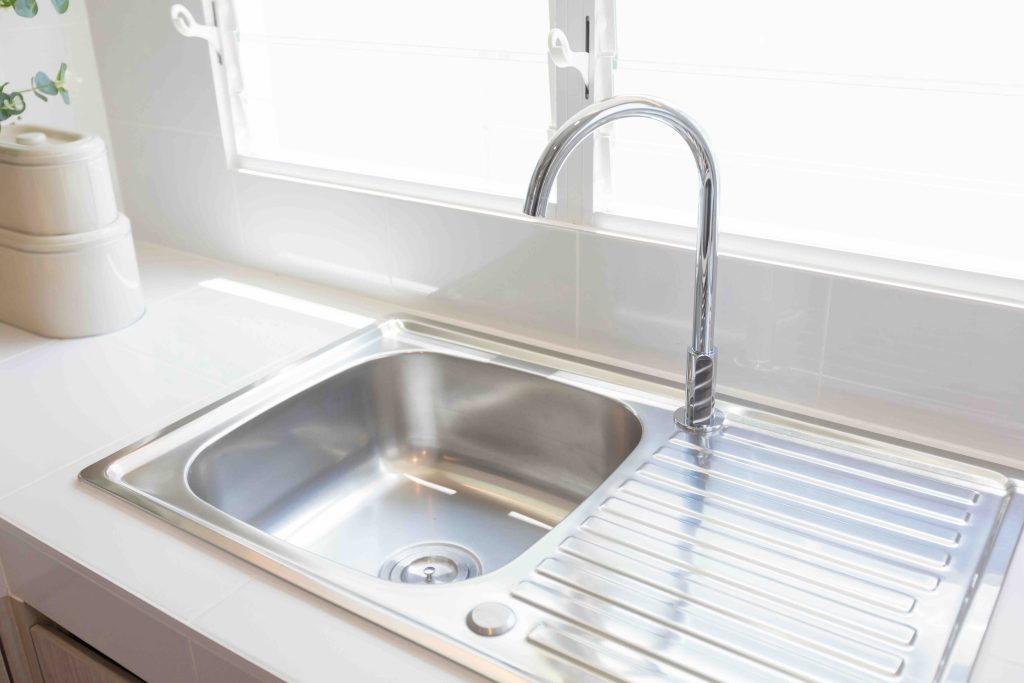
A garbage disposal, also called a food waste disposer, is an electrically powered appliance installed beneath your kitchen sink between the drain and the drain trap. Its job is to shred food waste into small enough particles that they can safely pass through your plumbing system. These units are standard in a huge number of American homes, and they quietly handle a significant share of daily kitchen cleanup. When they work, you barely think about them. When they stop working, you feel it immediately. Knowing what is inside helps you treat the unit better and make smarter calls when something feels off.
So Do Garbage Disposals Have Blades
Here is the part that surprises most people: no, garbage disposals do not have blades. Not in the traditional sense, anyway. There are no sharp, knife-like blades spinning inside your disposal unit. Instead, garbage disposals use a system of impellers, which are small blunt lugs or teeth mounted on a spinning metal plate called the grinding ring or grinding plate. When the motor runs, the plate spins at high speed. The impellers fling food waste outward against a stationary grind ring that lines the inside of the disposal chamber. That grind ring has a rough, jagged surface, and the combination of centrifugal force and repeated contact with that textured ring is what breaks food down. It is more like a grinding and pulverizing action than a cutting one.
How the Grinding Process Actually Works Step by Step
When you run water and flip the switch, here is what happens inside the unit:
- The motor spins the grinding plate at several thousand revolutions per minute
- Food waste drops onto the spinning plate and gets flung outward by centrifugal force
- The impellers on the plate push waste against the stationary grind ring on the chamber wall
- The grind ring breaks the waste into fine particles through repeated grinding and impact
- Water continuously flushes those particles down through the drain opening and into your plumbing
The entire process is more mechanical attrition than sharp-edge cutting. That is actually a good thing, because it means the unit is less likely to get jammed by soft materials and the components are designed to handle repeated, heavy use over time.
Key Advantages of Owning a Garbage Disposal
There is a reason these appliances are considered a standard kitchen feature in most modern homes. The convenience factor alone makes them worth having. Scraping plates directly into the sink without worrying about clogs, reducing how much organic waste ends up in your trash can, and cutting down on unpleasant odors from sitting food scraps are all real, daily benefits. Garbage disposals can also reduce your household’s contribution to landfill waste, since food processed through the disposal generally ends up in wastewater treatment facilities where it can be processed more sustainably than in a landfill. For busy households, the time savings add up faster than you expect.

Common Drawbacks and Limitations to Know
No appliance is perfect, and garbage disposals come with a few real limitations worth understanding before you put everything down the drain. Hard materials like bones, fruit pits, and shellfish shells can damage the grinding plate or jam the motor. Fibrous foods like celery, artichokes, and corn husks can wrap around the impellers and create serious blockages. Starchy foods like pasta and rice can swell and create thick paste-like clogs in your pipes over time. Grease and fats should never go down the disposal, regardless of how convenient it seems. And while disposals are not fragile, they do wear out. The motor can burn out, the grinding plate can degrade, and seals can leak. That brings up an important question about long-term costs.
What You Should and Should Not Put Down Your Disposal
Treating your disposal well starts with knowing what it can handle. Most food scraps that are soft and water-soluble are fine. Here is a general breakdown:
- Safe to grind: most cooked vegetables, fruit scraps without pits, small amounts of citrus peel, soft leftovers, ice cubes to help clean the chamber
- Avoid completely: grease, oil, fats, fibrous vegetables, hard bones, eggshells in large quantities, starchy foods like pasta or rice, coffee grounds in large amounts
Running cold water before, during, and after use also makes a significant difference in keeping the unit running cleanly and helping particles flush completely through the drain line.
How Long Do Garbage Disposals Last and When Should You Replace One
A well-maintained garbage disposal typically lasts somewhere between ten and fifteen years. Some units push past that range with minimal issues, while others start showing problems closer to the eight-year mark, particularly in homes with heavy daily use. Signs that your disposal may be approaching the end of its useful life include frequent resets being needed, persistent leaks from the unit itself, unusual grinding or rattling noises that do not clear up, lingering odors that cleaning does not resolve, and slower than normal processing of food waste. If you find yourself calling for repairs more than once or twice in a short period, replacement often makes more financial sense than continued service.
Garbage Disposals and Home Warranties What You Need to Know
This is where things get particularly relevant for homeowners thinking about protecting their budget. Garbage disposals are considered a built-in appliance, which means they often fall under home warranty coverage depending on your specific plan. Not every home warranty plan covers them automatically, so it is worth reviewing your coverage documents carefully. Some plans include them as part of appliance coverage, while others treat them as an add-on. When a disposal fails due to normal wear and mechanical breakdown, a home warranty can cover the cost of repair or replacement, which typically runs anywhere from one hundred fifty to four hundred dollars or more depending on the model and labor in your area. That kind of unexpected expense is exactly what a solid warranty plan is designed to absorb.
Why Armadillo Is the Right Choice for Protecting Your Kitchen Appliances
When your garbage disposal stops working mid-week during dinner prep, the last thing you want is confusion about your coverage or a slow response from a warranty company that is hard to reach. That is where Armadillo home warranty coverage for kitchen appliances and systems makes a genuine difference. Armadillo is built for homeowners who want straightforward protection without layers of fine print designed to find reasons not to pay. Garbage disposals, along with other critical home appliances, can be covered under plans that are priced transparently and designed to actually work when you need them. If you want to stop guessing what a repair will cost and start knowing you are covered, now is a good time to get a free home warranty quote for garbage disposal and appliance protection. Coverage that is clear, responsive, and built around real homeowner needs is not a luxury. It is just smart planning.

Frequently Asked Questions About Garbage Disposals
Answers to the most common questions homeowners have about garbage disposals, how they work, and how to protect them.
Do garbage disposals actually have blades inside?
No, garbage disposals do not have blades. They use blunt impellers mounted on a spinning grinding plate that flings food waste against a rough grind ring to break it down through grinding and impact rather than cutting.
Is it safe to put ice in a garbage disposal?
Yes, ice is one of the better things you can run through a disposal. It helps clean the grinding chamber, can sharpen or clean the impellers, and does not harm the unit in any way.
Why does my garbage disposal hum but not grind?
A humming disposal that does not spin usually means the grinding plate is jammed. Turn the unit off immediately and use an Allen wrench in the hex socket on the bottom of the unit to manually rotate the plate and free the jam before resetting.
Can eggshells go in the garbage disposal?
Occasionally and in small amounts, eggshells are generally fine. However, the membrane inside the shell can wrap around moving parts over time, so it is better to compost them or throw them away rather than making them a regular disposal item.
How often should I clean my garbage disposal?
Cleaning your disposal once a week is a reasonable target for most households. Running cold water with a small amount of dish soap or grinding a few ice cubes with coarse salt are both effective and easy methods.
Does a garbage disposal increase my water or electric bill significantly?
Not meaningfully. Garbage disposals use a small amount of electricity and require only a modest flow of cold water during operation. The impact on utility bills is considered negligible for the vast majority of households.
Are garbage disposals covered under home warranties?
Many home warranty plans do include garbage disposal coverage, either as part of appliance coverage or as an optional add-on. Coverage typically applies to mechanical failure and normal wear, so reviewing your specific plan terms is always a smart move.
What is the typical cost to replace a garbage disposal?
Replacement costs generally range from one hundred fifty to four hundred dollars or more, depending on the unit model and local labor rates. Higher-end units with stronger motors and better insulation can push that cost higher.
Can I install a garbage disposal myself?
A competent DIYer can install a standard garbage disposal, but it involves working with both plumbing connections and electrical wiring. If you are not comfortable with both, professional installation is the safer and more reliable option.
How do I know when it is time to replace my garbage disposal instead of repairing it?
If your unit is more than ten years old, requires frequent resets, leaks from the body rather than the connections, or makes persistent grinding noises despite clearing visible jams, replacement is usually the more cost-effective path forward.