LED Bulbs in Your Home: What Every Homeowner Should Know
Somewhere between replacing your third incandescent bulb in a month and squinting at a confusing aisle of lighting options at the hardware store, most homeowners arrive at the same question: is it finally time to switch everything to LED? The short answer is yes, and the longer answer is what this article is here to walk you through. LED lighting has quietly become one of the most impactful and cost-effective upgrades a homeowner can make, and understanding how it works, what it covers, and how it connects to your home warranty coverage puts you in a much stronger position as a homeowner.
What Exactly Is an LED Bulb and How Does It Work
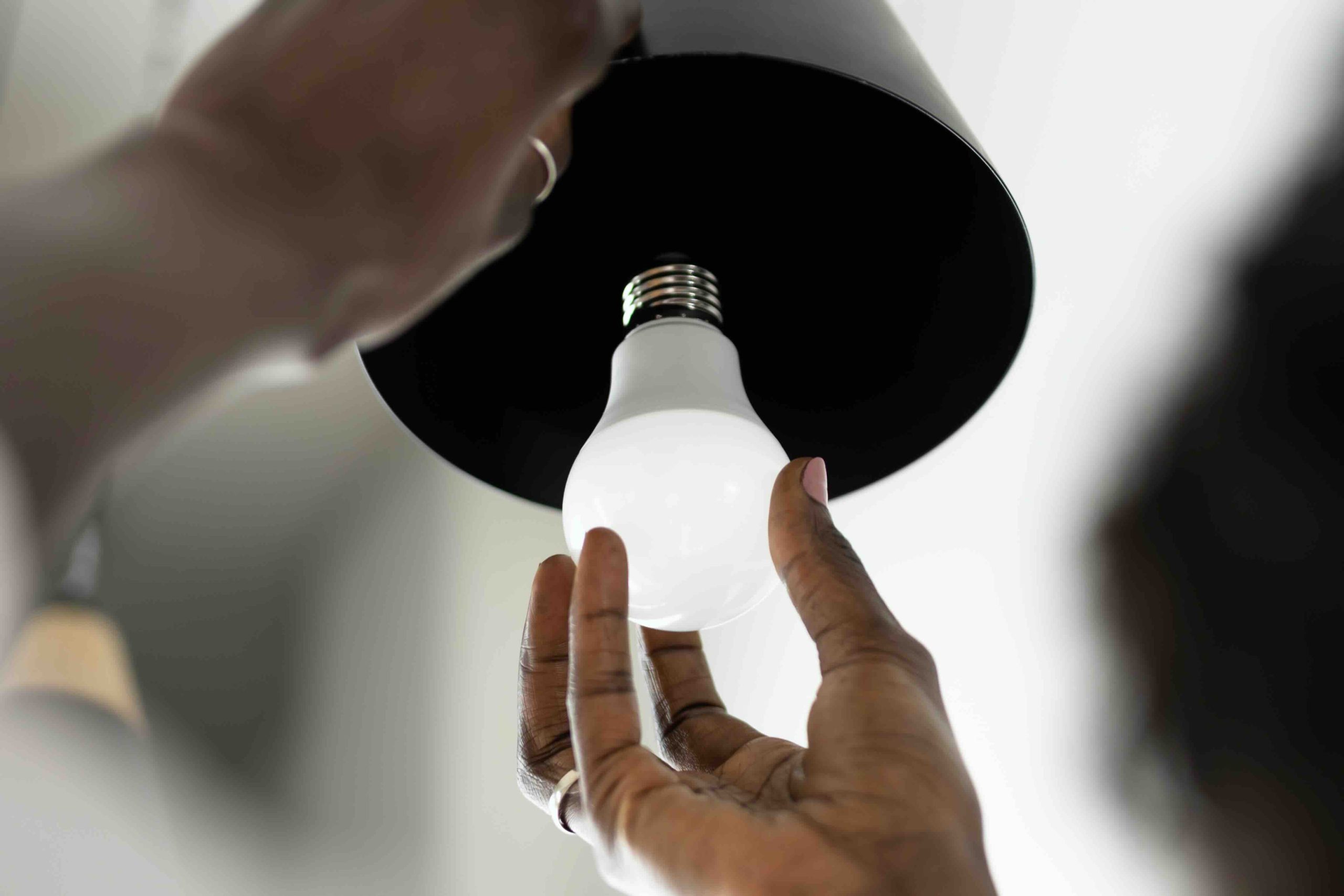
LED stands for light-emitting diode. Unlike traditional incandescent bulbs that heat a filament until it glows, LEDs produce light by passing an electrical current through a semiconductor material. That process generates very little heat and a significant amount of visible light, which is exactly why LEDs are so efficient. The technology has been around for decades in things like traffic lights and electronics, but it took time to scale for residential use in a way that felt natural and accessible. Today, LED bulbs are designed to fit standard light sockets, mimic the warm tones most people prefer, and last far longer than anything that came before them.
The Real Advantages of Switching to LED Lighting
The benefits of LED lighting are not just marketing language. They are measurable and they compound over time in ways that genuinely affect your energy bills and your home maintenance routine. Here is what consistently stands out:
- Energy savings of up to 75 percent compared to incandescent bulbs
- Lifespan of 15,000 to 50,000 hours depending on the bulb quality
- Significantly reduced heat output, which also eases strain on cooling systems
- Available in a wide range of color temperatures from warm white to daylight
- Dimmable options widely available for most standard dimmer switches
- Instant full brightness with no warm-up period required
When you look at a home that runs 30 or 40 light fixtures, the cumulative savings from switching to LED can be substantial across a single year. That is before factoring in how rarely you will need to replace them.
Common Drawbacks Homeowners Should Be Aware Of
LED lighting is not without its nuances. The upfront cost is higher than incandescent or CFL alternatives, which can feel like a barrier even though the long-term math works out in your favor. Some lower-quality LEDs produce light that feels harsh or unflattering, which is why paying attention to color temperature and CRI, which stands for color rendering index, matters more than most people realize. There is also the issue of compatibility. Older dimmer switches were designed for the higher wattage draw of incandescent bulbs, and pairing them with LEDs can cause flickering or buzzing. In some cases, you may need to replace the dimmer itself to get consistent performance. These are solvable problems, but they are worth knowing about before you swap out every bulb in the house at once.
How LED Lighting Connects to Your Home Electrical System
Here is where things get a little more layered for homeowners. LED bulbs themselves are simple, plug-and-play replacements in most cases. But the fixtures, wiring, and electrical infrastructure that power them are another matter entirely. If a fixture stops working after switching to LED, it is not always the bulb. It could be a wiring issue, a faulty socket, or a problem deeper in your electrical panel. Understanding that distinction is important because it affects what kind of help you need and what might be covered under a home warranty plan. Electrical systems are typically included in comprehensive home warranty coverage, which means issues with wiring, panels, and fixtures often qualify for service.

Grounding and Why It Matters for LED Performance and Safety
Grounding is one of those topics that does not come up often until something goes wrong, and then it becomes very relevant very quickly. A grounded electrical system provides a safe path for electricity to travel in the event of a fault, which protects both your appliances and the people in your home. Most modern homes are grounded, but older homes may have two-prong outlets or wiring that lacks a proper ground. LED fixtures in ungrounded systems can still function, but they may experience more electrical noise, reduced performance, or in some cases, safety risks. If you are in an older home and noticing inconsistent behavior from your lighting, a licensed electrician should evaluate the grounding situation before you invest heavily in new fixtures or smart lighting systems.
Smart LED Lighting and Home Integration
Smart LED bulbs have added a compelling layer to what was already a practical upgrade. These bulbs connect to your home Wi-Fi or a dedicated hub and allow you to control brightness, color temperature, and schedules directly from your phone or through voice assistants. For homeowners interested in energy management, smart LEDs let you automate lighting so rooms are never illuminated when they do not need to be. The integration with smart home ecosystems has become more seamless over the years, and many smart LED options now work reliably without needing a separate bridge device. The tradeoff is that smart bulbs cost more, and they do add a layer of technology complexity that standard LEDs simply do not have.
Practical Tips for Making the Switch to LED Throughout Your Home
If you are ready to transition your home fully to LED, a few practical considerations will help you do it more efficiently and with better results across the board. Start with the fixtures you use most, typically kitchens, living areas, and outdoor lighting, since those will deliver the fastest return on investment. Match the lumens, not just the wattage, when selecting replacements so brightness levels remain consistent. Check your dimmer switches and replace any that are not rated for LED use. Look for bulbs with a CRI of 90 or higher for spaces where accurate color representation matters. And keep a record of the bulbs you purchase, particularly the brand and model, so you can maintain consistency in color and brightness if you need to replace individual units later.
What Home Warranties Typically Cover Related to Lighting and Electrical
This is a question that comes up more than you might expect. Home warranties are designed to cover the repair or replacement of home systems and appliances that fail due to normal wear and tear. When it comes to lighting and electrical, coverage typically extends to the wiring, electrical panels, and in some plans, built-in fixtures. The bulbs themselves are generally considered consumable items and are not covered, similar to filters or batteries. However, if a fixture fails, if wiring behind a wall causes a lighting circuit to stop working, or if your electrical panel develops a fault that disrupts lighting throughout your home, those are the types of repairs where a home warranty plan can genuinely step in and provide financial protection.
Why Armadillo Is the Right Home Warranty Partner for LED and Electrical Coverage
When you invest in upgrading your home with LED lighting throughout, you are also thinking more carefully about the electrical infrastructure that supports it. That is exactly when having a dependable home warranty in place makes a real difference. Armadillo offers straightforward, homeowner-first coverage designed for people who want clarity without the fine-print surprises. If you are serious about protecting your home systems, explore Armadillo’s home warranty plans for electrical and appliance coverage to see how the coverage aligns with what your home actually needs. And if you want to see what protection looks like for your specific situation, you can get a free home warranty quote tailored to your home’s electrical systems and appliances in just a few minutes. Armadillo keeps things simple, honest, and built for the way real homeowners actually live.

Frequently Asked Questions About LED Bulbs, Home Electrical Systems, and Home Warranties
These are the questions homeowners most commonly ask when exploring LED lighting, grounding, and what their home warranty actually covers when electrical issues arise.
Are LED bulbs covered under a home warranty plan?
LED bulbs themselves are typically not covered because they are considered consumable items, similar to batteries or air filters. Home warranties are designed to cover systems and appliances that fail due to normal wear and tear, not individual replaceable components like bulbs.
What electrical issues are usually covered by a home warranty?
Most home warranty plans that include electrical coverage will address wiring failures, electrical panels, junction boxes, and in some cases built-in light fixtures. Coverage specifics vary by plan, so reviewing the terms carefully is always a good idea before assuming what is included.
Can switching to LED bulbs damage my existing fixtures?
In most cases, no. LED bulbs are designed to fit standard sockets and are compatible with the majority of residential fixtures. However, enclosed fixtures that trap heat, certain vintage-style fixtures, or incompatible dimmer switches can cause issues that reduce bulb performance or lifespan over time.
Why are my LED bulbs flickering after installation?
Flickering most commonly occurs when LED bulbs are paired with older dimmer switches not designed for low-wattage LED loads. It can also result from loose wiring, voltage fluctuations, or a fixture with a failing socket. If replacing the dimmer switch does not resolve it, an electrician should evaluate the circuit.
How do I know if my home’s electrical system is properly grounded?
The quickest way to check is to look at your outlets. Three-prong outlets typically indicate a grounded system, while two-prong outlets may signal an ungrounded circuit. A licensed electrician can confirm grounding with testing equipment and identify any circuits that may need upgrading.
Do LED bulbs work in all climates and outdoor environments?
Most LED bulbs are rated for outdoor use in standard residential conditions, but extreme cold or heat can affect performance. For outdoor fixtures, look for bulbs specifically rated for outdoor use with appropriate IP ratings that indicate resistance to moisture and dust.
How long should a quality LED bulb actually last in a home setting?
A quality LED bulb rated at 25,000 hours, used an average of three hours per day, would theoretically last over 22 years. Real-world performance varies based on fixture type, heat exposure, and power quality, but even under less ideal conditions, LED bulbs vastly outlast incandescent alternatives.
Is it worth upgrading to smart LED bulbs throughout the whole house?
It depends on your priorities. Smart LEDs offer genuine convenience and energy management benefits, but the per-bulb cost is significantly higher. A practical approach is to install smart bulbs in high-use areas like kitchens and living rooms and use standard LEDs in closets, laundry rooms, and utility spaces.
Can a home warranty help if my electrical panel fails and affects my lighting?
Yes. Electrical panel failures are typically covered under home warranty plans that include electrical system coverage. If the panel failure causes lighting circuits to stop functioning, the repair or replacement of the panel would generally fall within the scope of that coverage.
What is the difference between lumens and watts when choosing LED bulbs?
Watts measure energy consumption, while lumens measure the actual brightness produced. When switching to LED, matching lumens rather than watts ensures you get the same light output you are used to. A 10-watt LED can produce the same lumens as a 60-watt incandescent, which illustrates just how efficient the technology has become.