What Are Exterior Outlet Boxes and Why Does Your Home Need Them?
If you have ever tried to plug in a string of holiday lights, power a pressure washer, or run an extension cord to a garden tool, you already understand the value of having an accessible outdoor power source. Exterior outlet boxes, sometimes called outdoor electrical boxes or weatherproof outlet enclosures, are the protective housings that allow standard electrical outlets to function safely outside your home. They shield the outlet from rain, dust, moisture, and debris while keeping everything up to code. It sounds simple enough, and in many ways it is, but there is a lot more going on inside that weatherproof cover than most homeowners realize.
How Exterior Outlet Boxes Actually Work
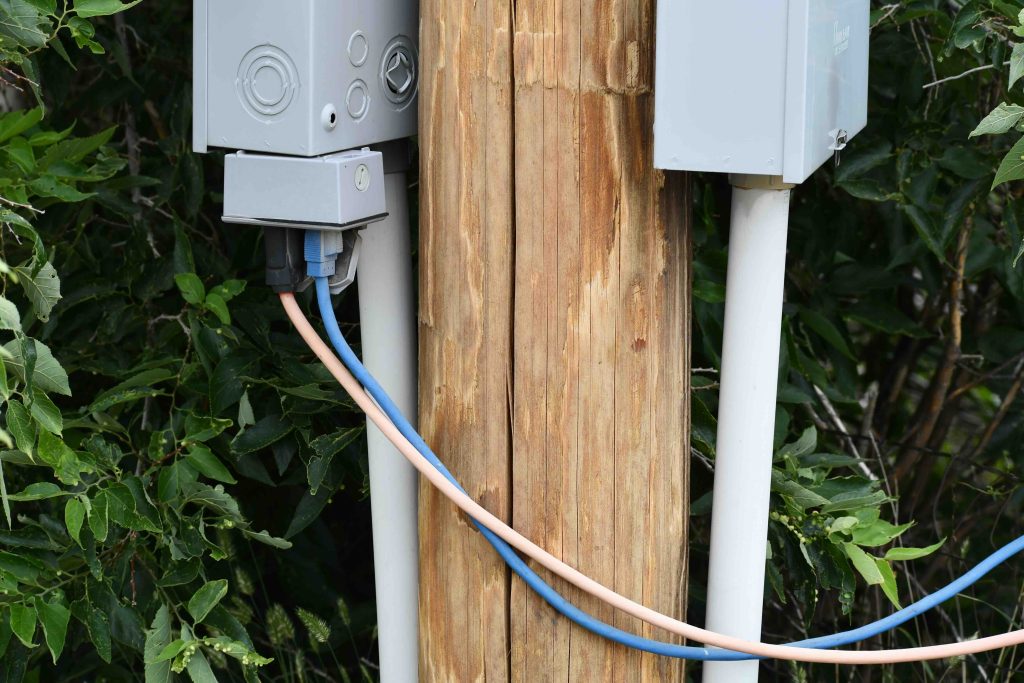
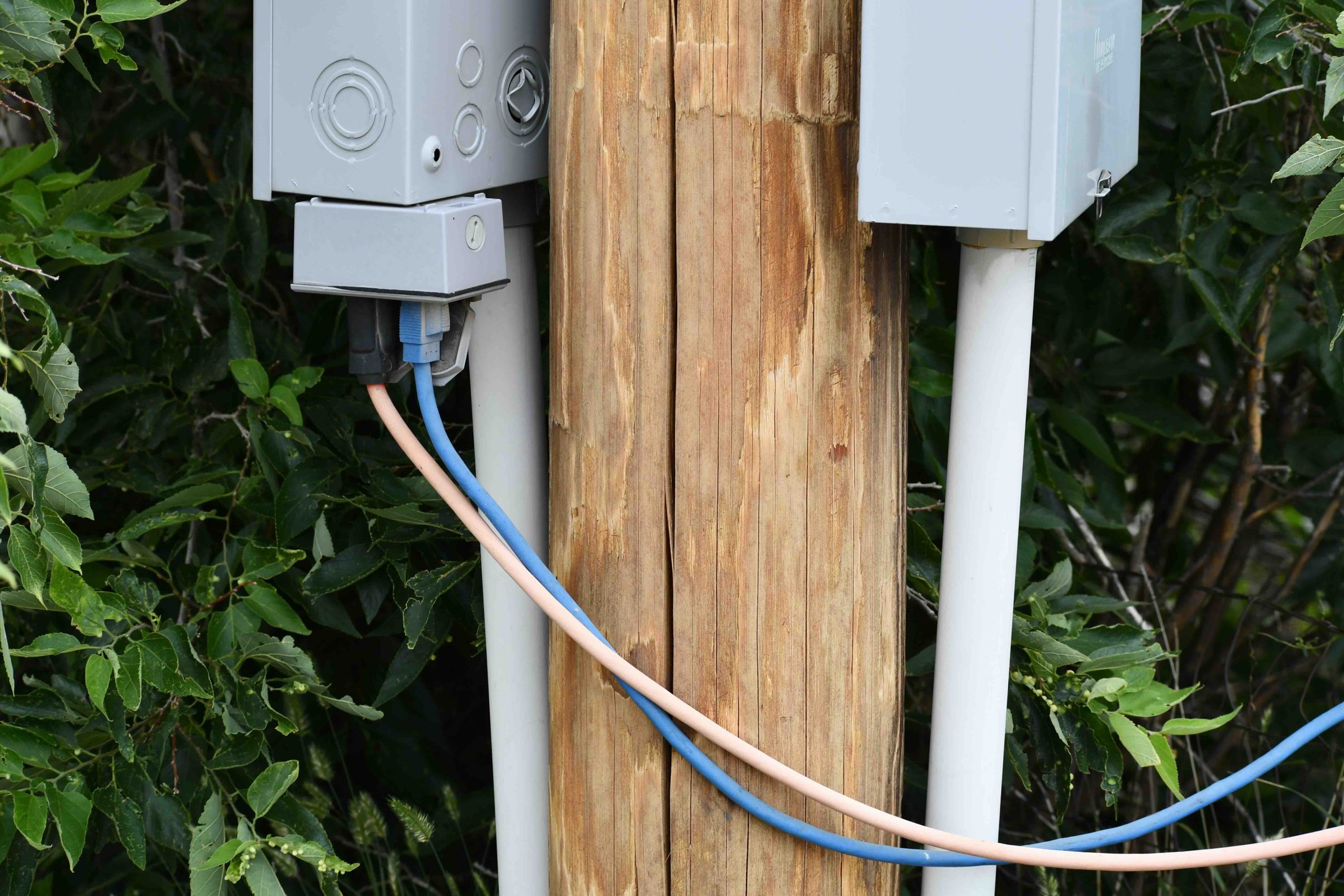
An exterior outlet box is essentially a sealed or gasketed enclosure mounted to the exterior wall of your home. Inside the box, a standard duplex outlet is wired into your home’s electrical system, typically through a dedicated circuit. The box itself is made from materials designed to resist corrosion and UV exposure, usually PVC plastic or die-cast aluminum. A spring-loaded or hinged cover protects the outlet when it is not in use, and a rubber gasket creates a seal against moisture intrusion. For outlets that need to remain powered while something is plugged in, in-use covers, sometimes called bubble covers or while-in-use covers, extend outward enough to accommodate a cord and still seal around it. The outlet inside these boxes must be a ground fault circuit interrupter, or GFCI, type. GFCI outlets detect imbalances in electrical current and cut power within milliseconds, which is critical in outdoor environments where water contact is always a possibility.
The Key Components You Should Know About
Understanding what makes up a properly installed exterior outlet box can help you identify issues before they become expensive problems. Here is a quick breakdown of the core components involved:
- The electrical box itself, typically a weatherproof single-gang or double-gang enclosure
- A GFCI outlet rated for outdoor use
- A weatherproof or in-use cover plate with a gasket seal
- Weatherproof conduit or correct cable type running from the interior circuit
- A proper grounding connection tied back to your home’s electrical panel
Each of these components works together to ensure that power delivery outdoors is both functional and safe. If any single piece is compromised, the entire installation can become a code violation or a safety hazard.
Advantages of Having Properly Installed Exterior Outlet Boxes
The convenience factor alone makes exterior outlet boxes worth the investment, but the benefits go well beyond just having a place to plug things in. A properly installed outdoor outlet increases the usability of your yard, patio, deck, or garage significantly. You can power outdoor speakers, landscape lighting, power tools, electric grills, and seasonal decorations without running cords through windows or propping doors open. From a home value standpoint, having multiple functional and code-compliant exterior outlets is a genuine selling point, particularly in markets where outdoor living space is a priority. There is also a safety dimension that cannot be overstated. A well-installed GFCI-protected exterior outlet is far safer than daisy-chaining extension cords from an interior outlet through a cracked window or door. That kind of improvised setup creates fire and shock risks that a proper outdoor outlet eliminates entirely.

Common Drawbacks and Limitations to Be Aware Of
Like any home improvement or system component, exterior outlet boxes come with their own set of challenges. Weatherproofing degrades over time. Gaskets dry out, covers crack from UV exposure, and the spring mechanisms in outlet covers can weaken to the point where the cover no longer seals properly. Moisture infiltration is the most common issue, and it can lead to outlet failure, tripped GFCI breakers, or in more serious cases, corrosion inside the box that creates a shock hazard. In colder climates, freeze-thaw cycles can cause the box itself to shift or crack, especially if it was not installed with proper backing. Pest intrusion is another issue that does not get talked about enough. Insects, spiders, and even small rodents have been known to nest inside exterior outlet boxes, which can damage wiring and cause shorts. Regular inspection and a properly sealed installation go a long way toward preventing these problems.
Code Requirements and Permits: What Homeowners Need to Know
Installing or replacing an exterior outlet box is not always a DIY-friendly project, depending on your local jurisdiction. Most areas require that outdoor electrical work be permitted and inspected, even if the job seems minor. The National Electrical Code, which most local codes are based on, mandates GFCI protection for all outdoor outlets, a minimum height above grade for outlet placement, and specific requirements for the type of cable or conduit used in outdoor and in-wall runs. Permits exist to protect you, not to create bureaucratic friction. An uninspected electrical installation can complicate things significantly when you go to sell your home or file an insurance claim. When in doubt, hire a licensed electrician and pull the appropriate permits. The upfront cost is worth it for the peace of mind and the protection it provides.
How Many Exterior Outlets Does a Home Actually Need?
There is no universal answer, but most home improvement professionals and code guidelines suggest thinking about your home’s footprint and how you use your outdoor spaces. Front yards, back patios, garages, and side yards each represent zones where power access is useful. A minimum of two exterior outlets, one in the front and one in the rear, is common in newer construction. Larger homes with expansive outdoor living areas, detached garages, or outbuildings may warrant additional circuits and multiple outlets per zone. Consider how you entertain, how large your yard is, and what kind of tools or equipment you use regularly. Planning for more outlets than you think you need is almost always a smarter move than adding them after the fact.
Maintenance Tips to Keep Your Exterior Outlets Running Safely
Routine maintenance on exterior outlet boxes is straightforward but easy to overlook. Here are some practical steps every homeowner should take:
- Inspect covers and gaskets at least once a year, ideally in spring before heavy outdoor use begins
- Press the test and reset buttons on GFCI outlets to confirm they are functioning correctly
- Check for signs of corrosion, discoloration, or burning around the outlet face
- Clear debris, spider webs, and any nesting material from around and inside the box
- Replace cracked or brittle covers immediately to maintain weatherproofing
These small maintenance habits can extend the life of your exterior outlets substantially and help you catch problems before they escalate into safety issues or costly repairs.
When to Call a Professional Versus Handling It Yourself
Replacing a worn cover plate or resetting a tripped GFCI is well within the ability of most homeowners. Anything that involves running new wiring, adding a circuit, or relocating an outlet is a different matter. Those tasks require knowledge of load calculations, proper wire gauge, conduit routing, and local code compliance. Attempting them without that background can result in failed inspections, voided homeowner’s insurance coverage, or genuine safety hazards. If your outdoor outlet is sparking, not holding a reset, or has visible damage to the wiring, those are immediate calls for a licensed electrician. Do not wait on electrical issues. They rarely resolve on their own and tend to get worse with exposure to the elements.
How a Home Warranty Can Help Protect Your Exterior Electrical Systems
Here is where things get practical. Exterior outlet boxes are part of a larger electrical system that, like every system in your home, is subject to wear, unexpected failure, and the occasional costly repair. A home warranty plan that covers exterior electrical outlets and wiring systems can make a real difference when something goes wrong outside your walls. Armadillo offers coverage designed to take the financial sting out of those moments, whether it is a failed GFCI outlet, a wiring issue traced back to an exterior box, or related electrical system repairs. If you want to understand exactly what is covered before anything goes wrong, you can get a customized home warranty quote for outdoor and electrical system coverage in just a few minutes. Armadillo is built around transparency and real protection, not fine print designed to frustrate you when you need help the most.

Frequently Asked Questions About Exterior Outlet Boxes
Here are answers to some of the most common questions homeowners ask about exterior outlet boxes and outdoor electrical systems.
Do exterior outlet boxes require GFCI outlets?
Yes. The National Electrical Code requires GFCI protection for all outdoor outlets. This applies to new installations as well as replacements. GFCI outlets protect against shock by cutting power the moment a ground fault is detected.
Can I install an exterior outlet box myself?
Replacing a cover plate or resetting an outlet is generally a homeowner-level task. However, installing a new outlet, running wiring, or adding a circuit typically requires a permit and a licensed electrician to ensure it meets local code requirements.
How do I know if my exterior outlet box is weatherproof?
Look for an in-use or bubble-style cover that extends over the outlet even when a cord is plugged in. The cover should have a rubber or foam gasket around its perimeter to seal out moisture. If the cover is flat and does not accommodate a plug while closed, it is not a proper outdoor-rated in-use cover.
Why does my outdoor GFCI outlet keep tripping?
Frequent tripping is usually caused by moisture intrusion, a damaged appliance plugged into the circuit, overloading the outlet, or a wiring fault somewhere in the circuit. If resetting does not resolve the issue, a licensed electrician should inspect the outlet and its wiring.
What is the difference between a weatherproof box and a while-in-use cover?
A weatherproof box refers to the enclosure that houses the outlet, while a while-in-use cover is the cover plate designed to remain sealed around a cord that is actively plugged in. Both are required for a fully compliant and safe outdoor outlet installation.
How far off the ground should an exterior outlet be installed?
The National Electrical Code requires outdoor outlets to be at least 6.5 feet above grade when installed in certain locations, though requirements can vary based on placement and local amendments. Outlets near grade level, such as those in patios, have specific height and cover requirements as well.
Are exterior outlet boxes covered under a standard home warranty?
Coverage varies by provider and plan. Some home warranty plans include electrical system components such as wiring, outlets, and panels. It is important to review your specific contract language to confirm what is and is not covered before a problem occurs.
How often should exterior outlet boxes be inspected?
At minimum, inspect outdoor outlets once per year. A good practice is to check them at the start of spring when outdoor use picks up. Look for cracked covers, worn gaskets, corrosion, and any discoloration around the outlet face that might indicate heat damage or moisture intrusion.
Can cold weather damage exterior outlet boxes?
Yes. Freeze-thaw cycles can crack plastic enclosures, degrade gaskets, and cause mounting hardware to shift. In colder climates, choosing boxes rated for low-temperature performance and ensuring proper installation with solid backing can reduce weather-related wear significantly.
What should I do if I see sparks or smell burning near an outdoor outlet?
Turn off the circuit at your electrical panel immediately and do not use the outlet again until a licensed electrician has inspected it. Sparking and burning odors near any electrical component are serious warning signs that should never be ignored or delayed.