Why Replacing a Kitchen Faucet Is One of the Smartest Home Upgrades You Can Make
There is something quietly frustrating about a kitchen faucet that drips, wobbles, or just looks like it belongs in a different decade. It is one of those things you notice every single day but somehow keep putting off. The truth is, replacing a kitchen faucet is one of the more approachable home improvement projects out there, and the payoff, in terms of function, aesthetics, and even water savings, is genuinely worth the effort. Whether you are planning to do it yourself or calling in a plumber, understanding what the process involves puts you in a much better position to make smart decisions.
What Replacing a Kitchen Faucet Actually Involves
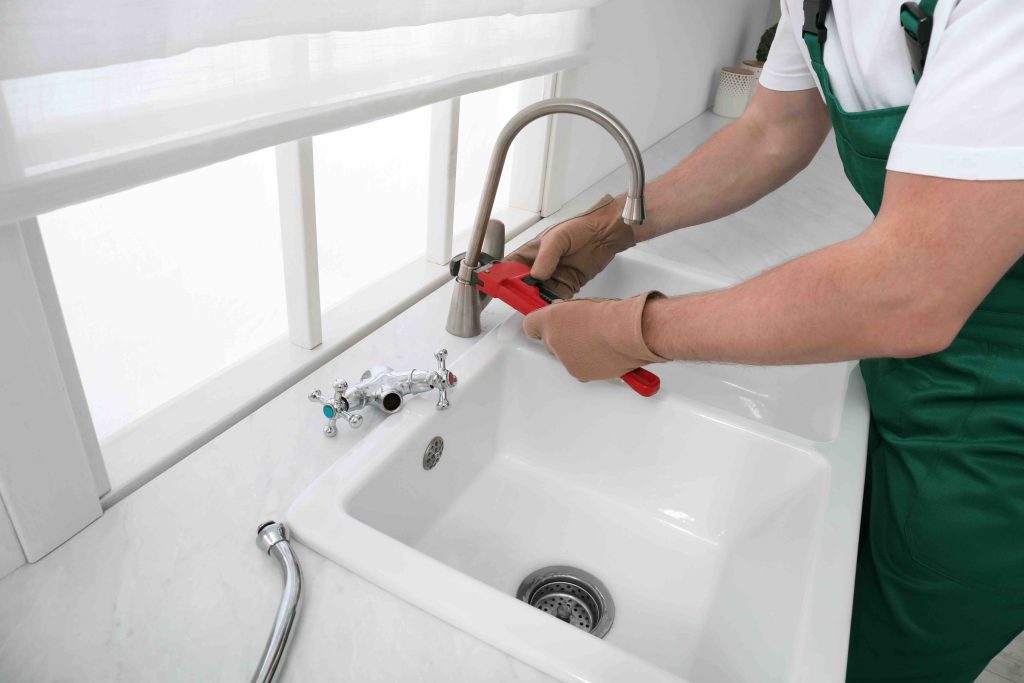
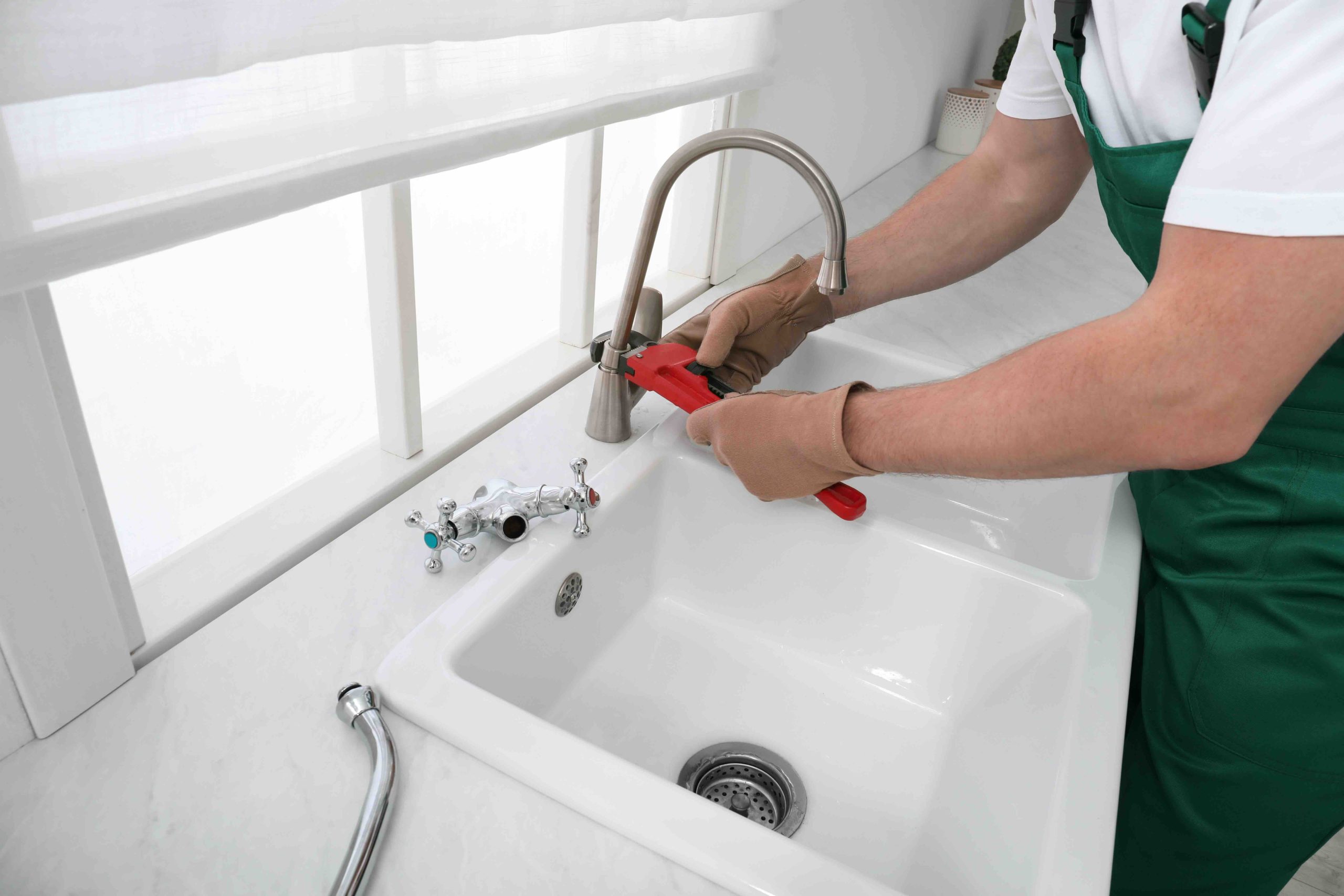
At its core, replacing a kitchen faucet means disconnecting your old fixture from the water supply lines and sink, then installing a new one in its place. Sounds simple enough, and often it is. The basic anatomy of a kitchen faucet includes the spout, handle or handles, the deck plate if your sink has multiple holes, supply lines that connect to your shutoff valves, and the mounting hardware that holds everything in place. What makes some replacements straightforward and others more involved comes down to factors like your sink configuration, the condition of your existing plumbing connections, and whether the new faucet matches your sink’s hole spacing. If you are swapping like for like, the process is usually clean and manageable. If you are upgrading to a different style or configuration, a little extra planning goes a long way.
Types of Kitchen Faucets to Know Before You Shop
Walking into a home improvement store without knowing what you need is a fast way to feel overwhelmed. Kitchen faucets fall into a few main categories, and knowing the differences helps you narrow things down quickly.
- Single-hole faucets combine the spout and handle into one unit and require only one mounting hole in your sink.
- Two-handle faucets use separate controls for hot and cold water and typically require three holes.
- Pull-down and pull-out faucets feature a spray head that extends from the spout, which is useful for rinsing and filling large pots.
- Touchless or motion-activated faucets offer hands-free operation, which is genuinely convenient when your hands are covered in raw chicken or bread dough.
- Bridge faucets have a more traditional, vintage aesthetic where both handles connect to the spout via an exposed bridge.
The right choice depends on your sink, your kitchen style, and how you actually use the space. A busy home cook has different needs than someone who mostly reheats leftovers.
The Key Benefits of Replacing Your Kitchen Faucet
There are real, tangible reasons to replace an aging kitchen faucet beyond just wanting something that looks nicer. Modern faucets are built with water efficiency in mind. Many are WaterSense certified, meaning they use no more than 1.8 gallons per minute compared to older models that might run at 2.5 gallons per minute or more. Over time, that adds up to meaningful savings on your water bill. Beyond efficiency, a new faucet simply performs better. Improved valve technology means fewer drips, smoother handle operation, and better pressure control. If you currently have a faucet that spits, sputters, or requires a particular technique to get the temperature right, a replacement is going to feel like a revelation. There is also the matter of water quality. Older faucet components can corrode internally, and that corrosion has a way of showing up in your water. A new fixture eliminates that concern entirely.

Common Challenges Homeowners Face During Faucet Replacement
Here is where things get honest. Replacing a kitchen faucet is manageable, but it is not always without complications. The most common issue is corroded or stuck supply line connections. If your faucet has been in place for ten or fifteen years, those nuts may not want to budge. A basin wrench and a little penetrating lubricant usually help, but stripped connections can occasionally require a plumber’s intervention. Another frequent challenge is discovering that your new faucet does not match your sink’s existing hole configuration. This might mean purchasing a deck plate to cover extra holes or, in some cases, having the sink modified. Water damage under the sink is also something to watch for. When you pull the old faucet, you might find soft cabinet flooring or signs of slow leaks that had been quietly doing damage for a while. That kind of discovery is actually good news in the long run, because you caught it before it became a much bigger problem.
DIY vs. Hiring a Plumber: Making the Right Call
A lot of homeowners successfully replace kitchen faucets themselves, and there is genuine satisfaction in pulling that off. If you are comfortable with basic tools, following instructions carefully, and have a little patience for working in cramped spaces under the sink, a DIY replacement is entirely reasonable. Most manufacturers include detailed installation guides, and video tutorials are widely available. That said, there are situations where calling a licensed plumber is the smarter move. If your shutoff valves are corroded or no longer functioning properly, if you are dealing with older galvanized pipe, or if your sink configuration requires significant modification, professional help saves time and prevents costly mistakes. The average cost of professional faucet installation ranges from roughly $100 to $300 in labor, depending on your region and the complexity of the job. When you weigh that against potential water damage from an improper installation, it is often money well spent.
What to Look for in a Quality Kitchen Faucet
Not all faucets are created equal, and the range in quality is significant. Solid brass construction is generally the gold standard for durability and longevity, while chrome or stainless steel finishes offer corrosion resistance. Ceramic disc valves are far superior to older rubber seat and washer designs because they create a near-watertight seal that holds up over hundreds of thousands of uses without dripping. When reviewing product specs, look for faucets backed by a lifetime limited warranty from the manufacturer. That is a strong signal that the brand stands behind its product. Flow rate, finish durability, and ease of installation are all worth comparing before you commit to a purchase. Spending a little more upfront on a reputable brand typically means fewer headaches over the life of the fixture.
How a Home Warranty Fits Into Kitchen Plumbing Protection
This is a piece of the puzzle that homeowners frequently overlook. A home warranty plan is a service contract that covers the repair or replacement of major home systems and appliances when they break down due to normal wear and tear. Plumbing systems are one of the most commonly covered categories. While a home warranty does not typically cover cosmetic upgrades like choosing to replace a perfectly functional faucet with a newer model, it can cover failures related to your kitchen’s plumbing infrastructure, including issues with supply lines and internal plumbing components that lead to a necessary replacement. Understanding what your coverage includes before something goes wrong means you are not scrambling to figure out your options at the worst possible moment.
Practical Tips for a Smoother Faucet Replacement
- Turn off the water supply at the shutoff valves under the sink before starting any work, and run the faucet to release any remaining pressure in the lines.
- Take photos of your existing connections before disconnecting anything. It sounds obvious, but having a reference saves time when reassembling.
- Keep a bucket and towels nearby. There will be residual water in the lines even after shutoff.
- Check your sink’s hole configuration before purchasing a new faucet to avoid compatibility issues.
- Use plumber’s tape on threaded connections to create a reliable, leak-resistant seal.
- After installation, turn the water supply back on slowly and inspect every connection point for drips before declaring the job complete.
Why Armadillo Is the Home Warranty Partner Worth Having in Your Corner
Kitchen plumbing issues have a way of showing up without any warning, and the costs can climb quickly when they do. That is exactly the kind of situation where having reliable home warranty coverage changes everything. Armadillo is built around the idea that homeowners deserve straightforward protection without the fine print runaround. If you are looking for a home warranty plan that covers kitchen plumbing systems and appliances, Armadillo offers transparent coverage designed to actually work when you need it most. The plans are easy to understand, the service is responsive, and there are no unpleasant surprises when it comes time to file a claim. You can take a few minutes right now to get a free home warranty quote for kitchen faucet and plumbing protection and see exactly what coverage looks like for your home. When your kitchen plumbing eventually demands attention, and at some point it will, you will be glad that decision was already made.

Frequently Asked Questions About Replacing a Kitchen Faucet
Answers to the questions homeowners ask most often about kitchen faucet replacement, from cost and compatibility to home warranty coverage and installation tips.
How long does it take to replace a kitchen faucet?
For most homeowners with basic plumbing familiarity, a straightforward kitchen faucet replacement takes between one and two hours. If complications arise, such as corroded connections or unexpected plumbing issues, the process can take longer.
How much does it cost to replace a kitchen faucet?
The total cost depends on the faucet you choose and whether you hire a professional. Faucets range from around $50 to well over $500. Professional installation typically adds $100 to $300 in labor costs, making the full project range roughly $150 to $800 or more.
Can I replace a kitchen faucet without turning off the main water supply?
Yes, in most cases you can use the shutoff valves located directly under the sink to stop water flow to the faucet without shutting off the main supply to the house. If those valves are non-functional, you will need to shut off the main.
Does a home warranty cover kitchen faucet replacement?
Home warranty coverage for kitchen faucets varies by provider and plan. Many plans cover plumbing systems, which may include components that lead to a necessary faucet replacement due to failure. Cosmetic or elective upgrades are generally not covered.
What tools do I need to replace a kitchen faucet?
The most important tool is a basin wrench, which allows you to reach the mounting nuts in the tight space under the sink. You will also need adjustable pliers, a bucket, towels, plumber’s tape, and possibly penetrating lubricant for stuck connections.
How do I know if my new faucet will fit my sink?
Check your sink’s hole configuration before purchasing. Most sinks have one, two, or three holes, and your new faucet needs to match or accommodate that layout. Many faucets include a deck plate that covers extra holes if needed.
What is the best material for a kitchen faucet?
Solid brass bodies with ceramic disc valves are widely considered the most durable combination. Brass resists corrosion and handles temperature fluctuations well, while ceramic disc valves provide a long-lasting, drip-resistant seal.
How often should a kitchen faucet be replaced?
A quality kitchen faucet can last 15 to 20 years with proper maintenance. Signs that replacement may be warranted include persistent dripping that cannot be repaired, visible corrosion, low pressure that cleaning cannot fix, or outdated components that are no longer serviceable.
Is replacing a kitchen faucet a good DIY project for beginners?
It is considered one of the more beginner-friendly plumbing projects. If your shutoff valves work properly and your sink configuration is compatible with the new faucet, a careful first-timer can complete the job successfully with the right tools and a detailed installation guide.
Can a leaking kitchen faucet cause water damage?
Yes. Even a slow drip can cause significant damage over time, including warped cabinet flooring, mold growth, and damage to the cabinetry itself. Addressing a failing faucet promptly is always less expensive than dealing with the downstream effects of water damage.