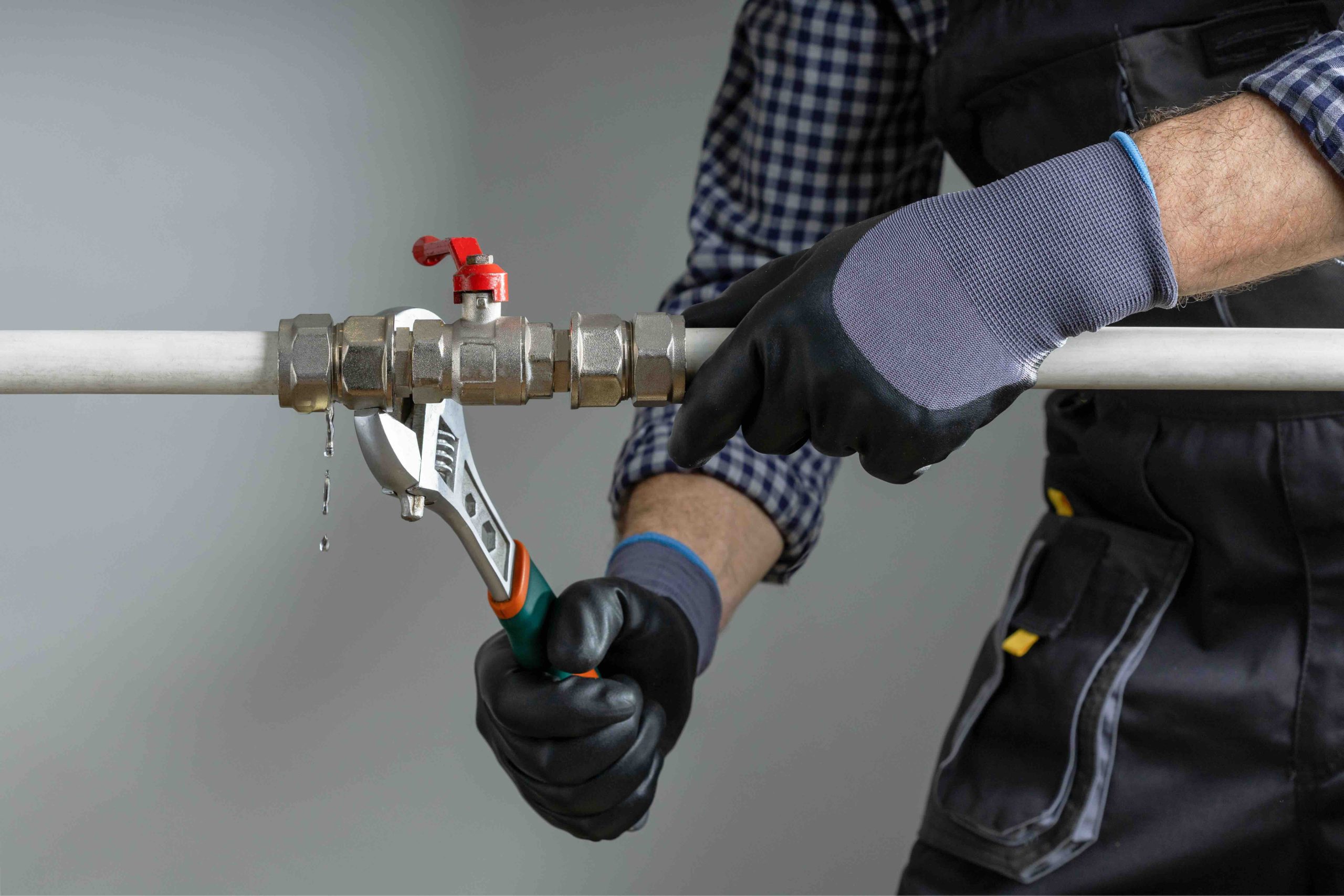
That Dripping Outdoor Spigot Is Trying to Tell You Something
There is something almost easy to ignore about a leaky hose spigot. It is outside, it is small, and compared to a burst pipe or a failing HVAC system, it barely registers as a problem. But here is the thing: that steady drip is not just annoying. It is wasting water, potentially damaging your foundation or siding, and quietly signaling that something mechanical has worn down. A leaky outdoor faucet, also called a hose bib or spigot, is one of those home issues that rewards early attention and punishes delay. This guide covers everything you need to know, from what causes the leak to how to fix it, and what role your home warranty might play in the process.
What Is a Hose Spigot and How Does It Work
An outdoor hose spigot is a valve mounted on the exterior of your home that connects to your indoor plumbing supply line. Turn the handle and water flows out. Turn it back and a stem washer or cartridge compresses against a valve seat inside the body of the faucet, stopping the flow. That mechanical relationship, repeated hundreds of times over the years, is exactly what causes wear. Older spigots use a compression valve design, meaning they rely on rubber washers that degrade over time. Newer frost-free spigots have a longer stem that shuts off water further back inside the wall, reducing freeze risk, but they still use similar internal components. Both types are vulnerable to leaks when washers crack, packing nuts loosen, or the valve seat corrodes. Understanding this basic anatomy makes it much easier to diagnose where the leak is coming from and what fix it actually needs.
Common Causes Behind a Leaky Outdoor Faucet
Not every spigot leak has the same source, and knowing the difference saves time. A leak dripping from the spout when the faucet is off usually points to a worn washer or faulty cartridge. Water seeping around the handle or packing nut suggests the packing material inside has deteriorated. A leak where the spigot meets the house wall could mean the pipe connection has loosened or the fitting has corroded. Freeze damage is another major contributor, especially in climates with harsh winters. If water is left sitting inside a non-frost-free spigot when temperatures drop, it expands and can crack the internal components or the body of the faucet itself. That crack might not reveal itself until spring. In all these cases, the damage is mechanical and progressive. Left alone, a small drip becomes a steady flow and a simple washer swap becomes a full spigot replacement.
How to Diagnose the Leak Before You Start Repairs
Before reaching for a wrench, take two minutes to observe the leak closely. Note exactly where the water is appearing and when. Is it dripping only when the faucet is on, only when it is off, or constantly? Run your hand around the spigot body, the connection point at the wall, and the handle area while the faucet is in both positions. A dry paper towel pressed against different surfaces can help you pinpoint moisture that is otherwise hard to see. This quick diagnostic step tells you whether you are dealing with an internal valve issue, a packing problem, or an external fitting leak. It also helps you communicate clearly with a plumber if you decide professional help is the right call. Good information upfront leads to faster repairs and more accurate estimates.

Step-by-Step Guide to Fixing a Leaky Hose Spigot
Many outdoor faucet repairs are well within the reach of a handy homeowner. Here is a straightforward approach to the most common fix, which is replacing a worn stem washer.
- Turn off the water supply to the outdoor faucet at the shutoff valve, typically located in the basement or crawl space near where the pipe exits the wall.
- Open the spigot to release any remaining pressure and let residual water drain out.
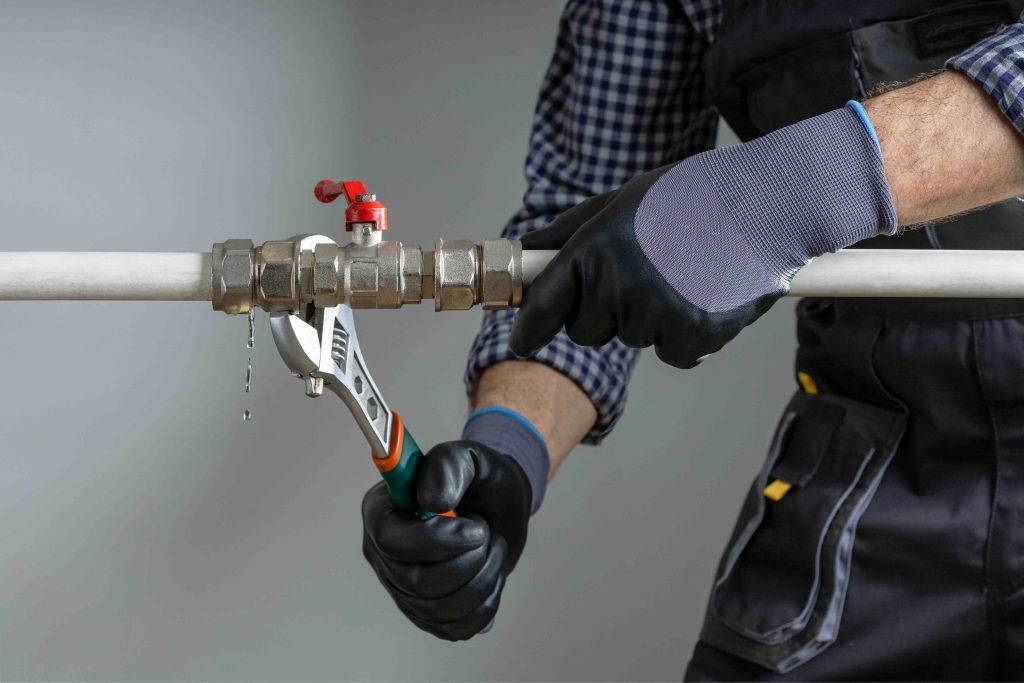
- Use an adjustable wrench to remove the packing nut located just behind the handle.
- Pull the stem out of the faucet body. At the end of the stem you will find a rubber washer held in place by a small brass screw.
- Remove the old washer, note its size and shape, and bring it to a hardware store to find an exact match.
- Install the new washer, reassemble the stem and packing nut, restore water supply, and test for leaks.
If the washer looks fine but water is still escaping around the handle, try tightening the packing nut slightly before reassembling. If the faucet body is visibly cracked or corroded, or if the leak persists after replacing the washer, it is time to replace the entire spigot unit.
When to Call a Professional Plumber Instead
There is a point where a DIY repair can make things worse rather than better. If the spigot is deeply corroded, if the connection inside the wall is leaking, or if the pipe attached to the spigot has sustained freeze damage, professional intervention is the right move. Plumbers have the tools and experience to replace a hose bib without damaging the surrounding wall or supply line, which can be genuinely tricky depending on how the pipe is routed and what access looks like. Frost-free spigot replacements also require working inside the wall cavity, which adds complexity. The cost of professional spigot repair or replacement is generally modest, but it is a real expense, and that is where home warranty coverage can shift the financial equation meaningfully.
Key Advantages of Fixing a Leaky Spigot Promptly
The case for acting quickly is strong. A dripping outdoor faucet can waste thousands of gallons of water annually, which adds up on your utility bill faster than most homeowners expect. Beyond the water bill, moisture collecting at the foundation or behind exterior siding creates conditions for mold, wood rot, and structural damage that cost far more to remediate than a simple faucet repair. There is also the matter of water pressure. A compromised spigot can affect flow and efficiency throughout that branch of your plumbing system. Early repair is almost always cheaper, faster, and less disruptive than delayed repair.
Potential Drawbacks and Complications to Know About
Even straightforward spigot repairs carry some risk of complication. Older plumbing connections can be brittle, meaning that applying torque during a repair can crack a fitting that was holding together just fine before. If the supply line uses galvanized pipe, corrosion may have compromised the integrity of the surrounding pipe, not just the faucet. Working in tight spaces around the house exterior can also make proper leverage difficult. And if a frost-free spigot was improperly installed at the wrong angle, water may pool inside it rather than drain back toward the valve, accelerating internal corrosion. These are not reasons to avoid the repair, but they are reasons to approach it thoughtfully and recognize when a situation has moved beyond a basic fix.
Preventive Maintenance Tips for Outdoor Faucets
Taking care of your hose spigots proactively extends their lifespan significantly. A few simple habits make a real difference.
- Disconnect garden hoses before the first freeze each season. Hoses left attached trap water in the spigot and dramatically increase freeze damage risk.
- Install insulated faucet covers on all outdoor spigots before winter. These inexpensive covers are widely available and provide meaningful protection.
- Turn off the interior shutoff valve to outdoor spigots in the fall if you live in a cold climate, then open the outdoor valve to drain residual water.
- Inspect all outdoor spigots at the start of spring as part of your regular home maintenance walkthrough, looking for any signs of dripping, corrosion, or physical damage.
- Replace rubber washers as a preventive measure every few years, especially if a spigot gets heavy seasonal use.
How Armadillo Home Warranty Coverage Supports Plumbing Repairs Like This
When a leaky hose spigot turns into a bigger plumbing repair, having the right protection in place makes an enormous difference. Armadillo home warranty plans that cover outdoor plumbing and hose spigot repairs are designed to take the financial sting out of exactly these situations. Armadillo focuses on covering the systems and appliances homeowners actually depend on, with straightforward terms and a claims process that does not feel like navigating a maze. Plumbing is one of the more common and costly categories of home repair, and outdoor faucets are part of that picture. If you are thinking about whether your current coverage is actually protecting you, now is a good time to take a closer look. You can get a free home warranty quote for plumbing coverage and outdoor faucet protection in just a few minutes and see exactly what your plan would include. Armadillo is built for homeowners who want real protection without the fine print surprises, and that is the kind of coverage worth having before something starts dripping.

Frequently Asked Questions About Fixing a Leaky Hose Spigot
Why is my outdoor faucet dripping when it is turned off?
A drip that continues after the faucet is off usually means the internal washer or cartridge has worn out and is no longer sealing properly against the valve seat. Replacing the washer is typically the first repair to attempt.
How much does it cost to fix a leaky outdoor spigot?
A DIY washer replacement costs just a few dollars in parts. Professional spigot repair generally runs between $75 and $200 depending on the complexity of the repair and local labor rates. A full spigot replacement can cost between $150 and $350 installed.
Can a leaky hose spigot cause water damage to my home?
Yes. Water pooling at the base of your home’s exterior can seep into the foundation, siding, or wall cavity over time, leading to mold growth, wood rot, and potentially significant structural damage if left unaddressed.
Is a leaky outdoor faucet covered by a home warranty?
Coverage depends on the specific home warranty plan. Many plans that include plumbing systems do cover hose spigots and outdoor faucets. It is important to review your plan details or contact your provider to confirm what is included.
What is a frost-free hose spigot and should I upgrade to one?
A frost-free spigot has a longer stem that shuts off water further inside the wall, away from exterior cold. This design significantly reduces the risk of freeze damage and is recommended for anyone in a climate with freezing winter temperatures.
How do I know if my spigot needs a washer replacement or a full replacement?
If the faucet body is cracked, heavily corroded, or the leak persists after a washer replacement, a full spigot replacement is likely necessary. Visible physical damage to the faucet body is a clear sign that a washer swap will not solve the problem.
How long do outdoor hose spigots typically last?
With proper maintenance, outdoor faucets can last 15 to 20 years or more. Regular winterization, hose disconnection in the fall, and periodic washer inspection all contribute to a longer service life.
Can I replace a hose spigot myself or do I need a plumber?
Basic washer replacements are a manageable DIY project for most homeowners. Full spigot replacement, especially on frost-free models or those with corroded supply line connections, typically benefits from professional attention to avoid damaging surrounding plumbing.
What causes an outdoor faucet to leak at the handle rather than the spout?
Leaking around the handle usually indicates that the packing material, a soft fibrous material wrapped around the stem just below the packing nut, has deteriorated. Tightening the packing nut slightly or replacing the packing material resolves most cases.
How can I tell if my outdoor spigot sustained freeze damage over the winter?
Common signs of freeze damage include visible cracks in the faucet body, water leaking from unexpected locations when the valve is opened in spring, or a complete loss of water flow despite the valve being fully open. If you suspect freeze damage, inspect the interior shutoff valve area as well since internal pipe cracking can also occur.