How Long Does a Microwave Last? What Every Homeowner Should Know
Microwaves are one of those appliances that sort of disappear into the background of daily life. You use one every single day, maybe multiple times, and you never really think about it until it stops working. Then suddenly it is a whole thing. So here is what you actually need to know about how long a microwave is expected to last, what affects that lifespan, and how to protect yourself when it finally gives out.
The Average Lifespan of a Microwave
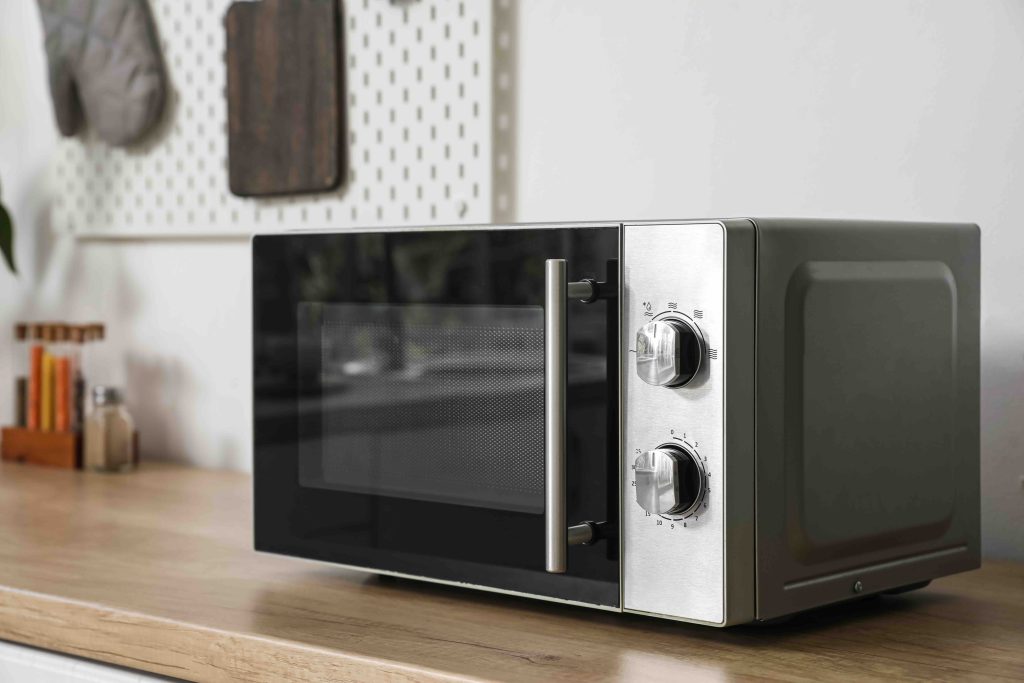
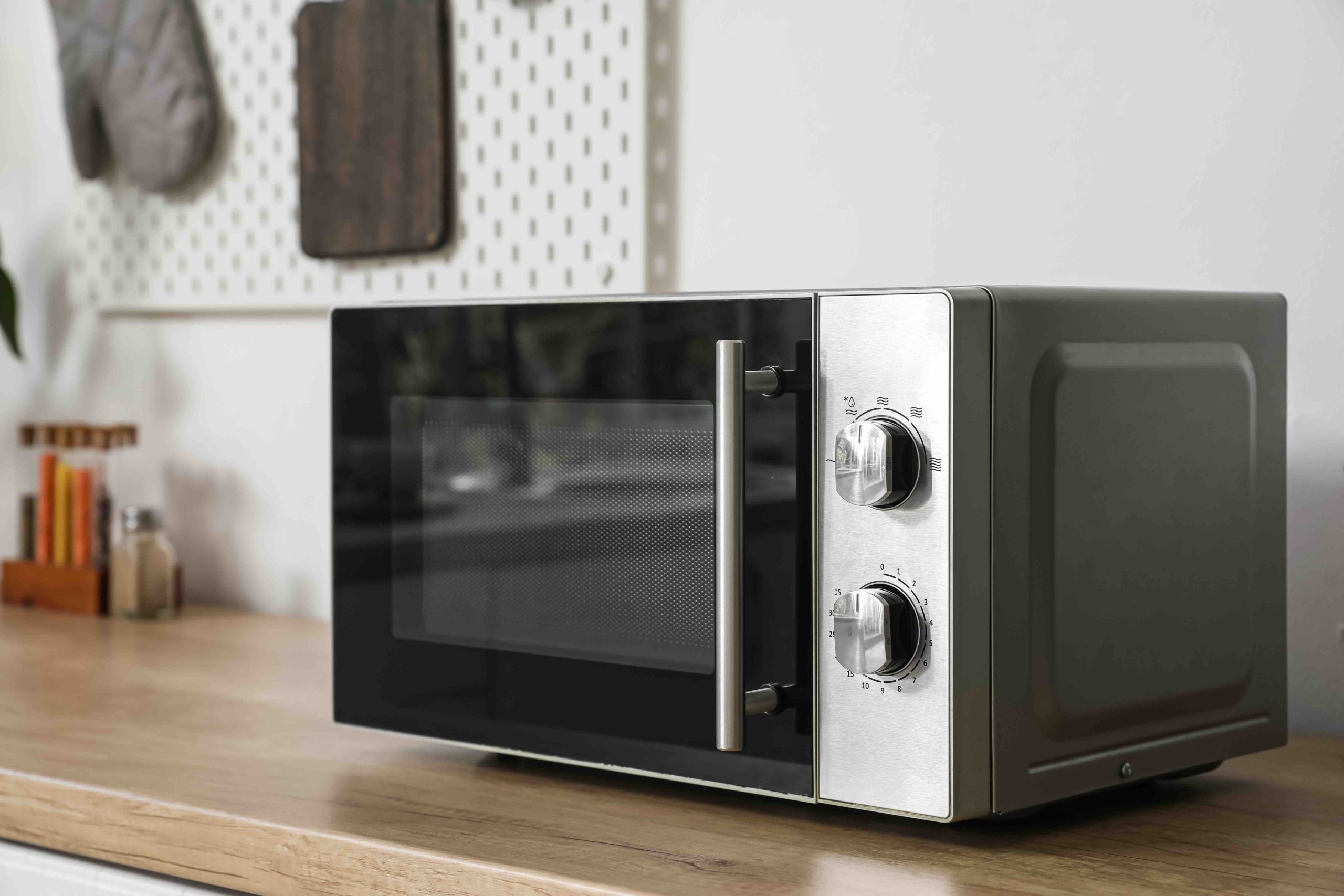
According to industry data and home warranty standards, the average microwave lasts between 9 and 10 years. Some units push past that mark with proper care, while others tap out closer to seven. Over-the-range microwaves, which are installed above the stove and double as a ventilation hood, tend to have a slightly shorter lifespan due to the added mechanical load of the exhaust fan. Countertop models often fare a bit better simply because they do not deal with as much heat exposure from below. The brand, usage frequency, and how well the unit is maintained all play meaningful roles in where a specific microwave lands within that range.
How a Microwave Actually Works
Most people have a rough sense that microwaves use radiation to heat food, and that is technically accurate, though not in the alarming way the word sounds. A component called a magnetron generates microwave radiation, which causes water molecules inside food to vibrate rapidly. That friction produces heat. The whole process is impressively efficient compared to conventional ovens, which is why microwaves became such a fixture in modern kitchens. The magnetron is also the component most likely to fail in an aging unit, and replacing it is often close in cost to replacing the entire appliance, which is a useful data point to keep in mind.
Signs Your Microwave Is Approaching the End of Its Life
There are some clear signals that a microwave is winding down, and recognizing them early can save you from a frustrating situation at dinner time. Here are the most common ones to watch for:
- Food is taking noticeably longer to heat than it used to
- The unit is making unusual sounds, such as buzzing, grinding, or clicking
- The door latch feels loose or does not seal properly
- There are visible sparks inside the cavity during operation
- The display is behaving erratically or buttons are unresponsive
- There is a burning smell that does not correspond to anything you are heating
Any one of these symptoms warrants attention. Some are repairable; others signal that the unit has reached its natural end. A qualified technician can help you assess whether a repair is worth the investment or whether replacement makes more financial sense.

Key Advantages of a Well-Maintained Microwave
A microwave that is properly cared for delivers real value over its lifespan. The energy efficiency alone is worth noting. Microwaves use significantly less electricity than conventional ovens for comparable reheating tasks. They heat food quickly, which reduces overall cooking time and can help preserve nutrients that break down with prolonged heat exposure. For households with busy schedules, the convenience factor is substantial. Keeping the interior clean, avoiding metal objects, and using microwave-safe cookware are small habits that genuinely extend the unit’s functional life and maintain performance quality throughout.
Common Drawbacks and Limitations to Know
No appliance is without trade-offs. Microwaves struggle with certain cooking tasks, particularly anything that benefits from dry, radiant heat, like crisping or browning. Convection microwave models address some of this, but they come at a higher price point. From a repair standpoint, microwaves are not always cost-effective to fix. The labor cost combined with parts, especially if the magnetron fails, can approach or exceed the price of a new mid-range unit. This repair-versus-replace calculation is something homeowners should be prepared to make, particularly for units older than seven years.
Over-the-Range vs. Countertop: Does the Type Affect Lifespan?
This is a question worth addressing directly because the answer affects purchasing decisions and warranty planning. Over-the-range microwaves are built-in appliances that handle a dual function, cooking and ventilation. The added mechanical stress from the exhaust fan motor, combined with constant exposure to stovetop heat and grease, tends to shorten the overall lifespan compared to countertop models. Installation costs are also higher, meaning a failure is more disruptive and expensive to address. Countertop models are easier to replace but take up valuable kitchen workspace. Built-in drawer microwaves are a newer category with a growing presence, though long-term lifespan data is still developing for that segment.
Practical Maintenance Tips to Extend Your Microwave’s Life
Extending the lifespan of a microwave does not require significant effort. A few consistent habits make a meaningful difference over time. Clean the interior regularly with a damp cloth or microwave-safe cleaner to prevent buildup that can cause arcing or damage the cavity lining. Never run the microwave empty, as this can damage the magnetron. Check the door seal periodically to ensure it closes properly, since a compromised seal affects performance and safety. For over-the-range models, clean the grease filters monthly and replace the charcoal filter every six to twelve months depending on usage. These are minor time investments that compound into years of additional service life.
When to Repair and When to Replace
The general rule of thumb used across the home warranty industry is straightforward: if a repair costs more than half the price of a comparable new unit, replacement usually makes more financial sense. For a microwave older than eight years, that threshold shifts even lower. Parts availability can also become a factor for older models, as manufacturers phase out components after a certain number of years. If a unit is still within its average lifespan window and the repair cost is modest, fixing it is often the smarter move. But past the nine-year mark, investing in a new appliance typically provides better long-term value and the reassurance of a manufacturer warranty on a fresh unit.
How a Home Warranty Can Cover Your Microwave
Here is where things get genuinely useful. A home warranty is a service contract that covers the repair or replacement of major home systems and appliances when they fail due to normal wear and tear. Microwaves, particularly built-in and over-the-range models, are commonly included in appliance coverage plans. When your microwave gives out, instead of absorbing the full cost of a service call, parts, and labor or an outright replacement, a home warranty steps in to handle those expenses beyond a predictable service fee. For homeowners who have recently purchased a home with existing appliances, this kind of coverage provides real financial protection during the years when those appliances are most likely to age out.
If you are thinking about whether a home warranty makes sense for your situation, Armadillo’s home warranty plans for appliance and system protection are built with exactly this kind of scenario in mind. The coverage is clear, the process for filing a claim is straightforward, and the pricing is competitive. When your microwave is sitting at year eight and starting to act up, having a plan in place means you are not making stressed decisions under pressure. You can get a free home warranty quote that covers your microwave and other major appliances in just a few minutes, which is honestly one of the better things you can do for your household budget today.

Frequently Asked Questions About Microwave Lifespan and Coverage
Answers to the most common questions homeowners have about microwave life expectancy, maintenance, and home warranty protection.
What is the average lifespan of a microwave?
The average microwave lasts between 9 and 10 years. Countertop models tend to last slightly longer than over-the-range units due to reduced mechanical demands and lower heat exposure.
Is it worth repairing a microwave that is 8 years old?
It depends on the repair cost. If the repair exceeds 50 percent of the cost of a comparable new unit, replacement is generally the smarter financial decision, especially for a unit past the eight-year mark.
What causes a microwave to stop working?
The most common causes include a failed magnetron, a damaged door switch, a blown fuse, or a faulty control board. Magnetron failure is the most costly and often tips the scale toward replacement over repair.
Does a home warranty cover microwave replacement?
Many home warranty plans cover built-in and over-the-range microwaves under appliance coverage. Coverage typically applies to mechanical failures from normal use. It is important to review your specific plan terms to confirm what is included.
How can I tell if my microwave magnetron is failing?
Common signs include food not heating properly despite full power settings, a loud buzzing noise during operation, or the microwave running but producing no heat. A technician can confirm magnetron failure with a proper diagnostic.
Are countertop microwaves covered by home warranties?
This varies by provider and plan. Many home warranties focus on built-in or over-the-range microwaves. Countertop models may be excluded or available as an add-on, so it is worth clarifying before purchasing a plan.
How do I extend the life of my microwave?
Clean the interior regularly, never operate it empty, check the door seal for damage, and follow manufacturer guidelines for use. For over-the-range models, clean grease filters monthly and replace charcoal filters on schedule.
What is the difference between an over-the-range and a built-in microwave?
An over-the-range microwave is mounted above the stove and includes a ventilation function, while a built-in microwave is integrated into cabinetry without the ventilation component. Both are considered built-in appliances for home warranty purposes.
How much does microwave repair typically cost?
Repair costs vary based on the issue, but most microwave repairs range from $100 to $350. Magnetron replacement can exceed $200 in parts alone before labor, making it one of the more expensive single-component repairs for this appliance type.
When should I start planning to replace my microwave?
If your microwave is between seven and nine years old and showing signs of performance decline or requiring repairs, it is a good time to evaluate your options. Planning ahead prevents the added stress of an unexpected failure during daily use.