When Your Breaker Sparks: What It Means and What to Do Next
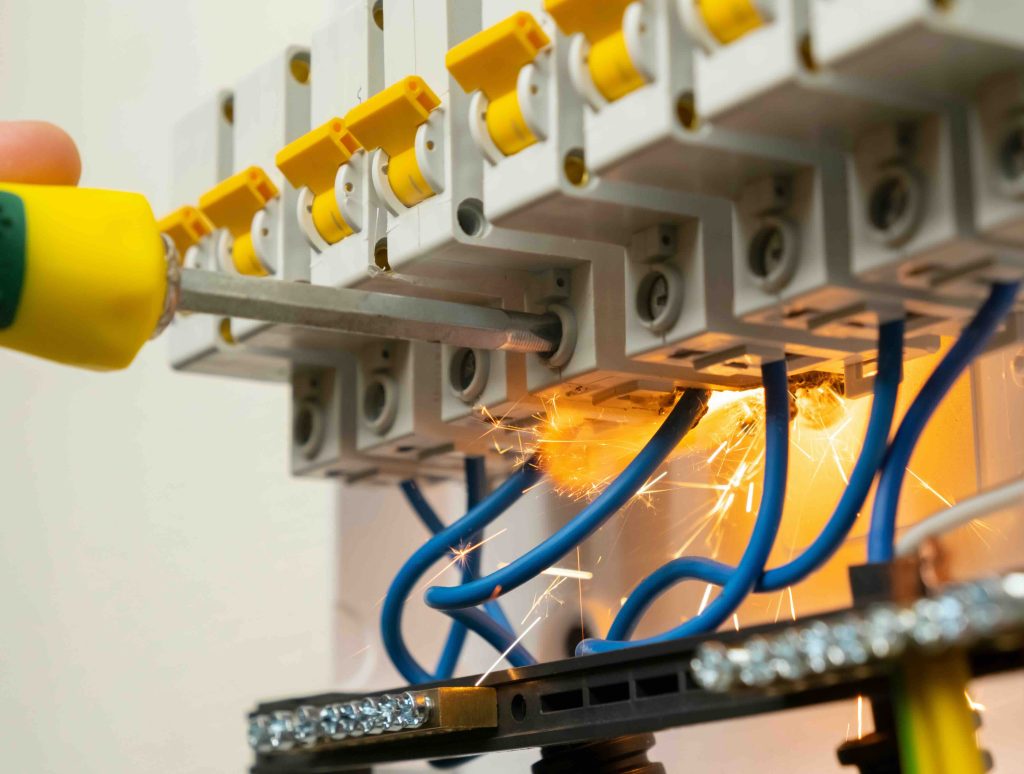
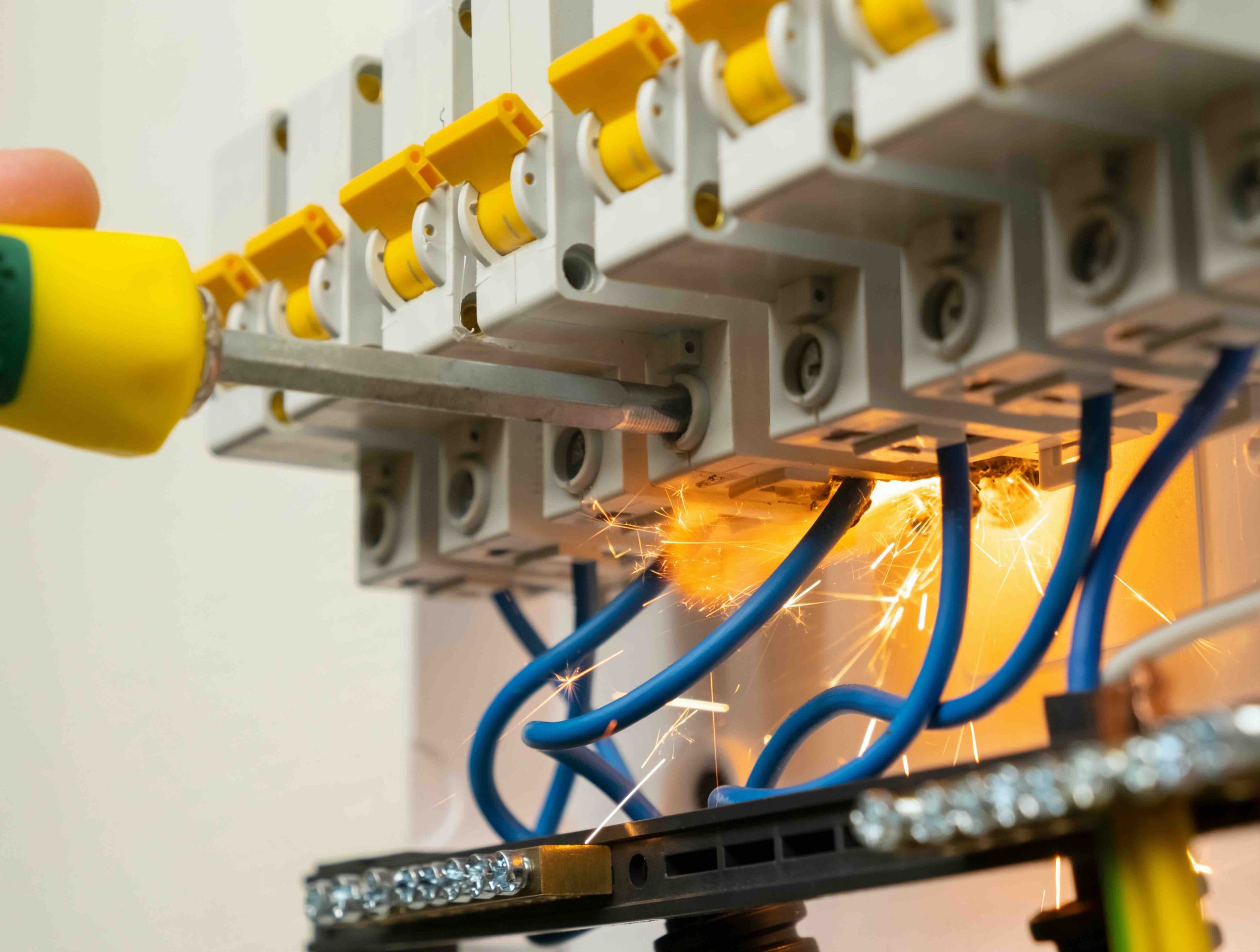
You flip a breaker back on and see a small spark. Your first instinct is probably to step back and wonder if your house is about to burn down. That reaction is understandable, but let’s slow down a moment. Not every breaker spark is a five-alarm emergency, but none of them should be ignored either. Understanding what is actually happening inside your electrical panel gives you the perspective to respond wisely rather than reactively. This article breaks down the causes, the risks, the home warranty implications, and the steps every homeowner should know.
What Is a Circuit Breaker and How Does It Work
A circuit breaker is a safety device installed inside your home’s electrical panel. Its entire job is to monitor the flow of electricity through a given circuit and interrupt that flow if something goes wrong. When a circuit draws more current than it is rated to handle, the breaker trips, cutting power before wires overheat or a fire starts. Think of it as a very attentive gatekeeper. The panel itself typically contains dozens of individual breakers, each assigned to a specific area or appliance in the home. When you reset a tripped breaker, you are manually restoring the connection that the device interrupted for safety reasons.
Why Does a Breaker Spark When You Turn It On
A small, brief spark when resetting or switching on a breaker is not always a sign of catastrophe. In fact, a tiny arc can occur when the internal contacts of the breaker reconnect and complete the circuit. However, there is a meaningful difference between a brief, contained arc and a sustained or unusually large spark. Several factors can contribute to more noticeable sparking, and each one carries its own level of concern.
- Loose or corroded wiring connections inside the panel that cause arcing when current tries to flow
- A failing breaker where the internal components are worn and no longer making clean contact
- An overloaded circuit that is being reset before the underlying load issue is resolved
- Moisture intrusion inside the panel causing conductivity problems
- A short circuit condition that has not yet been identified or corrected
The Difference Between a Normal Arc and a Dangerous One
This distinction matters more than most homeowners realize. A tiny blue-white flash that disappears in under a second when a breaker is reset can fall within the range of normal electrical behavior, particularly in older panels. What is not normal is a spark that lingers, produces a popping sound, emits a burning smell, or causes the breaker to immediately trip again. If you see any of those secondary signs, that is a signal to stop, not to keep resetting. Repeated resetting of a breaker that continues to trip is one of the more common ways homeowners unintentionally escalate an electrical problem.
Grounding and Why It Matters Here
Grounding is the electrical system’s safety release valve. A properly grounded system provides a designated low-resistance path for fault current to travel back to the panel and trip the breaker before it causes harm. When grounding is absent or compromised, fault current has nowhere safe to go, which increases the likelihood of sparking, shock, and fire. In the context of breaker sparking, a grounding issue means the system cannot effectively manage unexpected current surges. Older homes are particularly susceptible to this because grounding standards were not uniformly enforced until the mid-20th century. If your home has two-prong outlets or an ungrounded panel, sparking becomes a more serious indicator of a systemic issue.
What You Should Do When You See a Breaker Spark
The immediate response matters. Stay composed, assess what you observed, and then make informed decisions. Here is a reasonable sequence of steps to follow when you witness a breaker sparking in your home.
- Do not repeatedly reset a tripped breaker without identifying why it tripped
- Turn off or unplug appliances on the affected circuit before resetting
- Look and listen for signs beyond the spark: burning smell, buzzing sound, visible scorch marks
- If any secondary signs are present, do not reset the breaker and contact a licensed electrician
- Document what you observed, including the time, the breaker label, and any sounds or smells
Common Causes Behind Repeated Breaker Tripping and Sparking
If a specific breaker keeps tripping or produces visible sparking on a regular basis, the cause is almost never random. Electrical systems communicate through symptoms, and repeated tripping is a direct message that something on that circuit is out of balance. Circuit overloading is among the most common culprits, especially in older homes where modern appliances are drawing far more power than the original wiring was designed to support. Faulty appliances are another frequent cause, particularly large ones like refrigerators, dishwashers, or HVAC systems that draw a significant startup current. Wiring degradation is also worth mentioning. Insulation breaks down over decades, and bare or damaged wire can cause intermittent shorts that show up as sparking at the panel level.
What Home Warranty Coverage Typically Includes and Excludes
Here is where things get specific to the home warranty industry, and it is worth paying close attention. Home warranty plans often cover electrical systems, including wiring, panels, and breakers, when failures occur due to normal wear and tear. However, coverage has boundaries. A breaker that sparks due to an overload caused by a malfunctioning covered appliance may fall under the warranty’s appliance coverage rather than the electrical systems coverage, depending on how the plan defines the failure. On the other hand, sparking that results from pre-existing conditions, improper installation, or code violations typically falls outside the scope of most home warranty agreements. Understanding your specific plan language before a problem arises is one of the most practical things a homeowner can do.
How to Prevent Breaker Sparking Before It Happens
Prevention in electrical systems is mostly about maintenance and awareness. Scheduling a periodic inspection of your electrical panel by a licensed electrician is the most effective proactive step available to any homeowner. Panels should be checked for signs of overheating, corrosion, loose connections, and evidence of arcing. Upgrading an aging panel is also worth considering if your home still has a panel from the 1970s or earlier. Certain older panel brands have documented safety issues that have led to insurance complications and increased fire risk. Keeping high-draw appliances on dedicated circuits rather than shared ones also reduces the load variability that leads to tripping and sparking in the first place.
Why Armadillo Is Worth Considering When Electrical Issues Strike
Electrical problems rarely announce themselves at convenient times, and the cost of diagnosing and repairing panel issues, breaker failures, or wiring faults adds up quickly without any financial cushion in place. That is exactly the scenario where having the right home warranty makes a measurable difference. Armadillo home warranty coverage for electrical systems and appliances is built around transparency and straightforward terms, so homeowners are not left parsing dense contract language when something goes wrong. If you have been thinking about adding a layer of protection before the next unexpected repair surfaces, now is a practical moment to act. You can get a free home warranty quote that covers breaker and electrical system failures in just a few minutes, without pressure and without confusion. Armadillo offers real protection designed for real homeowners who want confidence, not complications.

Frequently Asked Questions About Breaker Sparking and Home Warranty Coverage
Homeowners dealing with electrical panel concerns often have more questions than answers. Here are the most common ones, addressed directly.
Is it normal for a circuit breaker to spark when you turn it on?
A very brief, small spark when resetting a breaker can fall within normal range as electrical contacts reconnect. However, a large, sustained, or repeatedly occurring spark is not normal and should be evaluated by a licensed electrician.
What causes a breaker to spark when reset?
The most common causes include a short circuit on the circuit, loose internal wiring connections, a worn or failing breaker, moisture in the panel, or an underlying load issue that has not been corrected before resetting.
Is a sparking breaker a fire hazard?
It can be. If the sparking is caused by arcing due to loose or damaged wiring, it presents a genuine fire risk. Arcing faults are among the leading electrical causes of residential fires, which is why any unusual sparking should be taken seriously.
Should I reset a breaker that keeps tripping and sparking?
No. Repeatedly resetting a breaker that continues to trip without addressing the root cause can damage the breaker itself and increase the risk of a more serious electrical event. Identify the cause first, then reset.
Will my home warranty cover a sparking or failed circuit breaker?
Many home warranty plans do include electrical panel components such as breakers under their electrical system coverage, provided the failure is due to normal wear and tear. Coverage exclusions typically apply to pre-existing conditions, code violations, or improper installation.
How does grounding affect breaker sparking?
A properly grounded electrical system provides a safe path for fault current, which reduces the likelihood of damaging arcs. Poor or absent grounding increases the potential for sparking, shock hazards, and equipment damage when a fault occurs.
How do I know if my electrical panel is safe?
Have a licensed electrician inspect the panel periodically. Signs of concern include scorch marks inside the panel, a burning smell, breakers that feel warm to the touch, frequent tripping, or a panel brand known to have safety recalls.
Can a faulty appliance cause a breaker to spark when reset?
Yes. If an appliance has an internal short or is drawing excessive current, it can cause the breaker protecting that circuit to spark during reset. Disconnecting all appliances on the circuit before resetting is a recommended first step.
What is the difference between a tripped breaker and a failed breaker?
A tripped breaker has done its job by shutting off power in response to an overload or fault, and it can typically be reset once the issue is resolved. A failed breaker is physically damaged, does not hold its position, or no longer trips when it should, making replacement necessary.
How much does it cost to replace a circuit breaker versus the entire panel?
Replacing an individual breaker typically costs between one hundred and two hundred fifty dollars depending on type and labor rates. Full panel replacement ranges considerably higher, often between fifteen hundred and four thousand dollars or more, which is one reason homeowners value warranty coverage that addresses electrical systems.