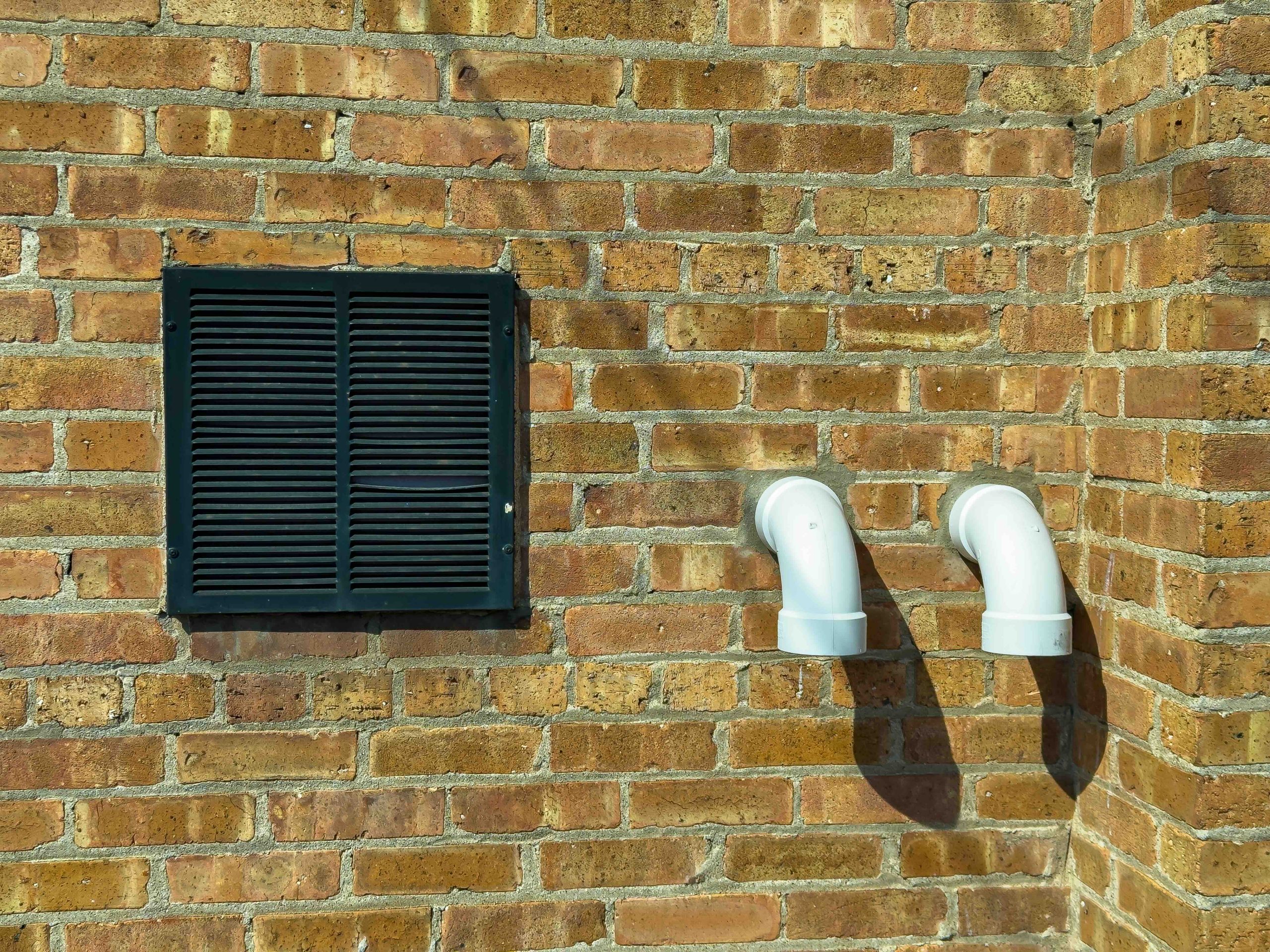
What Is a Plumbing Pipe Vent and Why Does Your Home Need One?
Most homeowners spend a fair amount of time thinking about their drains, their water pressure, maybe even the age of their water heater. But plumbing pipe vents? Those tend to fly completely under the radar until something goes wrong. Here is the thing though, these vents are doing a lot of quiet, unglamorous work behind the scenes, and understanding them can save you from some genuinely unpleasant plumbing situations down the road. So let us walk through what they are, how they function, and what every homeowner should know before a small issue turns into a costly repair.
The Basic Definition: What Is a Plumbing Pipe Vent?
A plumbing pipe vent, often called a plumbing vent or vent stack, is a vertical pipe that runs from your drainage system up through the roof of your home. It is a core component of what professionals refer to as the drain-waste-vent system, or DWV. While your drain pipes carry wastewater away from sinks, toilets, showers, and appliances, the vent pipe handles something equally important: air. Without proper venting, your entire drainage system would struggle to function correctly. Think of it like a straw in a cup of liquid. If you block the top end with your finger, the liquid does not flow freely. The vent pipe is essentially removing that blockage and allowing water and waste to move efficiently through your home.
How Does a Plumbing Vent System Actually Work?
Here is where it gets a little more interesting. Your plumbing system relies on a very specific balance of air pressure to move water smoothly through pipes. When water drains, it needs air to follow behind it, otherwise you get what is called a siphon effect that can literally suck the water out of your drain traps. Those traps, the curved sections of pipe under your sinks and toilets, hold a small amount of water that acts as a barrier against sewer gases entering your home. If the trap water gets siphoned away, those gases, including methane and hydrogen sulfide, have an open path into your living space. The vent pipe prevents all of that by introducing fresh air into the system, equalizing the pressure, and giving sewer gases a proper exit route up and out through the roof.

Types of Plumbing Vents Found in Residential Homes
Not every home uses the same venting configuration, and that is worth knowing. There are several types that plumbers commonly install depending on the layout and age of the home.
- True vent: A dry pipe that connects to the drain line and runs vertically to the roof. This is the most traditional and reliable form of venting.
- Air admittance valve (AAV): A mechanical device that allows air in without letting gases out. Often used in spaces where running a vent to the roof is not practical, like kitchen islands.
- Common vent: Shared between two fixtures that face each other and are at the same drain height, connecting at the wall.
- Wet vent: A pipe that serves as both a drain and a vent simultaneously, commonly used in bathroom groupings.
- Loop vent: Typically found in older homes or when fixtures are placed in islands, allowing the vent to loop up and connect back to the drain stack.
Signs That Your Plumbing Vent Might Be Blocked or Damaged
Vent problems rarely announce themselves dramatically at first. They tend to build slowly, giving you small clues that something is off. Knowing what to look for can make the difference between a quick fix and a full plumbing ordeal. The most common indicators that your vent system is compromised include slow drains throughout multiple fixtures, gurgling sounds coming from toilets or drains after water is used, a persistent sewage or rotten egg smell inside the home, and toilets that seem to bubble or react when another drain is used nearby. Any one of these symptoms warrants attention, and two or more happening at the same time is a strong signal to call a licensed plumber for a proper inspection.
Common Causes of Plumbing Vent Problems
The vent pipe exits through your roof, which means it is exposed to the elements year-round. That exposure creates a specific set of vulnerabilities that homeowners should be aware of.
- Debris blockages: Leaves, bird nests, and even dead animals can obstruct the opening at the top of the vent pipe, especially in fall and spring.
- Ice formation: In colder climates, moisture inside the vent can freeze and create a cap of ice that blocks airflow entirely.
- Pipe deterioration: Older cast iron or galvanized vent pipes can corrode and crack over time, allowing gases to escape inside wall cavities.
- Improper installation: Vents that were not correctly pitched or that terminate too close to windows and eaves can cause recurring problems.
- Root intrusion: In rare cases, tree roots can infiltrate vent pipes that have existing cracks near their base connections.
How Plumbing Vents Are Inspected and Repaired
A professional plumber typically begins a vent inspection with a visual check at the roof level, followed by a smoke test or camera inspection of the pipe itself. Smoke tests involve pumping non-toxic smoke into the drain system to locate any areas where it escapes, indicating a breach in the venting. Camera inspections give a direct look inside the pipe, identifying blockages, cracks, or collapsed sections. Repairs vary widely depending on the issue. A simple debris clearing near the roof cap might take twenty minutes. Replacing a corroded vent stack, however, involves opening walls and reconnecting pipe sections, which can be a multi-day project. The complexity and cost are directly tied to where the damage is located and how extensive it has become.
The Role of Building Codes in Plumbing Vent Requirements
Plumbing vents are not optional, and they are not left up to individual preference. Every municipality in the United States operates under a version of the International Plumbing Code or a local equivalent, and these codes specify exactly how vent systems must be designed, sized, and installed. Vent pipes must extend a minimum height above the roof surface, they must be positioned a certain distance from windows and air intakes, and they must be made from approved materials. If your home was built before modern codes were adopted, or if previous owners made unauthorized modifications, your vent system may not be up to current standards. This can affect home inspections, insurance claims, and resale value, so it is worth verifying compliance if you have any reason to doubt the integrity of your plumbing setup.
Plumbing Vents and Your Home Warranty: What Gets Covered?
This is where a lot of homeowners get caught off guard. Home warranties vary significantly in how they handle plumbing systems. Most standard home warranty plans cover interior plumbing components including pipes, drain lines, and fittings that fail due to normal wear. However, coverage for vent stacks specifically depends on the policy language, and exterior pipe sections near the roofline may fall outside of covered components. It is important to read your home warranty contract carefully and ask your provider direct questions about plumbing vent coverage before you need to make a claim. Knowing your coverage limits ahead of time is always better than discovering them mid-repair.
Why Armadillo Is the Right Choice for Homeowners Who Take Plumbing Seriously
When a plumbing vent fails, the resulting damage can cascade fast. Sewer gases, water backup, structural exposure from roof-level pipe issues, these are not small problems. That is exactly why having reliable home warranty coverage in place matters as much as understanding the system itself. Armadillo home warranty coverage for plumbing systems and home infrastructure is built around transparency and real protection, not fine print designed to frustrate you when you need help most. The plans are straightforward, the claims process is built for actual humans, and the coverage is designed to reflect how homes actually break down over time. If you want to stop worrying about what comes next and start feeling genuinely confident about your home, take two minutes to get a free home warranty quote that covers your plumbing and essential home systems. Your plumbing vent is working hard every single day. Your warranty should be doing the same.

Frequently Asked Questions About Plumbing Pipe Vents
These are the questions homeowners ask most often when they start digging into how their plumbing vent system works and what to do when something seems off.
What happens if a plumbing vent is blocked?
A blocked plumbing vent disrupts the air pressure balance in your drain system, causing slow drainage, gurgling sounds, and potential sewer gas entry into the home through dried-out drain traps.
How often should a plumbing vent be inspected?
A visual inspection of the roof-level vent opening is a good idea annually, especially after fall and winter. A professional inspection every three to five years is advisable for older homes.
Can I install a plumbing vent myself?
Plumbing vent installation involves working on your roof and must comply with local building codes. Most jurisdictions require a licensed plumber to perform this work, and permits are often required.
What is the difference between a vent pipe and a drain pipe?
Drain pipes carry wastewater out of the home, while vent pipes carry air into and gases out of the drainage system. Both are essential components of the drain-waste-vent system.
What is an air admittance valve and when is it used?
An air admittance valve is a mechanical one-way valve that allows air into the plumbing system without routing a pipe through the roof. It is commonly used for kitchen islands or fixtures in locations where traditional venting is impractical.
How do I know if my home’s plumbing vent is up to code?
A licensed plumber or home inspector can evaluate your vent system against current local building codes. Homes with older plumbing or renovations done without permits are most likely to have code compliance issues.
Does a home warranty cover plumbing vent repairs?
Coverage depends on the specific home warranty plan. Many plans cover interior plumbing components, but coverage for vent stacks, especially exterior sections near the roof, varies by provider and policy terms.
What causes a sewage smell even when drains seem fine?
A sewage smell without obvious drain issues often points to a venting problem. If sewer gases cannot exit through the vent stack, they may find their way into the home through dried trap seals or micro-cracks in aging pipe joints.
How long does a plumbing vent pipe typically last?
PVC vent pipes can last fifty years or more under normal conditions. Cast iron pipes found in older homes may begin deteriorating after thirty to forty years, particularly at joints and where exposed to moisture.
Is a gurgling toilet always a vent problem?
Not always, but it is one of the most common causes. A gurgling toilet can also indicate a partial clog in the drain line. If multiple fixtures gurgle simultaneously, a venting issue is the more likely explanation.