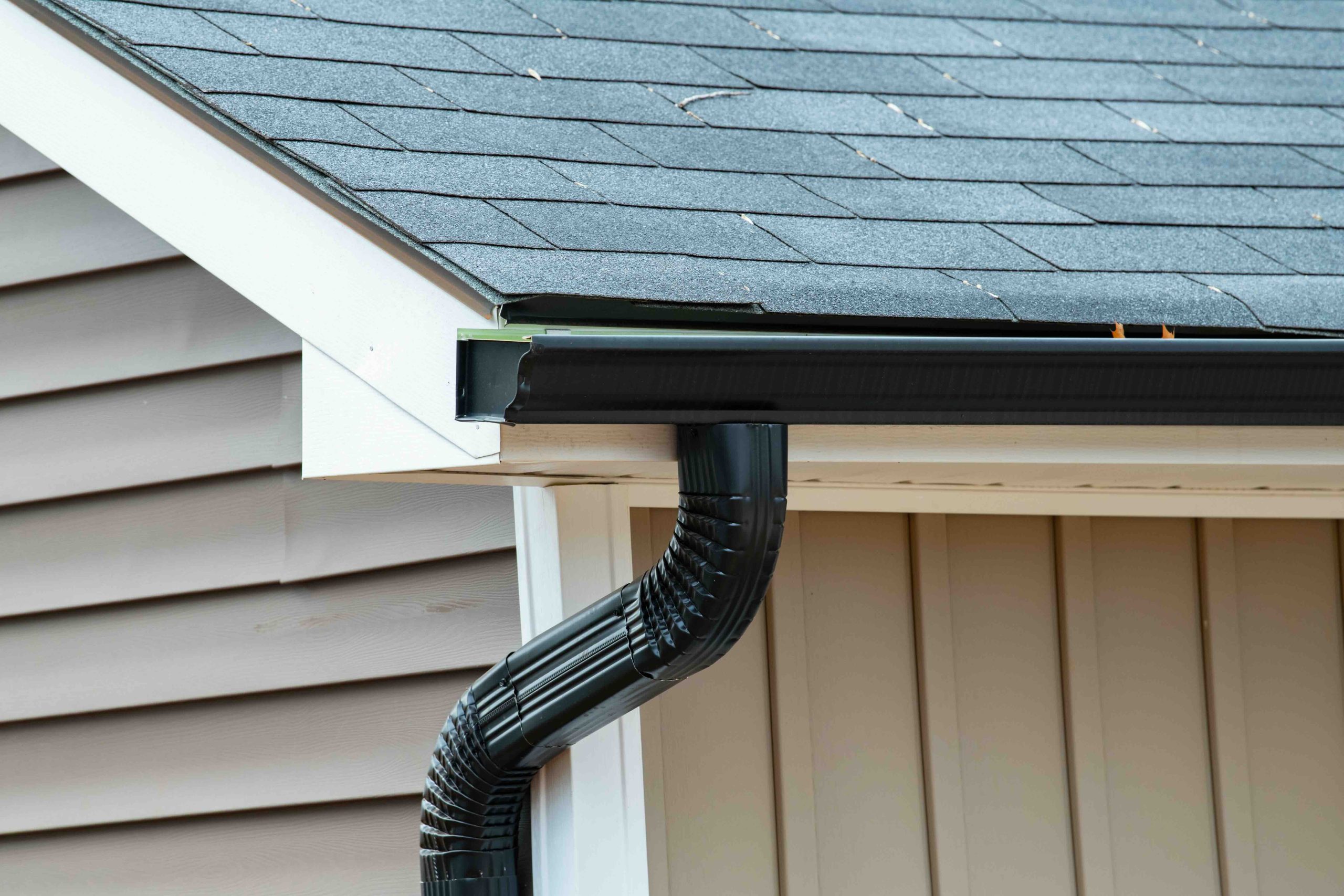
What Is a Home Drain System and Why Should You Actually Care About It
Most homeowners think about their plumbing system only when something goes wrong. A slow drain here, a gurgling pipe there, and suddenly you are standing in two inches of water wondering how things escalated so quickly. The drainage system in your home is one of those critical infrastructures that works quietly behind the scenes every single day, and understanding how it functions can save you real money and a significant amount of stress. This article breaks down what the plumbing and drainage system actually is, how it operates, what can go wrong, and how to protect yourself when something inevitably does.
Understanding Your Home Drainage System From the Ground Up
Your home has two separate but related plumbing systems. One brings fresh water in, and the other removes wastewater out. The drainage side, technically called the drain-waste-vent system or DWV, is responsible for carrying used water and waste from sinks, toilets, showers, tubs, and appliances out of the home and into the municipal sewer or a private septic system. What makes this system work is a combination of gravity, pipe slope, and air pressure regulation through vent pipes that extend through your roof. Without proper venting, drains would gurgle, slow down, or allow sewer gases to enter the living space. It is a more sophisticated system than most people realize.
The Key Components That Make It All Work Together
Getting familiar with the parts of your drainage system helps you recognize problems earlier and communicate with plumbers more effectively. The major components include:
- Drain pipes that carry wastewater away from individual fixtures
- Trap assemblies, the curved pipe sections under sinks that hold water to block sewer gas
- Branch drain lines that connect multiple fixtures to main lines
- The main drain stack, which is the large vertical pipe running through the home
- Vent pipes that allow air into the system to maintain flow pressure
- Cleanouts, which are access points used during inspections and clogs
- The main sewer line connecting your home to the municipal system or septic tank
Each of these components plays a specific role. When one fails or becomes compromised, the effects tend to ripple outward through the entire system fairly quickly.
Common Drainage Problems Homeowners Face
The most frequent drainage issue is a clog, and clogs happen for a wide variety of reasons. Hair, soap buildup, grease, food particles, and even so-called flushable wipes are among the most common culprits. But beyond everyday clogs, there are more serious issues that tend to develop over time. Pipe corrosion is a major concern in older homes, particularly those with galvanized steel or cast iron pipes. Tree root intrusion into the main sewer line is another expensive and disruptive problem. Improperly sloped drain lines, which can happen due to shifting soil or poor original installation, cause waste to accumulate rather than flow freely. Venting problems are often misdiagnosed because the symptoms, slow drains and gurgling sounds, mimic simple clogs. Knowing the difference matters because the fixes are very different.

The Advantages of a Well-Maintained Drainage System
When your drainage system is properly maintained and in good working order, life at home runs smoothly in ways you might take for granted. Water clears quickly from sinks and tubs. Toilets flush cleanly. There are no unpleasant odors rising up from drains. Appliances like dishwashers and washing machines drain efficiently without backing up into adjacent fixtures. A well-functioning drainage system also protects your home from water damage. Slow drains and backups can lead to overflow events, which introduce moisture into walls, floors, and cabinetry, creating conditions for mold growth. Maintaining this system proactively is one of the more cost-effective things a homeowner can do over the long term.
The Drawbacks and Limitations Homeowners Should Know
As durable as modern plumbing materials are, no drainage system lasts forever without attention. One of the biggest drawbacks is that most of the system is hidden behind walls and beneath floors, which means problems can develop for a long time before becoming visible. By the time you notice water stains on a ceiling or a persistently slow drain, damage may already be underway. Repairs can also be expensive. Main sewer line replacement, for instance, can run anywhere from a few thousand dollars to well above ten thousand depending on depth, access, and pipe material. Hydro-jetting services to clear stubborn buildup, camera inspections, and pipe relining are additional costs that can catch homeowners off guard without any financial safety net in place.
Practical Tips to Keep Your Drainage System Healthy
Routine maintenance goes a long way in preventing the kind of problems that turn into major repair bills. There are a few habits worth building into your regular home care routine:
- Use drain strainers in showers and tub drains to catch hair before it enters the pipes
- Avoid pouring cooking grease or oil down kitchen drains
- Run hot water through kitchen drains after each use to help clear residue
- Never flush anything other than human waste and toilet paper
- Schedule a professional drain inspection every few years, especially in older homes
- Have your sewer line inspected with a camera if you notice recurring backups or suspect tree root intrusion
Small behavioral changes at the household level translate to fewer emergency calls and a longer-lasting drainage system overall.
When to Call a Professional Plumber Versus DIY
There is a clear line between what a homeowner can reasonably handle and what requires licensed professional intervention. A single slow drain in a bathroom sink is often a straightforward fix involving the removal of hair and soap buildup from the trap. A drain snake can handle moderate clogs further into the line. However, if multiple fixtures in your home are draining slowly simultaneously, or if you are seeing sewage backup in basement floor drains, those are signs of a deeper systemic problem in the main drain stack or sewer line. That is not a DIY situation. Similarly, if you detect the smell of sewer gas inside the home, venting or trap issues may be at play, which require a licensed plumber to diagnose and correct safely. Attempting complex repairs without the right tools and knowledge can escalate the problem significantly.
How Home Warranties Factor Into Plumbing and Drainage Protection
Home warranties exist precisely for the situations where your drainage or plumbing system fails unexpectedly. Unlike homeowners insurance, which is designed to address sudden damage events like flooding or fires, a home warranty covers the mechanical breakdown of systems and components due to normal wear and use. Depending on your specific plan, coverage can include interior drain lines, pipe stoppages, the water heater, and in some cases sewer lines. This kind of coverage can be the difference between a manageable repair bill and a financial emergency. The older your home and its plumbing infrastructure, the more valuable this protection tends to be. Knowing that a professional service call is covered removes a significant amount of anxiety from homeownership, especially when something fails at an inconvenient time.
Why Armadillo Is a Smart Choice for Plumbing and Drainage Coverage
When your drain line backs up or a pipe fails inside your walls, the last thing you want to be doing is navigating a confusing warranty claim process or waiting days for a technician. Armadillo is built differently. As a home warranty provider that covers plumbing and drainage system repairs with transparent plan options and straightforward terms, Armadillo takes the guesswork out of protecting your home. There are no complicated exclusions buried in fine print designed to deny legitimate claims. The experience is designed to feel like it actually works for you. If you are ready to protect your plumbing investment before the next unexpected repair arrives, you can get a free home warranty quote for plumbing and drainage coverage in just a couple of minutes. Real coverage, real peace of mind, and a process that respects your time.

Frequently Asked Questions About Home Plumbing and Drainage Systems
These are some of the most common questions homeowners ask about their plumbing and drainage systems, answered clearly and directly.
What is the difference between a plumbing system and a drainage system?
The plumbing system refers to all of the pipes and components that supply fresh water to your home. The drainage system, also known as the drain-waste-vent system, handles the removal of wastewater and sewage from fixtures and appliances. They are separate systems that work together to manage all water flow within the home.
How often should I have my drains professionally cleaned?
For most households, professional drain cleaning every one to two years is a reasonable preventive measure. Homes with older pipes, mature trees near the sewer line, or households with multiple occupants may benefit from more frequent service.
What causes sewer gas smell inside the home?
Sewer gas smell typically indicates a dry or damaged trap, a venting problem, or a crack in a drain pipe. Each scenario allows hydrogen sulfide and other gases from the sewer system to enter the living space. A licensed plumber should inspect and correct the issue promptly.
Are drain clogs covered by a home warranty?
Coverage depends on the specific home warranty plan. Many plans include coverage for drain line stoppages and interior plumbing blockages. It is important to review the specific terms of any plan to understand what is and is not included before assuming coverage applies.
How do I know if my main sewer line is blocked?
Signs of a main sewer line blockage include multiple slow drains throughout the home occurring at the same time, sewage backing up into floor drains particularly in the basement, and gurgling sounds from toilets when other fixtures are in use. A camera inspection by a plumber can confirm the diagnosis.
What materials are modern drain pipes made from?
Modern residential drain pipes are most commonly made from PVC, which is durable, lightweight, and resistant to corrosion. Older homes may have cast iron, galvanized steel, or even clay sewer pipes, all of which are more prone to degradation over time and may require replacement.
Can tree roots really damage my sewer line?
Yes, tree root intrusion is one of the most common causes of main sewer line damage. Roots are naturally drawn toward moisture and can penetrate small cracks or joints in older pipes, gradually expanding until they cause blockages or structural failure of the pipe itself.
Is it safe to use chemical drain cleaners regularly?
Regular use of chemical drain cleaners is generally not recommended. While they can dissolve minor clogs, the caustic compounds in these products can corrode older pipes over time and are harmful to septic systems. Mechanical removal through a drain snake or hydro-jetting is a safer and more effective long-term approach.
What is hydro-jetting and when is it necessary?
Hydro-jetting is a professional drain cleaning method that uses high-pressure water to scour the interior walls of pipes and remove buildup including grease, mineral deposits, and debris. It is typically recommended when standard snaking is insufficient or when a plumber detects significant accumulation during an inspection.
Does a home warranty cover the main sewer line?
Some home warranty plans include coverage for the main sewer line, while others limit coverage to interior drain lines only. Coverage for sewer line repair or replacement can represent significant financial protection given the potential cost of that type of repair, so it is worth reviewing plan details carefully before selecting coverage.