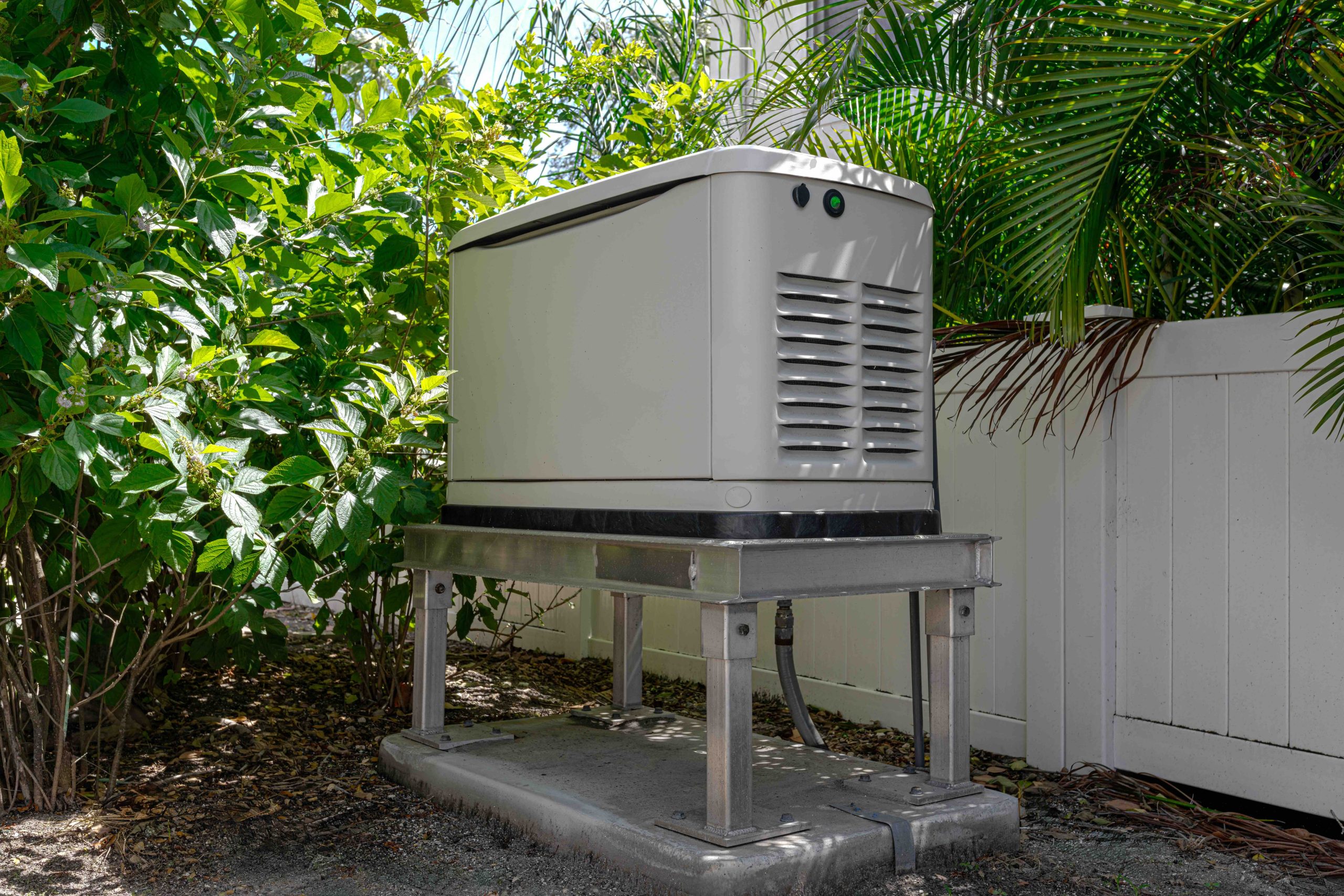
What Is a Whole House Generator and Why Are More Homeowners Installing One?
Power outages are not just inconvenient anymore. With extreme weather events becoming more frequent and remote work setups more common, losing electricity for even a few hours can mean spoiled food, a non-functional HVAC system, and a household that simply cannot operate. A whole house generator is exactly what it sounds like: a permanently installed backup power system that automatically kicks in when the grid goes down. It is not a portable unit sitting in the garage. It is a dedicated piece of equipment connected directly to your home and your fuel source, designed to keep everything running without you lifting a finger. More homeowners are making this investment, and understanding how it works is the first step toward deciding if it makes sense for yours.
How a Whole House Generator Actually Works
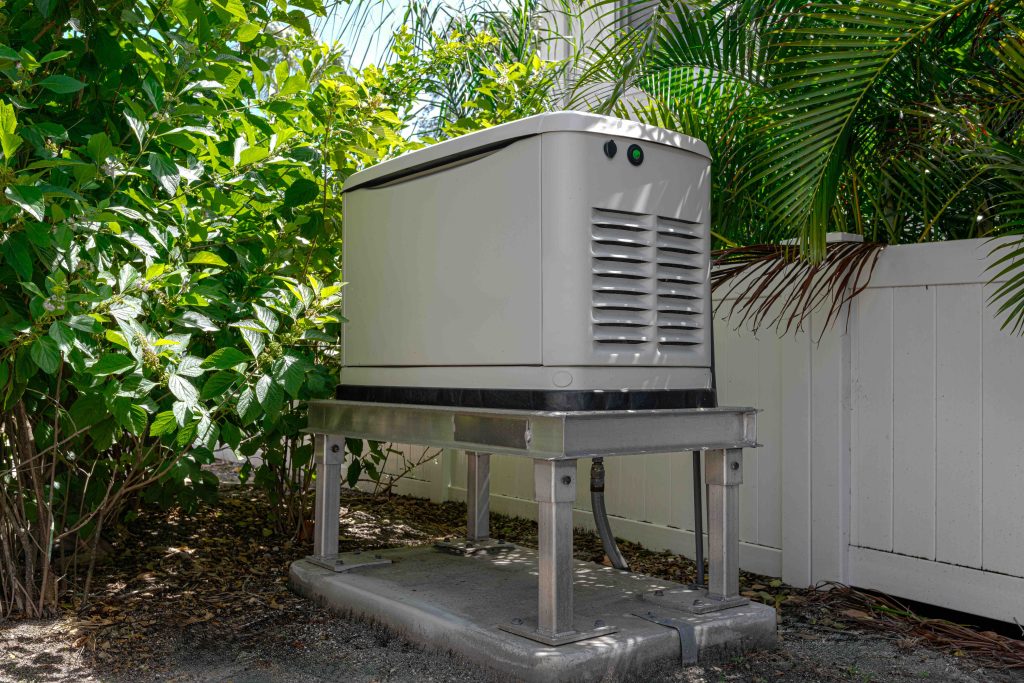
Here is the basic idea. A whole house generator, often called a standby generator, is installed outside your home, typically on a concrete pad, and connected to either natural gas or liquid propane. It is wired directly into your home’s electrical panel through something called an automatic transfer switch. That switch is the unsung hero of the whole system. The moment it detects a power interruption from the utility company, it signals the generator to start. Within seconds, usually around ten to thirty, your generator is running and your home is back online. When utility power is restored, the transfer switch sends everything back to normal and shuts the generator down. The whole process is automatic. You do not have to be home. You do not have to do anything. That is a big deal for homeowners who travel frequently or live in regions prone to prolonged outages.
Key Components That Make Up the System
Understanding the parts helps you have smarter conversations with contractors and service technicians. A whole house generator system typically consists of these core components:
- The generator unit itself, which contains the engine, alternator, and control board
- An automatic transfer switch that monitors utility power and manages the transition
- A fuel supply line connected to natural gas or a propane tank
- A concrete or composite mounting pad that provides a stable, level surface
- An electrical connection that runs to your home’s main panel or a subpanel
Some higher-end units also include remote monitoring capabilities, allowing you to check system status through a smartphone app. That feature alone has become increasingly popular among homeowners who want full visibility into their home systems at all times.
The Real Advantages of Installing a Whole House Generator
The most obvious benefit is uninterrupted power, but the advantages go several layers deeper than that. A standby generator protects your home from secondary damage that often follows an outage. Sump pumps stop working without power, which can mean a flooded basement. Security systems go offline. Refrigerators and freezers lose temperature. For households with medical equipment or family members who rely on powered devices, the stakes are even higher. Beyond safety, a whole house generator can meaningfully increase your home’s resale value. Buyers in markets prone to storms or unreliable grid infrastructure increasingly view standby power as a desirable, sometimes expected, feature. Insurance companies have also started recognizing the risk mitigation value, and some offer small discounts for homes with these systems in place.

Common Drawbacks You Should Know Before Committing
This is not a small purchase, and it comes with trade-offs worth understanding clearly. The upfront cost of a whole house generator, including installation, typically ranges from $7,000 to $15,000 or more depending on the size of the unit, your home’s square footage, and your local labor rates. Larger homes requiring more wattage will push toward the higher end of that range. Beyond installation, the generator requires annual maintenance, including oil changes, filter replacements, and load testing. If you skip that maintenance, you risk the generator failing exactly when you need it most. There are also permit requirements in most jurisdictions, which add time and a modest cost to the project. Noise is another consideration. Standby generators are not silent. While modern units are quieter than older models, they still produce a noticeable hum that neighbors may notice, which matters in tightly packed neighborhoods with local noise ordinances.
Choosing the Right Size Generator for Your Home
Sizing is where a lot of homeowners get into trouble. Too small and the generator will struggle to power everything, potentially tripping circuits or running at capacity constantly, which shortens its lifespan. Too large and you have overspent on a system that never reaches its potential. A qualified electrician or generator specialist will conduct a load calculation, reviewing your home’s total wattage needs based on your appliances, HVAC system, lighting, and any specialty equipment. As a general guideline, most average-sized homes fall somewhere in the 14 to 20 kilowatt range, but homes with larger HVAC systems or electric appliances may require 22 kilowatts or more. Getting this sizing right is worth the time it takes to do the assessment properly.
Installation: What the Process Looks Like
Installation is not a weekend DIY project. It requires licensed electricians, often a plumber or gas technician for the fuel line, and typically a permit pulled from your local municipality. The process generally starts with a site assessment to determine optimal placement, factoring in clearance requirements from windows, doors, and gas meters. The concrete pad is poured and allowed to cure. The generator is then set, the fuel line connected, and the transfer switch installed in or near your electrical panel. Final inspections are required before the system can be activated. From start to finish, most installations take between one and three days depending on complexity. Choosing a certified installer, often recommended by the generator manufacturer, is the smartest way to protect both your investment and your warranty coverage on the unit itself.
Maintenance Requirements to Keep Your Generator Ready
A whole house generator is not a set-it-and-forget-it system. Routine maintenance is critical to its reliability. Most manufacturers recommend annual service visits that include:
- Engine oil and filter changes
- Spark plug inspection and replacement as needed
- Air filter cleaning or replacement
- Battery inspection for the electric starter
- Full system load test to confirm output under simulated demand
Many generators are also programmed to run a short self-test weekly, typically for about twelve minutes, to keep the engine lubricated and the system ready. That automatic exercise cycle is a good sign that everything is working correctly, and you will want to pay attention if it ever fails to run on its scheduled day.
How Home Warranties Fit Into the Whole House Generator Picture
Here is something homeowners often overlook. Once your whole house generator is installed and the manufacturer warranty expires, usually after two to five years depending on the brand, what covers you if the unit breaks down? Repair costs for a standby generator can be significant. A failed control board, a seized engine, or a malfunctioning transfer switch can each run into the hundreds or thousands of dollars. This is exactly where a home warranty plan becomes worth examining. Some home warranty providers offer coverage for permanently installed home systems and, depending on the plan, major mechanical equipment like generators may be eligible for coverage. Reviewing the terms carefully matters here, as coverage varies widely between providers.

Why Armadillo Is Worth Considering for Home Protection After Your Generator Install
Installing a whole house generator is a serious investment in your home’s resilience, and it deserves the kind of protection that holds up when something actually goes wrong. Armadillo was built specifically for homeowners who want reliable, straightforward home warranty coverage without the frustrating fine print that defines so many competitors in this space. If you are thinking about protecting your home systems and major appliances, whole house generator home warranty coverage and home system protection plans are exactly the kind of thing Armadillo was designed to simplify. When you are ready to see what protection looks like for your specific home, you can get a home warranty quote for standby generator coverage and whole home protection in just a few minutes. No lengthy phone calls, no sales pressure. Just a clear look at what your home could be covered for, starting today.
Frequently Asked Questions About Whole House Generators
How long can a whole house generator run continuously?
Most whole house generators connected to natural gas can run indefinitely as long as fuel supply is maintained. Propane-fueled units are limited by tank size but can typically run for several days to a week or more depending on load demand and tank capacity.
Do I need a permit to install a whole house generator?
Yes, in most municipalities a permit is required for both the electrical work and the gas line connection. Your installer should handle pulling the necessary permits as part of the installation process.
How much does it cost to run a whole house generator?
Operating costs depend on fuel type and load demand. A natural gas generator running at half load typically consumes between 100 and 200 cubic feet of gas per hour. Monthly fuel costs during active use can range from moderate to significant depending on outage duration.
How far from the house does a generator need to be installed?
Most manufacturers and local codes require a minimum clearance of 18 inches from the home’s exterior, with additional clearance from windows, doors, and gas meters. Your installer will confirm the specific requirements for your municipality.
Can a whole house generator power central air conditioning?
Yes, provided the generator is properly sized for the load. Central air conditioning is one of the highest-demand appliances in a home, so accurate load calculations during the sizing process are essential to ensure the generator can handle it reliably.
What fuel type is better for a whole house generator, natural gas or propane?
Natural gas is generally preferred because it is delivered through a continuous supply line, eliminating the need to monitor or refill a tank. Propane is a strong option in areas without natural gas service and offers similar performance, though tank management becomes an ongoing responsibility.
How often does a whole house generator need to be serviced?
Most manufacturers recommend annual service that includes oil changes, filter replacement, spark plug inspection, and a full load test. Generators with higher usage hours may require more frequent service intervals, so following the manufacturer’s maintenance schedule is important.
Will a whole house generator increase my home’s value?
In many markets, yes. Standby generators are viewed as a desirable feature by buyers, particularly in regions prone to severe weather or grid instability. Some real estate professionals estimate a standby generator can add between three and five percent to a home’s resale value, though this varies by market.
Is a whole house generator covered under a home warranty?
Coverage depends entirely on the home warranty provider and the specific plan. Some providers include permanently installed generators within their coverage, while others treat them as excluded items or optional add-ons. Reading plan details carefully before purchasing is essential.
What happens to a whole house generator during a power surge when utility power is restored?
The automatic transfer switch is designed to manage the transition safely, switching the home back to utility power before shutting the generator down. This sequence prevents backfeeding electricity to the grid and protects both your home’s electrical system and utility line workers.