What Is a Garbage Disposal and Why Does It Matter in Your Home?
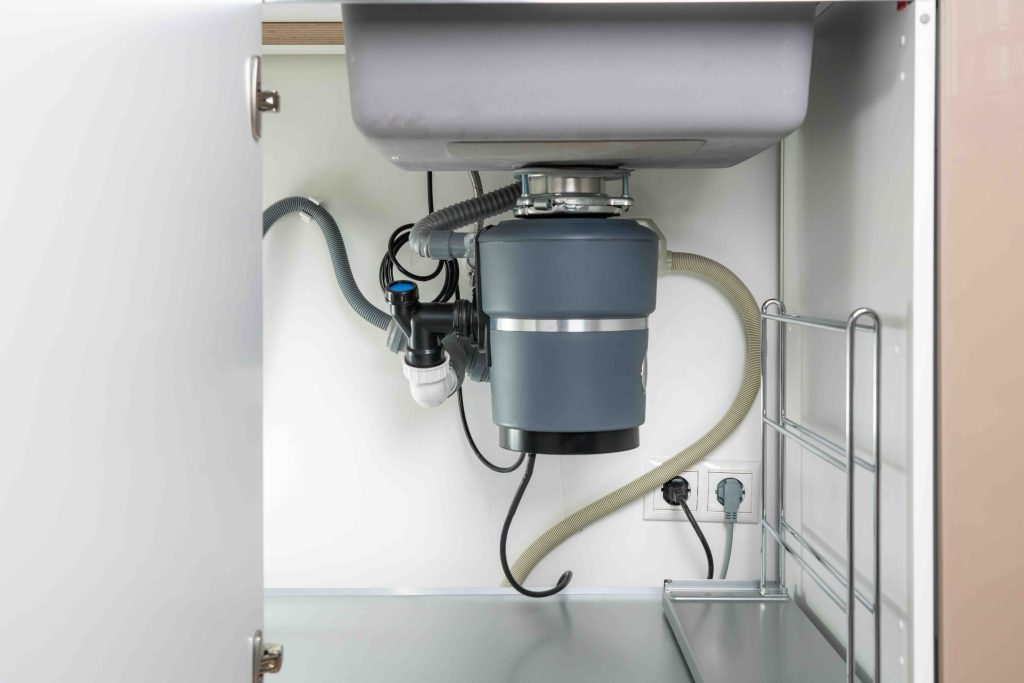
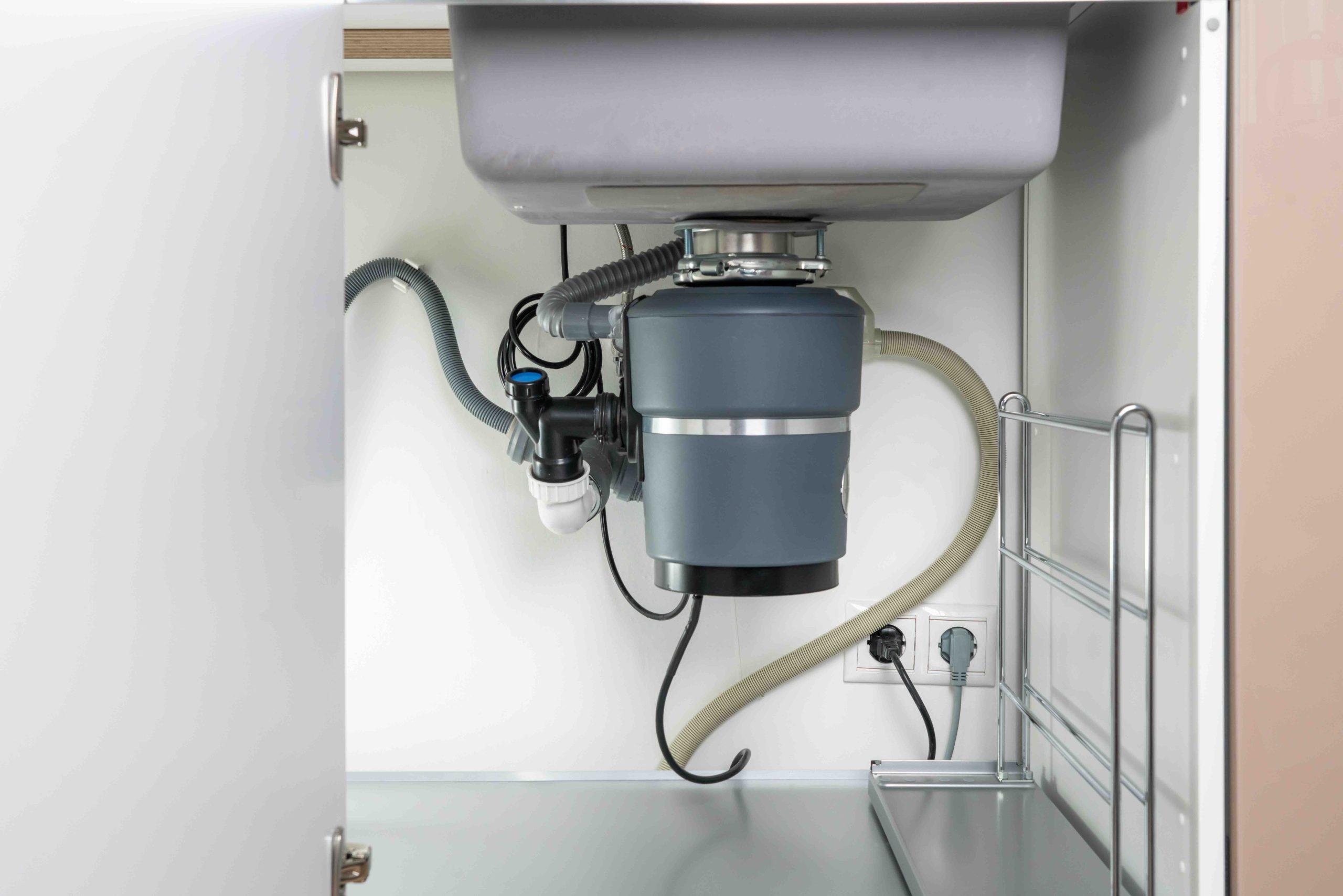
A garbage disposal is one of those appliances that quietly handles a lot of work without ever getting much credit. Mounted beneath the kitchen sink and connected directly to the drain, it grinds food waste into small particles that can safely pass through your plumbing. Most homeowners use it daily without giving it a second thought, until it starts leaking, humming without working, or simply stops responding altogether. At that point, knowing how to remove a garbage disposal from a sink becomes a genuinely useful skill, and understanding what comes next is equally important.
How a Garbage Disposal Actually Works
The mechanics are simpler than most people expect. When you flip the switch, an electric motor spins a plate called an impeller or grinding plate at high speed. Food waste dropped into the unit gets thrown outward by centrifugal force and ground against a stationary grind ring. The resulting slurry mixes with water and flows down the drain. There are no actual blades involved, which surprises a lot of people. The system relies on force and friction, not cutting. This also explains why putting the wrong things down there, like fibrous vegetables, grease, or hard pits, can cause real problems over time. Understanding this helps you appreciate why the unit eventually wears out and why removal becomes necessary.
Common Reasons Homeowners Need to Remove a Garbage Disposal
Removal is not always about failure. Sometimes you are upgrading to a quieter or more powerful model. Other times the unit has simply reached the end of its lifespan, which typically falls somewhere between eight and fifteen years depending on usage and brand. Persistent leaks from the sink flange, a motor that hums but does not grind, and repeated jamming that no amount of resetting can fix are all strong signals that removal and replacement are the right call. In some cases, a homeowner may be switching to a different sink configuration that does not accommodate a disposal at all. Whatever the reason, the process of removing the unit follows a fairly consistent set of steps.

How to Remove a Garbage Disposal from a Sink: A Step-by-Step Overview
Before touching anything, disconnect power to the unit. Either unplug it from the outlet under the sink or turn off the dedicated circuit at your breaker panel. Never skip this step. Once the power is off, place a bucket under the drain connections to catch any residual water. Disconnect the dishwasher drain line if one is attached, then loosen the drain pipe connected to the disposal outlet. From here, the actual removal of the unit involves rotating the mounting ring. Most disposals use a three-point locking mount that requires turning the unit counterclockwise to release it from the sink flange. Support the unit with one hand or have someone assist, because these appliances are heavier than they look, often between fifteen and twenty-five pounds. Once it drops free from the mount, you can lower it out and set it aside. If you are replacing the unit, assess whether the existing sink flange and mounting assembly are in good condition or need to be replaced as well.
Key Advantages of Having a Garbage Disposal in Your Home
Garbage disposals offer real, practical benefits when used correctly. Here is a quick look at what makes them worth having:
- They reduce the volume of food waste going into household trash, which minimizes odor in your kitchen.
- They can lower the frequency of trash removal needs, particularly helpful in smaller households.
- They are generally convenient for post-meal cleanup and help keep drain stoppers cleaner.
- Modern units run significantly quieter than older models, making daily use far less disruptive.
- High-quality disposals include features like auto-reverse grinding and jam sensors that reduce maintenance needs.
Common Drawbacks Worth Knowing Before You Commit
No appliance is perfect, and garbage disposals come with their share of limitations. They require water to operate correctly, which adds slightly to water usage over time. They are not compatible with all types of food waste. Pasta, rice, coffee grounds, eggshells, and grease are among the items that create buildup or mechanical problems. Older plumbing systems in some homes may not handle the added particulate load particularly well, which can contribute to slow drains or clogs over time. There is also the cost consideration. A quality unit can run anywhere from one hundred to five hundred dollars or more, and professional installation adds to that figure. If the unit fails outside of warranty coverage, you are looking at a repair or replacement expense that homeowners do not always plan for.
What to Do After Removing Your Garbage Disposal
Once the unit is out, you have a decision to make. You can reinstall a new disposal using the existing mounting bracket if it is intact, or convert the sink drain to a standard basket strainer configuration. The conversion route involves removing the old sink flange and mounting hardware, then installing a standard drain assembly. It is a manageable DIY project for someone comfortable with basic plumbing, but if you are uncertain, calling a licensed plumber is always the right call. Either way, make sure the drain connection is sealed properly before restoring water flow. Even a minor leak at the drain connection, left unnoticed, can cause water damage to the cabinet floor and surrounding cabinetry over time.
Practical Maintenance Tips to Extend the Life of Your Disposal
If you are reinstalling a disposal or putting in a new one, a few habits go a long way in keeping it running well. Always run cold water while operating the unit and for about thirty seconds after you turn it off. Cold water solidifies grease so it can be ground and flushed out rather than coating the interior. Cut large items into smaller pieces before feeding them in. Avoid overloading the unit with a large amount of waste at once. Periodically grinding ice cubes helps clean the grinding components and remove buildup. A few citrus peels now and then help manage odor. These are small habits that collectively add years to the appliance’s lifespan.
How Home Warranty Coverage Applies to Garbage Disposals
Here is where it gets interesting for homeowners who want to protect their investment. Garbage disposals are often included in standard home warranty plans, which means that when the motor fails, the unit jams beyond repair, or the appliance simply stops working due to normal wear, the cost of repair or replacement may be covered. That matters because appliance failures tend to happen at the least convenient times, and the out-of-pocket cost of replacing a disposal, especially when combined with a service call, adds up quickly. If you are someone who counts on kitchen functionality and wants predictable home maintenance costs, a home warranty plan that covers appliances including your garbage disposal is a smart layer of protection to have in place.
When it comes to reliable, no-nonsense home warranty coverage, Armadillo home warranty plans for kitchen appliances and home systems are built specifically with homeowners like you in mind. Coverage is transparent, service is straightforward, and you will not find yourself buried in exclusion fine print when something goes wrong. Whether your garbage disposal just gave out or you are being proactive before the next repair catches you off guard, now is a good time to take action. You can get a free home warranty quote that covers your garbage disposal and major home systems in just a few minutes, with no pressure and no complicated process.

Frequently Asked Questions About Removing and Replacing a Garbage Disposal
How long does it take to remove a garbage disposal from a sink?
For most homeowners, the removal process takes between fifteen and thirty minutes once the power is disconnected and the necessary tools are on hand. Complications like corroded connections or stubborn mounting rings can add time.
Do I need a plumber to remove my garbage disposal?
Not necessarily. Removal is a task many homeowners handle on their own with basic tools and careful attention to the power and water connections. However, if you are uncomfortable with the plumbing or electrical aspects, hiring a licensed professional is always a sound choice.
Can I convert my sink to a standard drain after removing the disposal?
Yes. After removing the disposal and its mounting hardware, you can install a standard sink basket strainer in the existing drain opening. This is a common and straightforward plumbing conversion.
What tools do I need to remove a garbage disposal?
You will typically need a bucket, channel-lock pliers, a disposal wrench or standard Allen wrench, a screwdriver, and a flashlight. Having a second person to help support the weight of the unit during removal is also helpful.
Why is my garbage disposal humming but not grinding?
A humming disposal that does not grind is usually experiencing a jam or a seized motor. Try resetting the unit using the red button on the bottom of the disposal, and use the Allen wrench port to manually free the grinding plate. If neither works, the motor may need replacement.
Is a garbage disposal covered under a home warranty?
Many home warranty plans include garbage disposals under appliance coverage. Coverage specifics vary by provider and plan, so reviewing your contract details or speaking directly with your warranty provider is the best way to confirm what is included.
How do I know when it is time to replace rather than repair my garbage disposal?
If the unit is more than ten years old, requires frequent resets, leaks from the body rather than the connections, or the motor has stopped working entirely, replacement is generally more cost-effective than repair.
What should I not put in a garbage disposal?
Avoid grease, oil, pasta, rice, potato peels, fibrous vegetables like celery, coffee grounds in large quantities, eggshells, and hard items like bones or fruit pits. These can damage the grinding components or create drain clogs over time.
Can a garbage disposal cause plumbing problems in older homes?
It can, particularly if the drain pipes are narrow or already prone to buildup. Older cast iron or galvanized pipes may not handle the additional particulate load as effectively as modern PVC plumbing. Consulting a plumber before installing a disposal in an older home is a reasonable precaution.
Does removing a garbage disposal affect my home’s resale value?
In most markets, the presence or absence of a garbage disposal has a minimal impact on resale value. Buyers are more focused on the overall condition of the kitchen, the plumbing, and the major systems. That said, a functioning disposal is generally seen as a desirable feature in a well-maintained kitchen.