What Is an Outdoor Faucet Called? A Homeowner’s Guide to Hose Bibs and Spigots
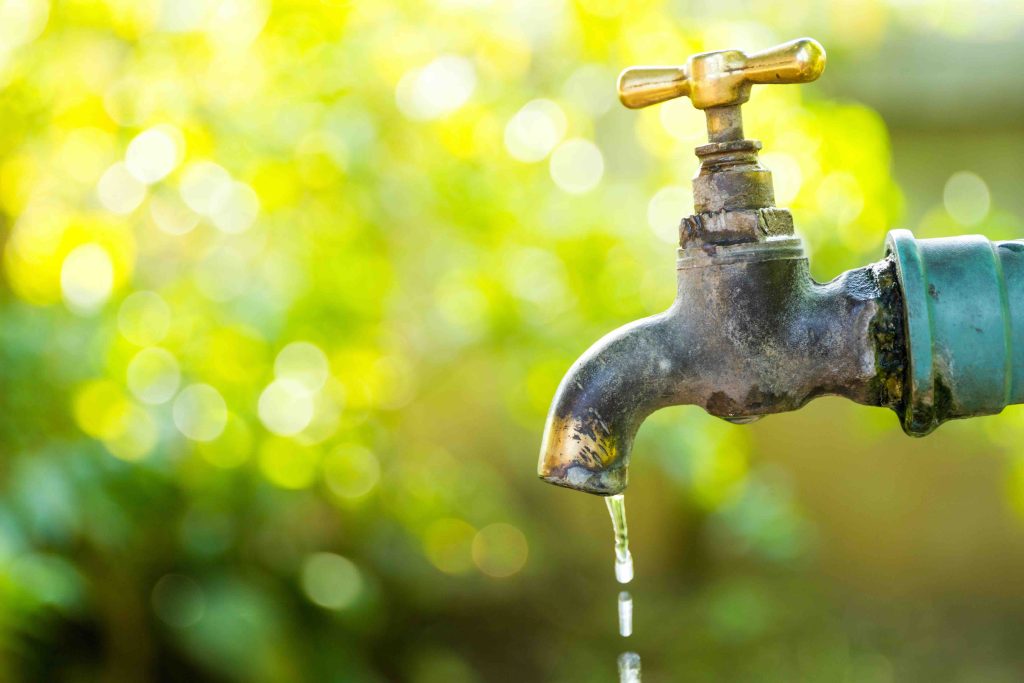
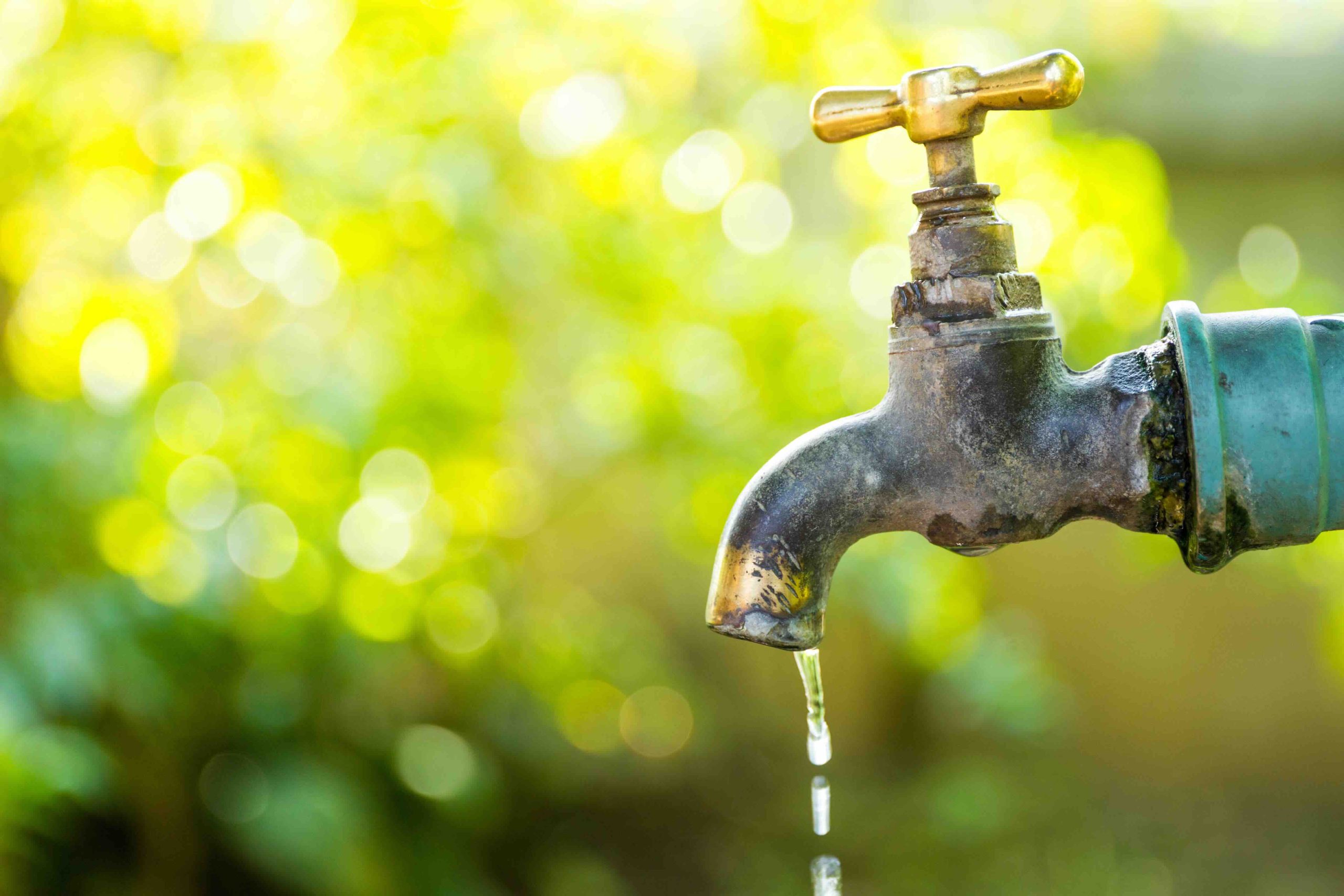
If you have ever stood in a hardware store trying to describe the water fixture on the outside of your house, you already know this is one of those home components that goes by several names depending on who you ask. An outdoor faucet is most commonly called a hose bib, though you will also hear it referred to as a spigot, outdoor spigot, sillcock, or exterior faucet. All of these terms describe the same basic fixture: a valve attached to your home’s plumbing system that allows you to access water from the outside. Whether you are filling a kiddie pool, watering a garden, or washing a car, this little fixture carries a surprisingly big load of responsibility in a home.
Understanding the Hose Bib: How It Actually Works
A hose bib is connected directly to your home’s interior water supply line. When you turn the handle, a stem inside the valve compresses against a seat, controlling water flow outward through a threaded spout. That threading is important because it allows you to attach a garden hose or other fixtures to it. The valve body is typically made of brass or bronze, which holds up well against outdoor conditions, though plastic versions do exist at a lower price point. Most hose bibs are positioned near ground level on the exterior wall of your home, and the pipe leading to it passes through the wall and connects to a branch of the cold water supply line inside.
Types of Outdoor Faucets You Should Know About
Not all hose bibs are built the same, and knowing the difference matters when it comes to maintenance, repairs, and home warranty coverage.
- Standard hose bib: The most basic type, typically found on older homes. The shut-off point is at the exterior valve, which means water remains in the pipe leading to the wall even when the faucet is turned off.
- Frost-free sillcock: A longer-bodied valve designed so the shut-off point sits inside the heated envelope of your home, reducing the risk of freezing pipes in cold climates. This is the more commonly installed option in modern construction.
- Anti-siphon hose bib: Built with a backflow prevention device to stop contaminated outdoor water from being pulled back into your home’s drinking water supply.
- Quarter-turn ball valve hose bib: Uses a ball valve mechanism instead of a compression stem, allowing full water flow control with just a 90-degree handle turn.
Why the Outdoor Faucet Is More Important Than It Looks
Homeowners tend to underestimate the outdoor faucet until something goes wrong with it. This fixture connects directly to your home’s pressurized water supply, which means a malfunction can lead to water damage, flooding, or frozen pipe emergencies depending on the season. In climates that experience freezing temperatures, a poorly winterized or outdated standard hose bib can allow water to freeze inside the wall, causing a pipe burst that sends water pouring into your home’s interior. That is not a small repair. It is the kind of situation that can cost thousands of dollars if not addressed quickly and correctly.

Key Advantages of a Properly Functioning Outdoor Faucet
When your hose bib is in good working condition, the benefits are easy to take for granted. You have convenient water access for lawn care, cleaning, and outdoor projects without having to run hoses through a window or door. A frost-free sillcock adds winter protection that can prevent significant interior damage. Anti-siphon models protect your drinking water from contamination, which is especially important if you use your hose for garden irrigation or pet care. The right outdoor faucet installed in the right location adds real functional value to your property, and it is one of those components that quietly supports dozens of daily tasks throughout the year.
Common Problems With Outdoor Faucets
Even a well-installed hose bib has a list of issues it will likely develop over time. Dripping or leaking from the spout when the faucet is off is one of the most common complaints, usually caused by a worn washer or packing nut inside the valve. Leaks at the connection point between the hose and the spigot often just mean a worn rubber gasket inside the hose fitting. Frost-free sillcocks can still freeze if a garden hose is left attached during winter because the hose traps water in the barrel of the valve, preventing proper drainage. Corrosion, stripped handles, and cracked valve bodies are also issues that develop on fixtures that have been in place for many years without maintenance.
How to Maintain Your Hose Bib Through the Seasons
Maintenance for a hose bib is straightforward, but it does require attention at the right times of year. In fall, before temperatures drop, disconnect and store any attached garden hoses. If you have a standard hose bib rather than a frost-free model, locate the interior shut-off valve for that line and turn it off, then open the exterior faucet to drain any remaining water from the pipe. In spring, inspect the faucet handle, spout, and connections for any visible damage that may have occurred during winter. Tighten any loose packing nuts and replace washers if you notice dripping. Applying a small amount of plumber’s grease to the stem periodically can also extend the life of the valve components significantly.
When to Repair Versus When to Replace
A leaking hose bib is often repairable with basic parts and a modest amount of effort. Replacing a worn washer, tightening internal packing, or swapping out a corroded handle are all tasks that many homeowners handle themselves. However, there are situations where replacement is the smarter financial decision. If the valve body is cracked, if the fixture is an old-style standard hose bib in a freezing climate, or if the pipe threading behind the valve has deteriorated, a full replacement by a licensed plumber makes more sense. Upgrading to a frost-free sillcock during that replacement also adds long-term protection that offsets the cost quickly.
Does a Home Warranty Cover Your Outdoor Faucet?
This is a question homeowners should be asking before a problem occurs, not after. Home warranty coverage for hose bibs and outdoor spigots varies significantly by provider and plan. Some home warranty plans cover plumbing components that are part of the interior supply system, which may extend to the outdoor faucet depending on how the policy is written. Others treat the outdoor faucet as an exterior component and exclude it specifically. Reading the terms carefully is essential. Knowing what your plan covers and what it does not means you will not be caught off guard when water is spraying from a cracked valve in the middle of winter.
Why Armadillo Is the Right Home Warranty Partner for Plumbing Protection
When something like a hose bib fails, you want a home warranty provider that is straightforward about what is covered and fast when it comes to getting help. Armadillo is built for exactly that. Homeowners looking for reliable home warranty coverage for plumbing systems and outdoor faucets will find that Armadillo offers transparent plans with no confusing fine print and no runaround when it is time to file a claim. Coverage is designed to address the real components homeowners depend on every day, including the plumbing that connects your exterior fixtures to the rest of your home. If you want to see what fits your situation, you can get a personalized home warranty quote that covers your plumbing and home systems in just a few minutes. Protecting your home should not feel complicated, and with Armadillo, it does not have to.

Frequently Asked Questions About Outdoor Faucets
What is an outdoor faucet called?
An outdoor faucet is most commonly called a hose bib or spigot. Other names include sillcock, outdoor spigot, and exterior faucet. All terms refer to the water valve mounted on the outside of a home that connects to the interior plumbing system.
What is the difference between a hose bib and a sillcock?
The terms are often used interchangeably. A sillcock typically refers to a frost-free version of the hose bib that has an elongated body designed to keep the shut-off point inside the heated wall of the home. A standard hose bib has a shorter body with the shut-off point at the exterior wall.
How do I know if my outdoor faucet is frost-free?
A frost-free sillcock has a longer handle and valve body compared to a standard hose bib. If you look at the faucet from the outside, the pipe appears to extend further into the wall. You can also check the manufacturer markings on the fixture or consult a plumber if you are unsure.
Why is my outdoor faucet dripping when it is turned off?
A dripping hose bib when the valve is closed usually indicates a worn washer or deteriorated packing inside the valve stem. Replacing the internal washer or tightening the packing nut typically resolves the issue without requiring a full fixture replacement.
Can I leave my garden hose attached to the outdoor faucet in winter?
No. Even if you have a frost-free sillcock, leaving a garden hose attached during freezing temperatures traps water inside the valve barrel and prevents it from draining properly. This can cause the pipe to freeze and potentially burst, leading to water damage inside your home.
How do I winterize my outdoor faucet?
Disconnect and store all garden hoses before freezing temperatures arrive. If you have a standard hose bib, locate and turn off the interior shut-off valve for that line, then open the exterior faucet to allow any remaining water to drain out. Frost-free models do not require interior shut-off but still require hose removal.
Is replacing an outdoor faucet a DIY project or should I hire a plumber?
Minor repairs such as washer replacement or tightening packing nuts are manageable for most homeowners with basic tools. Full replacement of the valve, especially if it involves cutting into a supply line or working inside the wall, is generally best handled by a licensed plumber to avoid potential water damage or improper installation.
Does a home warranty cover outdoor faucets?
Coverage depends on the home warranty provider and the specific plan. Some plans cover plumbing components that extend to exterior fixtures, while others exclude outdoor faucets as exterior components. Reviewing the terms of your policy before a problem occurs is the best way to understand what is and is not covered.
How long does an outdoor faucet typically last?
A quality brass or bronze hose bib can last 20 years or more with proper maintenance. However, harsh winters, heavy use, neglected repairs, and poor-quality materials can shorten that lifespan considerably. Regular inspection and seasonal maintenance are the best ways to extend the life of your outdoor faucet.
Why does my outdoor faucet have low water pressure?
Low water pressure at a hose bib can be caused by a partially closed shut-off valve on the interior supply line, mineral buildup or debris inside the valve body, a kinked supply pipe, or a worn internal component restricting flow. Inspecting the interior shut-off first is the simplest starting point before investigating further.