What Is a Bulb Socket for a Lamp and Why Does It Matter in Your Home?
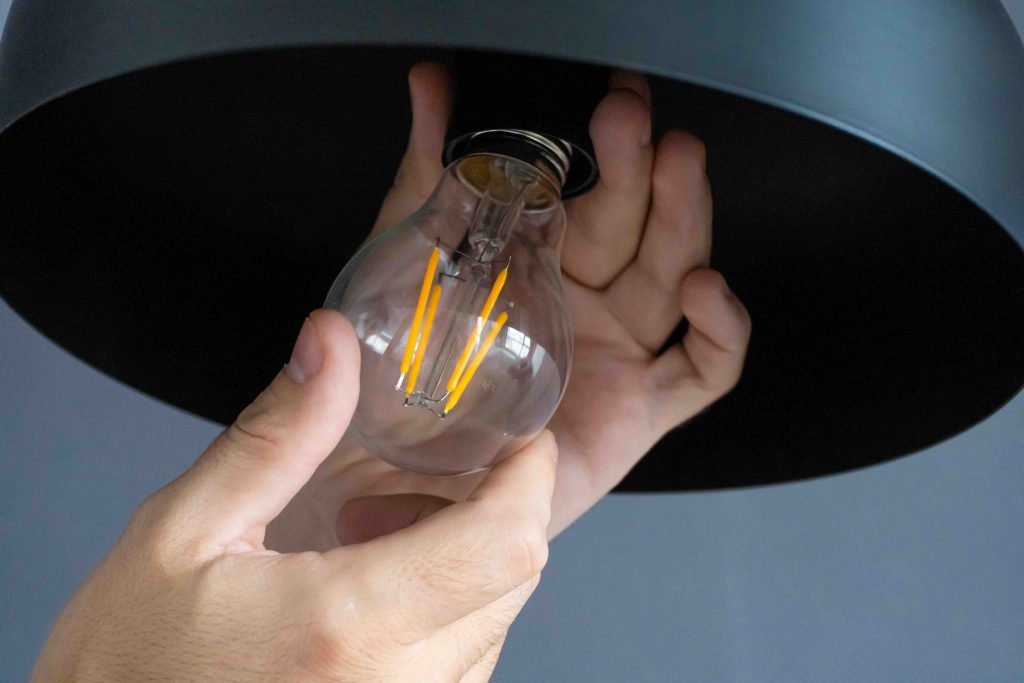
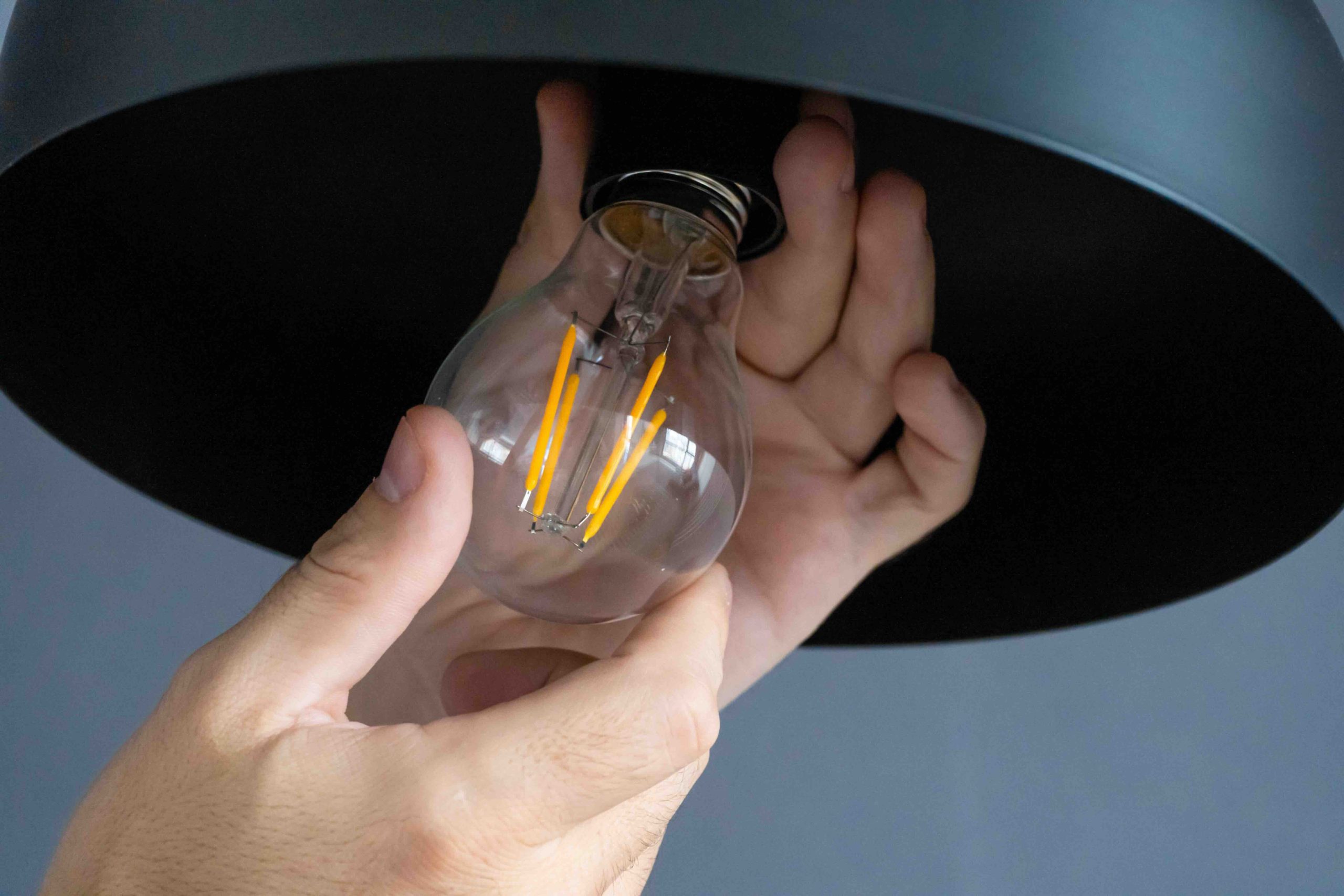
Most homeowners interact with lamp sockets every single day without giving them a second thought. You screw in a bulb, flip a switch, and the room fills with light. Simple enough. But behind that effortless action is a small but critical component that deserves more attention than it typically gets. The bulb socket for a lamp is the electrical interface that connects your light bulb to the power source. It holds the bulb in place, transfers electrical current to it, and plays a direct role in both performance and safety. Understanding how it works — and what can go wrong — is genuinely useful for any homeowner who wants to stay ahead of potential issues.
How a Lamp Bulb Socket Actually Works
The mechanics here are straightforward, though the engineering behind them is more precise than most people realize. A lamp socket consists of a shell, an insulating sleeve, and a contact at the base. When a bulb is inserted, the threaded or pin-based connection completes a circuit between the socket’s contacts and the bulb’s base. Current flows in, energizes the filament or LED components, and light is produced. The socket also houses a switch mechanism in many table and floor lamps, which allows you to toggle power without touching the wall outlet. The material composition matters too — sockets are typically made from brass, aluminum, or phenolic resin, each with different tolerances for heat and longevity.
Common Lamp Socket Types Found in Homes
Not all lamp sockets are created equal, and knowing the differences can save a homeowner from purchasing the wrong replacement or running into compatibility headaches. The most common type in American homes is the medium base socket, also called the E26, which fits standard A-type bulbs. Smaller candelabra sockets, or E12 bases, appear frequently in decorative fixtures and chandeliers. There are also mogul base sockets designed for high-wattage applications, bi-pin sockets used in halogen and some LED fixtures, and GU24 twist-and-lock sockets that have become more common with energy-efficient lighting. Identifying which type you have before buying a replacement is one of those small steps that prevents a frustrating trip back to the hardware store.

Key Advantages of Understanding Your Lamp Sockets
There is real value in knowing your way around this component. Homeowners who understand lamp sockets are better positioned to troubleshoot flickering lights, identify when a socket is failing, and replace components before a minor issue becomes a fire hazard. Beyond safety, this knowledge helps with smarter purchasing decisions when upgrading to LED bulbs, which often require specific socket types or wattage ratings. It also comes in handy during home improvement projects — selecting the right fixture for a specific room becomes much easier when you understand what socket type is already wired into the space. In short, a little education here goes a long way.
Signs That a Lamp Socket Is Failing
Lamp sockets do wear out, and there are clear warning signs worth watching for. Flickering lights that are not caused by a loose bulb are often a symptom of a deteriorating contact inside the socket. Burning smells near a lamp, discoloration around the bulb base, or a socket that feels unusually warm to the touch are all red flags. Intermittent power loss, where the bulb works sometimes and not others, frequently points to a corroded or worn-out contact tab inside the socket. These are not issues to ignore. A failing lamp socket can arc electrically, generate excessive heat, and in worst-case scenarios, contribute to a house fire. Early detection matters.
What Causes Lamp Sockets to Wear Out
Several factors accelerate socket degradation, and most of them are entirely avoidable once you know what to look for. Using a bulb with a wattage that exceeds the socket’s rated limit is one of the most common culprits — the excess heat generated warps the socket and weakens its internal contacts over time. Moisture exposure, particularly in outdoor or bathroom-adjacent fixtures, introduces corrosion that erodes conductivity. Frequent bulb changes over the years gradually loosen the contact tab at the socket’s base, reducing the reliability of the electrical connection. Age is also simply a factor; sockets in older homes may be operating on components that are decades past their intended service life.
How to Replace a Lamp Socket Safely
Replacing a lamp socket is a manageable DIY task for most homeowners, provided the right precautions are observed. Before touching anything, unplug the lamp completely from the wall outlet. Remove the harp and shade, unscrew the bulb, and gently remove the outer shell of the socket by pressing on the area marked “press” and lifting upward. Disconnect the two wires — typically a neutral and a hot — by loosening the terminal screws. Attach the wires to the new socket in the same configuration, reassemble the components, and test with a new bulb. If at any point the wiring looks damaged, frayed, or improperly connected, stop and consult a licensed electrician. Electrical safety is non-negotiable.
Lamp Sockets and Home Warranty Coverage — What You Should Know
This is where things get practical for homeowners who carry a home warranty plan. Home warranties are designed to cover the repair or replacement of major home systems and appliances when they fail due to normal wear and tear. Electrical systems are commonly included in these plans, but coverage specifics vary widely between providers. It is important to read your contract carefully to understand what is and is not included. Standalone lamp fixtures are typically considered personal property rather than built-in systems, which means a table lamp’s socket would likely fall outside standard coverage. However, hardwired fixtures — ceiling-mounted lights, wall sconces, and built-in electrical outlets — are a different story and often do fall within the scope of electrical system coverage.
- Hardwired ceiling and wall fixtures may qualify for coverage under electrical system provisions
- Portable lamps and their components are typically excluded as personal property
- Wiring failures that affect multiple fixtures are more likely to trigger a covered repair
- Always review your specific plan documents before assuming coverage applies
Why Armadillo Is the Right Choice for Homeowners Who Want Real Electrical Protection
When something goes wrong with your home’s electrical systems — whether it is a failing hardwired fixture, a tripped circuit, or a wiring issue that is spreading through the house — having a dependable home warranty in place changes everything. Armadillo was built specifically for homeowners who are tired of unexpected repair bills catching them off guard. The platform is transparent, the coverage is straightforward, and the claims process does not require a law degree to navigate. If you want a provider that actually explains what is covered before you sign, explore Armadillo’s home warranty plans for electrical system protection and see how the coverage is structured. No surprises, no buried exclusions — just honest protection for the systems your home depends on. Ready to see what a plan would cost for your specific address? You can get a free home warranty quote tailored to your home’s electrical coverage needs in just a few minutes. For homeowners who take their home’s health seriously, Armadillo is worth a closer look.

Frequently Asked Questions About Lamp Sockets and Home Electrical Coverage
Answers to the most common questions homeowners have about bulb sockets, lamp components, and related home warranty considerations.
What is a bulb socket for a lamp?
A bulb socket is the electrical receptacle inside a lamp that accepts the light bulb, holds it in place, and transfers electrical current to it. It acts as the interface between the bulb and the lamp’s wiring, completing the circuit that produces light.
How do I know what type of lamp socket I have?
The most reliable way to identify your socket type is to look at the base of the bulb it accepts. Standard household lamps typically use an E26 medium base. Smaller decorative fixtures often use an E12 candelabra base. The socket itself may also have the base size stamped on the shell or inside the fixture housing.
Can I replace a lamp socket myself?
Yes, replacing a lamp socket is a straightforward DIY repair for most homeowners. The key requirement is that the lamp must be completely unplugged before any work begins. If the wiring appears damaged or the task involves a hardwired fixture rather than a portable lamp, a licensed electrician should handle the replacement.
What causes a lamp socket to stop working?
Common causes include a worn or depressed contact tab at the base of the socket, corrosion on the internal contacts, heat damage from using a bulb with too high a wattage, and general wear from years of use. Loose bulbs that arc slightly over time also accelerate socket degradation.
Is it dangerous to use a lamp with a faulty socket?
Yes. A failing socket can generate excessive heat, cause electrical arcing, and in serious cases contribute to a fire. Any lamp that flickers inconsistently, smells like burning near the socket, or has visible discoloration around the bulb base should be unplugged and inspected immediately.
Are lamp sockets covered under a home warranty?
Portable lamp sockets are generally not covered because they are considered personal property. However, hardwired electrical fixtures and the wiring systems that support them are often included in home warranty electrical coverage. Coverage terms vary by provider, so reviewing your contract is essential.
What wattage should I use in a lamp socket?
Every lamp socket has a maximum wattage rating, which is usually printed on a label inside the socket or on the fixture itself. Exceeding this rating generates excess heat that damages the socket and can create a fire risk. With LED bulbs now available at very low wattage equivalents, staying within the rated limit is easy and worthwhile.
How long do lamp sockets typically last?
A well-maintained lamp socket in a frequently used lamp can last anywhere from ten to twenty years or longer. Sockets exposed to moisture, frequently overloaded with high-wattage bulbs, or in lamps that are knocked over or handled roughly will degrade faster. Regular inspection is the best way to catch issues early.
What is the difference between a lamp socket and a fixture socket?
A lamp socket refers to the component inside a freestanding portable lamp. A fixture socket is built into a hardwired lighting fixture that is permanently connected to the home’s electrical system. Both perform the same function, but fixture sockets are part of the home’s electrical infrastructure and may be covered under home warranty plans.
Can the wrong bulb damage a lamp socket?
Yes. Using a bulb that exceeds the socket’s wattage rating is the most direct way to cause premature socket failure. Using an incompatible base type can also damage the socket’s internal contacts. Always verify that the bulb base matches the socket type and that the wattage is at or below the rated maximum before installing any bulb.