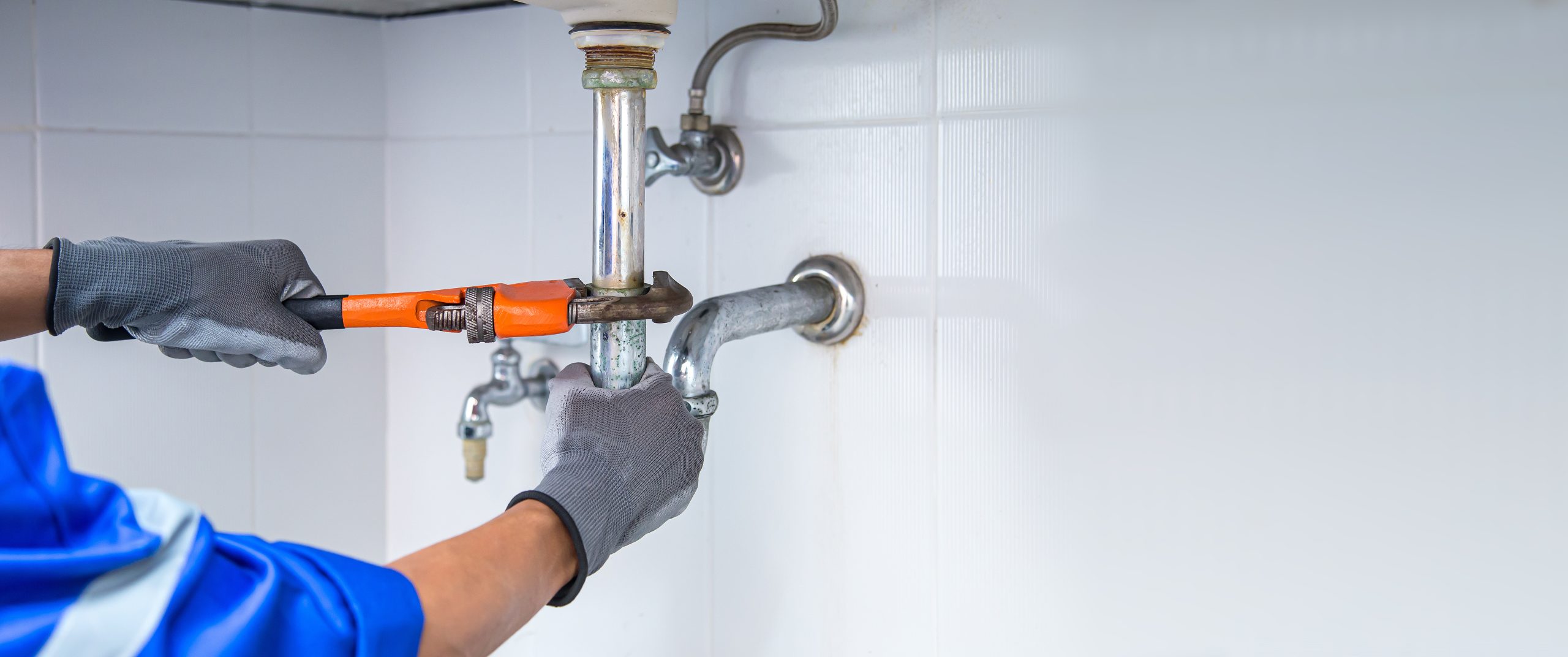
What Is Calcium Buildup in Home Pipes and Why Should You Care?
If you have ever noticed a chalky white crust around your faucets, showerheads, or the base of your water heater, you have already seen calcium buildup in action. It is one of those home issues that starts small and quietly expands into something much harder to ignore. Calcium buildup, also commonly called limescale or scale deposit, forms when hard water moves through your plumbing system and leaves behind dissolved minerals, primarily calcium carbonate and magnesium. Over time, those minerals accumulate on the interior walls of your pipes, reducing water flow, stressing your water-using appliances, and driving up energy costs. It is not a dramatic problem at first, but give it a few years of unchecked growth and it absolutely becomes one.
How Hard Water Creates Calcium Deposits Inside Your Plumbing
Hard water is simply water with a high concentration of dissolved minerals. It is incredibly common across the United States, with roughly 85 percent of American homes receiving water that qualifies as moderately to very hard. The science behind scale formation is straightforward. When hard water is heated, or when it simply moves through pipes over an extended period, calcium and magnesium ions precipitate out of the water and bond to surfaces. The hotter the water, the faster this process accelerates. That is why your water heater, dishwasher, and washing machine tend to accumulate scale much more aggressively than cold water pipes. The deposits start thin, almost imperceptible, and then gradually thicken into a concrete-like coating that restricts flow and insulates heating elements in ways that cost you real money.
Signs You May Already Have a Calcium Buildup Problem
Calcium buildup is not always obvious until it has already done some damage, but there are reliable warning signs that most homeowners can catch early if they know what to look for. Paying attention to these signals can save you from a much more expensive repair bill later.
- Reduced water pressure from faucets or showerheads that were previously strong
- White, chalky residue around faucet aerators, showerheads, or pipe fittings
- Your water heater is taking longer to heat water or running less efficiently than usual
- Visible staining or crusty deposits on sink basins, tubs, or around appliance water inlets
- Unusual popping or rumbling sounds coming from your water heater tank
- Higher utility bills without a clear explanation
The Real Damage Calcium Buildup Does to Your Home Systems
Here is where things get a little more serious. Calcium deposits are not just cosmetic. When scale builds up inside your pipes, it physically narrows the diameter of the pipe, which forces your plumbing system to work harder to push the same volume of water through. In severe cases, pipes can become almost completely blocked. More commonly, though, the damage shows up in your appliances first. A water heater working against a thick layer of limescale on its heating element can use up to 30 percent more energy to reach the same temperature. Your dishwasher may start leaving cloudy residue on glassware. Your washing machine can develop inlet valve problems. Even your ice maker and refrigerator water dispenser are vulnerable. The cumulative wear this places on your home systems is real, and it shortens the lifespan of equipment you are counting on to last.

Water Softeners: The Most Common Solution for Hard Water and Scale
The most widely used solution for managing calcium buildup is a whole-home water softener. These systems work through a process called ion exchange, where calcium and magnesium ions are swapped out for sodium ions as water passes through a resin tank. The result is softened water that does not deposit scale inside your pipes or appliances. Water softeners are highly effective and represent a long-term investment in your plumbing infrastructure. Installation costs typically range from $800 to $2,500 depending on system size and local labor rates. They do require ongoing maintenance, including periodic replenishment of salt, and they introduce a small amount of sodium into your household water supply, which some homeowners prefer to avoid for dietary reasons. Still, for homes in high-hardness water areas, they remain the gold standard for scale prevention.
Alternative Treatment Options Worth Considering
Water softeners are not the only answer. Salt-free water conditioners, sometimes called descalers or template-assisted crystallization systems, work differently. Instead of removing calcium and magnesium, they alter the structure of those minerals so they pass through plumbing without adhering to surfaces. These systems require no salt, no electricity, and virtually no maintenance, making them appealing for homeowners who want a lower-effort solution. Electronic descalers are another option, using electromagnetic pulses to change how minerals behave in water. Results from these devices are more mixed and less universally supported by independent research, though many homeowners report meaningful improvements. For localized issues like a single showerhead or faucet, regular cleaning with white vinegar or citric acid-based products can dissolve existing scale effectively without any installation at all.
How to Remove Existing Calcium Deposits From Pipes and Appliances
If calcium buildup has already taken hold in your home, addressing the existing deposits is a necessary first step before any prevention strategy can be fully effective. For showerheads and faucet aerators, soaking them overnight in undiluted white vinegar dissolves limescale remarkably well. Water heaters benefit from periodic flushing to remove sediment that has settled at the tank bottom. A plumber can also perform a descaling service using a mild acid flush that breaks down scale inside the tank. For pipes with severe internal buildup, hydro-jetting performed by a licensed plumber is one of the more powerful mechanical methods available. It uses high-pressure water to scour pipe walls clean. In extreme cases where pipe narrowing is significant, partial pipe replacement may be the most practical path forward, especially in older homes where galvanized steel pipes are already decades past their prime.
Prevention Tips Every Homeowner Should Know
Once you have addressed existing scale or confirmed your pipes are still in good shape, maintaining that condition comes down to a few consistent habits. Prevention is far less expensive than remediation, and these steps are accessible to most homeowners regardless of budget.
- Test your water hardness annually using an inexpensive home test kit or by requesting a report from your local utility
- Install a whole-home water softener or conditioner if your water hardness exceeds 7 grains per gallon
- Flush your water heater tank every six to twelve months to remove accumulated sediment
- Clean faucet aerators and showerheads with vinegar every few months as part of routine maintenance
- Keep your water heater thermostat set at or below 120 degrees Fahrenheit to slow mineral precipitation
- Have a licensed plumber inspect your plumbing system every two to three years if you live in a hard water region
The Connection Between Calcium Buildup and Home Warranty Coverage
One question that comes up often is whether a home warranty covers damage caused by calcium buildup. The honest answer is that it depends significantly on the provider and the specific plan. Most standard home warranty policies cover mechanical failure of covered systems and appliances, but they typically exclude damage resulting from lack of maintenance or pre-existing conditions. Calcium buildup that causes a pipe to fail or an appliance to break down due to neglected scale accumulation can sometimes fall into a gray area. Some providers will cover the appliance repair or replacement while excluding any costs tied to the buildup itself. This is exactly why reading the fine print matters, and why choosing a home warranty provider with clear, transparent coverage terms is so important. Understanding what your policy does and does not include before something fails is always the smarter move.

Why Armadillo Is the Right Partner for Homeowners Dealing With Hard Water and Plumbing Concerns
When calcium buildup shortens the life of your plumbing systems or appliances, having the right home warranty in your corner makes a meaningful difference. Armadillo was built to give homeowners real protection without the frustrating fine print that so many other providers hide behind. If your water heater fails, your washing machine gives out, or a pipe issue escalates into something urgent, Armadillo steps in with coverage that is straightforward and support that actually shows up. Homeowners who want to understand their options can explore home warranty plans that cover plumbing systems and water-related appliance damage directly on the Armadillo site. And if you want to see what protecting your home actually costs, you can get a free home warranty quote for plumbing and appliance coverage in minutes without any pressure. Hard water is a manageable problem. What you do not want is to manage it alone when things break down.
Frequently Asked Questions About Calcium Buildup in Home Pipes
What causes calcium buildup in pipes?
Calcium buildup is caused by hard water, which contains elevated levels of dissolved calcium and magnesium. As water moves through your plumbing and gets heated, those minerals precipitate out and bond to pipe walls and appliance surfaces over time.
How do I know if I have hard water?
The most reliable method is a water hardness test, available as an inexpensive home kit or through your local water utility’s annual quality report. Visual signs like white residue on faucets and cloudy spots on glassware are also strong indicators.
Can calcium buildup completely block a pipe?
Yes, in severe and long-neglected cases, scale accumulation can reduce a pipe’s interior diameter significantly enough to cause near-complete blockage. This is most common in older homes with galvanized steel pipes that have gone untreated for many years.
Does a water softener fully prevent calcium buildup?
A properly sized and maintained water softener will prevent new calcium deposits from forming throughout your home’s plumbing. It will not, however, remove scale that has already accumulated inside your pipes or appliances before installation.
How often should I flush my water heater to prevent scale?
Most plumbing professionals recommend flushing your water heater tank every six to twelve months. Homes in high-hardness water areas benefit from flushing on the more frequent end of that range to prevent significant sediment accumulation.
Is salt-free water conditioning as effective as a traditional water softener?
Salt-free conditioners are effective at preventing new scale formation but do not soften water in the traditional sense, meaning they do not remove calcium and magnesium from the water supply. They work well for scale prevention but may not eliminate all hard water effects on skin and hair.
Does calcium buildup affect water quality or safety?
Calcium deposits in pipes are generally not a direct health hazard. However, buildup can create rough interior surfaces inside older pipes where bacteria may be more likely to accumulate. The primary concern with limescale remains efficiency, appliance longevity, and water pressure rather than water safety.
Will a home warranty cover pipe damage caused by calcium buildup?
Coverage varies by provider and plan. Many home warranty policies cover mechanical failures of plumbing systems but may exclude damage attributed to gradual mineral accumulation or inadequate maintenance. Reviewing your specific policy terms with your provider is the best way to understand your coverage.
What is the fastest way to remove calcium buildup from a showerhead?
Soaking the showerhead in undiluted white vinegar for several hours or overnight is one of the most effective and accessible methods for dissolving existing limescale. For stubborn deposits, a citric acid solution can also be used.
At what water hardness level should I consider installing a water softener?
Water hardness above 7 grains per gallon is generally considered the threshold where a whole-home water softener becomes a worthwhile investment. At that level, scale formation is fast enough to noticeably affect appliance efficiency and plumbing longevity over time.