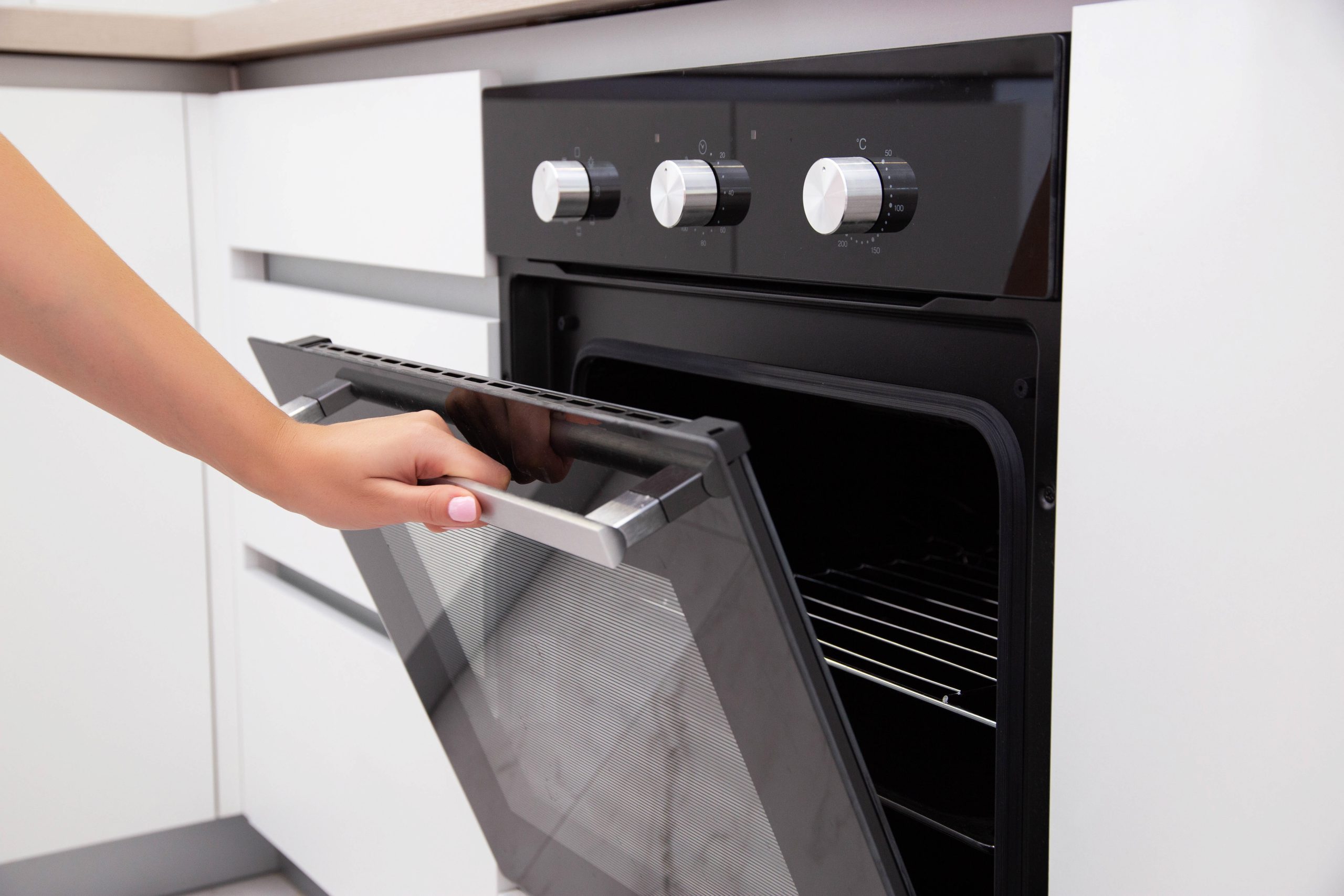
Why Your Gas Oven Stopped Heating and What You Should Do About It
You preheat the oven, wait the usual ten minutes, slide in your dish, and then nothing happens. The oven never gets hot. It is one of those frustrations that catches you completely off guard, especially on a weeknight when dinner is already running late. A gas oven that refuses to heat is a genuinely common issue, and the good news is that there are usually a handful of identifiable reasons behind it. Understanding what is going on under the hood, so to speak, helps you figure out whether this is a quick fix or something that calls for a professional. Either way, knowing the difference matters.
How a Gas Oven Actually Works
Before diagnosing the problem, it helps to understand the basic mechanics. A gas oven uses natural gas or propane as its heat source. When you set a temperature, the oven control board sends a signal to the igniter. That igniter heats up until it draws enough electrical current to open the gas valve. Once the valve opens, gas flows to the burner, the igniter lights the gas, and your oven reaches temperature. It is a fairly elegant system when everything cooperates. The igniter is doing double duty here, both lighting the gas and acting as the gatekeeper that controls the gas valve. That detail becomes important when things go wrong.
The Most Common Reasons a Gas Oven Will Not Heat
There is rarely just one culprit, which is part of what makes diagnosing this kind of issue feel like a puzzle. That said, certain components fail more often than others, and a few of them account for the vast majority of cases where a gas oven stops producing heat.
- Faulty igniter: This is the number one cause. A weak or broken igniter will glow but may not reach the temperature needed to open the gas valve. If it glows orange but no flame appears after 90 seconds, the igniter is likely failing.
- Defective gas valve: If the igniter tests out fine but gas still is not flowing, the valve itself may have failed and needs replacement.
- Broken bake element or burner tube: In some gas ovens, the burner tube can become clogged or cracked, restricting gas flow to the oven cavity.
- Control board failure: Less common, but a malfunctioning control board can prevent the igniter from ever receiving the signal to activate.
- Thermostat issues: If the oven heats inconsistently or shuts off too early, the thermostat may be reading temperatures inaccurately.

Signs That Point Specifically to Igniter Failure
Because the igniter is responsible for so many no-heat situations, it is worth spending a moment on how to identify it as the source. When you turn your oven on, open the door slightly and watch for the igniter to glow. A healthy igniter will glow bright white or yellow-white and typically ignite the gas within about 30 to 60 seconds. If you see a dull orange glow that persists without a flame forming, that is a classic sign that the igniter has weakened. It is drawing power, but not enough to pull open the gas valve. The igniter does not have to be completely dead to cause a no-heat situation. Partial failure is extremely common and often misunderstood.
What Homeowners Can Safely Check on Their Own
There are a few basic checks you can perform before calling a technician, and none of them require special tools or gas appliance expertise. Start by confirming the oven is receiving power. Even gas ovens rely on electricity for the igniter, control board, and lighting, so check that the appliance is properly plugged in and that no circuit breaker has tripped. Next, verify that the gas supply is on. Check the shut-off valve behind or beneath the range and confirm that other gas appliances in your home are functioning. If your stovetop burners light without issue, gas supply is probably not the problem. From there, observe the igniter glow as described above. These checks cost nothing and can quickly narrow the field.
When to Stop and Call a Professional
Working around gas appliances carries real risk, and there is a clear line between what a homeowner should troubleshoot and what requires a licensed technician. If you smell gas at any point during your investigation, stop immediately, leave the home, and contact your gas utility provider. Do not attempt to locate the source yourself. Beyond that, any repair that involves disconnecting or replacing gas lines, valves, or burner components should be handled by a qualified appliance repair professional. Replacing an igniter is often considered within reach for confident DIYers since it typically involves only electrical connections, but even that repair carries risk if the oven is not fully shut off and the gas supply is not properly closed. When in doubt, call someone.
The Real Cost of Ignoring a Failing Gas Oven
A gas oven that does not heat might seem like a minor inconvenience compared to, say, a broken HVAC system. But ignoring the issue can lead to larger problems over time. A failing igniter that is still drawing power without properly lighting the burner can cause delayed ignition, meaning gas accumulates briefly before finally igniting. That produces a small flash or pop, which, while usually harmless, is not something you want happening repeatedly in your kitchen. Beyond safety, parts like igniters and gas valves tend not to resolve themselves. A weakening igniter will eventually fail completely, and a valve that is slow to open may seize. Addressing the issue early almost always results in a lower repair cost.
Repair Versus Replace: Making the Right Call
Once you know what is wrong, the next decision is whether to repair the oven or replace it entirely. In most cases, a single component failure such as an igniter or a faulty gas valve is worth repairing, especially if the oven is under ten years old and otherwise functioning well. Igniter replacements typically run between $150 and $300 including labor, depending on your region and the appliance brand. Gas valve replacements can run higher. Where it gets complicated is when multiple components are failing at the same time, or when the oven has already had several repairs in recent years. At that point, replacement often makes more financial sense. A general rule worth keeping in mind: if the repair cost exceeds 50 percent of the cost of a comparable new appliance, replacement is worth serious consideration.
How a Home Warranty Fits Into This Situation
This is where things get practical for a lot of homeowners. Appliance repairs are unpredictable by nature. Your gas oven does not warn you before the igniter gives out, and the timing is rarely convenient. A home warranty is designed to absorb exactly this kind of unexpected cost. When a covered appliance like a gas range or oven fails due to normal wear and tear, a home warranty plan covers the cost of diagnosis, parts, and labor up to the plan limits. That means instead of writing a check for a repair you did not budget for, you pay a service call fee and the warranty handles the rest. For homeowners who want predictability in their household expenses, that distinction matters quite a bit.
Why Armadillo Is Worth Your Attention When Your Gas Oven Fails
When your oven stops heating, the last thing you want to deal with is a complicated claims process or a warranty company that finds reasons to deny coverage. Armadillo was built with that frustration in mind. As a trusted home warranty provider for appliance and system coverage, Armadillo focuses on straightforward coverage, honest communication, and getting repairs handled quickly. No runaround, no fine print designed to confuse. If your gas oven fails because of a worn igniter, a defective gas valve, or another covered mechanical failure, Armadillo steps in so you are not absorbing that cost alone. If you are ready to stop gambling on whether your next appliance failure lands in your budget, take a minute to get a free home warranty quote for gas appliance coverage and see what protecting your home actually looks like.

Frequently Asked Questions About Gas Ovens Not Heating
These are the questions homeowners most commonly ask when their gas oven stops heating, along with clear, direct answers to help you move forward with confidence.
Why is my gas oven not heating even though the stove burners work?
The stovetop burners and the oven use separate ignition systems. If your burners light but the oven does not heat, the issue is almost certainly isolated to the oven’s igniter, gas valve, or control board rather than the gas supply itself.
How do I know if my gas oven igniter is bad?
Watch the igniter when you turn the oven on. A healthy igniter glows bright white and ignites the gas within 30 to 60 seconds. A dull orange glow that lingers without producing a flame is a reliable indicator that the igniter has weakened and needs replacement.
Is it safe to use a gas oven that is not heating properly?
It depends on the cause. If the oven simply is not reaching temperature but there is no gas smell, it may be safe to avoid until repaired. If you smell gas at any point, stop using the appliance immediately and contact your gas utility provider.
Can I replace a gas oven igniter myself?
Replacing an igniter is a repair that some homeowners with basic appliance repair experience can handle, as it typically involves only electrical connections and does not require working with gas lines directly. However, the oven must be fully disconnected from power and the gas supply should be shut off before beginning any repair.
How much does it cost to repair a gas oven that is not heating?
The cost depends on the failed component. Igniter replacements typically range from $150 to $300 including labor. Gas valve replacements can run higher, often between $200 and $400. These estimates vary by region and appliance brand.
Does a home warranty cover a gas oven that stops heating?
Most home warranty plans cover gas ovens and ranges when they fail due to normal wear and tear. Coverage typically includes diagnosis, parts, and labor for components such as the igniter, gas valve, and control board. Always review your specific plan terms to confirm what is included.
How long does a gas oven igniter typically last?
A gas oven igniter generally lasts between five and seven years under regular use, though some last longer depending on the brand and how frequently the oven is used. Igniters in high-use kitchens tend to wear out faster.
What should I do if my gas oven smells like gas but will not light?
If you smell gas and the oven will not ignite, do not attempt to troubleshoot the appliance. Leave the home immediately, avoid using any electrical switches or open flames, and call your gas utility provider from outside. This situation requires professional attention before the oven is used again.
Can a dirty gas oven burner cause heating problems?
Yes. Grease buildup or food debris can partially block burner ports and restrict gas flow, leading to uneven heating or a failure to ignite. Regular cleaning of the oven interior and burner components can help prevent this type of issue.
Is it better to repair or replace a gas oven that stopped heating?
If the oven is under ten years old and only one component has failed, repair is usually the more cost-effective choice. If the oven is older and has required multiple repairs, or if the repair cost exceeds roughly half the price of a comparable new unit, replacement is worth considering.