No Hot Water at Home? Here Is What Is Actually Going On
You turn on the shower, wait a few seconds, and nothing but cold water comes out. It is one of those moments that stops your morning completely. No hot water from your water heater is a frustrating experience, and it happens to homeowners more often than most people expect. The good news is that this problem is almost always diagnosable, and many causes are fixable without immediately replacing the whole unit. This article walks you through the most common reasons your water heater stops producing hot water, what signs to watch for, and how a home warranty fits into the bigger picture of protecting this essential appliance.
How a Water Heater Actually Works
Before you can troubleshoot the problem, it helps to understand what your water heater is doing on a normal day. Most homes have either a traditional tank-style water heater or a tankless unit. A tank-style heater keeps a reservoir of water, typically between 30 and 80 gallons, heated to a set temperature at all times. It does this using either a gas burner or electric heating elements. When you run the hot water tap, the heated water flows out and cold water enters the tank to be reheated. A tankless water heater, sometimes called an on-demand heater, skips the storage tank entirely and heats water only when you need it using high-powered burners or electric coils. Both systems rely on a thermostat, a heat source, and in most cases, a pressure relief valve and a sacrificial anode rod that protects the tank from corrosion. When any one of these components fails, the result is often no hot water, or not enough of it.
The Most Common Reasons Your Water Heater Has No Hot Water
There is rarely just one culprit, but a few causes show up far more often than others. Understanding these gives you a starting point before calling a technician.
- A tripped circuit breaker or blown fuse on an electric water heater
- A failed heating element, which is the part that physically heats the water in electric units
- A faulty thermostat that is no longer reading or regulating temperature correctly
- A pilot light that has gone out on a gas water heater
- A broken thermocouple, which is the gas safety sensor that keeps the pilot lit
- Sediment buildup at the bottom of the tank reducing heating efficiency
- A water heater that has simply reached the end of its lifespan, usually between 8 and 12 years for tank units
Each of these issues has a different repair path. Some, like resetting a breaker or relighting a pilot, are things a handy homeowner can attempt. Others, like replacing a heating element or thermocouple, require professional service.
Signs Your Water Heater Is Struggling Before It Fully Stops
A water heater rarely fails without warning. There are usually signs in the weeks or months before you wake up to a cold shower. Lukewarm water instead of hot is one of the earliest signals. You might also notice that hot water runs out faster than it used to, which often points to sediment buildup reducing the effective capacity of the tank. Discolored or rust-tinted water can indicate internal corrosion, while a popping or rumbling noise from the tank is almost always sediment being heated along with the water. Any visible pooling around the base of the unit is serious and usually means the tank itself is leaking. Catching these signs early gives you options. Waiting until the unit completely fails typically means you are working under pressure and under time constraints.

What You Can Check Yourself Before Calling a Pro
Not every no-hot-water situation needs an immediate service call. There are a few things you can safely check on your own. For electric water heaters, start at your electrical panel. A tripped breaker is one of the easiest fixes possible, and it takes about thirty seconds to confirm. Reset the breaker, wait about an hour, and check again. If the breaker trips repeatedly, that points to an electrical issue that needs professional attention. For gas water heaters, check whether the pilot light is on. Most units have a small viewing window and printed relight instructions on the side of the unit. If you are uncomfortable relighting it or if it will not stay lit after relighting, that is a thermocouple issue best handled by a technician. Also check the thermostat setting on the unit itself. Sometimes it gets bumped or adjusted accidentally. The recommended setting is typically around 120 degrees Fahrenheit, which is hot enough for daily use while reducing the risk of scalding.
When to Call a Professional for Water Heater Repairs
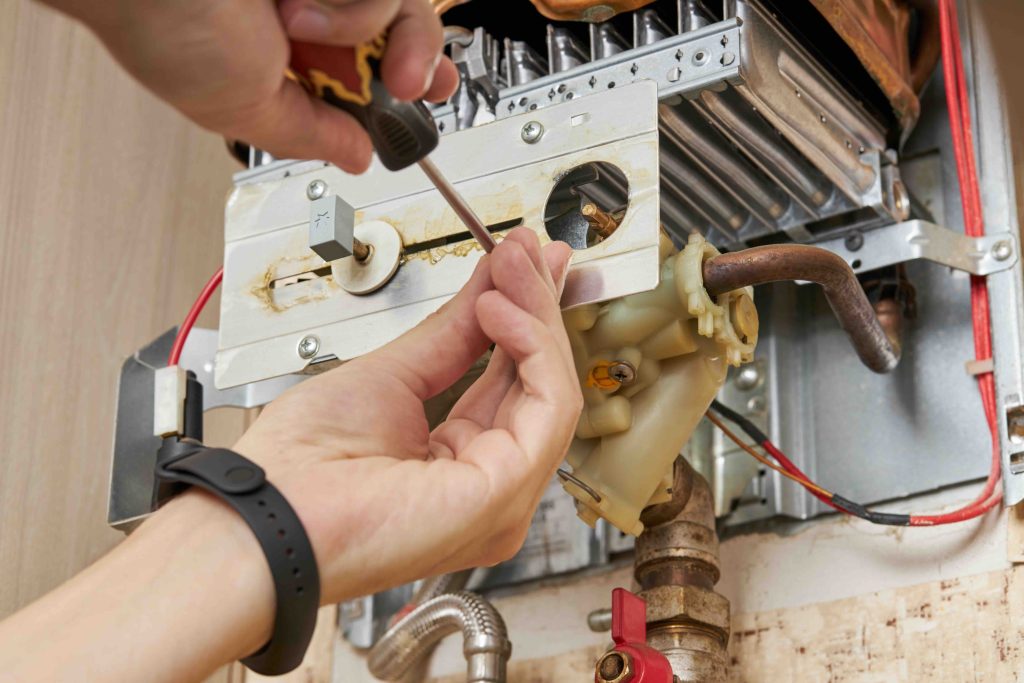
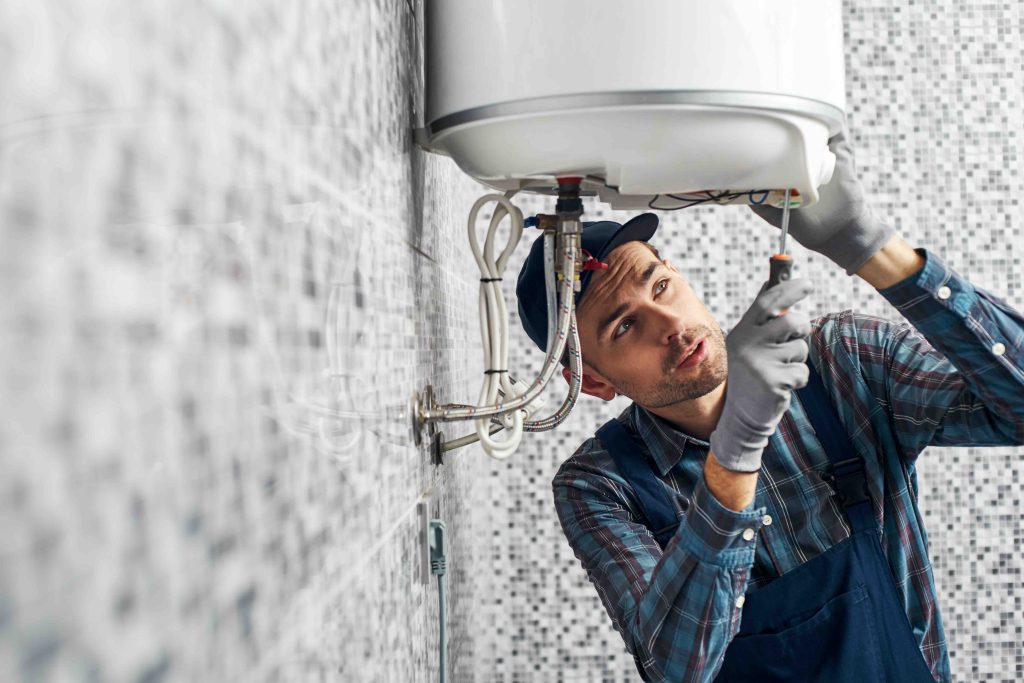
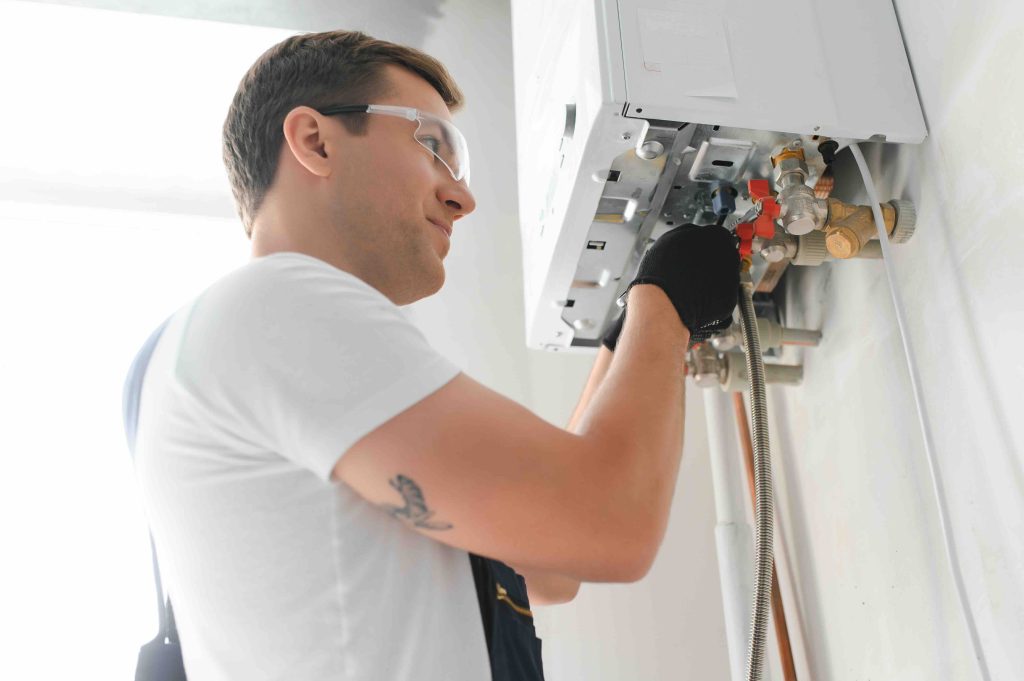
There is a clear line between DIY troubleshooting and work that genuinely requires a licensed plumber or HVAC technician. Anything involving the gas line, internal wiring, pressure relief valve, or the tank itself falls into professional territory. Replacing a heating element is technically possible for someone with electrical knowledge, but if you have any doubt, do not risk it. Water heater repairs that go wrong can result in leaks, scalding water, or in gas units, a serious safety hazard. The cost of a professional diagnosis is almost always worth it compared to the cost of a repair gone sideways. Most water heater service calls involve labor and parts, and depending on what needs replacing, you could be looking at anywhere from a moderate repair bill to a full replacement cost in the range of several hundred to over a thousand dollars.
Tank vs. Tankless: Does the Problem Change?
The type of water heater in your home affects what kinds of problems you are likely to encounter. Tank-style heaters are more prone to sediment buildup and tank corrosion over time, simply because water sits inside them continuously. Tankless heaters do not carry that same risk, but they have their own failure points. Mineral scaling inside the heat exchanger is a common issue in areas with hard water, and it can significantly reduce heating efficiency. Tankless units also have more complex electronic components that can malfunction. Both types can develop issues with their thermostats and, in gas models, their burner assemblies. Neither type is immune to eventually needing repair or replacement. The key difference is that tankless units tend to last longer, sometimes up to 20 years, but they generally cost more to repair when something does go wrong.
How Sediment Buildup Silently Drains Your Hot Water Supply
This one deserves its own section because it is so commonly overlooked. Over time, minerals in your water supply, primarily calcium and magnesium, settle at the bottom of a tank water heater. This layer of sediment acts as insulation between the burner and the water, forcing the unit to work harder and longer to heat the same amount of water. The result is reduced efficiency, higher energy bills, and eventually, a water heater that cannot keep up with demand. Flushing the tank once a year is a straightforward maintenance task that can significantly extend the life of your unit. It involves connecting a garden hose to the drain valve and allowing the sediment to flush out. If you have never done this and your heater is several years old, the sediment layer may already be substantial. A professional can assess how much buildup exists and whether a flush will help or whether the damage is already done.
The Real Cost of Ignoring a Water Heater Problem
It is tempting to push off a repair when the water heater is still producing some hot water, just not enough. But partial function often means the unit is working twice as hard to deliver half the results. That inefficiency shows up on your energy bill every month. It also accelerates wear on the components that are still functioning, which can turn a moderate repair into a full replacement much sooner than necessary. A water heater that fails completely and leaks can also cause significant water damage depending on where the unit is located in your home. Addressing early warning signs promptly is almost always the more cost-effective path, both for the appliance and for the surrounding structure of your home.
Why Armadillo Home Warranty Coverage Makes Sense for Your Water Heater
Water heater repairs and replacements are exactly the kind of unexpected expenses that home warranties are designed to cover. When your water heater stops working, the last thing you want is to be scrambling to find a technician and figure out how to pay for it on short notice. That is where having the right coverage in place makes a real difference. Armadillo home warranty plans built to protect your water heater and essential home systems give you a straightforward way to manage those costs without the stress of surprise bills. The claims process is designed to be simple, and coverage is structured around the actual needs of homeowners rather than fine print that works against you. If you are ready to stop worrying about what happens when your water heater fails next, you can get a free water heater home warranty quote and see your coverage options instantly. Protecting your home does not have to be complicated, and it should not feel like a gamble.

Frequently Asked Questions About Water Heater No Hot Water Issues
Here are answers to the questions homeowners ask most often when their water heater stops producing hot water.
Why is my water heater running but producing no hot water?
The most likely causes are a failed heating element on an electric unit, a faulty thermostat, or a pilot light issue on a gas unit. Start by checking your electrical panel for a tripped breaker or, on a gas unit, verify that the pilot light is lit.
How long does it take for a water heater to heat up after it has been reset?
A standard tank water heater typically takes between 30 minutes and an hour to fully reheat after a reset or after running out of hot water, depending on the tank size and the unit’s recovery rate.
Can sediment buildup really stop a water heater from producing hot water?
Yes. Heavy sediment buildup insulates the heating element or burner from the water, making it nearly impossible for the unit to reach the set temperature. Annual flushing helps prevent this from becoming a serious problem.
Is it safe to use my water heater if only lukewarm water is coming out?
It is generally safe to use, but lukewarm output is a sign that something is failing. Continuing to use it without diagnosis accelerates wear and can lead to a complete breakdown or increased energy consumption.
How do I know if my water heater thermostat is the problem?
If the unit is running but the water temperature is inconsistent or lower than the thermostat setting, the thermostat is a likely culprit. A technician can test it with a multimeter and replace it if needed.
Does a home warranty cover water heater repairs and replacements?
Most home warranty plans cover water heater repairs and replacements when the failure is due to normal mechanical breakdown. Coverage details vary by provider, so reviewing your plan terms before a problem occurs is always a good idea.
What is the average lifespan of a tank water heater?
Most traditional tank water heaters last between 8 and 12 years with regular maintenance. Tankless water heaters can last up to 20 years. Age combined with declining performance is a strong indicator that replacement is approaching.
Should I repair or replace my water heater if it stops working?
If the unit is under 8 years old and the repair cost is less than half the replacement cost, repair is usually the better option. If the unit is older or has multiple failing components, replacement often makes more financial sense.
What causes a water heater pilot light to keep going out?
A failing thermocouple is the most common cause. The thermocouple is a safety device that senses the pilot flame and keeps the gas valve open. When it weakens or fails, it shuts off the gas supply even when the pilot is lit.
Can hard water damage a water heater?
Yes. Hard water accelerates mineral scale buildup inside the tank and on heating elements, reducing efficiency and shortening the life of the unit. Installing a water softener or descaling the system regularly can help manage this issue.